

Antique European Wall Painting
When you search for antique european wall painting, you uncover centuries of canvas, panel and porcelain works from Flemish, Dutch, French and German hands.
Antique European Wall Painting
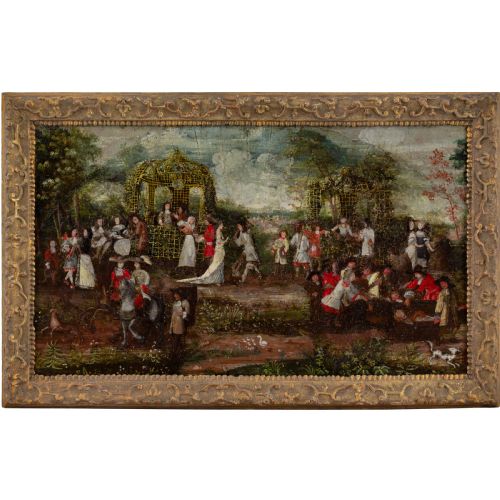
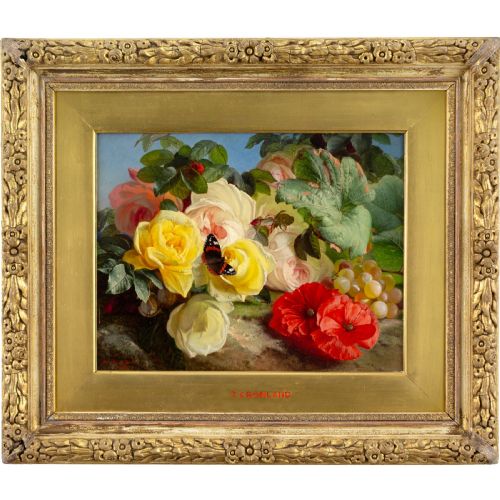
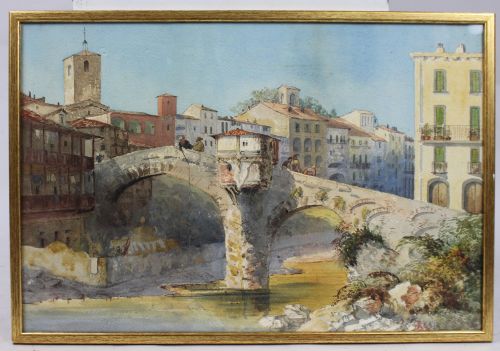
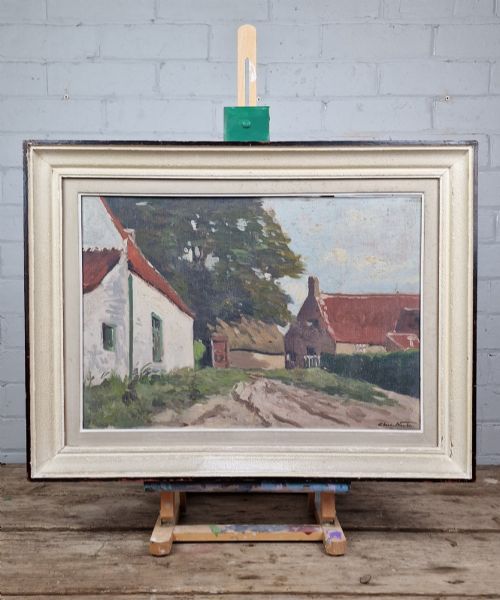
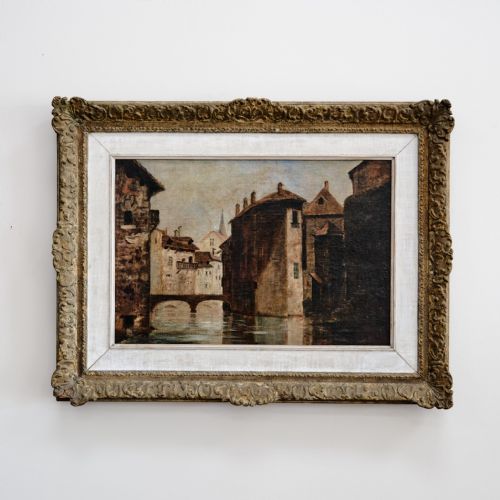
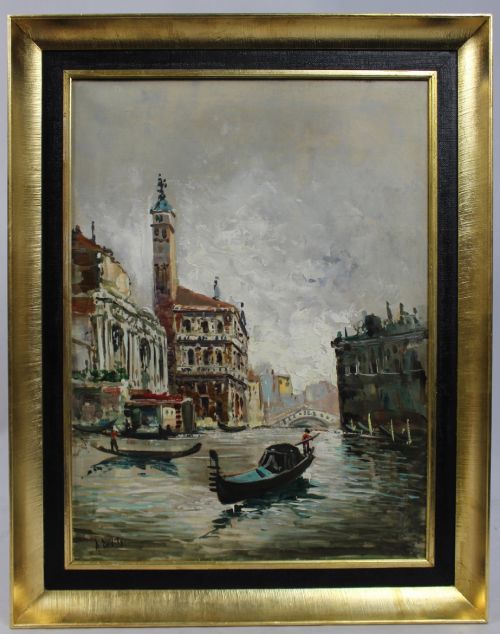
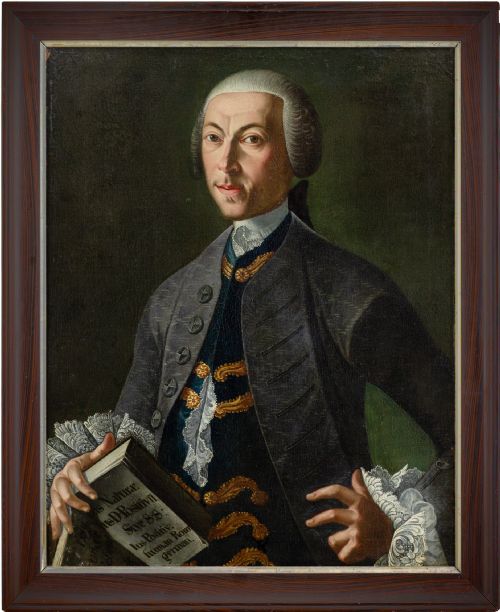
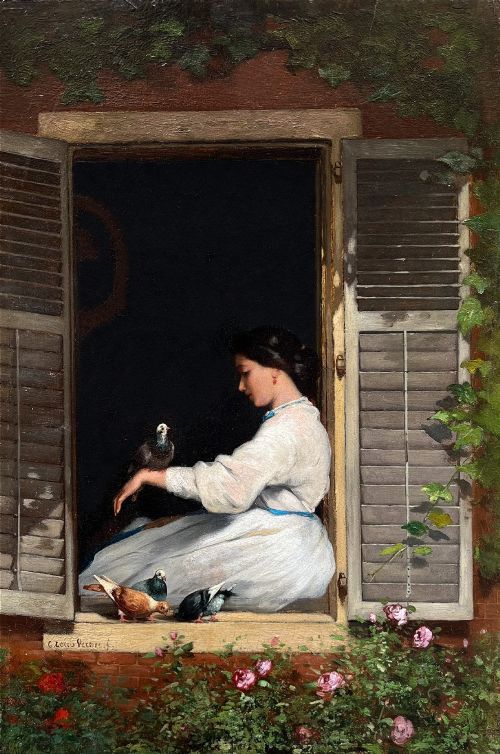
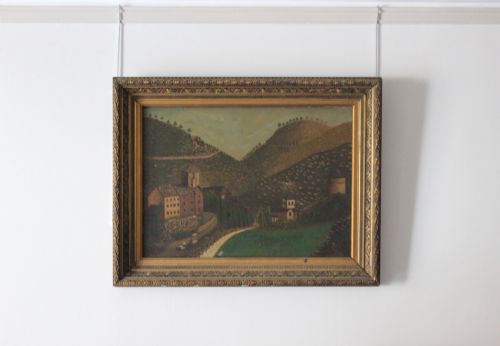
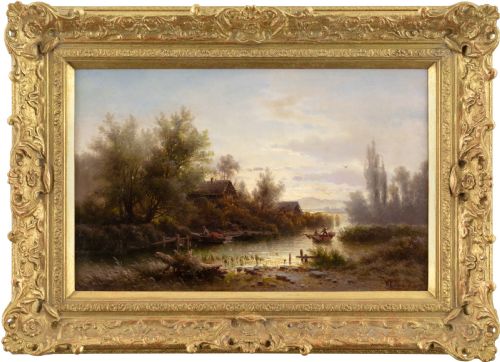
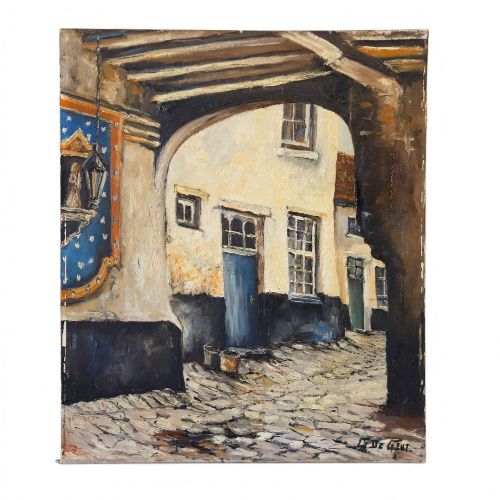
Buyers browsing antique european wall painting encounter a diverse selection of oil paintings, watercolours, hand-painted porcelain plaques and decorative pine panels spanning multiple centuries. The selection ranges from 17th-century Flemish school portraits and Dutch landscape works to 19th-century Impressionist cityscapes and post-impressionist farmyard scenes.
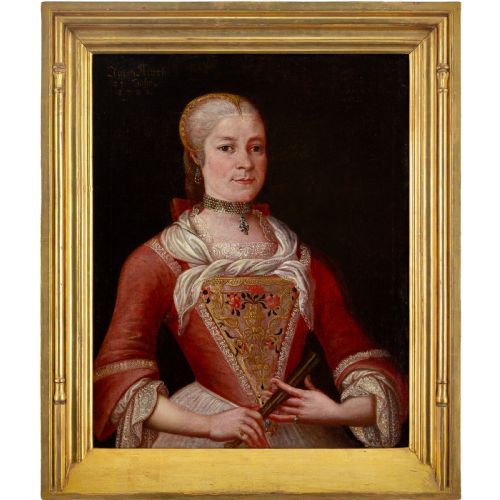
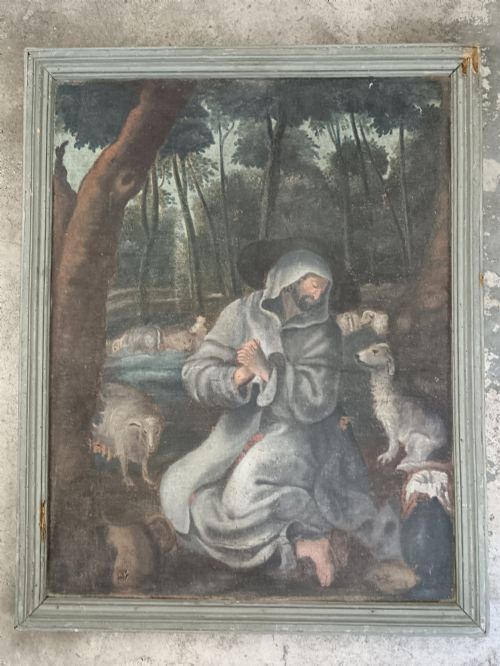
Most pieces on this page originate from European regional schools, capturing subjects such as aristocratic portraits, religious figures, Alpine vistas and quiet rural pathways. Works include framed canvases, oil on board studies, and hand-painted porcelain plaques executed after Renaissance masters.
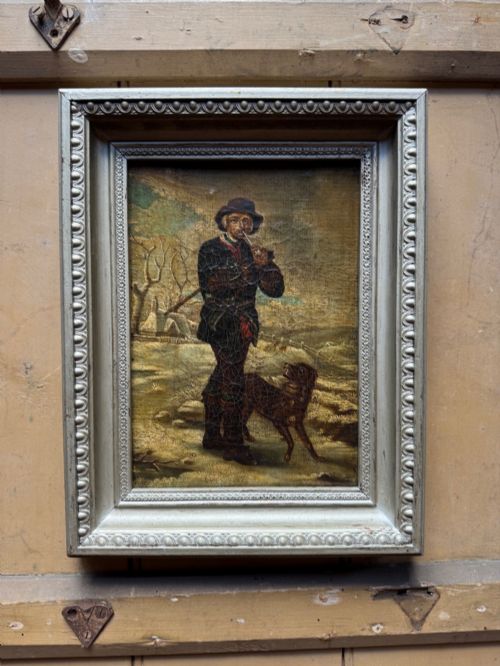
The selection encompasses primitive and naive regional expressions alongside academic portraiture and luminous landscapes. Examples stretch chronologically from the 1600s through the 19th century and into early decades of the 20th century.
Materials and execution
Makers utilised oil paint applied to canvas, wood panels, or rigid board supports, often building up layers with gesso grounds. Some compositions incorporate gold leaf and ornate giltwood framing to accentuate the visual depth of the scene.
Support materials vary by period and region, with pine panels appearing in decorative architectural settings and woven canvases or boards used for traditional easel paintings. Hand-carved wooden elements and porcelain plaques demonstrate specialised workshop techniques of the continental schools.
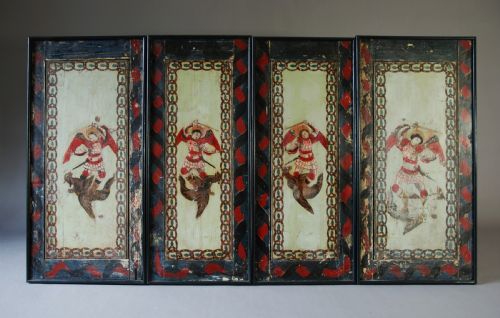
St. Michael battles a dragon on pine panels while a cheerful St. Francis observes the continental landscape unfold nearby.
Factors determining quality
Quality separates through the finesse of brushwork, the anatomical accuracy of portrait subjects, and the atmospheric rendering of light within landscapes. Finer examples display confident pigment application and deliberate tonal balance rather than stiff, formulaic execution.
The preservation of the original surface, including visible pentimento and stable craquelure, distinguishes superior historical canvases. Stronger pieces retain their period frames, whether giltwood or carved wood, and maintain clear provenance through signatures or school attributions.
Theude Grönland·Charles Houben·Louis Charles Verwee·Albert Rieger·Paul-Élie Gernez·Victor Simonin·Frans Gailliard·Jules Rambo·Pieter Bout·Adriaen Frans Boudewyns
The Antique European Wall Painting Glossary
- Pentimento
- An alteration in a painting, evidenced by traces of previous work, showing that the artist changed their composition during the process. This occurrence offers insight into the working method of the historical painter.
- Gesso
- A white paint mixture consisting of a binder mixed with chalk, gypsum, or pigment, used to prepare wood panels or canvases for painting. It provides a smooth, stable ground for oil applications.
- Giltwood
- Wood that has been treated with gold leaf or gold paint to give a metallic sheen, commonly found on traditional frames. The technique adds decorative luxury to the presentation of historical artwork.
- School
- A group of artists, particularly in medieval or Renaissance times, associated with a particular style, time period, or geographical location. Attribution to a specific school connects the work to regional traditions.
Antique European Wall Painting: Frequently Asked Questions
How do I identify a 17th-century painting?
Seventeenth-century works often display deep chiaroscuro lighting, rigid formal attire in portraits, and specific panel construction methods typical of the Flemish and Dutch Golden Age schools.
Examining the canvas weave, stretcher bars, and underlying gesso preparation helps confirm the age of the physical support.
What does regional school attribution mean?
Attribution to a regional school indicates that an anonymous artist worked within the stylistic traditions and geographical area specified, such as the Bavarian or Austrian school.
These designations help collectors understand the cultural context and aesthetic influences behind unsigned or lesser-documented works.
How should I hang antique paintings?
Antique artworks require stable indoor environments away from direct sunlight and excessive humidity fluctuations that can damage wooden panels and canvas fibres.
Secure hanging hardware suitable for the weight of the frame ensures the piece remains safely supported on the wall.
What is a naive painting style?
Naive paintings exhibit a simplified perspective, direct use of colour, and a charm that bypasses formal academic training rules found in traditional European art academies.
These works provide a candid, unpretentious view of everyday life and regional customs from past centuries.