
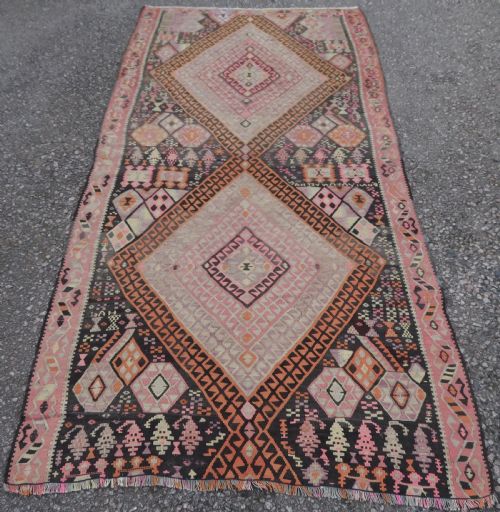

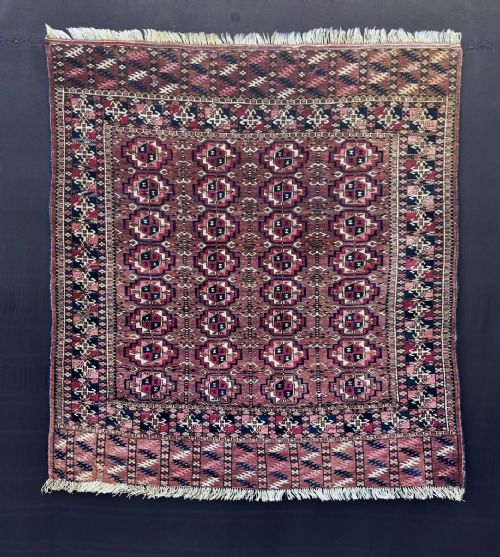
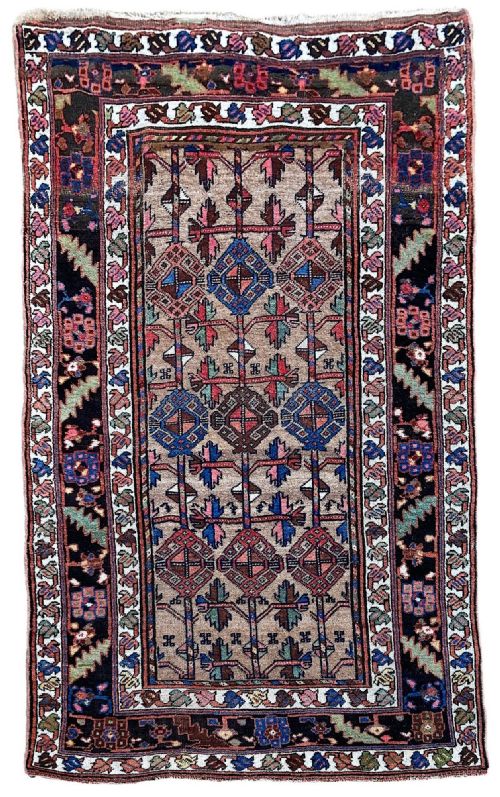


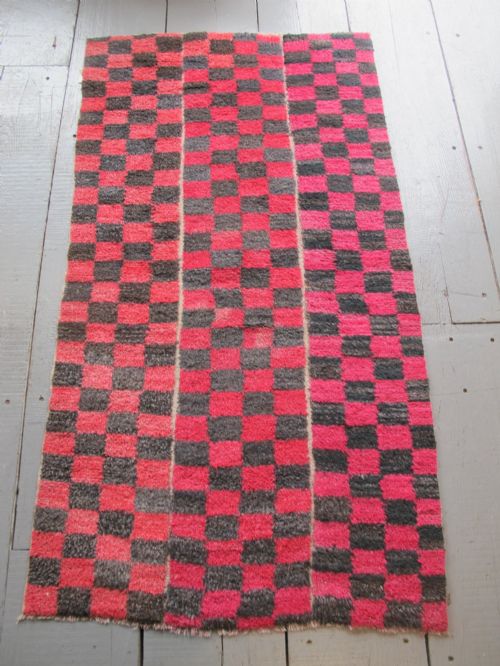


Antique Ethnic Tribal Carpet
These antique ethnic tribal carpet examples bring rich regional history and bold geometric motifs straight to your floor.
Antique Ethnic Tribal Carpet
An antique ethnic tribal carpet represents nomadic and village weaving traditions from regions such as Central Asia, Persia, the Caucasus, and Anatolia. These textiles range from room-sized floor coverings down to smaller runner rugs, meditation mats, wedding pieces, and kilim panels.
The most common examples you will encounter span the nineteenth century and the early decades of the twentieth century. They include specific tribal groups such as the Turkmen, Kurdish, Baluch, and Uzbek makers who produced textiles for practical domestic use and ceremonial dowry purposes.
How they were made
Weavers relied principally on natural materials, employing hand-spun wool and standard wool for the pile alongside cotton foundations and occasional goat hair for durability. Tibetan wool also appears in specialist pieces like meditation rugs, reflecting local highland resources.
Nomadic and village workshops constructed these textiles using traditional hand-knotting techniques or flatweaving methods like kilim construction. Dyes were traditionally sourced from local plants and minerals, creating the rich, saturated tones seen across these rugs.
Some nineteenth-century nomads wove small carpet cushions specifically to make hard wooden saddles and tent floors bearable during long seasonal migrations.
What varies in quality
The sophistication and clarity of the geometric design or medallion layout dictate much of the visual merit. Finer knot density and tighter weaves generally distinguish master workshop output from simpler utilitarian tribal weaving.
The depth, stability, and preservation of the natural dye palette heavily influence the overall character. Examples retaining strong, harmonious primary colours without disruptive fading stand apart from more faded or heavily repaired textiles.
The Antique Ethnic Tribal Carpet Glossary
- Kilim
- A flatwoven carpet or rug produced without a pile by tightly interweaving warp and weft threads. This technique creates a lightweight textile with crisp geometric patterns.
- Gol
- An octagonal or medallion-like motif frequently repeated in Turkmen and Central Asian tribal weaving. Each tribe utilised distinct gol variations to signal identity and heritage.
- Warp
- The vertical foundation threads stretched tightly on the loom before weaving begins. The pile knots are tied around these stationary strands.
- Weft
- The horizontal threads passed alternately over and under the warp to lock the knots in place. In flatweaves, the weft creates the visible pattern itself.
- Runner
- A long, narrow carpet format designed primarily for hallways, corridors, or alongside beds. These pieces accommodated specific architectural spaces in traditional homes.
Antique Ethnic Tribal Carpet: Frequently Asked Questions
Can I place these rugs in high traffic areas?
Many sturdy wool and goat hair tribal rugs tolerate moderate foot traffic when protected with a proper underlay. Lighter flatweaves and delicate dowry pieces suit lower traffic spaces or wall display.
Rotating the carpet periodically ensures even wear across the surface over the years. Placing them away from direct, harsh sunlight prevents premature fading of natural dye colours.
What is the difference between a kilim and a pile rug?
A kilim is a flatwoven textile created entirely by interlocking warp and weft threads without any raised pile surface. This construction results in a thinner, reversible rug with sharp geometric designs.
Pile rugs feature individual knots tied to the warp foundation, sheared to create a plush surface texture. Both styles served essential domestic and ceremonial functions within nomadic communities.
How do I identify a Kurdish tribal rug?
Kurdish rugs often display robust geometric patterns, bold repeat medallions, and dense wool construction originating from regions across Persia and Anatolia. The handling of the wool and specific tribal colour palettes help separate them from Caucasian or Turkmen work.
Examining the structural characteristics on the reverse side reveals specific knotting habits and foundation materials. Comparing known regional motifs provides further confirmation of the Kurdish attribution.