
Antique Equestrian Artwork Print
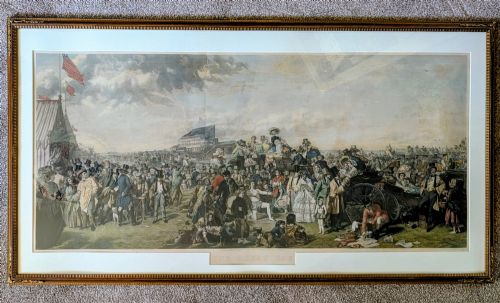
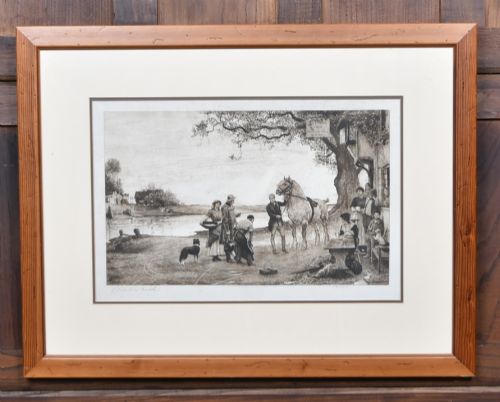
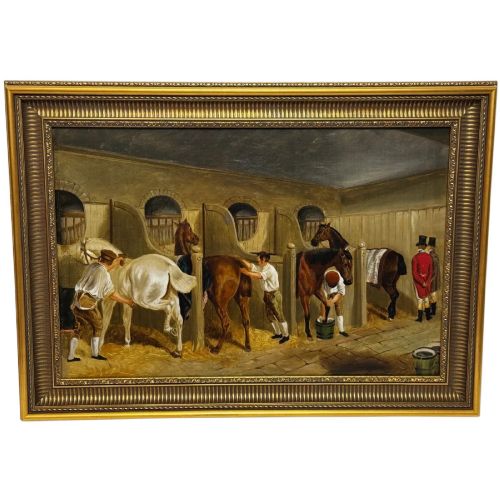
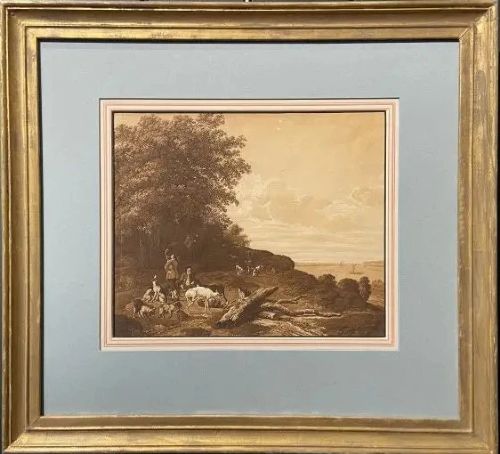
An antique equestrian artwork print brings the speed and grit of field sports and historic racing straight to your wall.
Antique Equestrian Artwork Print
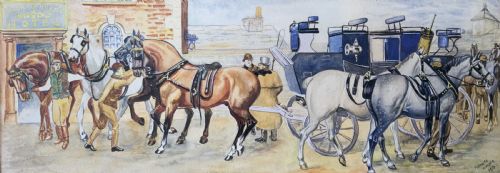
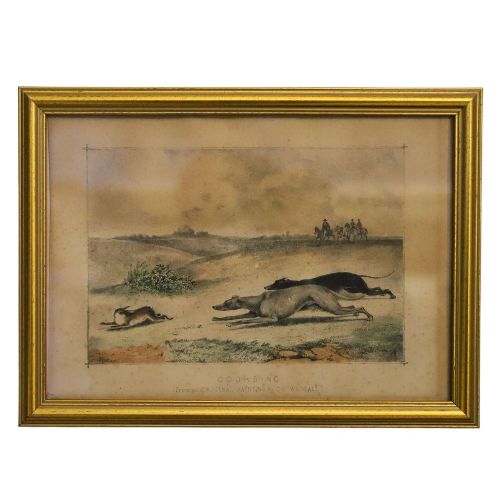
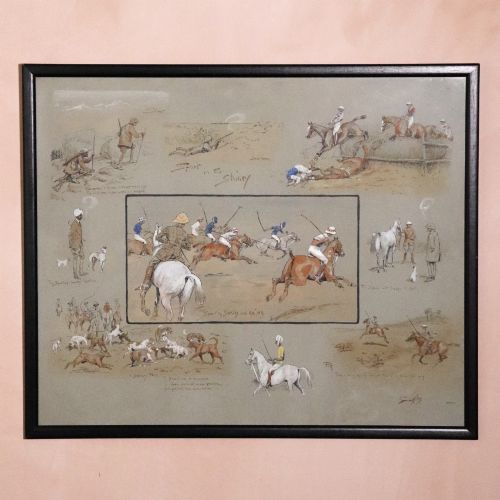
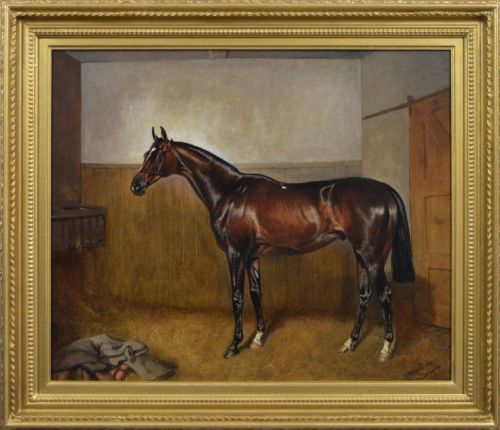
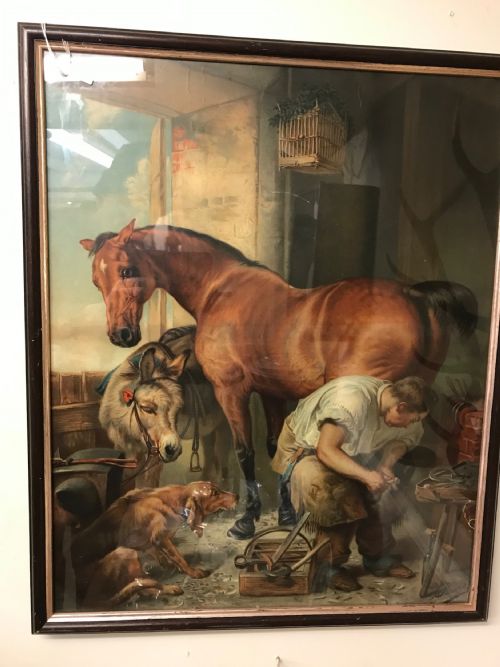
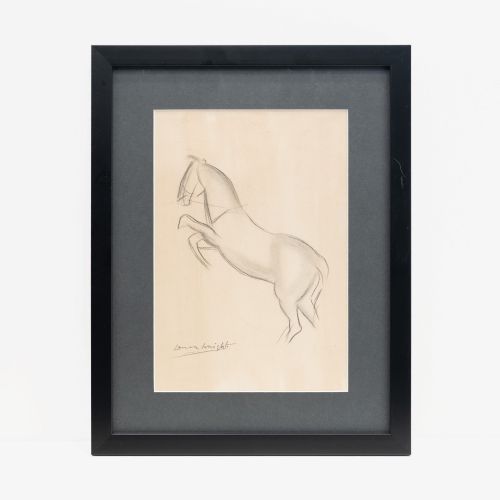
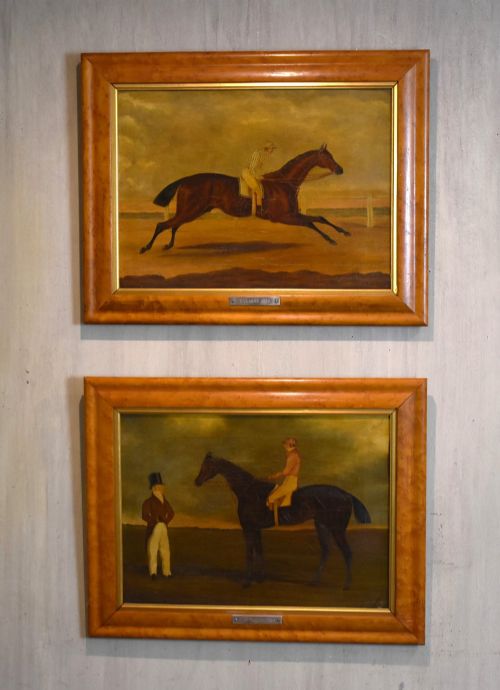
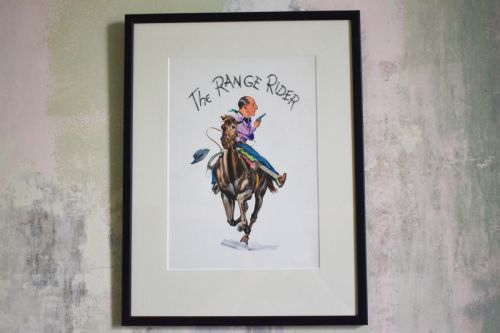
When you search for an antique equestrian artwork print, you encounter a diverse range of historic imagery celebrating horses, hunting, and racing. The selections span several centuries, reaching from the seventeenth century through the Victorian era and into the early twentieth century.
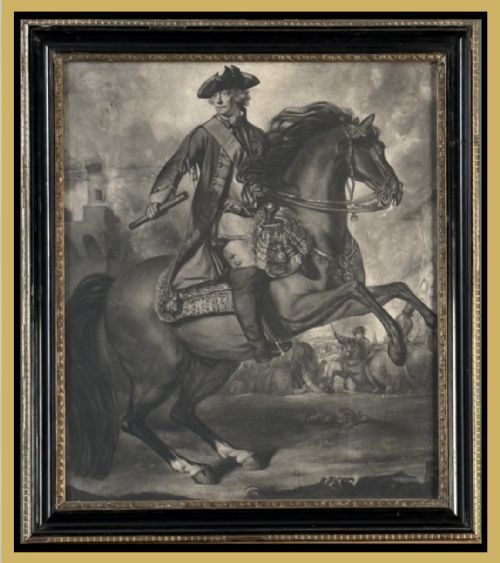
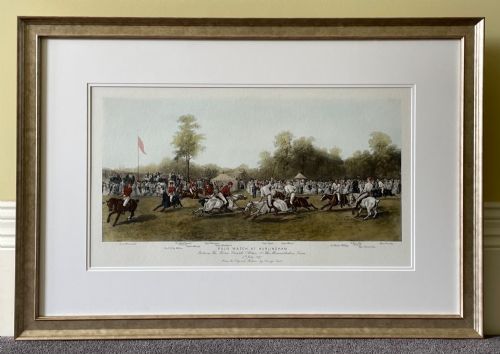
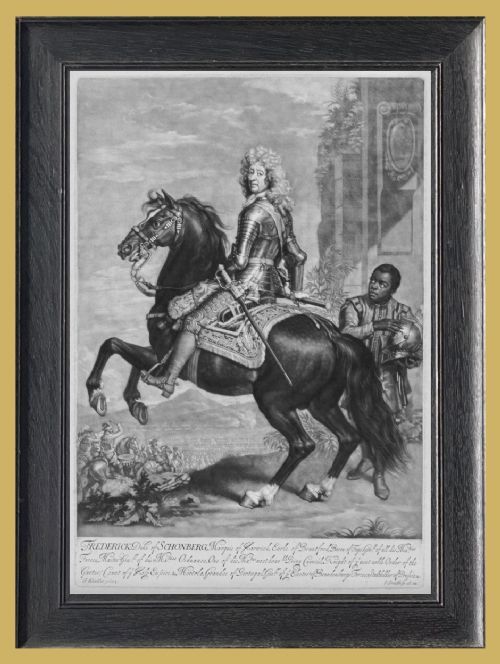
Most pieces on this page take the form of framed prints, engravings, etchings, and lithographs, accompanied by occasional watercolours and oil paintings. Subjects range from formal portraits of famous racehorses and military commanders to lively hunting scenes, polo matches, and coaching prints.
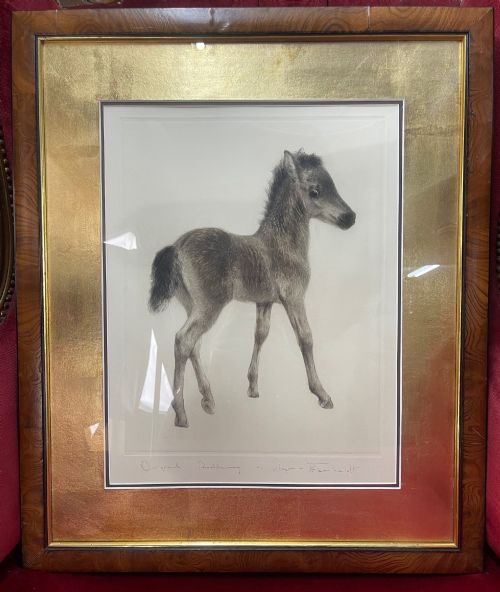
Makers and artists represented across the centuries include notable printmakers and painters such as Edward Fisher, John Smith, Kurt Meyer-Eberhardt, Robert W. Macbeth, and Snaffles. These works capture the enduring British fascination with equestrian life and sporting art.
How they were made
The physical objects rely on traditional paper substrates combined with ink, watercolour, or lithographic colour. Printmakers utilised copper plates for fine mezzotints and etchings, while lithography allowed for rich tonal variations and hand colouring.
Frames play a crucial role in the presentation of these works, frequently constructed from wood, including gilt wood and oak. Glazing protects the delicate paper surfaces from atmospheric moisture and handling over the decades.
Several dogs and foxes sneak into the compositions, occasionally upstaging the horses with their determined expressions during the hunt.
What varies in quality
Quality in these works rests upon the crispness of the impression and the fidelity of the plate or brushwork. Early impressions pulled from fresh plates exhibit sharp detail in the horse's musculature and the jockey's expression, whereas worn plates yield softer, muddier lines.
The preservation of original colour and paper integrity distinguishes superior examples. Hand colouring executed with subtlety and precision elevates a print, while framing choices that respect the period enhance the overall visual coherence.
Edward Fisher·John Smith·Kurt Meyer-Eberhardt·Robert W. Macbeth·C. H. Weigall·John Alfred Wheeler·Edwin Henry Landseer·John Frederick Herring Snr·Anne Goldthwaite·Charles Faulkner·Alfred Wheeler
The Antique Equestrian Artwork Print Glossary
- Mezzotint
- A printmaking process where the copper plate is roughened to produce dark tones and scraped to create highlights. This technique allows for smooth tonal gradations well suited to portraits.
- Etching
- A method where lines are bitten into a metal plate with acid before ink is applied and transferred to paper. It permits fine, expressive linework characteristic of artist's prints.
- Chromolithograph
- A multicoloured print produced using flat limestone blocks for each colour layer. The process delivers vibrant hues popular in nineteenth-century illustration.
- Aquatint
- An intaglio printmaking technique that produces tonal areas resembling watercolour washes. It was frequently utilised for sporting and coaching prints requiring atmospheric backgrounds.
- Drypoint
- A sharp needle scratched directly into a copper plate without acid, raising a burr that holds ink for a velvety line. The resulting prints possess an intimate, hand-drawn quality.
Antique Equestrian Artwork Print: Frequently Asked Questions
What subjects do these prints show?
The subjects cover racehorses, hunting meets, polo matches, coaching scenes, and formal portraits of riders and animals.
Many capture specific historic events or celebrated horses recorded by sporting artists.
How should I hang these framed prints?
Keep them away from direct sunlight to protect the paper and any original hand colouring from fading.
Secure them on stable interior walls using appropriate fixings suited to the weight of the timber and glass frames.
Are these works original period pieces?
The listings feature original prints, etchings, engravings, and paintings dating from the seventeenth century up to the early twentieth century.
Each piece reflects the printing techniques and artistic styles of its specific era.
How do I identify a lithograph from an engraving?
Engravings show indented plate marks where the metal pressed into damp paper under high pressure.
Lithographs display flat, smooth surfaces without plate depressions, relying on chemical ink adhesion from stone or metal plates.