




Antique Entry Furniture
Antique entry furniture gathers the console tables, benches, settle seats, and hall stands that welcome people into a home.
Antique Entry Furniture
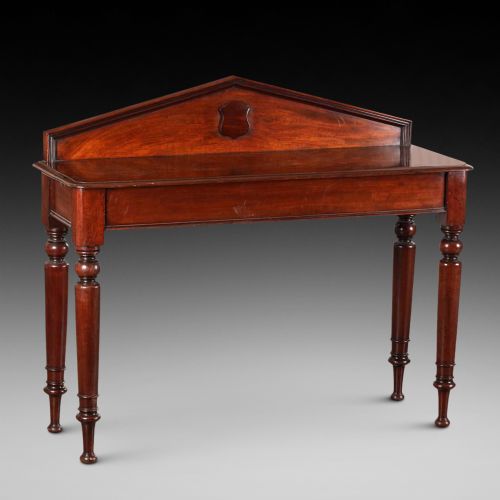
Antique entry furniture comprises the practical pieces placed in hallways, vestibules, and reception spaces to manage coats, hats, and the transition from outdoors to indoors. When searching for antique entry furniture, buyers encounter everything from slim console tables and wall mirrors to robust oak settles and tall umbrella stands.
The selection leans heavily toward 18th-century and Victorian items, reflecting the period focus placed on welcoming visitors with substantial woodwork and fitted seating. Oak and mahogany dominate the structural forms, while pine and elm appear in regional country pieces designed for heavy daily use.
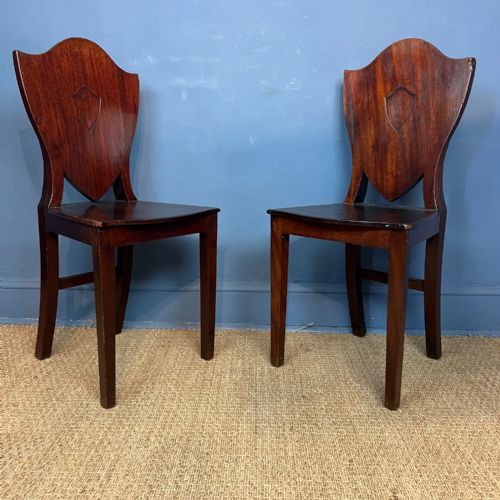
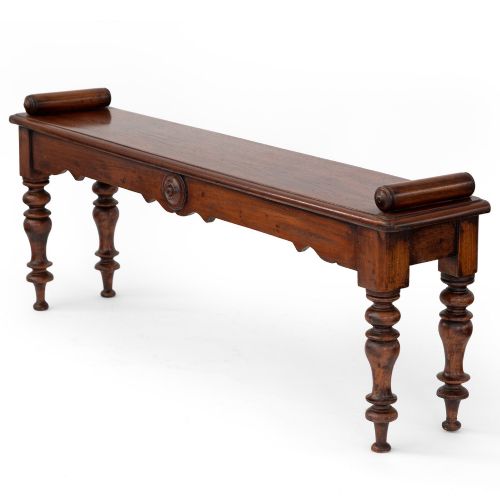
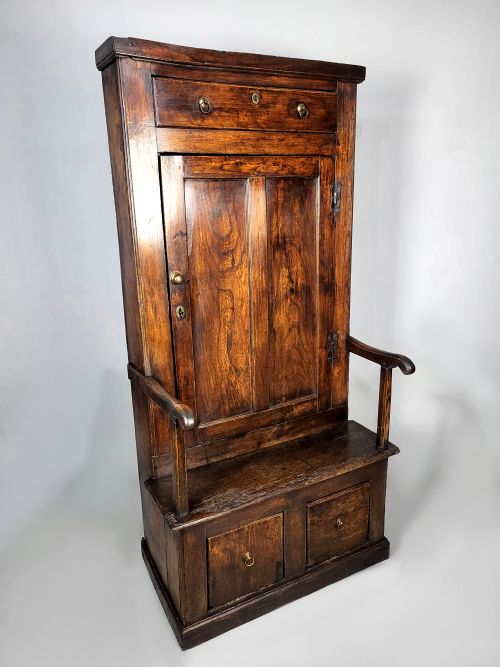
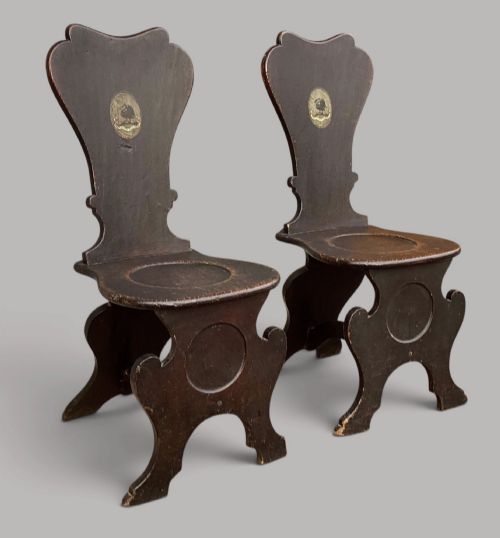
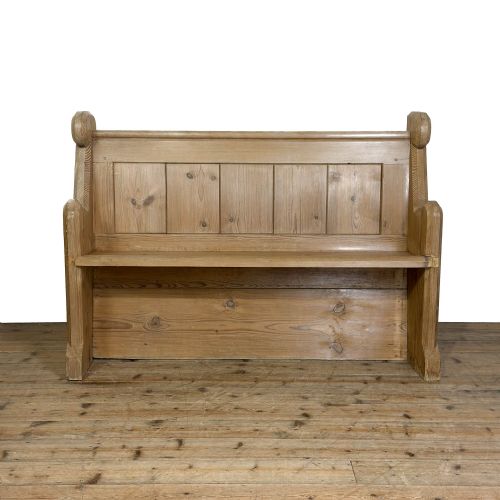
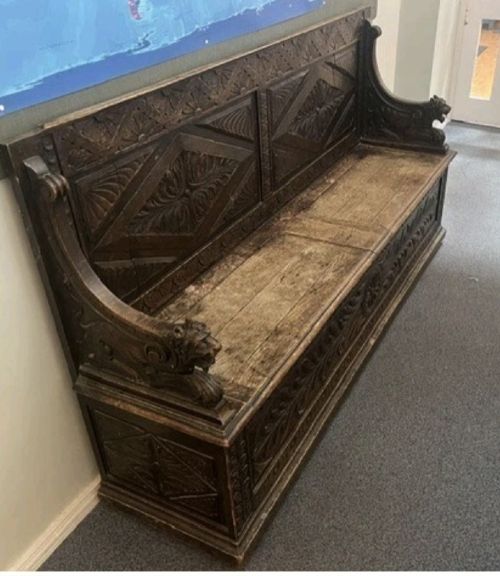
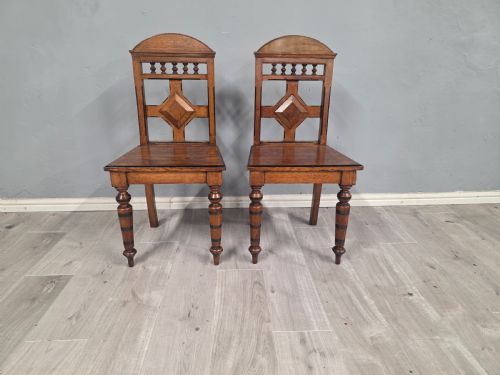
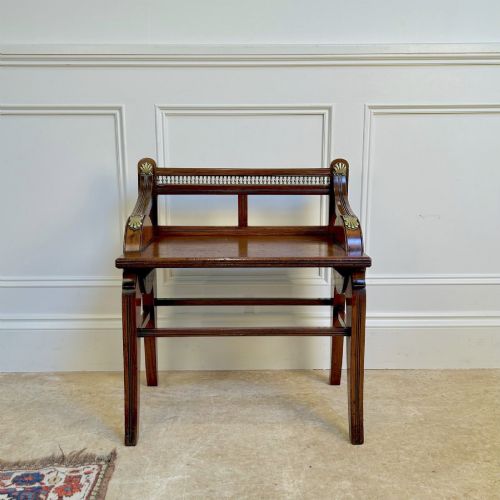
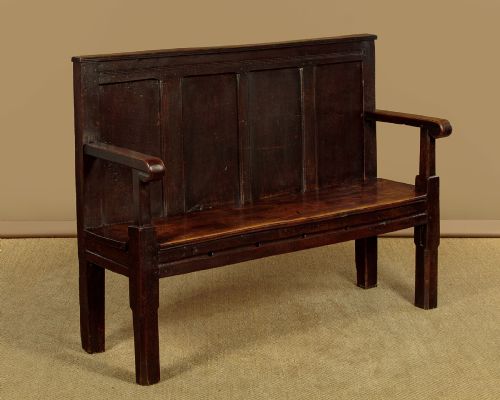
Console tables, often paired with matching mirrors, stand alongside high-backed hall chairs bearing painted armorial crests. Benches and box settles offer built-in storage beneath hinged seats, serving the practical needs of hallways before modern cloakrooms became standard.
Materials and Construction
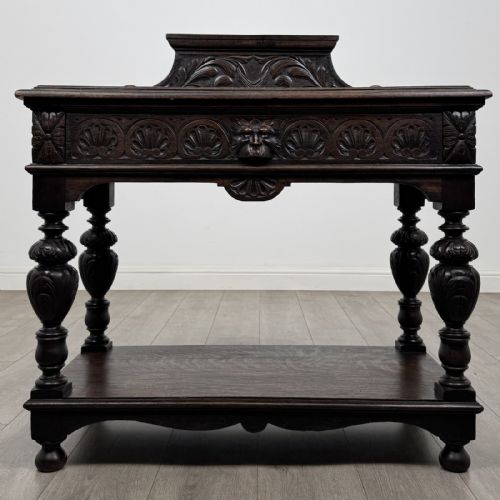
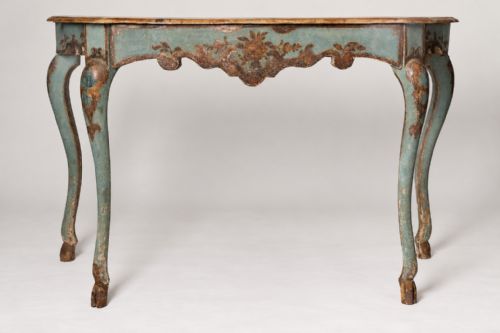
Cabinetmakers relied on dense timbers like oak, mahogany, walnut, and rosewood for structural integrity, utilising pine and ash for secondary elements and interior box compartments. Surfaces often received hand-carved ornamentation, such as the elaborate tracery seen on Victorian oak benches and Italian giltwood console frames.
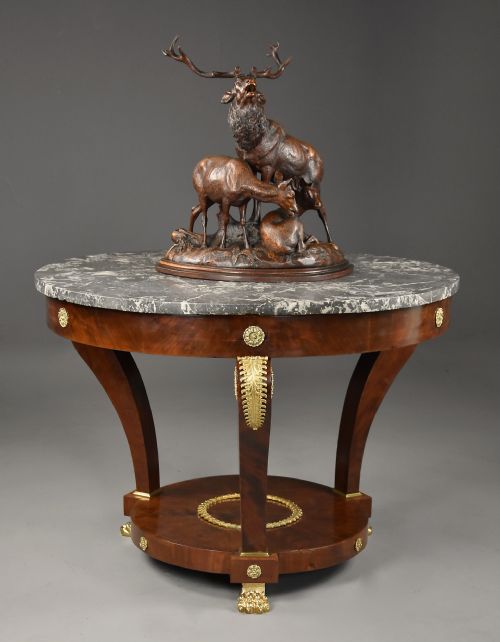
Inlay work involved contrasting veneers like satinwood and marquetry panels integrated into console table tops, while functional metal elements included cast brass coat hooks, umbrella wells, and decorative door knockers. Paint and gilt finishes were applied to surfaces in Georgian and French console designs, creating decorative focal points for reception spaces.
Antique Entry Furniture Retail Price Guide 2026
Typical asking prices for entry furniture among the pieces listed under this phrase on Sellingantiques today, from the lower quarter to the upper quarter. They describe what is for sale here now, not the wider market.
Form types range from slim console tables and Bentwood stands to heavy box settles and armorial hall chairs.
Quality Variations
The division between everyday pieces and finer examples rests on the depth and crispness of the hand-carving and the selection of timber figures. Tables with solid marble tops or intricate brass inlay demonstrate higher workshop skill than plain pine or utilitarian elm variants.
Structural integrity and original hardware dictate distinction in functional items like hall stands and box settles. Pieces retaining their original brass coat hooks, drip pans, and glass mirror plates achieve a higher level of historical completeness than those with replaced elements.
James Shoolbred·Strahan and Co·Peters of Genoa·Fortnum and Mason·Thonet
The Antique Entry Furniture Glossary
- Console table
- A table designed to be fixed against a wall, frequently supported by front legs or wall brackets. These tables often feature marble tops or elaborate giltwood frames.
- Settle
- A wooden bench with a high back, solid arms, and a box seat that lifts for storage. They originated in draughty hallways to block cold air.
- Hall stand
- A tall item of furniture combining a coat rack, hat hooks, umbrella stands, and a central mirror. They organise entranceways by holding outdoor garments.
- Marquetry
- The art of applying small pieces of veneer to a structure to form decorative patterns. It appears frequently on the tops of console tables.
- Armorial
- Relating to heraldry and family coats of arms. Painted armorial backs often distinguish high-status hall chairs.
Antique Entry Furniture: Frequently Asked Questions
What is antique entry furniture used for?
These pieces organise the entrance of a home by providing places to sit while removing shoes, hang coats, and store umbrellas.
Console tables also offer a surface for post and keys, while wall mirrors complete the functional setup of a hallway.
How do I identify a hall settle?
A hall settle is characterised by a high wooden back, solid armrests, and a bench seat that opens upward to reveal a storage box.
They are typically constructed from oak or pine and were placed in hallways to provide seating and block drafts.
Where were console tables placed?
Console tables are built to stand flush against a hallway or reception room wall, often secured with brackets.
They frequently appear beneath matching wall mirrors, creating a symmetrical focal point immediately upon entering a house.
What materials are common in hall stands?
Hall stands are predominantly made from oak, mahogany, or bentwood, incorporating brass coat hooks and metal umbrella drip pans.
Many examples also integrate bevelled glass mirrors and small central cupboards for small accessories.