

Antique Entry Chairs
Antique entry chairs are formal wooden seats designed for halls and corridors, combining architectural carving with sturdy construction.
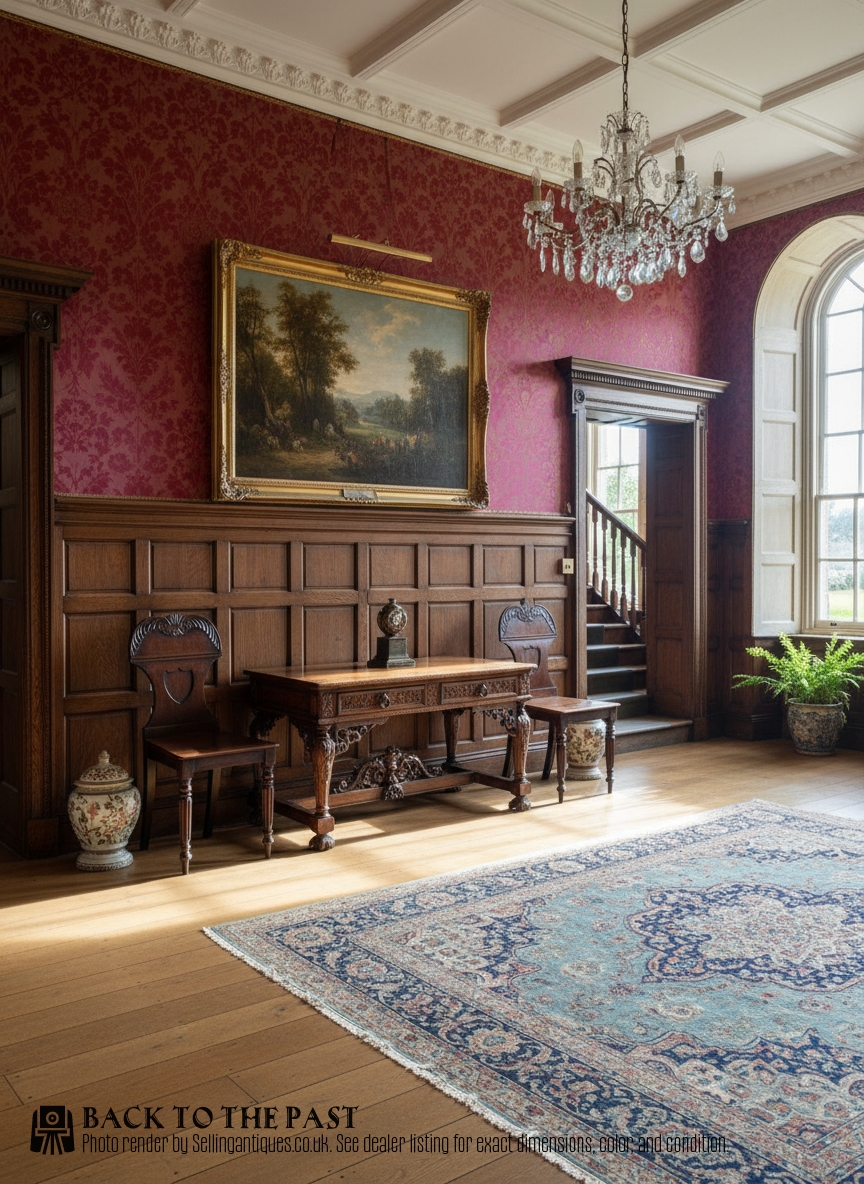
Antique Entry Chairs
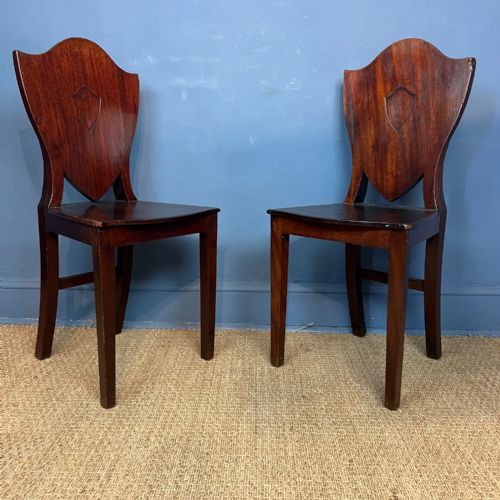
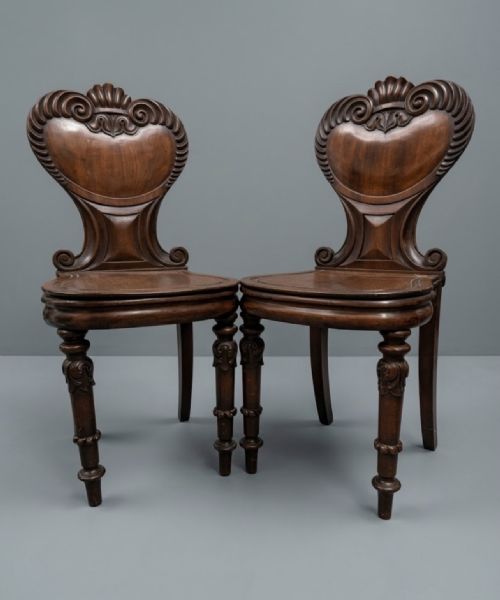
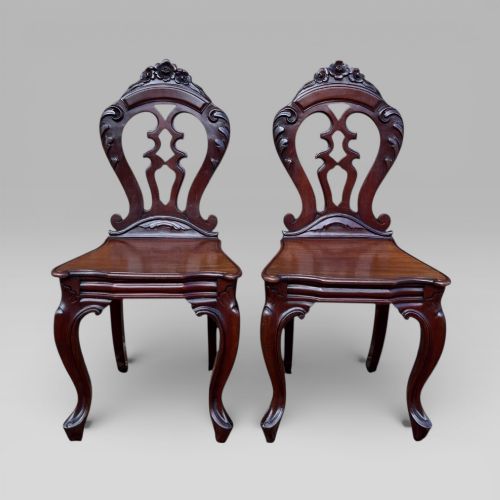
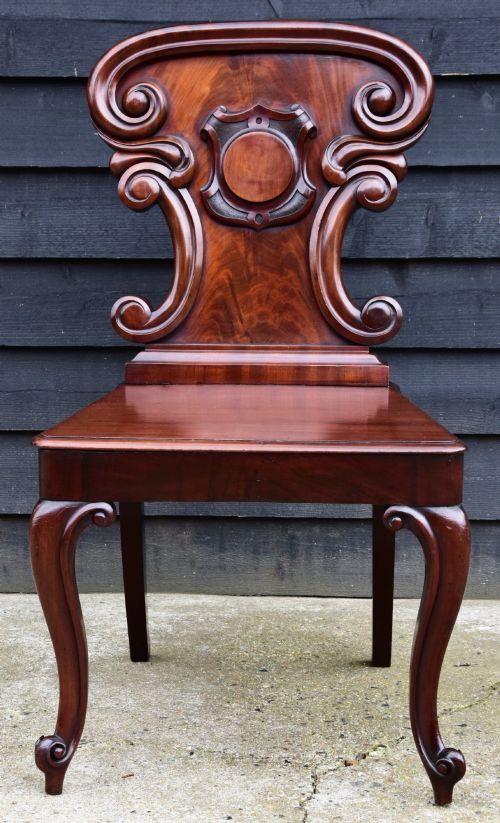
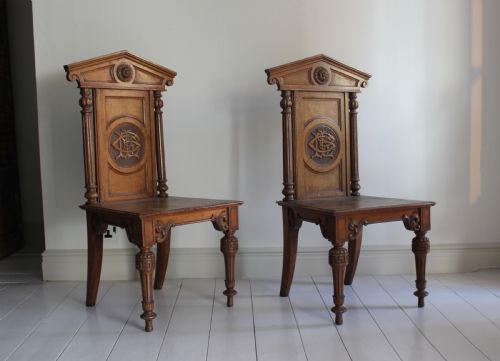
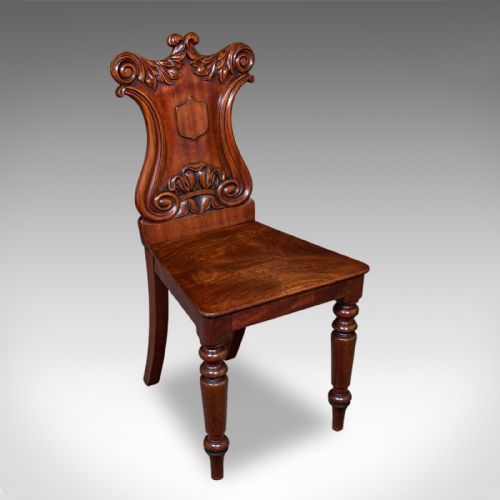
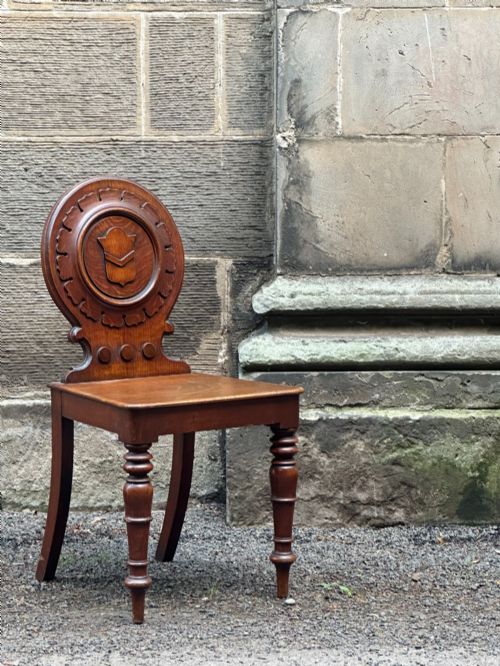
When you search for antique entry chairs, you encounter formal wooden seating designed primarily for passage spaces, corridors, and reception areas rather than domestic lounging. These pieces are intended to make a strong impression on visitors, frequently incorporating carved backs, armorial crests, and solid timber construction.
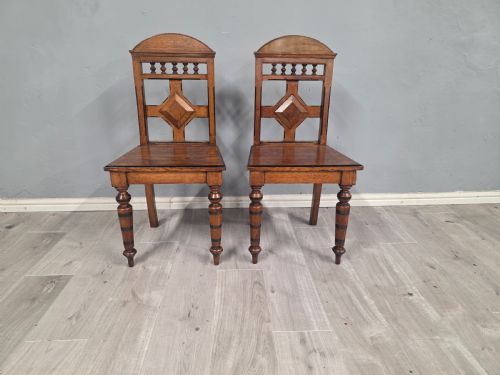
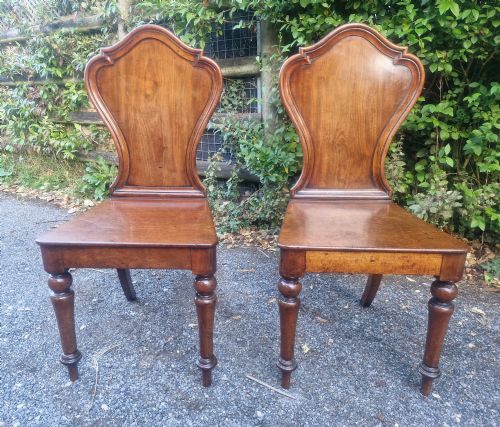
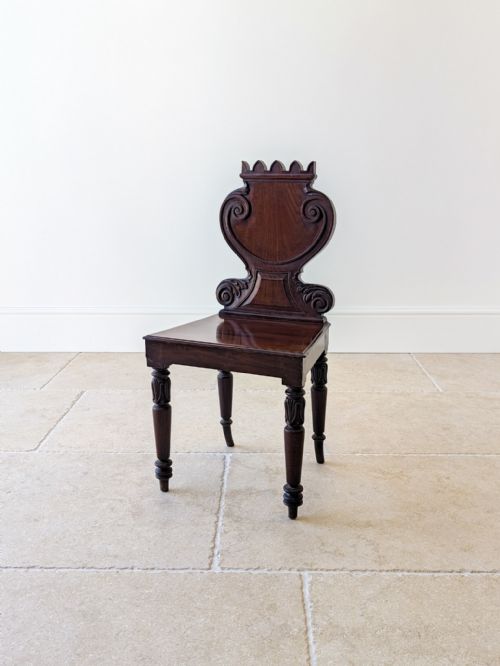
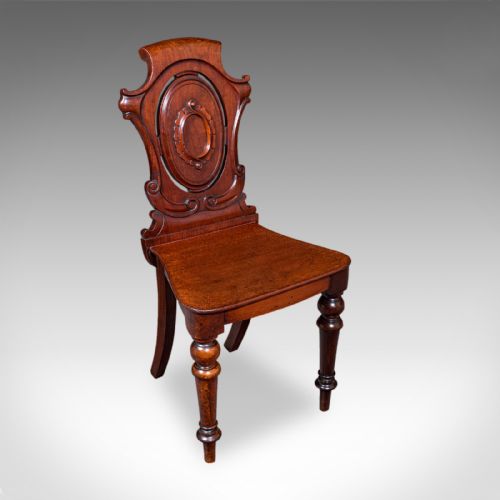
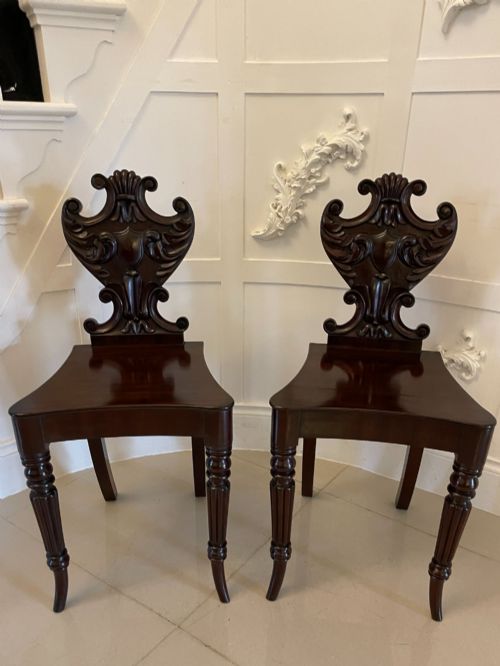
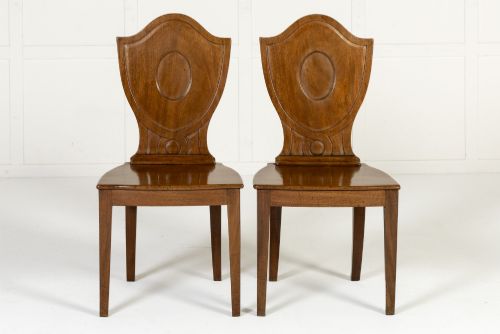
The selections available here rely heavily on Victorian and Regency examples, alongside Georgian antecedents. You will frequently find hall chairs constructed in pairs or larger sets, featuring rigid wooden seats and upright backs meant to encourage brief and formal posture.
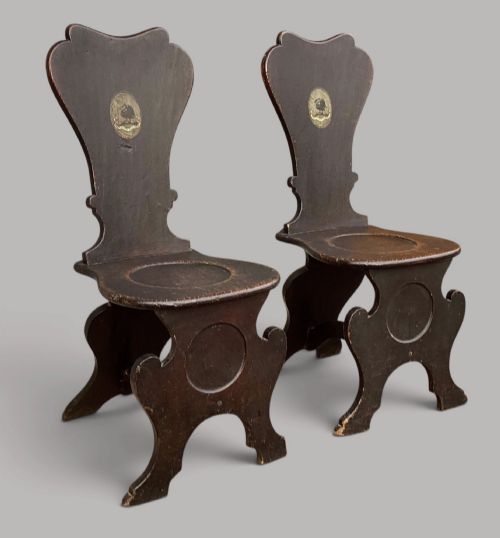
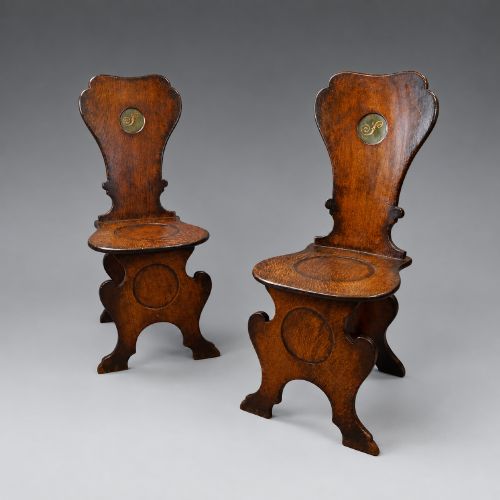
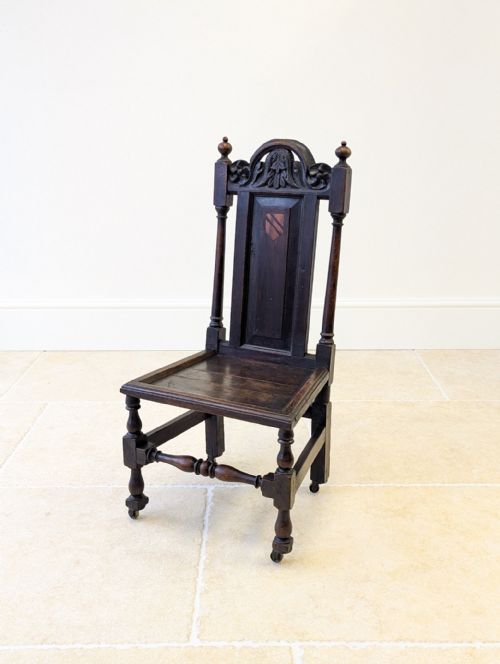
Beyond standard hall chairs, the selection includes related forms such as oak monks benches, painted settles, and Sgabello chairs. These variations span periods from the eighteenth century through to the late nineteenth century, using materials like mahogany, oak, and walnut.

How they were made
Cabinetmakers constructed these chairs using dense hardwoods like mahogany, oak, and walnut, chosen for their ability to sustain deep carving without splintering. Timber selection dictated the structural integrity of the upright back and the solid wooden seat.
Carving and turning techniques defined the ornament, ranging from simple shield backs to elaborate Gothic Revival tracery and Renaissance Revival motifs. Joinery relied on traditional mortise and tenon methods to ensure the rigid frames endured daily use in busy entranceways.
Antique Entry Chairs Retail Price Guide 2026
Typical asking prices for entry chairs among the pieces listed under this phrase on Sellingantiques today, from the lower quarter to the upper quarter. They describe what is for sale here now, not the wider market.
Mahogany and oak dominate the timber selections across these nineteenth and eighteenth-century listings.
What varies in quality
The refinement of the timber and the crispness of the carved details dictate the standing of an entry chair. Superior examples display deeply chiselled armorial crests or shell backs carved directly into solid mahogany or oak rather than applied in secondary mouldings.
Proportion and matching also determine quality, particularly when dealing with pairs or sets originating from the Georgian and Regency periods. Pieces that retain their original surfaces and structural firmness without excessive timber replacement hold greater integrity.
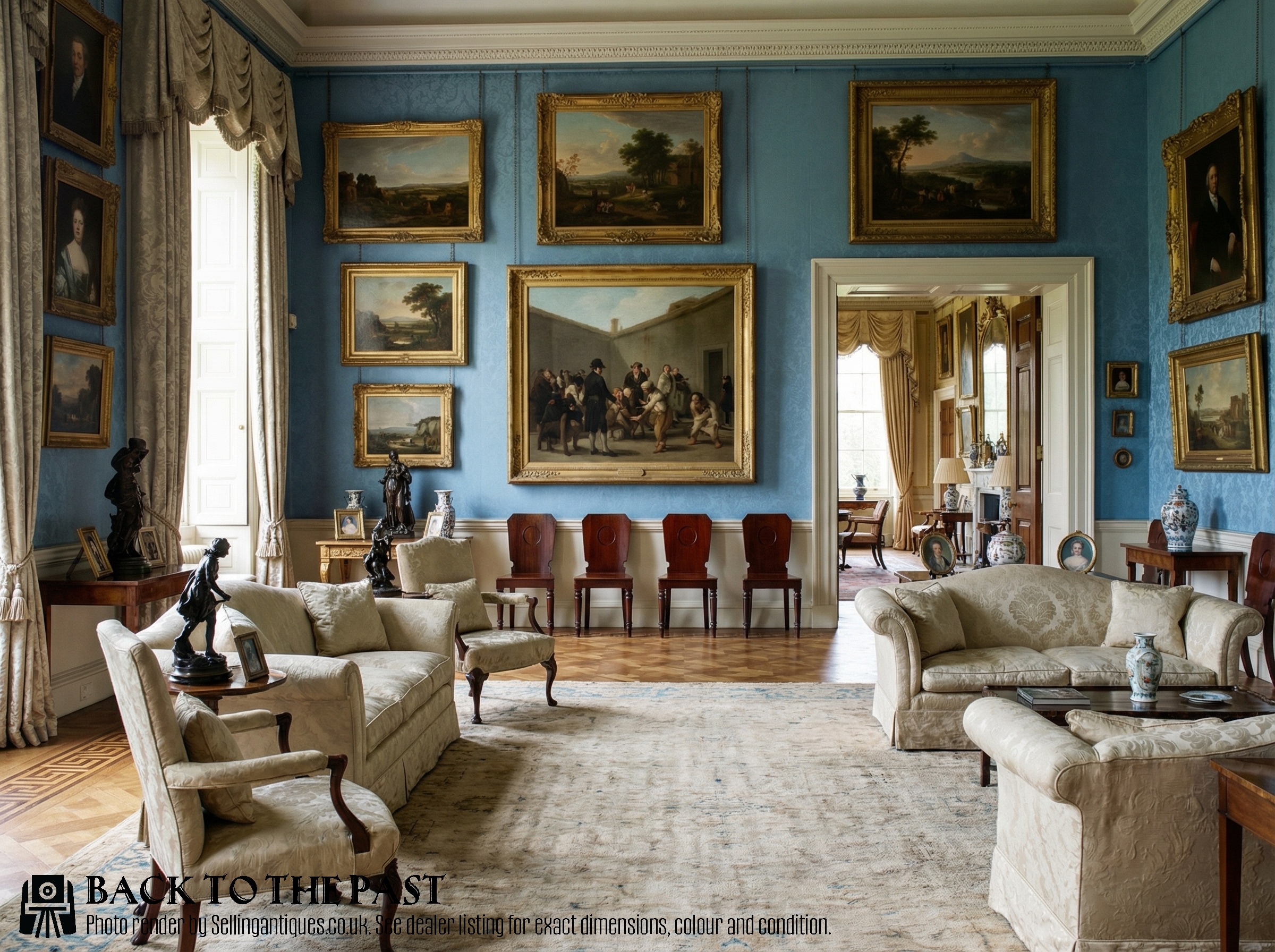
Gillows
The Antique Entry Chairs Glossary
- Sgabello
- A light, wooden chair originating from the Italian Renaissance featuring a trestle base and a high, carved back. These seats served primarily as decorative hall furniture.
- Armorial
- Bearing a heraldic coat of arms or family crest carved into the wooden backrest. This design element was common on formal reception chairs commissioned for country houses.
- Shield back
- A chair back shaped like a heraldic shield, popular during the Georgian and Regency periods. This form allowed makers to incorporate carved drapery and crests.
- Settle
- A wooden bench featuring high backs, solid arms, and often a storage box beneath the seat. They stood in drafty entrance halls to provide protected seating.
Antique Entry Chairs: Frequently Asked Questions
What is an antique entry chair?
An antique entry chair is a rigid wooden seat designed for hallways and reception spaces rather than comfortable lounging. These chairs often feature upright solid seats and heavily carved backrests.
Historically, they served to impress visitors upon entering a home while discouraging lingering in the hallway. They are commonly found in matching pairs or sets.
How do I date an antique hall chair?
Dating relies on observing the timber species, the style of carving, and the structural construction methods. Mahogany and walnut frequently indicate Georgian or Victorian periods, while oak spans earlier Jacobean revivals.
Details like shield backs, painted decoration, or Gothic Revival tracery help narrow the decade of manufacture. Comparing the joinery to known period examples provides further confirmation.
Where should I place an entry chair?
These chairs suit narrow spaces such as hallways, corridors, and landings where deep furniture would obstruct movement. Because they feature solid wooden seats, they function well as accent pieces.
They pair effectively with console tables or mirrors in an entranceway. Their strong vertical backs ensure they create a visual anchor against plain walls.
Were hall chairs meant to be comfortable?
Hall chairs were deliberately designed to be firm and upright rather than comfortable for long periods. Guests or waiting visitors used them only briefly.
The lack of upholstery made them durable and easy to maintain in high-traffic entrance areas. Their primary purpose was aesthetic presentation rather than relaxation.