
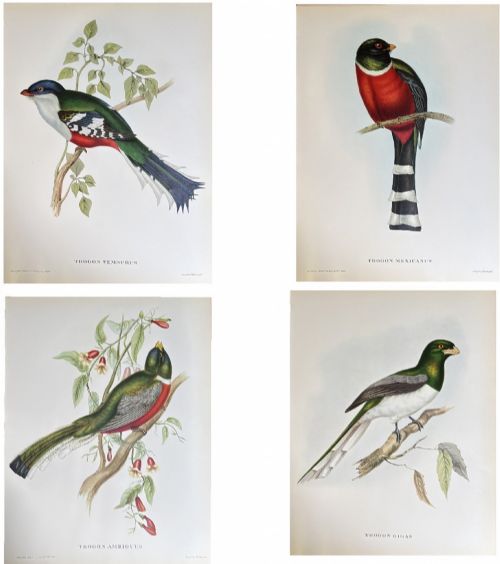
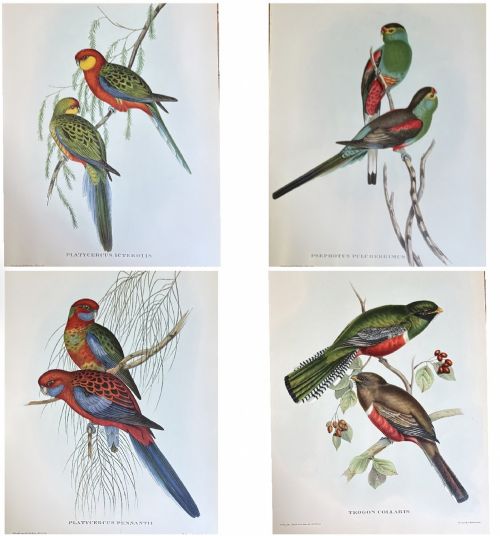
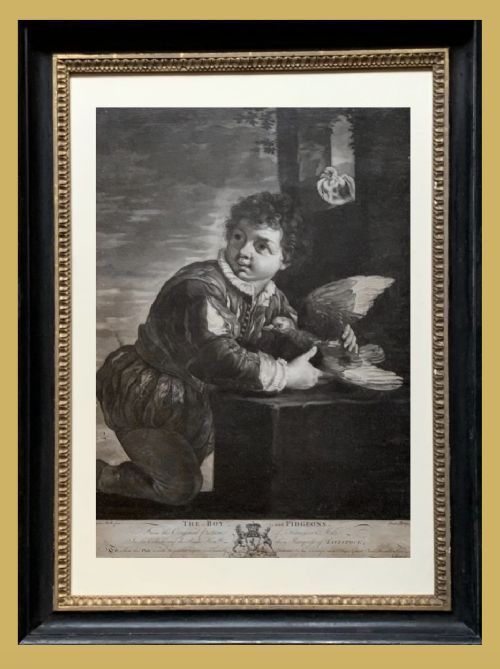
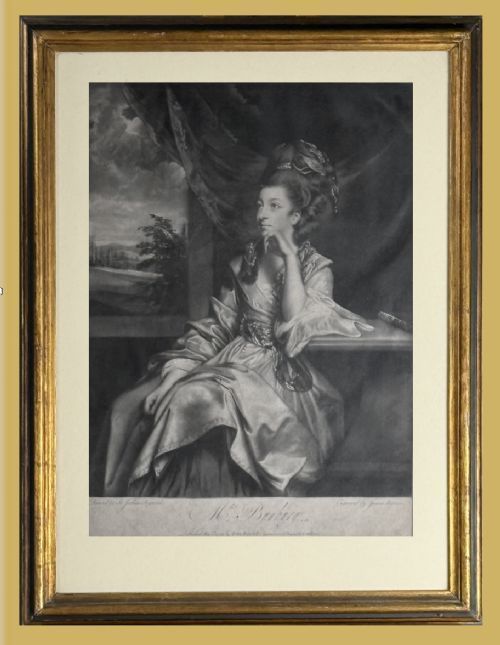

Antique Engraving Print
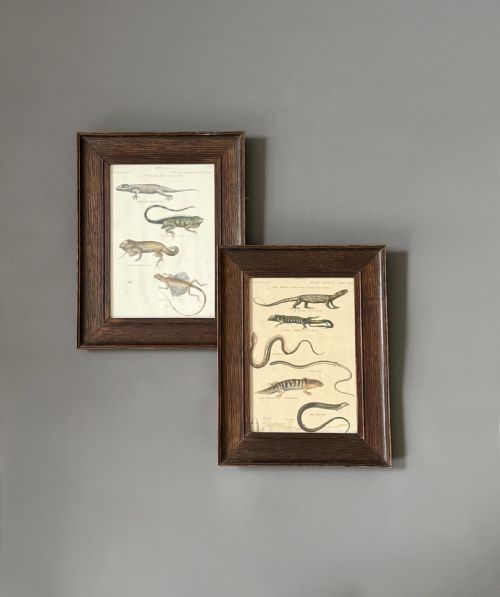
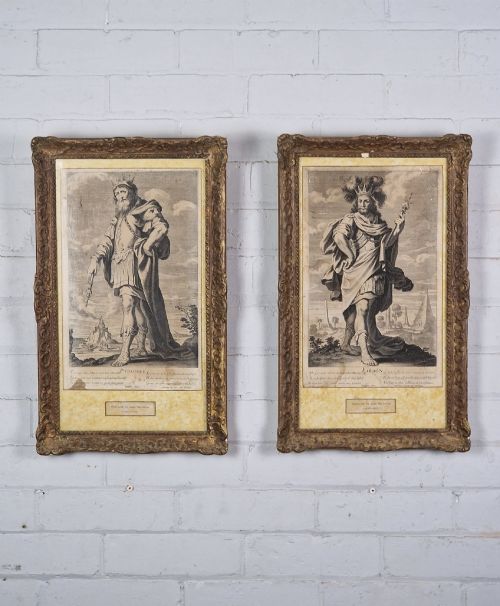
These antique engraving print pieces capture historic portraiture, natural history and topography on paper through skilled manual plates.
Antique Engraving Print
The antique engraving print category spans centuries of graphic work, capturing historical figures, natural history and architectural scenes. Pieces range from early portraits to later botanical plates and sporting subjects.
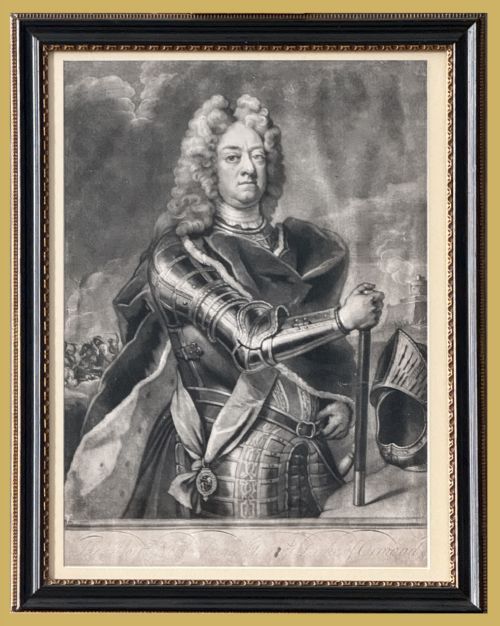
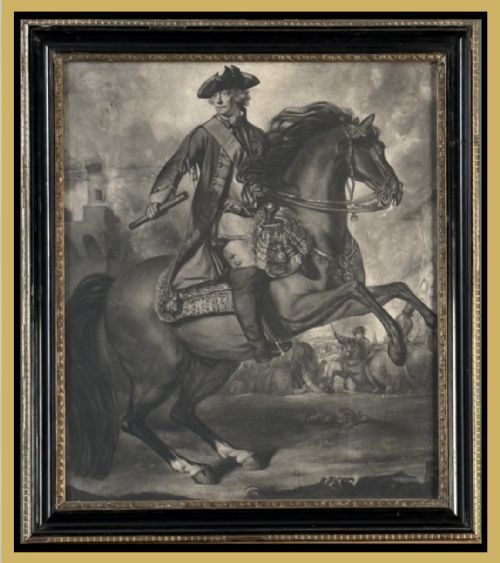
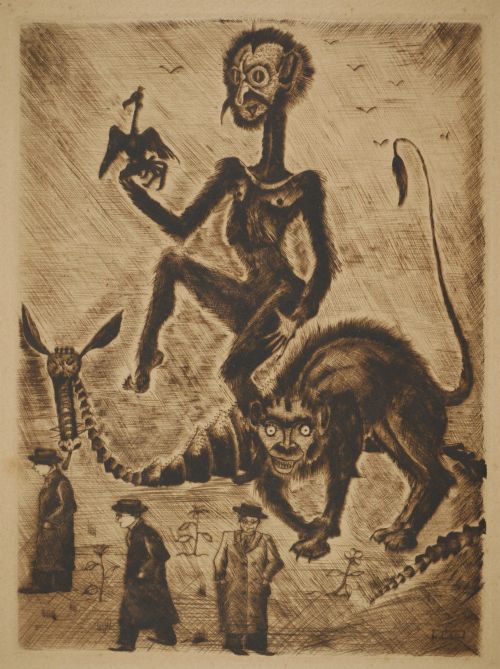
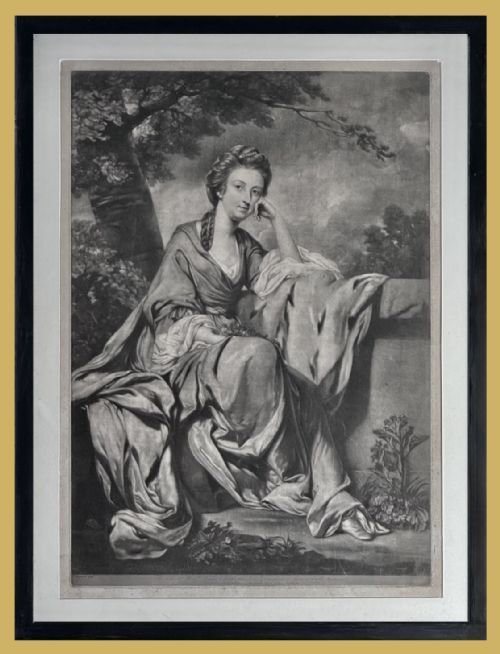
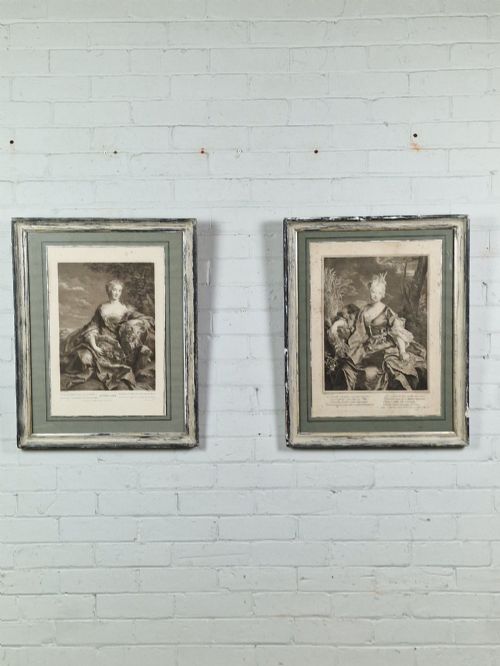
Buyers encounter eighteenth-century mezzotint portraits alongside nineteenth-century views and twentieth-century etchings. Subjects cover British royalty, classical allegories and topographical maps housed in period frames.
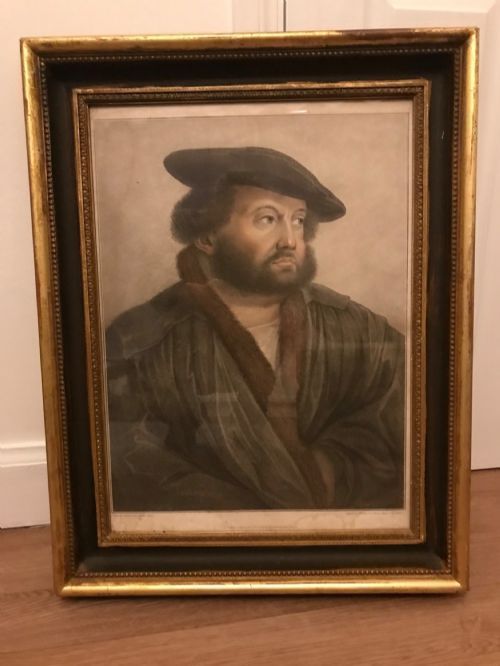
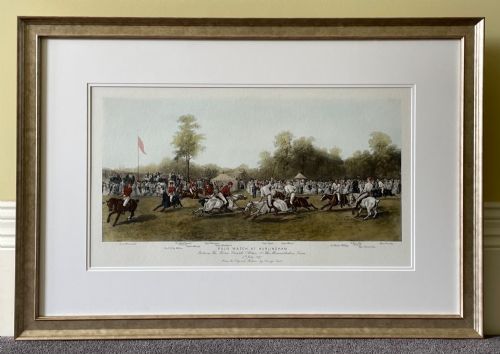
Many examples derive from known painters, translating oil paintings into ink on paper via talented engravers. Works appear singly or in sets, often retaining original hand colouring.
How They Were Made
Makers applied ink to incised metal plates, transferring delicate lines onto paper under pressure. Artisans frequently added hand colouring using watercolour washes over the printed image.
Frames utilise wood, giltwood and glass to protect the fragile paper sheets. Gold leaf accents occasionally highlight the borders of Georgian and Victorian mouldings.
An anatomical skeleton engraving shares space with tropical birds and polo matches.
What Varies in Quality
Impression strength dictates visual clarity, with early strikes from a fresh plate showing sharper detail than later printings. Crisp lines and rich tonal gradations separate superior plates from worn impressions.
The precision of contemporary hand colouring alters the aesthetic success of the sheet. Preservation of margins and paper stability also influence the character of surviving examples.
John Simon·Edward Fisher·Kurt Lorein Victor Peiser·John Boydell·James Watson·Francesco Bartolozzi·Jean Mariette·Herbert Dicksee·John Smith·Fletcher·Sebastiaan Vrancx·Peter Lely·Samuel Cooper·François Nicolas Martinet·Thomas Frye·Richard Purcell·James McArdell·Jeremiah Meyer·Valentine Green·W Dickinson·Andrew Bell·John Faber Snr·Hans Holbeini·Charles D Agar·Purcell
The Antique Engraving Print Glossary
- Stipple engraving
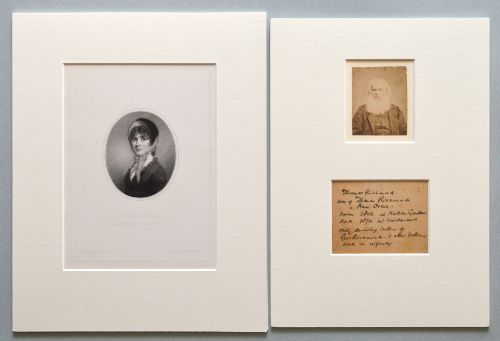
- A technique using dots of varying density to create tonal effects and flesh tones. It gained popularity for reproducing chalk drawings.
- Etching
- A method where acid bites lines into a metal plate covered with an acid-resistant ground. Artists draw freely through the ground to expose the metal.
- Lithograph
- A planographic printing process based on the antipathy of oil and water using limestone or metal plates. It captured lively scenes and uniform runs in the nineteenth century.
- Giltwood
- Wood carved and coated with gold leaf or metallic paint. It provides ornate framing for formal historical subjects.
Antique Engraving Print: Frequently Asked Questions
How should I frame antique prints?
Protect the paper behind glass with conservation-grade mounts that keep the sheet from touching the glazing. This prevents moisture damage and preserves the ink.
Select wood or giltwood mouldings that complement the period of the image. Simple Hogarth frames suit eighteenth-century subjects well.
What is a mezzotint portrait?
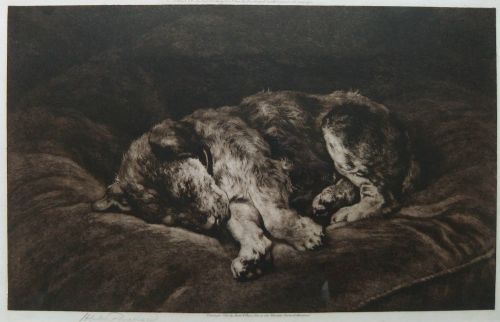
A mezzotint is a print created by roughening a metal plate to hold ink for rich dark areas, then smoothing spots for highlights. This technique produces velvety dark backgrounds and subtle skin tones.
Such portraits frequently reproduce paintings by prominent artists of the seventeenth and eighteenth centuries.
Are these prints hand coloured?
Many examples feature original watercolour washes applied by hand after the ink impression was pulled. This adds vibrant tones to botanical plates, maps and satirical scenes.
Examine the pigment under magnification to confirm whether colour sits on top of the printed lines.
How do I identify the print technique?
Look closely at the surface using a magnifier to distinguish between continuous lines, dotted stipple patterns and tonal areas of mezzotint. Plate marks around the image boundary indicate intaglio printing methods.
Signatures in the margin often record the engraver and the original painter alongside publication dates.