



Victorian Wall Art Print
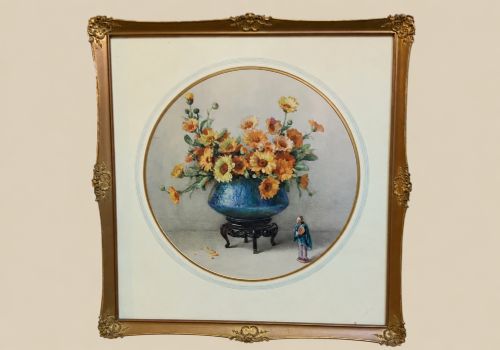
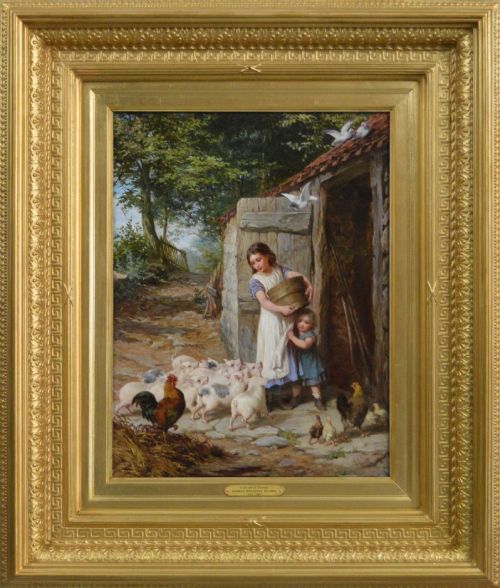
These pieces of victorian wall art print bring 19th-century subjects and scenes into contemporary rooms.
Victorian Wall Art Print
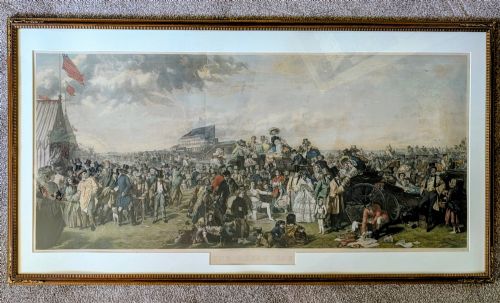
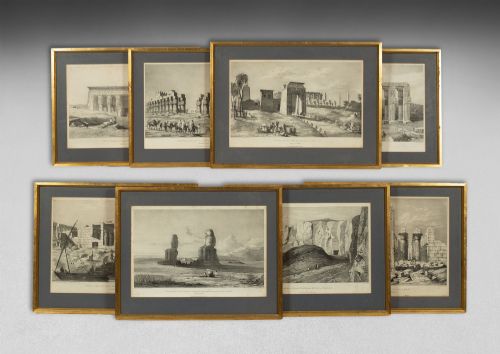
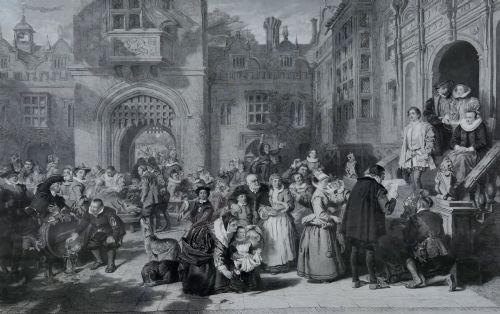
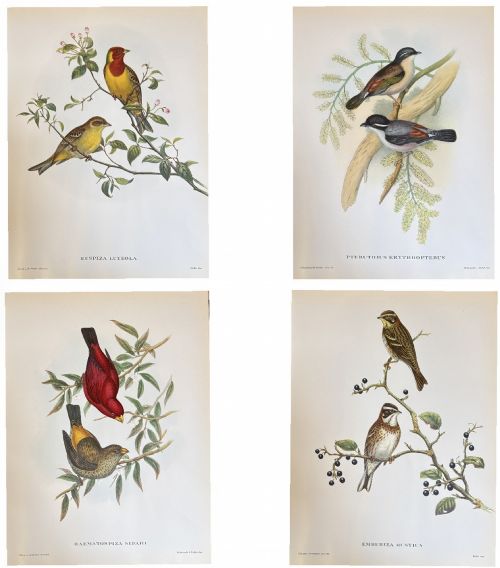
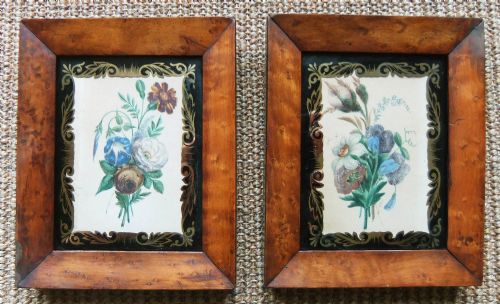
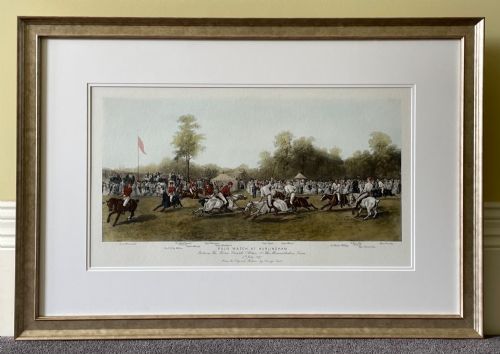
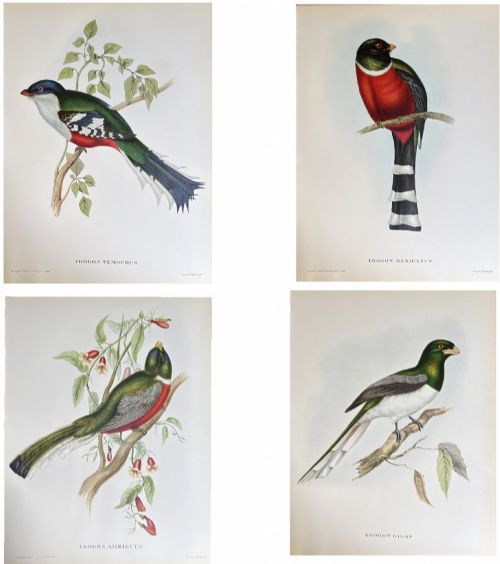
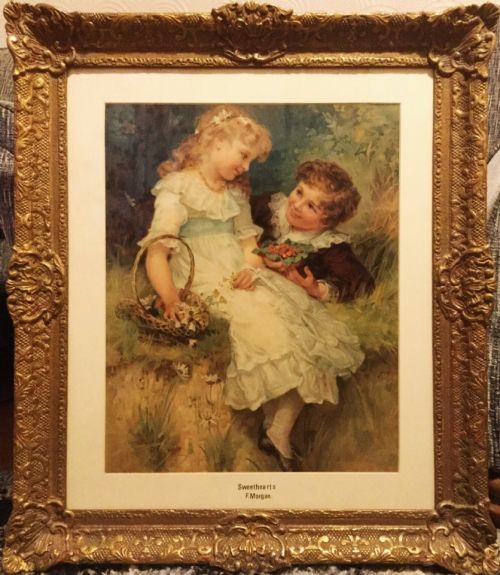
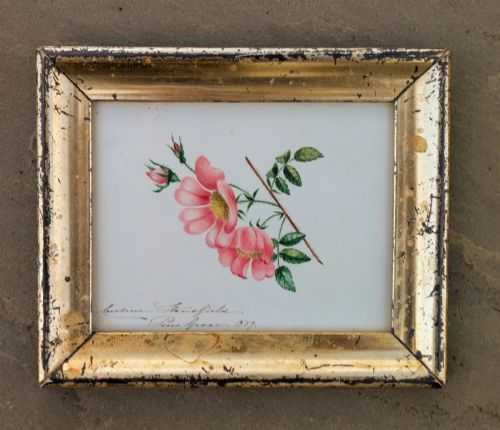
A victorian wall art print encompasses framed works on paper, lithographs, engravings, and photogravures produced during the nineteenth century and associated eras. The selection on this page ranges from natural history studies and botanical watercolours to sporting scenes and genre prints.
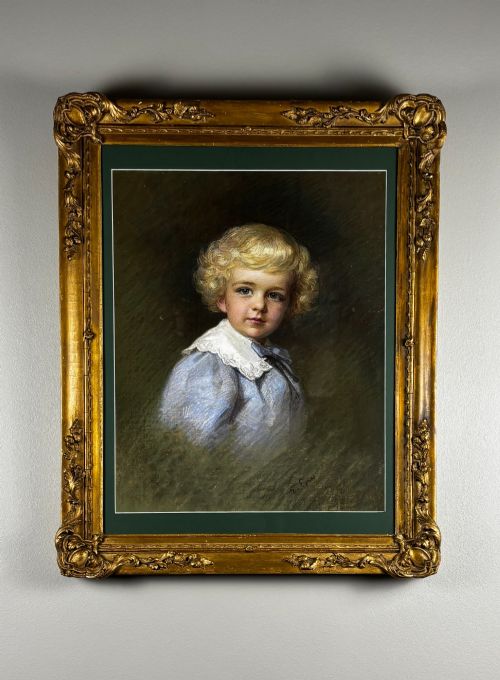
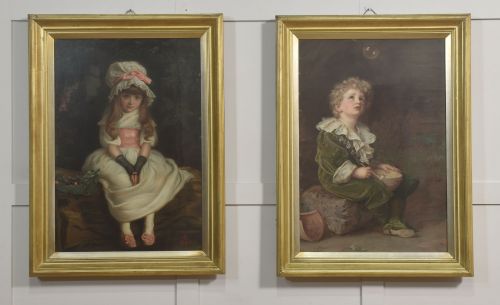
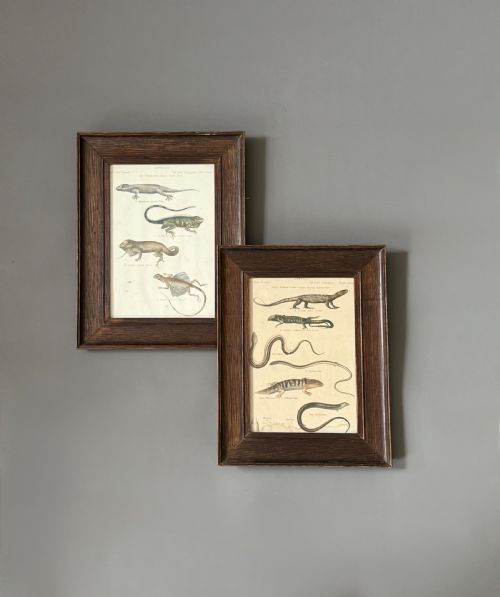
Buyers encounter individual sheets, matched pairs, and larger sets depicting animals, landscapes, and portraits. Many retain their original frames in oak, rosewood, or gilt wood.
The materials span printed ink on paper, hand-coloured watercolours, and occasional oil paintings or glazed compositions. Subjects extend from tropical birds and reptiles to architectural views of Egypt and domestic farmyard scenes.
How they were made
Printmakers utilised techniques such as lithography, chromolithography, engraving, etching, and photogravure to reproduce original artworks and scientific illustrations. Hand-colouring was frequently applied with watercolours over printed outlines.
Framing materials combined wood such as oak, rosewood, and gilt wood with glass glazing to protect delicate paper surfaces from moisture and handling.
Victorian Wall Art Print Retail Price Guide 2026
Typical asking prices for victorian wall art print among the pieces listed under this phrase on Sellingantiques today, from the lower quarter to the upper quarter. They describe what is for sale here now, not the wider market.
Listings include 19th-century lithographs, engravings, and watercolours set in oak, rosewood, and gilt wood frames.
What varies in quality
Quality rests on the crispness of the impression, the accuracy of hand-applied colour, and the preservation of the paper surface against fading or foxing. Original framing matching the period of the artwork elevates the integrity of the piece.
Works by noted artists, engravers, or publishers demonstrate superior draftsmanship and command greater attention than generic decorative prints from later decades.
Emily Eyres·William Bird MD FLS·Alfred Young Nutt·Frederick Morgans·David Bates·William Powell Frith·Robert W. Macbeth·George Augustus Holmes·David Roberts·Frederick Walker·George Finch Mason·TB Hardy·Herbert Dicksee·Herbert Gustave Schmaltz·J. C. Dollman·Horatio Henry Couldrey·John Alfred Wheeler·Edwin Henry Landseer
The Victorian Wall Art Print Glossary
- Lithograph
- A planographic print created from a flat stone or metal plate. The technique allows for fluid lines and subtle tonal gradations.
- Engraving
- A printmaking method where lines are cut directly into a metal plate with a burin. This produces sharp, precise details.
- Chromolithograph
- A multi-coloured print produced using separate stones for each colour layer. It yields rich, saturated hues.
- Photogravure
- A photographic image printed from an etched copper plate. This process captures deep continuous tones.
- Aquatint
- An intaglio printmaking variant that produces tonal areas resembling watercolour washes. It is frequently employed in sporting prints.
Victorian Wall Art Print: Frequently Asked Questions
How should I hang framed paper prints safely?
Keep framed paper prints away from direct sunlight and damp walls to prevent fading and foxing. Secure them with appropriate wall fixings suited to the weight of the wood frame and glass.
Position them at eye level to appreciate the fine details of the engraving or watercolour.
What subjects are typical for these prints?
Typical subjects include natural history studies of birds and reptiles, botanical flower arrangements, landscape watercolours, and horse racing scenes. Domestic genre scenes and architectural views also feature prominently.
Many depict animals, portraits, and narrative sporting moments from the nineteenth century.
How do I identify a chromolithograph from a watercolour?
Examine the surface under magnification to check for the dotted or patterned ink matrix characteristic of printed methods. Watercolours display continuous pigment washes and brush texturing without a mechanical dot pattern.
Original paintings also show distinct paper depression from brush pressure.
Are these pieces in their original frames?
Many items retain period frames made of oak, rosewood, or gilt wood, sometimes noted as original Hogarth frames. Others may have been reframed during subsequent conservation.
Inspect the backboards and fixings for signs of age that match the date of the print.