









Antique Engraved Goblet
An antique engraved goblet is a vessel made to mark an occasion, shaped in glass, silver, or silver plate.
Antique Engraved Goblet
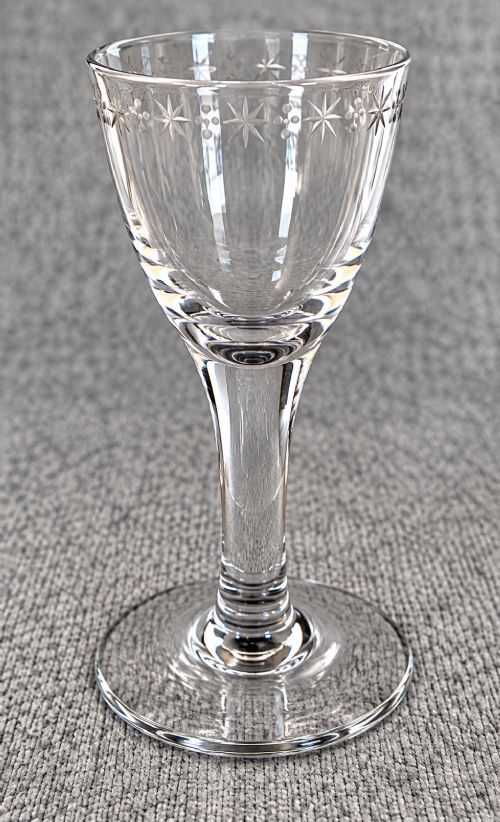
When searching for an antique engraved goblet, collectors encounter drinking vessels spanning the eighteenth and nineteenth centuries, taking the form of rummers, wine glasses, dram glasses, and ceremonial cups. These pieces range from small dram and ale glasses to massive ceremonial beakers and church chalices.
The English and continental examples on this page cover periods from early Georgian balustroides and Jacobite wine glasses to Victorian lead-crystal rummers and silver-plated tankards. Glassware dominates the selection, though sterling silver and silver-plated metal cups appear among the offerings.
How they were made
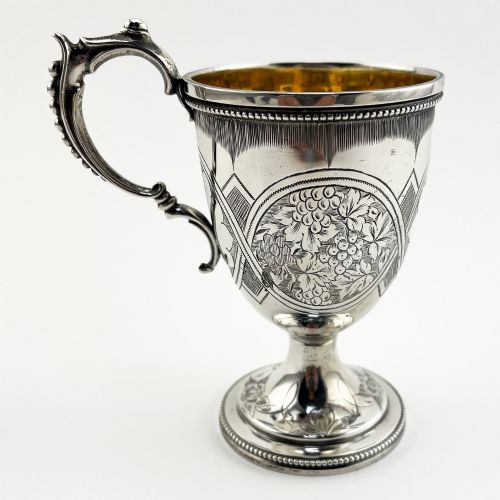
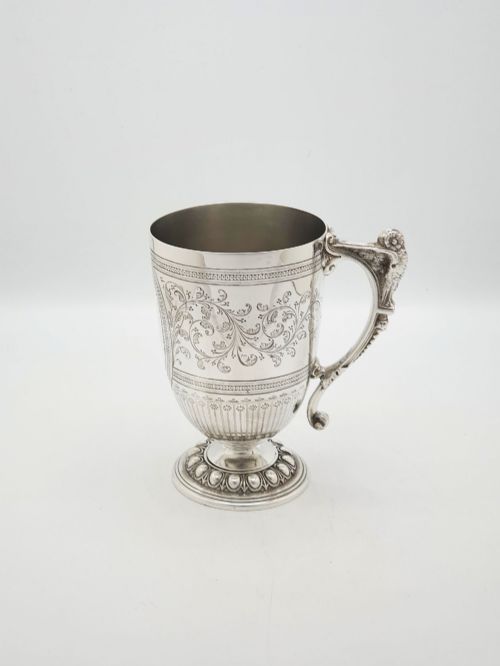
The glass pieces are formed from lead crystal, flint glass, and clear glass, shaped by blowing and often finished with cut stems or faceted bowls. Metal versions utilise sterling silver, old Sheffield plate, and silver plate, sometimes incorporating chased decoration or applied handles.
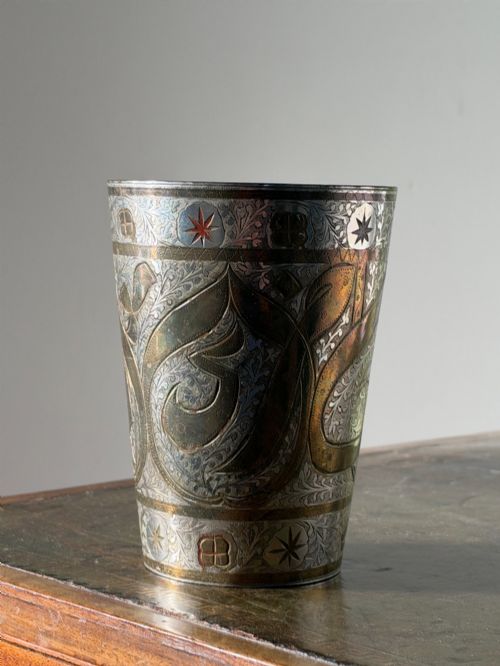
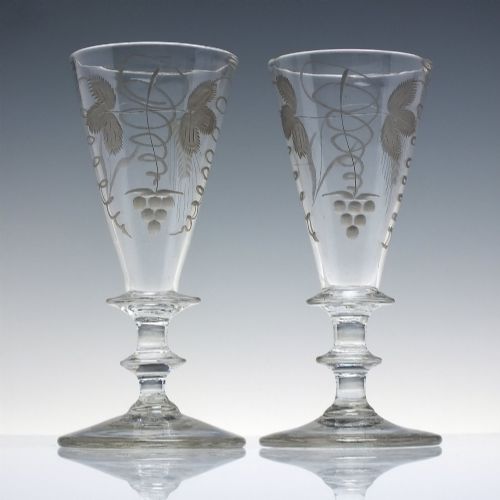
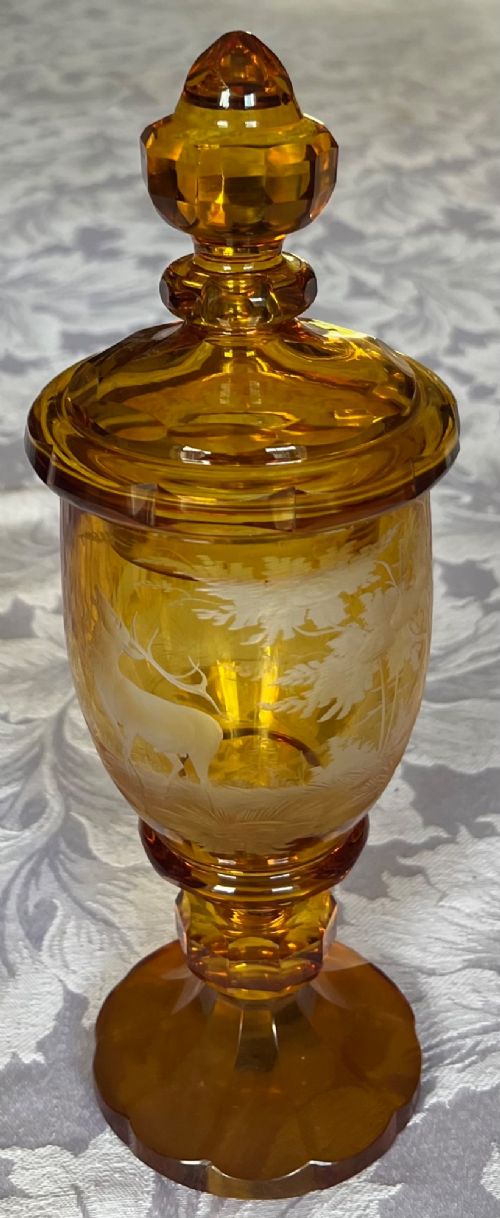
Decoration is applied through wheel-engraving, diamond-point etching, or machine engraving. Artisans cut floral motifs, armorials, cyphers, and commemorative scenes directly into the surface of the material.
Antique Engraved Goblet Retail Price Guide 2026
Typical asking prices for engraved goblet among the pieces listed under this phrase on Sellingantiques today, from the lower quarter to the upper quarter. They describe what is for sale here now, not the wider market.
Listings feature lead crystal, sterling silver, and silver plate across the eighteenth and nineteenth centuries.
What varies in quality
Quality rests upon the crispness and depth of the engraving, alongside the clarity and weight of the metal or glass body. Pieces featuring detailed armorials, portraits, or named figures demand greater skill than those bearing simple floral bands.
The complexity of the stem formation also dictates standard, with multi-spiral air twists and opaque twists requiring high technical proficiency from the glassblower compared to plain or faceted stems.
Thomas Hudson·Henry Holland·Joseph Keller
The Antique Engraved Goblet Glossary
- Rummer
- A large heavy drinking glass popular in the eighteenth and nineteenth centuries, often used for ale, beer, or wine.
- Baluster
- A heavy, swelling stem form on drinking glasses, typical of earlier Georgian manufacture.
- Opaque twist
- A glass stem enclosing fine white or coloured enamel threads drawn into spiral patterns.
- Air twist
- A stem featuring internal threads of trapped air pulled into a corkscrew shape during manufacture.
- Chalice
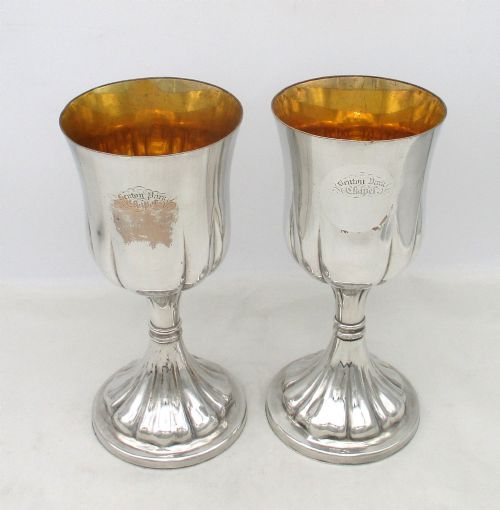
- A large ceremonial cup, frequently found in silver or silver plate for church use.
Antique Engraved Goblet: Frequently Asked Questions
What were antique engraved goblets used for?
These vessels served everyday dining, formal toasts, and significant ceremonies. Many marked specific political loyalties, marriages, or fraternal memberships.
Larger rummers and chalices held ale, wine, or spirits at gatherings, while silver examples often functioned as christening mugs or presentation trophies.
How do I date an antique glass goblet?
Dating relies on the combination of bowl shape, metal composition, and stem construction. Eighteenth-century pieces frequently feature baluster, plain, or twisted stems with pontil marks on the base.
Nineteenth-century examples tend to display heavier press-moulded or faceted bodies, machine engraving, and broader foot bases.
Are all engraved goblets made of glass?
While the majority consist of lead crystal or flint glass, many are forged from sterling silver, silver plate, or old Sheffield plate. Metal vessels often take the form of church chalices, tankards, or christening mugs.
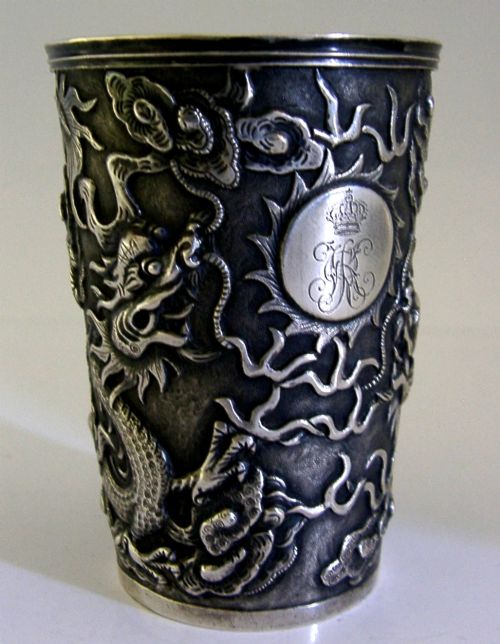
Some unusual pieces combine glass bodies with silver mounts or feature detailed engraving on Chinese export silver.
How should I display my goblet?
Glass goblets benefit from stable shelving away from direct sunlight to preserve the clarity of the lead crystal. Avoid placing heavy pieces near shelf edges.
Silver and silver-plated cups require occasional gentle cleaning to maintain their finish without abrasive polishes wearing down the engraved details.