
Antique English Writing Desk
Discover an antique english writing desk to bring functional history into a study with authentic period craftsmanship.
Antique English Writing Desk
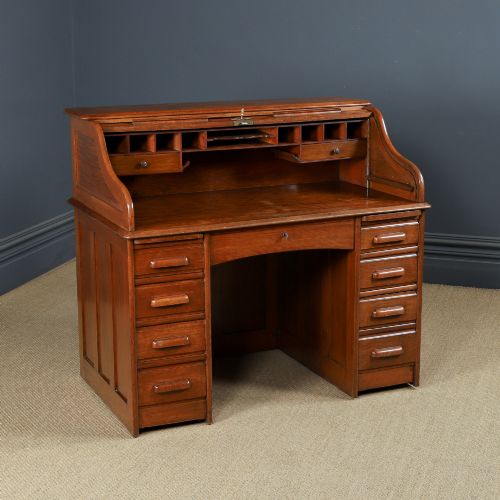
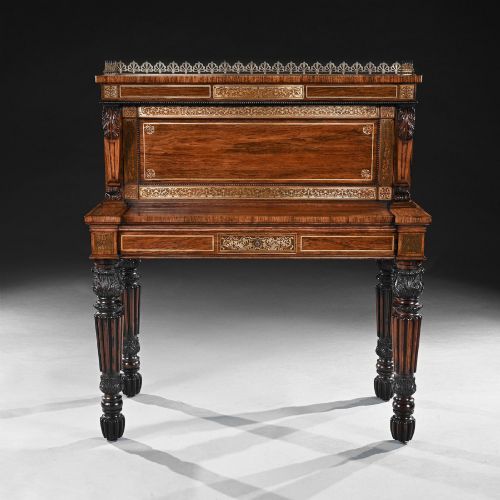
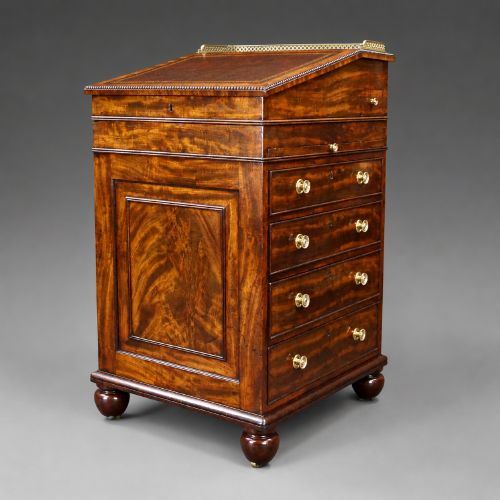
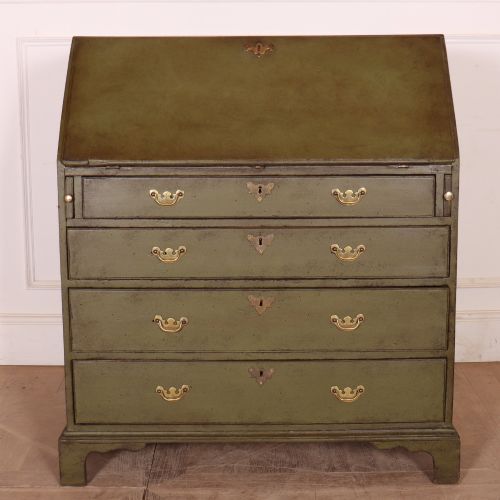
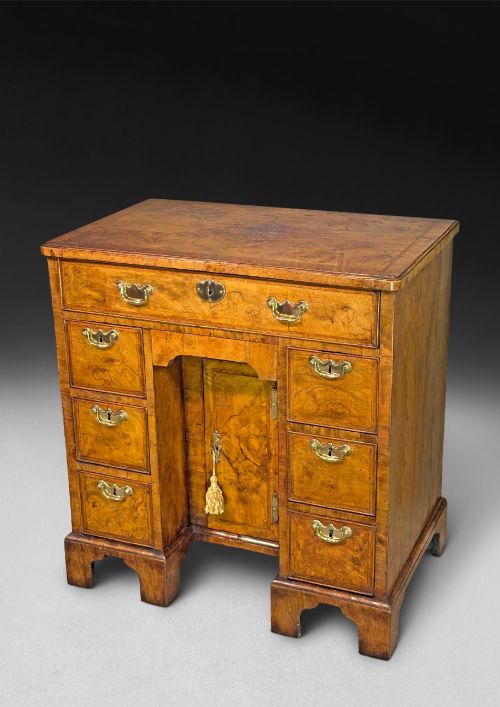
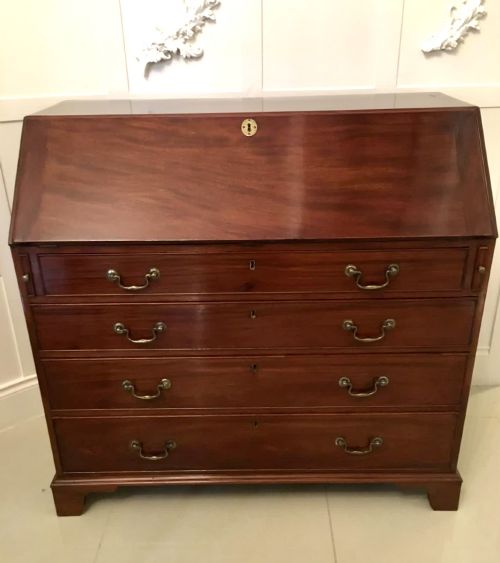
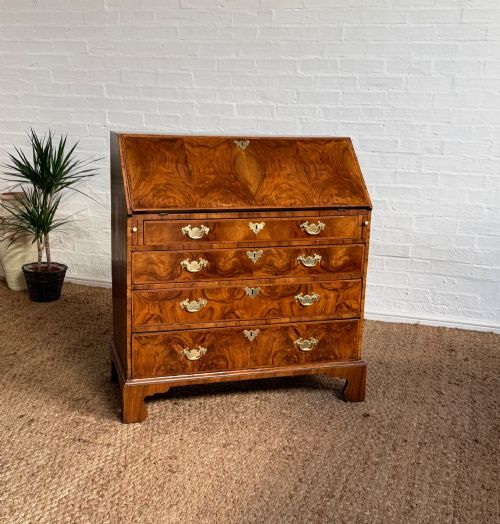
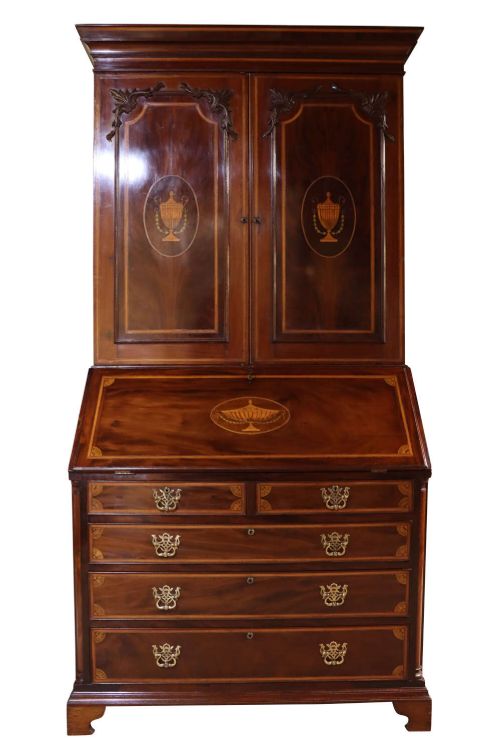
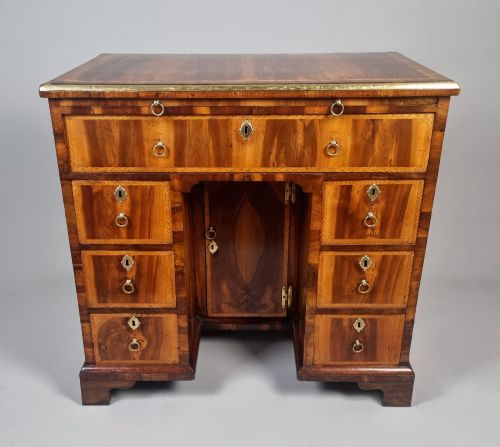
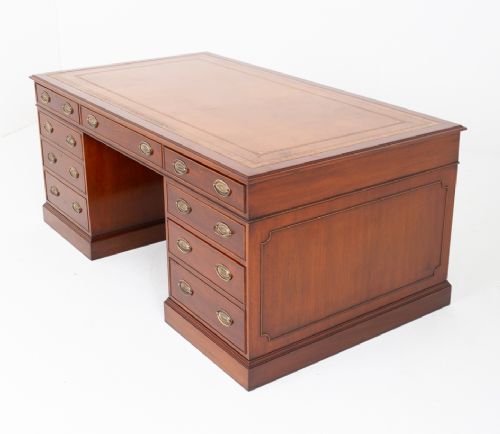
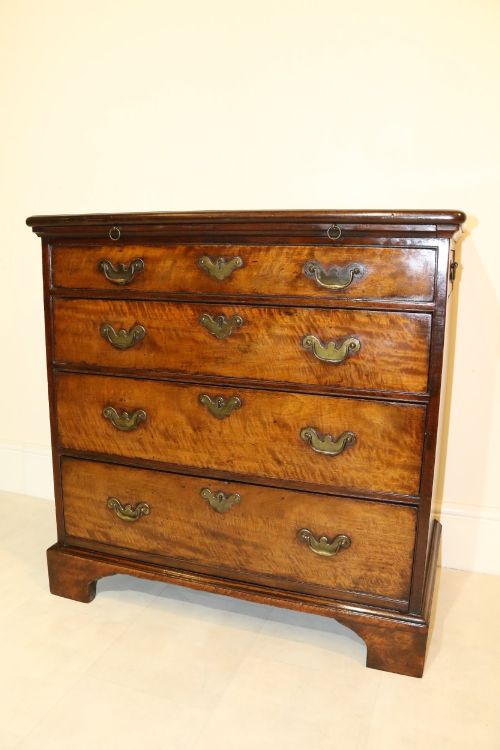
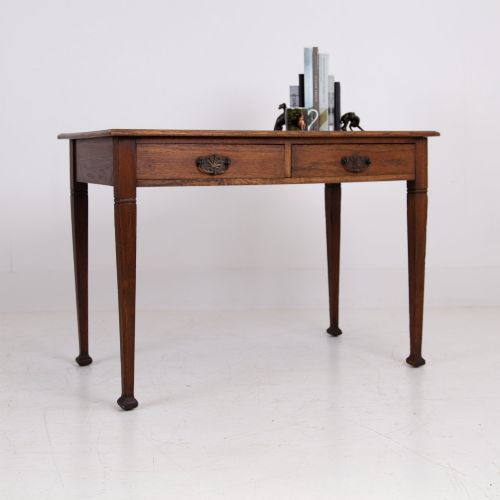
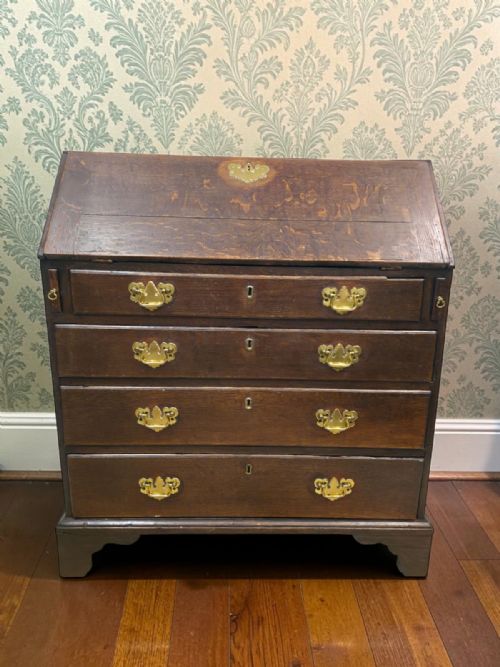
An antique english writing desk encompasses a diverse range of forms designed for correspondence, study, and administrative work across multiple centuries. Buyers encounter versatile configurations including compact kneehole desks, sloping fall-front bureaux, expansive partner tables, and tiered Davenport models.
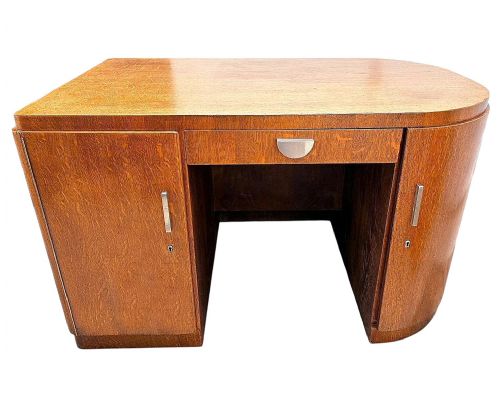
Originating from periods spanning the seventeenth century through the Art Deco era of nineteen thirty, these pieces reflect the changing domestic and professional needs of their times. Oak, mahogany, and walnut provide the primary structural foundation for these historical work surfaces.
The selection ranges from early provincial oak lowboys to refined George III mahogany bureaux and sophisticated Regency writing tables. Each form serves specific domestic tasks, from the casual parlour correspondence to formal library administration.
How They Were Made
Cabinetmakers utilised robust native and imported timbers, selecting figured walnut, flame mahogany, burr elm, and solid oak for primary surfaces and structural integrity. Brass hardware, leather inserts, and delicate inlay work completed the construction of finer examples.
Joinery methods evolved from pegged and panelled seventeenth-century techniques to sophisticated eighteenth-century dovetailing and nineteenth-century industrial workshop production. Surfaces received hand-applied finishes that developed rich patinas over centuries of use.
What Varies in Quality
The grading of an antique english writing desk depends significantly on the choice of timber veneer, such as highly figured walnut or premium flame mahogany, matched symmetrically across primary drawers and writing surfaces. Superior examples retain their original brass handles, locks, and fitted interior compartments.
Construction nuance separates standard utility furniture from pieces produced by skilled workshops and prominent makers. The crispness of carved details, the tightness of dovetail joints, and the survival of an authentic leather writing insert all contribute to desirability.
Gillows Oxford Street Workshop·Spillman And Co·Angus Of London·James Shoolbred·Maple And Co London
The Antique English Writing Desk Glossary
- Bureau
- A writing cabinet featuring a sloping fall-front flap that opens to reveal a fitted interior of small drawers and pigeonholes.
- Davenport
- A compact pedestal desk characterised by a sloping writing surface and a set of drawers accessed from the side.
- Lowboy
- A small seventeenth or eighteenth-century side table equipped with one or more tiers of drawers beneath the top surface.
- Partners Desk
- A large double-sided pedestal desk designed to accommodate two people working opposite one another.
- Writing Slope
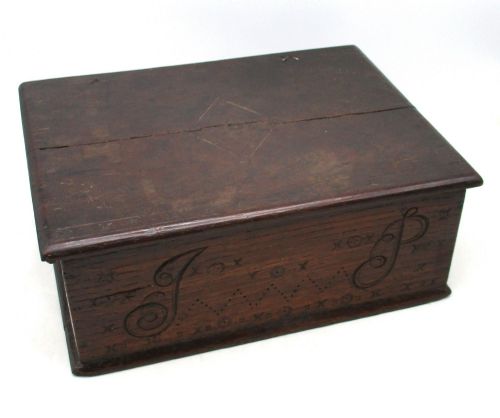
- A portable desktop box that opens to form an inclined writing surface with internal storage compartments for stationery.
Antique English Writing Desk: Frequently Asked Questions
Where were partners desks used?
Partners desks served administrative duties in large libraries, studies, and offices.
Their double-sided configuration allowed two individuals to work simultaneously facing each other.
How do I care for leather tops?
Leather writing surfaces require gentle cleaning with a slightly damp cloth.
Specialist leather balms help prevent drying and cracking over time.
What is a kneehole desk?
A kneehole desk provides a central recess for the user to sit comfortably.
Columns of drawers flank this central space on either side.