

Antique English Watercolour Picture
An antique english watercolour picture brings nineteenth-century landscapes and rural scenes into your room through delicate pigment on paper.
Antique English Watercolour Picture
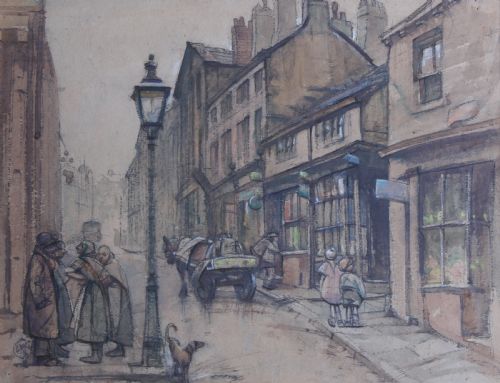
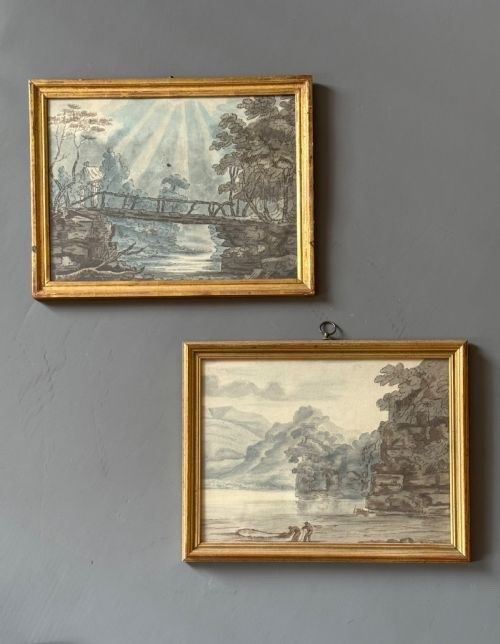
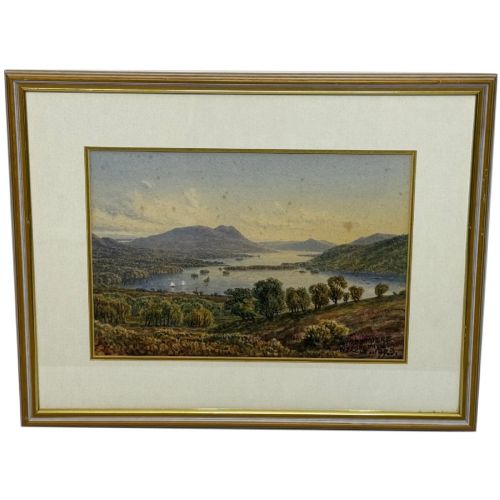
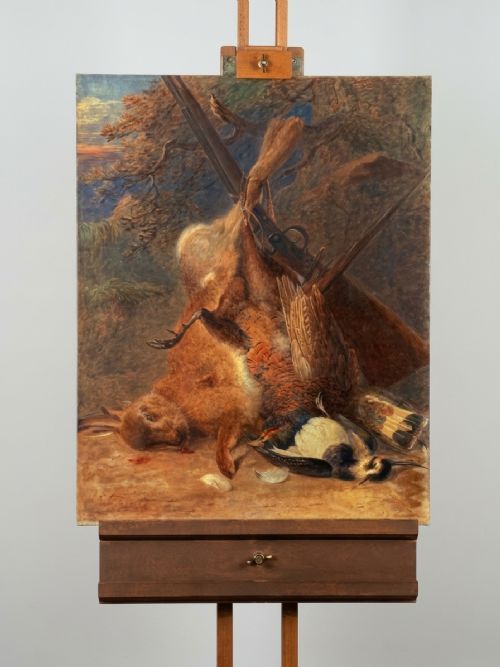
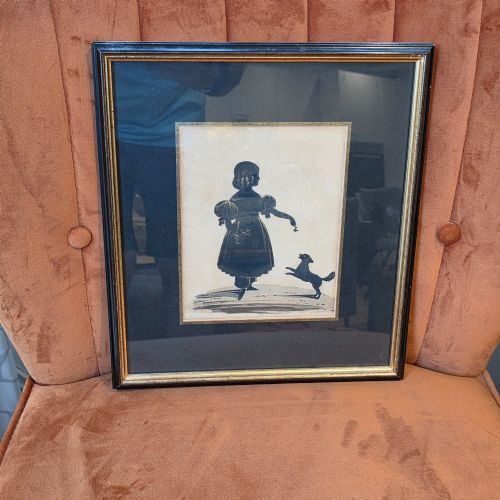
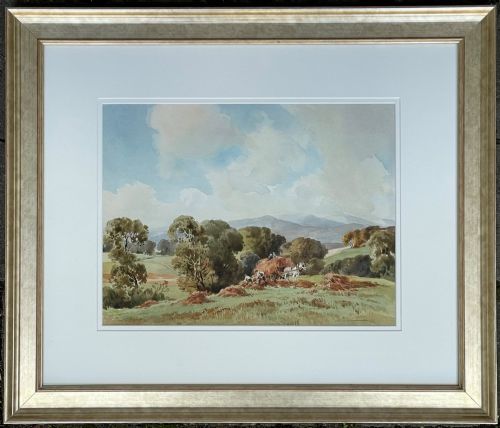
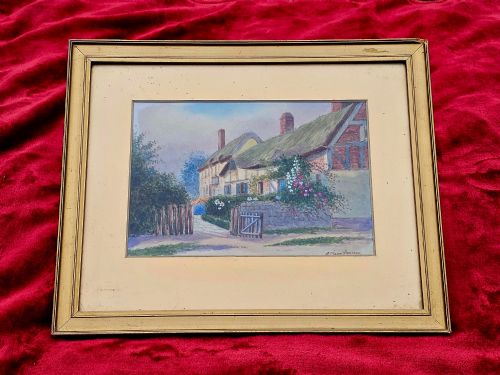
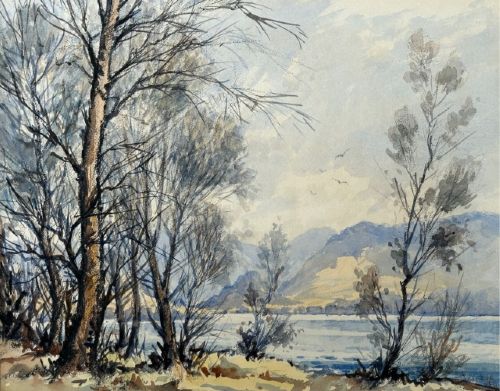
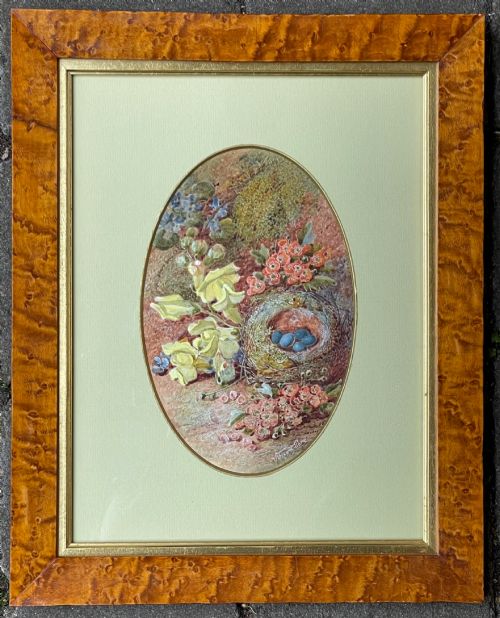
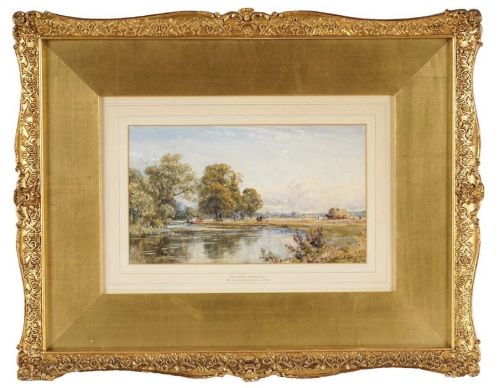
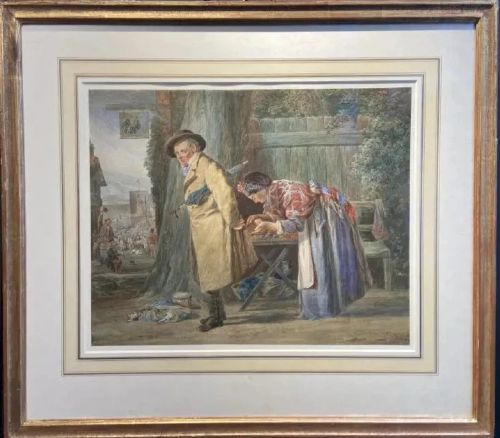
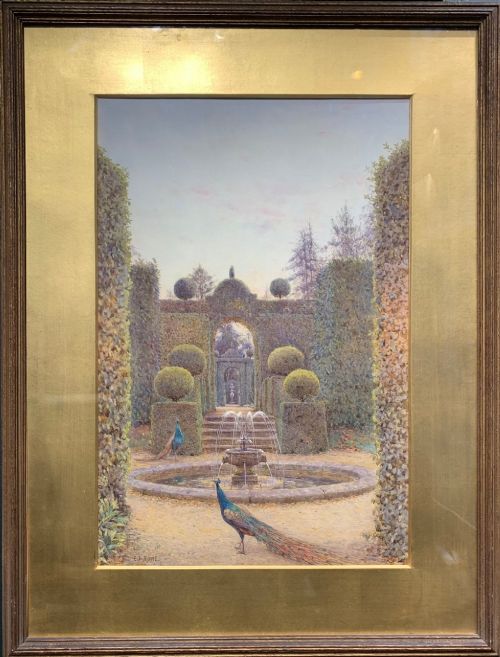
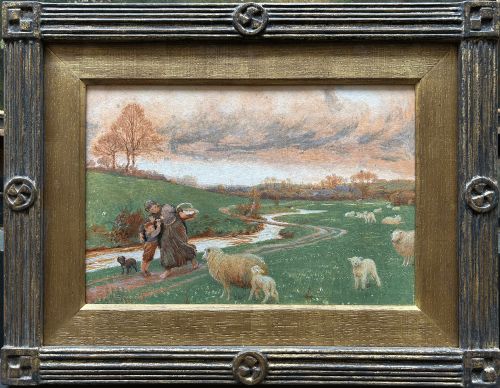
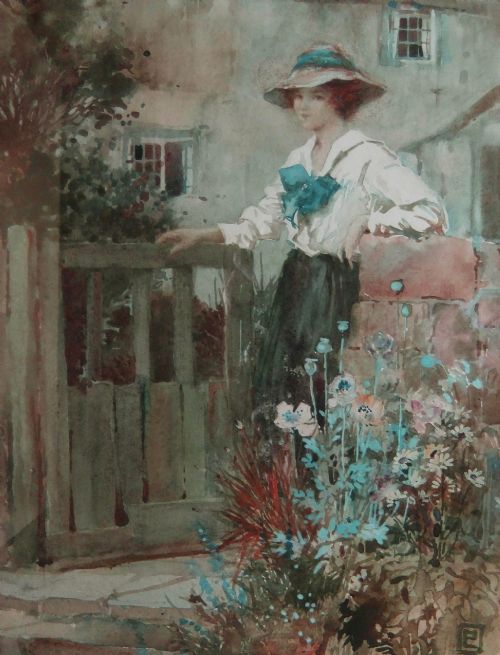
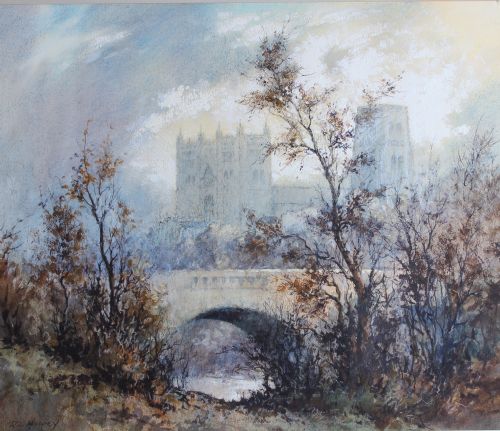
When you search for an antique english watercolour picture, you are looking at works on paper created primarily during the Victorian and Edwardian periods. These pieces range from pastoral river landscapes and coastal views to botanical studies and animal portraits.
The versions you will most commonly encounter on this page date from the nineteenth century up to the early twentieth century. They often depict recognizable British scenes, including Yorkshire landscapes, Dorset coastlines, and rural farmyards.
Many of these works remain housed within their original timber and gilt frames, sometimes protected beneath glass. They represent the domestic fine art produced by British artists working across various counties during the modern era.
How they were made
Artists applied watercolour pigment, and occasionally bodycolour or gouache, directly onto paper supports. Pencil underdrawings frequently remain visible beneath the washes, mapping out architectural or landscape elements.
Completed paintings were mounted behind glass and secured within wooden frames finished with gold leaf or gilt paint to complement the artwork.
Subjects span pastoral English landscapes, coastal fishing harbours, botanical studies, and depictions of domestic animals.
What varies in quality
The success of a piece depends on the surety of the brushwork and the artist's handling of light and atmospheric depth across the paper. Stronger compositions capture specific weather conditions and topographical detail with confidence.
The preservation of the pigment also influences the work, as stable colours retain their original tone without excessive fading from past exposure to light. Additionally, the presence of a period-appropriate gilt frame contributes to the integrity of the piece.
William James Hubard·George Sydney Shepherd·Alfred Young Nutt·Percy Lancaster·A Marie Parsons·Vincent Clare·Robert Thorne Waite·Joseph H Barnes·Ernest Arthur Rowe·Frederick Walker·Robert Leslie Howey·David Cox·Herman S Melville·Charles Edward Wilson·Alfred George Morgan·Thomas Cooper Moore·John Bedloe Goddard·Charles Gregory·Henry Charles Fox·Arthur Wardle·Robert Little·Harry Wanless·Arthur Reginald Smith·Cuthbert Crossley·Fred Lawson
The Antique English Watercolour Picture Glossary
- Watercolour
- A painting method in which the pigments are suspended in a water-based solution. It relies on the white of the paper showing through translucent washes of colour.
- Bodycolour
- An opaque watercolour paint made by mixing white pigment with regular watercolour. Artists used it to add highlights and solid areas of light to a composition.
- Gouache
- A heavy, opaque water-based paint similar to bodycolour. It provides flat, matte areas of colour that contrast with transparent watercolour washes.
- Gilt Wood
- Wood that has been coated with a thin layer of gold leaf or metallic paint. It is commonly found on the frames housing nineteenth-century pictures.
- British Impressionism
- A painting style adopted by British artists focusing on light, fleeting moments, and everyday scenes. It emerged strongly in late nineteenth-century works.
Antique English Watercolour Picture: Frequently Asked Questions
How do I care for a watercolour?
Keep the picture away from direct sunlight to prevent the pigments and paper from fading over time. Maintaining a stable indoor humidity helps protect both the paper support and the wooden frame.
Ensure the glass remains sealed against dust and moisture while avoiding damp walls where the paper might attract mildew.
Are these paintings usually signed?
Many pieces feature artist signatures or initials, frequently placed discreetly in one of the lower corners of the paper. Other works remain unsigned, representing output from regional British schools or studio practice.
Examine the brushwork and paper characteristics to help identify the hand behind unsigned works.
What frames come with these pictures?
A large portion of these works retain their original nineteenth-century timber frames, often finished with gilt leaf or moulded ornamentation. These period frames are matched to the scale of the painting.
Some pictures may feature later replacement frames selected to complement the tone of the watercolour.