



Antique English Stoneware
Antique english stoneware offers dense, durable pottery shaped in centuries past for domestic and tavern use.

Antique English Stoneware
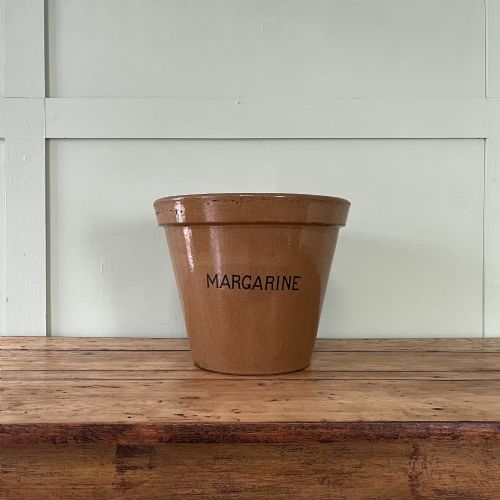
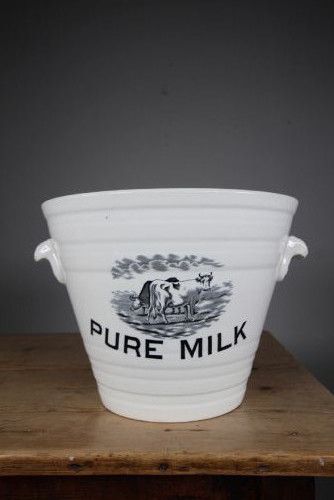
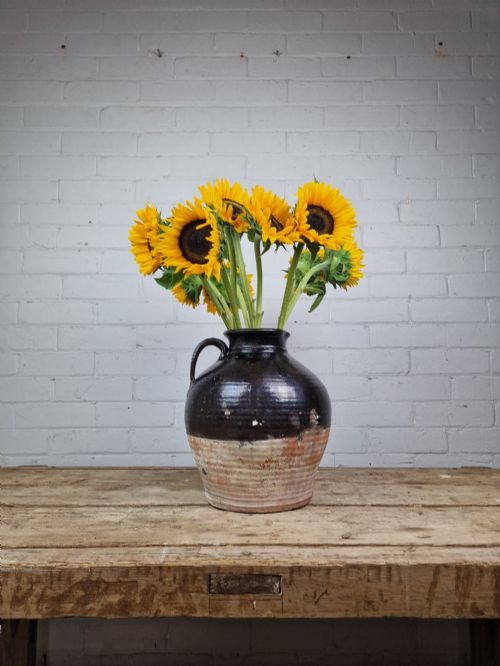
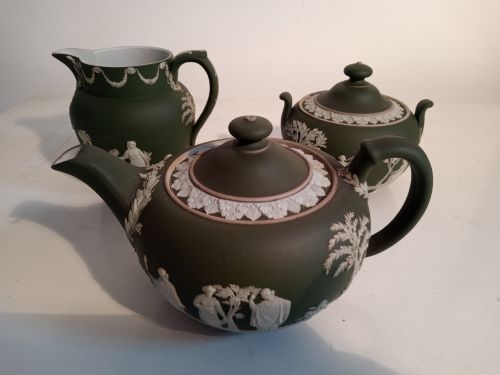
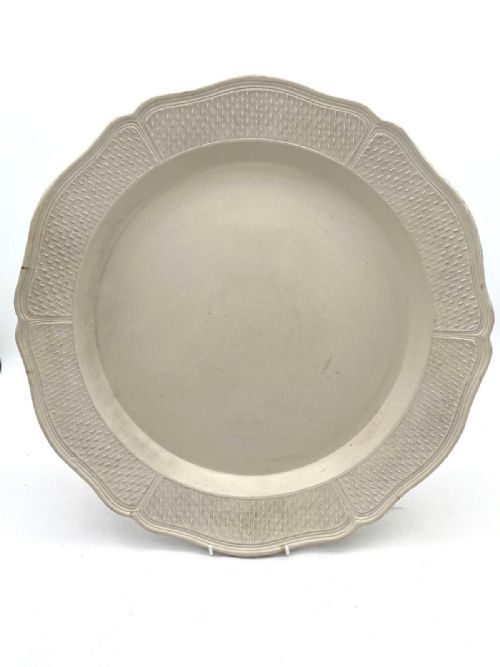
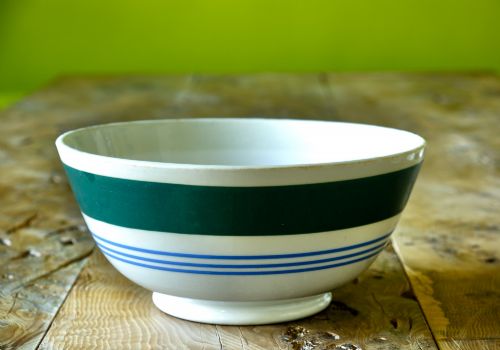
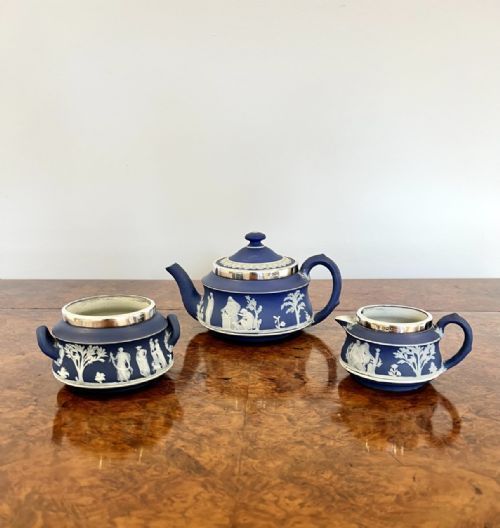
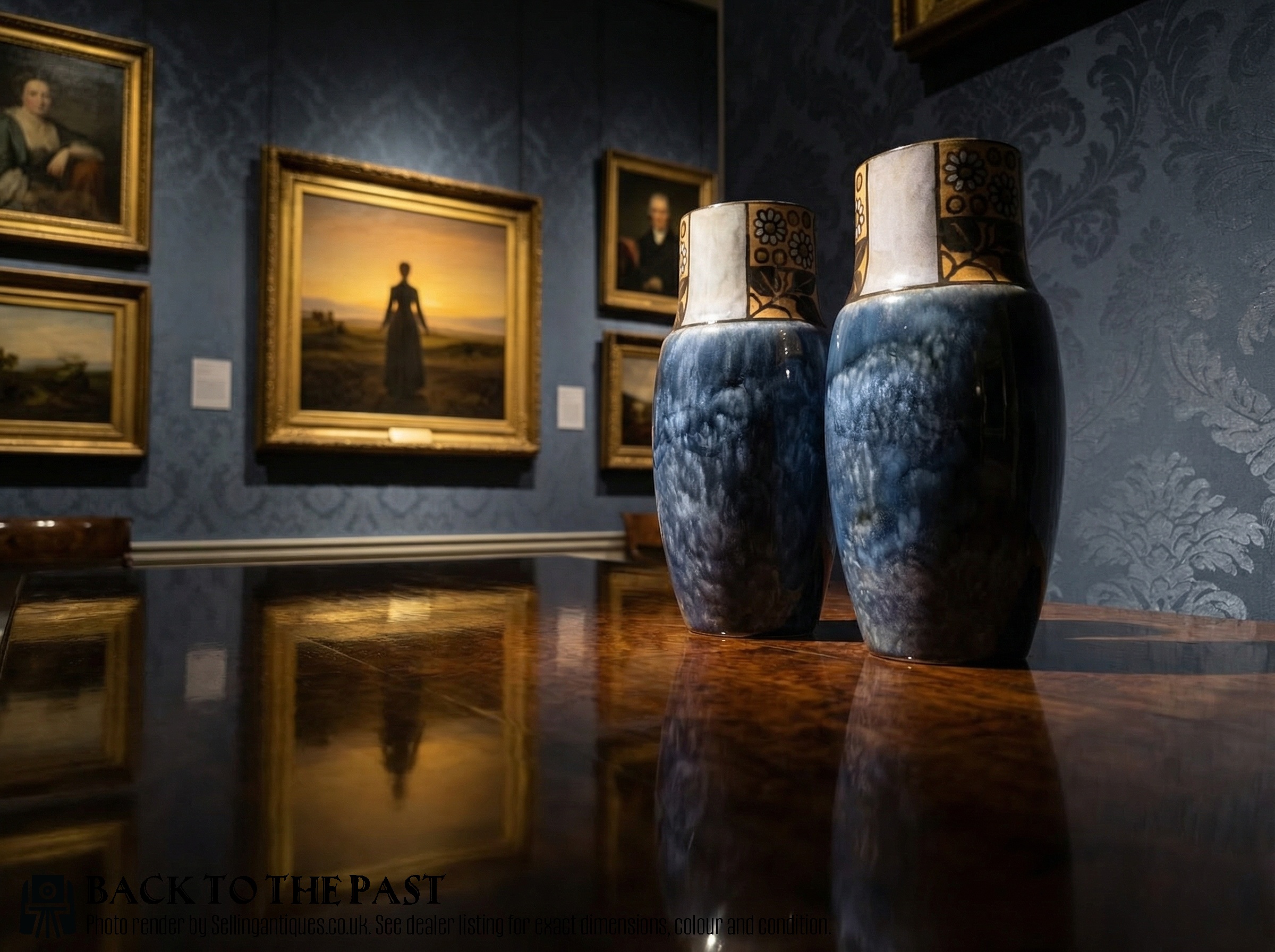
When you search for antique english stoneware, you encounter utilitarian and decorative vessels created from vitrified clay across the eighteenth, nineteenth and early twentieth centuries. The selection spans sturdy dairy pails, margarine bowls and tavern jugs alongside highly decorated Victorian vases, tygs and commemorative tea sets.
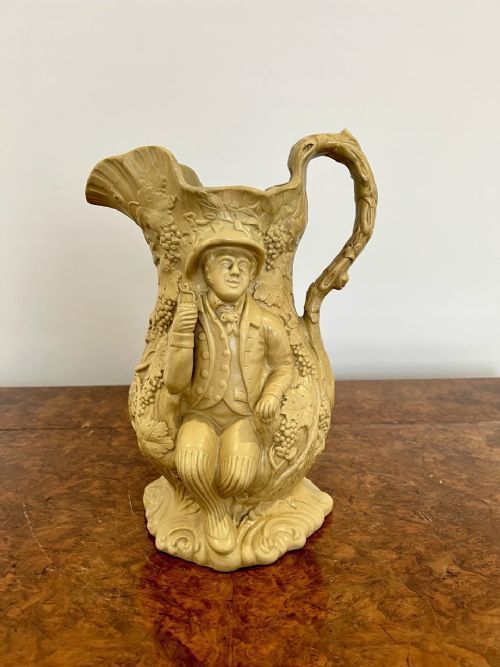
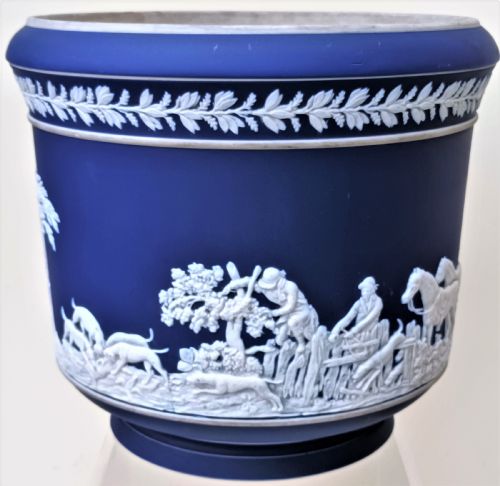
Vessels most commonly met on this page include nineteenth-century Doulton Lambeth jugs and relief-moulded pitchers originating from English potteries. These range from salt-glazed tavern pieces and harvest jugs to delicate jasperware and art nouveau vases designed for display.
How they were made
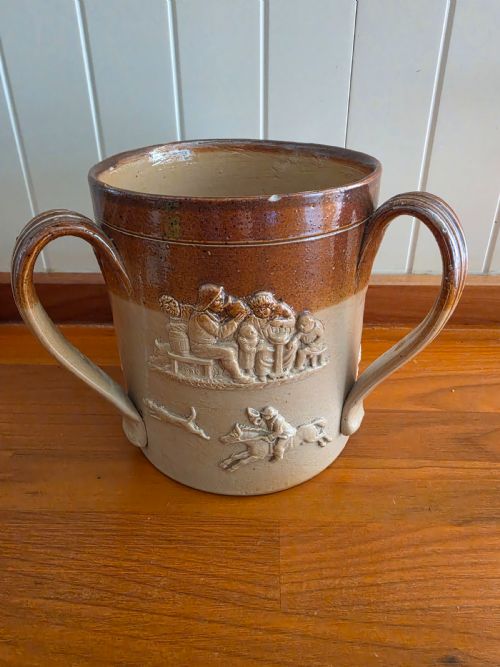
Makers utilised dense clay fired at high temperatures until vitrified, rendering the body impervious to liquid without relying on internal lead glazing. Salt glazing introduced during the firing process produced an orange-peel texture, while relief moulding allowed crisp classical or bacchanalian motifs to stand proud of the body.
Many items incorporate secondary materials such as silver rims, mounts and plated lids added by silversmiths to elevate utilitarian jugs and beakers for parlour use. Enamel colouring, slip decoration and specialised glazing methods like those patented by Doulton further distinguished individual pieces.
Canal boat dwellers once brewed tea in wonderfully chunky bargeware teapots decorated with bright applied clay flowers.
What varies in quality
The division between standard workshop production and superior output rests in the crispness of the moulded relief, the control of the salt glaze and the sophistication of the hand decoration. Master potters and named artists achieved sharper detail in figural scenes and greater balance in multi-coloured glazed bands.
The addition of hallmarked silver mounts or specialised silver-plated caddies elevates certain utilitarian jugs and decanters into luxury goods. Potteries known for artistic innovation produced pieces where sculptural form and integrated ornamentation display a higher degree of aesthetic ambition.
Doulton Lambeth·Wedgwood·Charles Meigh·John Ridgway·Taylor Tunnicliffe And Co
The Antique English Stoneware Glossary
- Stoneware
- A robust, vitrified ceramic fired at high temperatures, making it hard and water-resistant. This durable body was the material of choice for heavy-duty storage and tavern vessels.
- Tyg
- A large drinking vessel featuring three or more handles designed for passing among guests at communal tables. These multi-handled pieces frequently date from the nineteenth century.
- Salt glaze
- A vitreous coating formed by throwing common salt into the kiln during high-temperature firing, creating a pitted texture resembling an orange peel.
- Relief-moulded
- Decorated with raised designs pressed into the clay body using metal moulds during production. This technique created sharp historical and mythological scenes on nineteenth-century jugs.
- Jasperware
- A fine-grained, unglazed stoneware developed with coloured silicate bodies, typically ornamented with contrasting white classical reliefs. Wedgwood is the most famous exponent of this ceramic type.
- Bargeware
- Folk pottery traditionally decorated with applied coloured clay flowers and motifs, associated with canal boat dwellers. These scarce teapots and jugs carry distinct vernacular charm.
Antique English Stoneware: Frequently Asked Questions
How were stoneware jugs used?
Stoneware jugs served heavy domestic and commercial purposes, from storing ale and whisky in taverns to holding milk and water in Victorian dairies and kitchens. Their dense, non-porous walls kept liquids cool and secure.
Finer examples, such as commemorative jubilee jugs or silver-mounted pieces, transitioned from practical pantry items to display objects and presentation pieces in middle-class parlours.
What is a harvest jug?
A harvest jug is a large, sturdy vessel traditionally filled with ale and carried out to the fields during the agricultural harvest season. They often feature robust salt-glazed bodies and generous capacities to serve farm workers.
Many surviving examples bear nineteenth-century silver rims or detailed relief moulding, reflecting their transition into valued household possessions once their working days in the fields ended.
How do I date antique stoneware?
Dating relies on combining the factory marks stamped on the base, the stylistic clues of the period such as art nouveau or neoclassical motifs, and the manufacturing technique. Nineteenth-century registration marks and named artists provide precise chronological anchors.
Utilitarian pieces without maker marks require analysis of the clay body, glaze characteristics and mounting styles, comparing them against documented archival examples from known potteries.
Can I use antique stoneware for food?
Most antique stoneware remains physically capable of holding liquids, thanks to its naturally vitrified and salt-glazed body that prevented absorption. However, collectors generally avoid using older pieces with historical wear or added metal mounts for daily consumption.
Silver mounts, older adhesives or fragile enamel decorations can be damaged by modern dishwashing or acidic foods, making these items better suited for display or dry storage.