
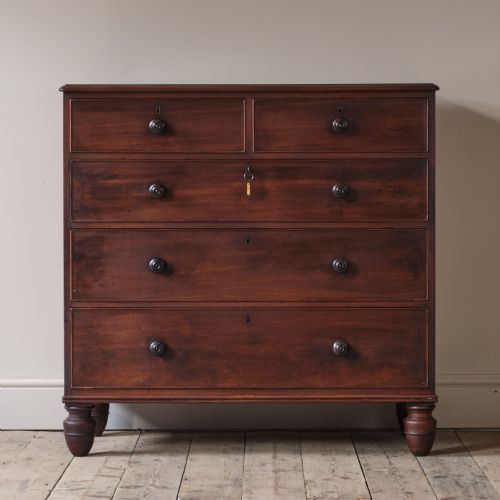

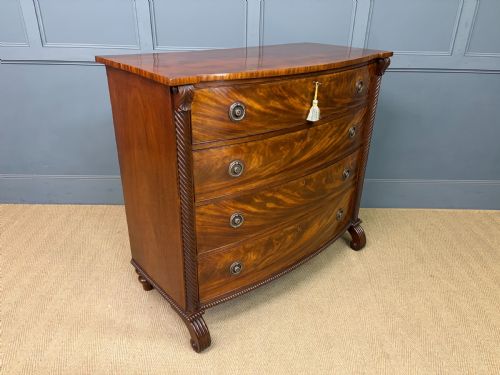
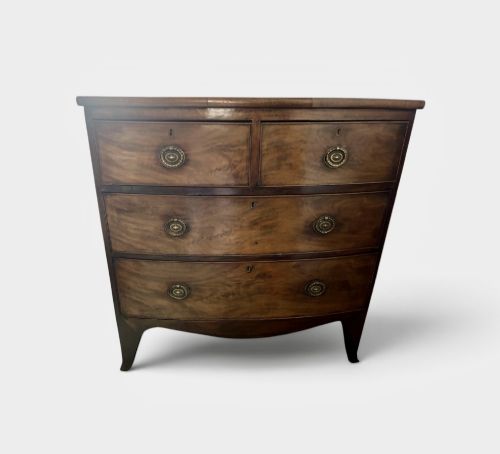
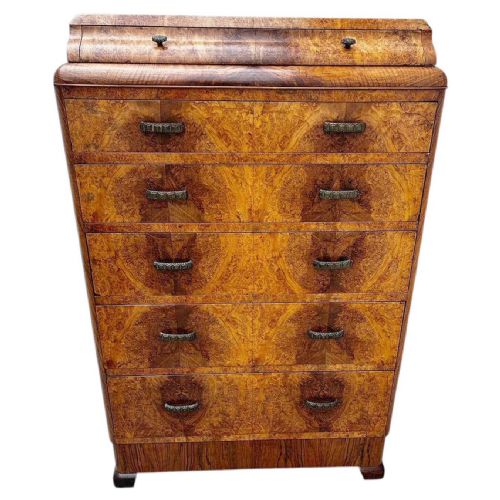
Antique English Chest Drawers
These antique English chest drawers represent centuries of domestic storage, built in timber to last generations.
Forms and periods
An antique English chest drawers is a utilitarian domestic cabinet designed for storing clothing and linens, appearing in forms ranging from compact bedside units to towering tallboys. Buyers searching this phrase encounter pieces spanning several distinct centuries, reflecting shifting interior fashions and changing woodworking standards.
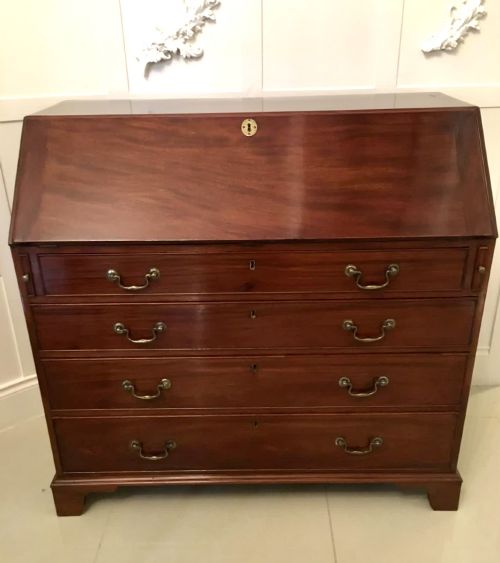
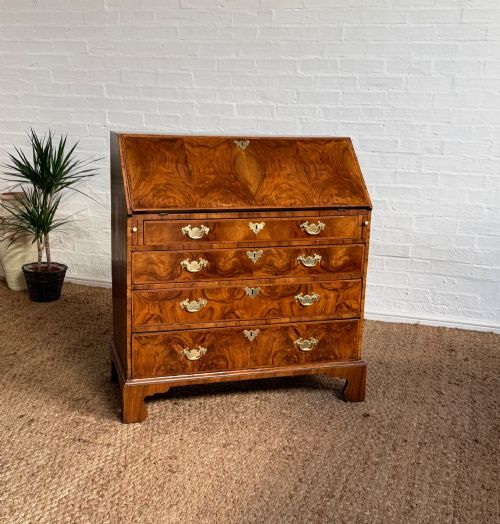
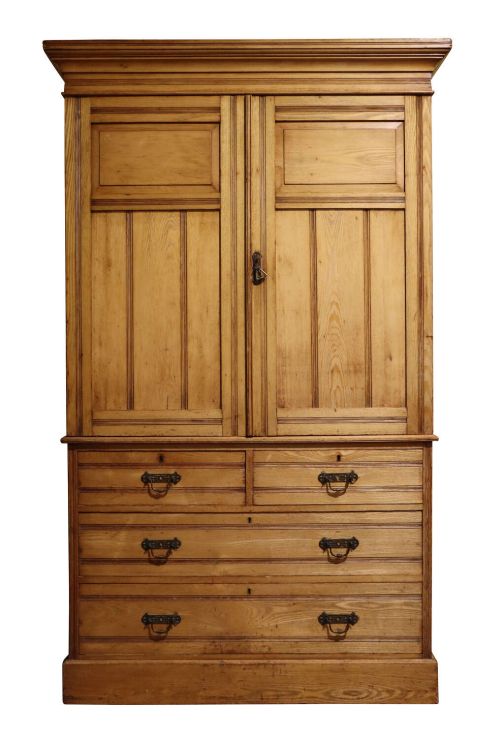
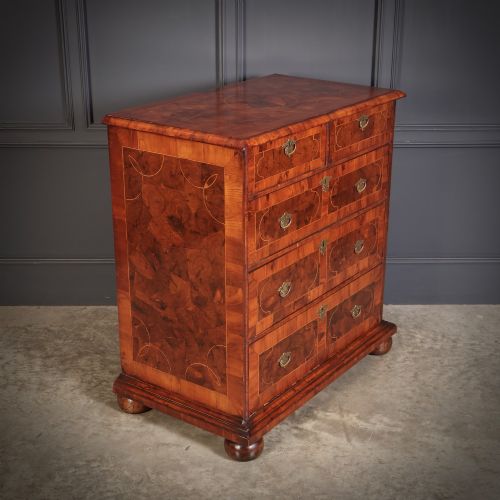
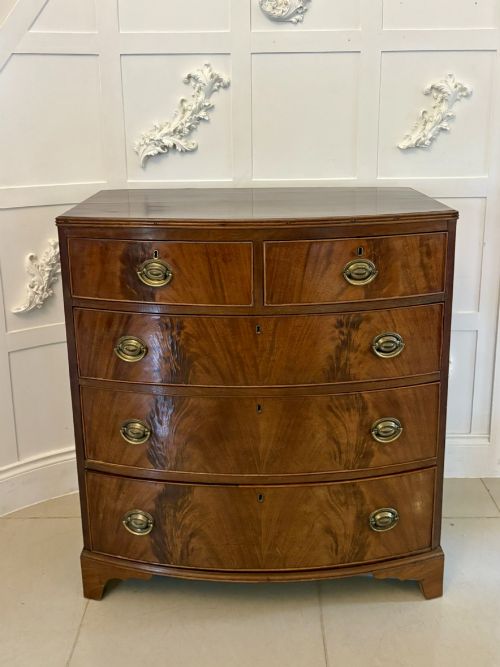
The pieces on this page draw from periods including the seventeenth, eighteenth and nineteenth centuries, alongside the Regency style. Early examples often display geometric mouldings or oyster veneers in walnut and oak, whilst later Georgian and Regency pieces favour mahogany or painted pine.
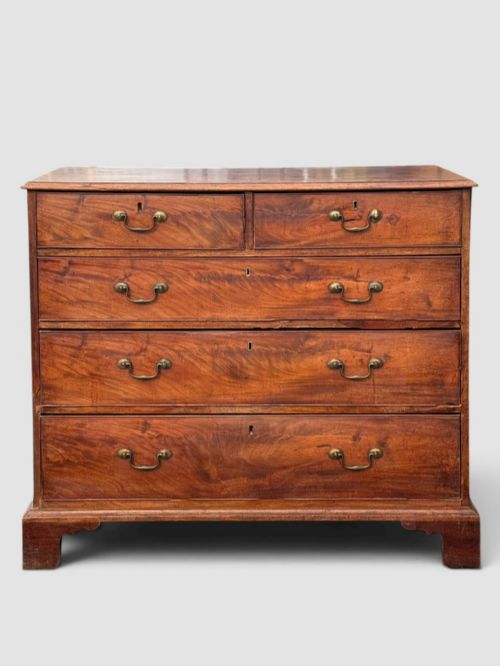
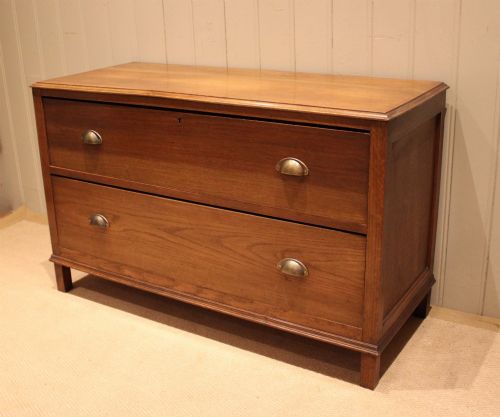
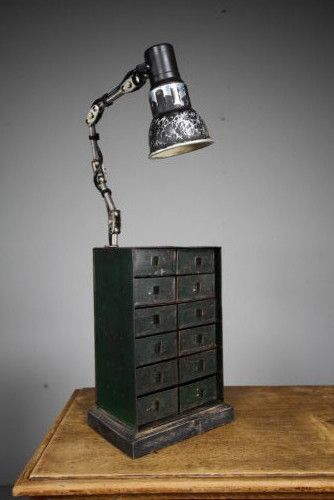
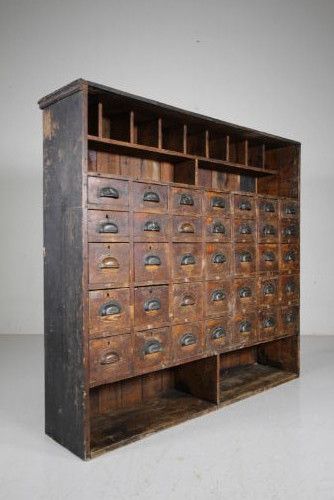
Formations vary from simple two-over-two drawer arrangements to complex military chests, apothecary cabinets and mule chests incorporating lower drawers. The surviving items demonstrate how domestic storage evolved from heavy joined oak into refined cabinet-making utilising foreign hardwoods.
Materials and construction
Cabinet-makers relied upon native and imported timbers, employing oak, walnut, mahogany, olivewood and pine alongside brass for handles, escutcheons and corner mounts. Early construction utilised solid oak and walnut, whilst later eighteenth-century pieces introduced mahogany and decorative veneers.
Techniques evolved from heavy frame-and-panel assembly and geometric moulding in the seventeenth century to sophisticated cross-banding, feather-inlaid borders and dovetail joints by the Georgian era. Surfaces received finishes including wax, polish or original paintwork depending on the workshop and the intended domestic function.
Retail Price Guide 2026
Typical UK retail prices for english chest drawers, calculated from the Sellingantiques database of over a million retail prices indexed since 2003. This retail price guide relies exclusively on Sellingantiques data; no external sources or auction records are used, so the figures do not describe the wider market.
The recorded inventory encompasses pieces built across four distinct centuries, utilising oak, walnut, mahogany, olivewood and brass.
Judging quality
Quality rests upon the selection of timber and the precision of the joinery, particularly the tightness of the drawer dovetails and the integrity of internal framing. Finer examples display carefully matched grain patterns, such as flame mahogany or burr walnut, carried across the drawer fronts.
The survival of original hardware, locks, brasses and secondary timbers dictates the standing of a piece within its period. Subtle details like cross-banding, inlay work and the retention of early surface patination separate standard utilitarian storage from master cabinet-making.
The Antique English Chest Drawers Glossary
- Brushing slide
- A pull-out shelf integrated above the top drawers, historically used for folding garments or writing.
- Tallboy
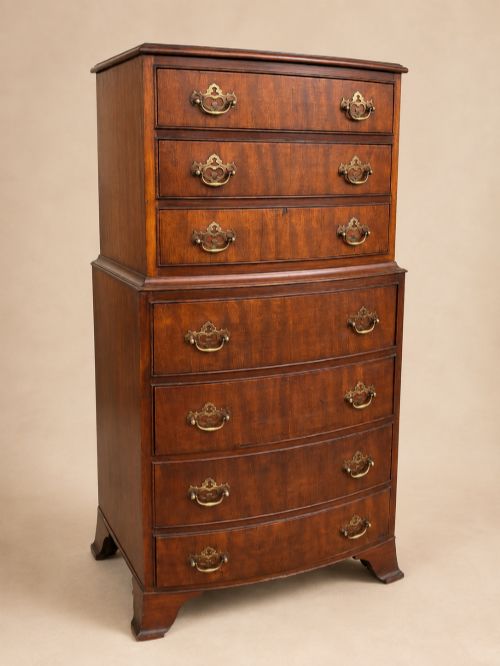
- A tall chest of drawers, often constructed in two stacked sections to maximise vertical storage.
- Oyster veneer
- Circular slices cut from small branches or roots, arranged in decorative patterns across the surface.
- Dovetail
- A joint formed by interlocking wedge-shaped fingers, securing drawer corners without metal fasteners.
- Cross-banding
- A narrow strip of veneer laid around the border of a drawer front with the grain running at right angles to the centre.
Frequently Asked Questions
What is an antique English chest drawers?
An antique English chest drawers is a wooden storage cabinet featuring multiple horizontal drawers, developed from seventeenth-century joined chests into refined Georgian and Regency bedroom furniture.
These pieces served functional storage needs in homes, ranging from modest pine household boxes to elaborate walnut and mahogany tallboys built by skilled cabinet-makers.
How do I date an antique English chest drawers?
Dating relies upon examining the secondary timbers, construction methods, handles and overall styling. Seventeenth-century examples often use oak with geometric mouldings, whereas eighteenth-century pieces introduce mahogany, dovetail joints and sophisticated veneers.
Changes in drawer proportions, foot styles such as bracket or turned feet, and the presence of cross-banding help narrow the period of manufacture.
How were these chests used historically?
These cabinets were primarily housed in bedrooms to store folded clothing, linens and personal accessories. Specific variations like apothecary or military chests served specialised professional functions for travel or medicinal storage.
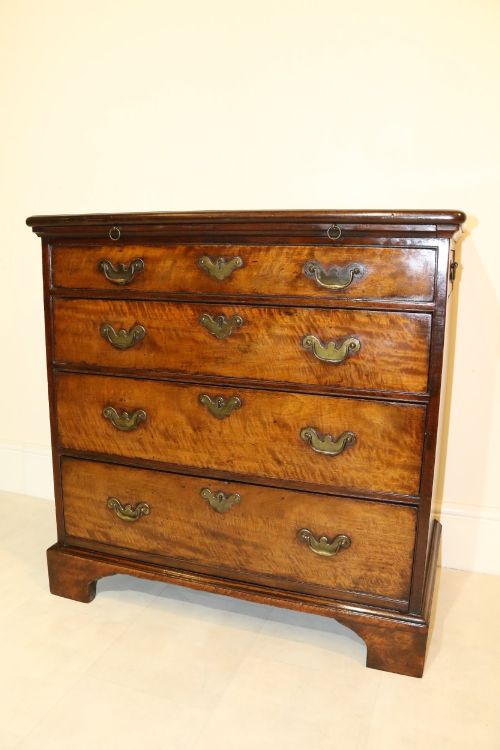
Sliding shelves, known as brushing slides, provided temporary workspace for folding garments or writing letters before dressing.
Where should I place an antique chest in my home?
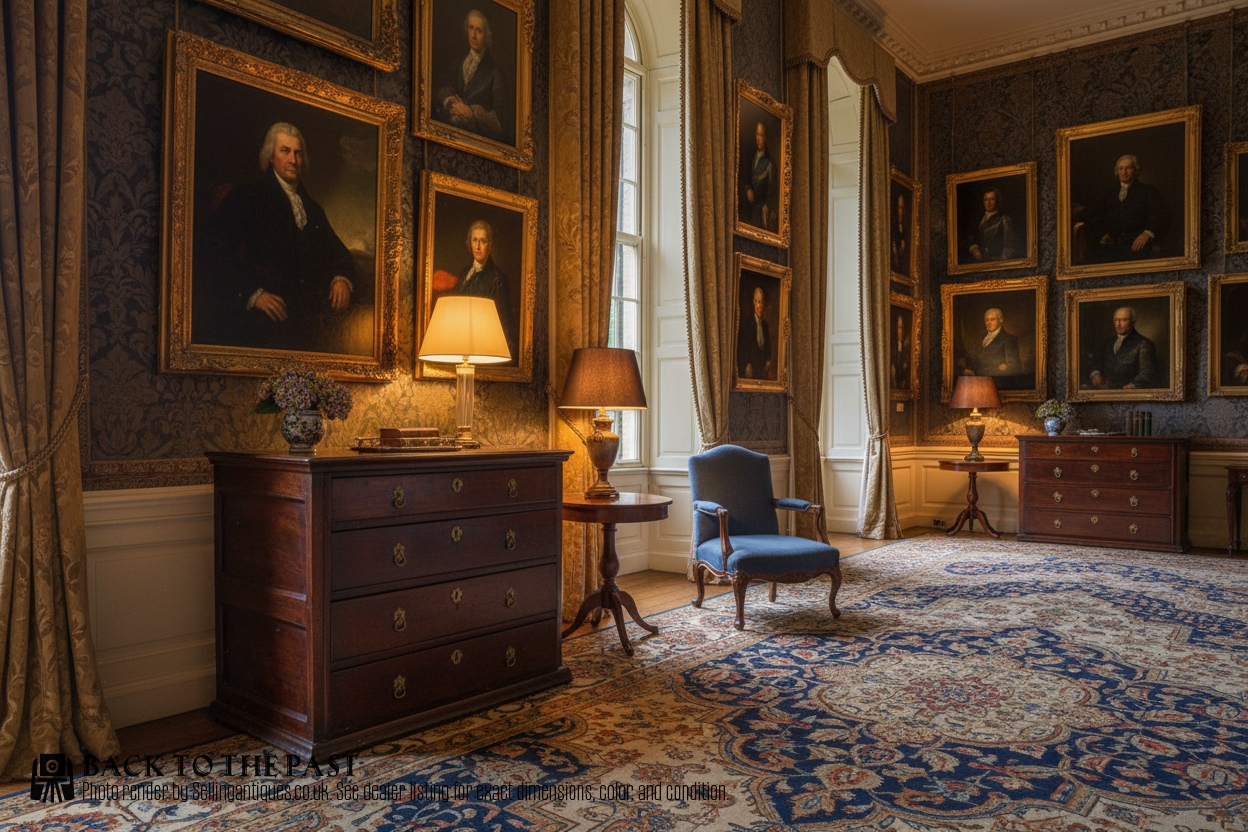
An antique chest fits naturally in a bedroom, hallway or living space as a functional focal point providing substantial surface area and deep drawer storage. Placing them away from direct heat sources and strong sunlight preserves the historical timber and delicate veneers.
Pairing older dark wood chests with minimalist modern interiors creates a striking contrast that highlights the grain and age of the piece.