

Antique English Chairs
These antique English chairs range from robust country Windsors to formal mahogany dining sets.
Antique English Chairs
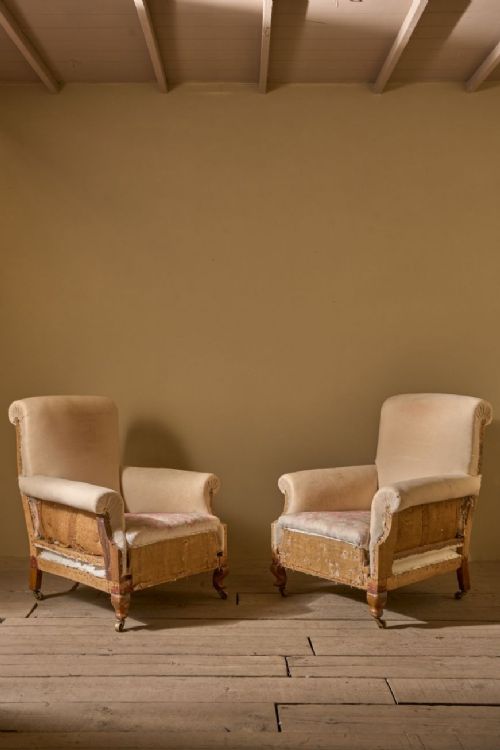
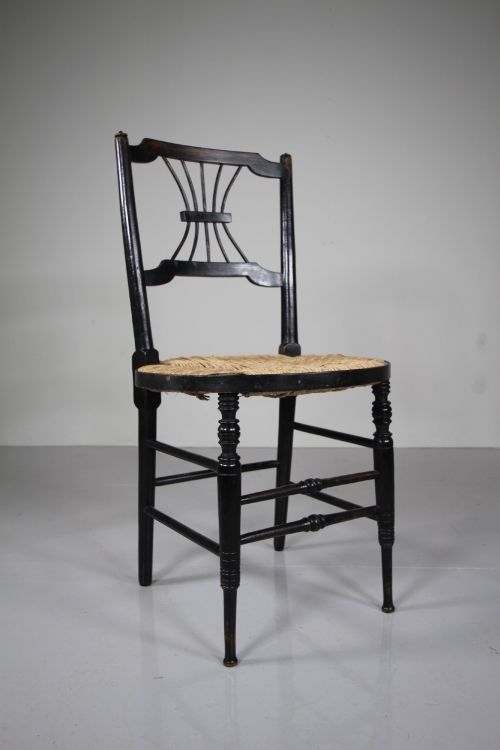
When browsing antique english chairs, buyers encounter a diverse array of seating spanning the eighteenth, nineteenth, and early twentieth centuries. The selection encompasses formal dining sets, library armchairs, office desk seats, and country vernacular seating.
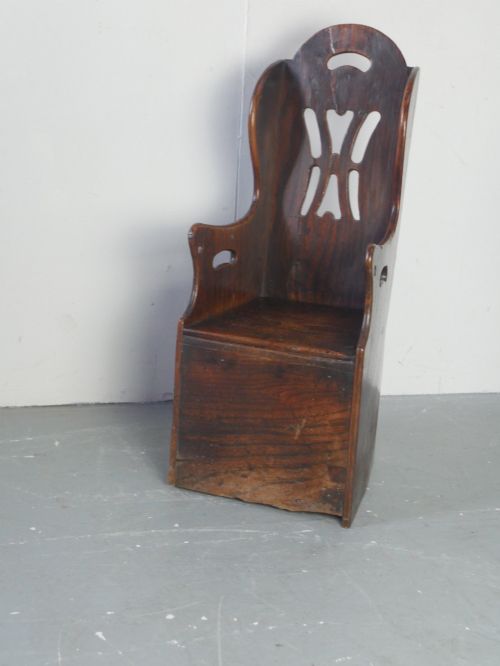
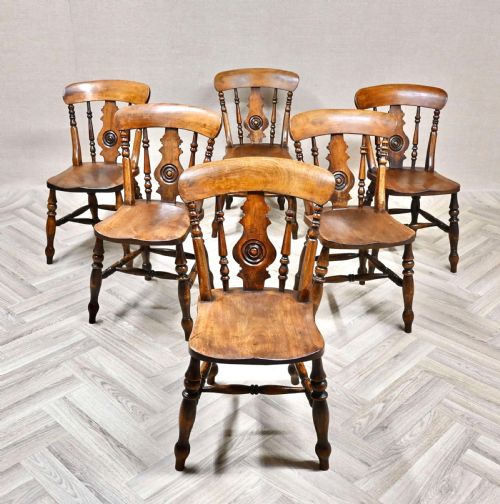
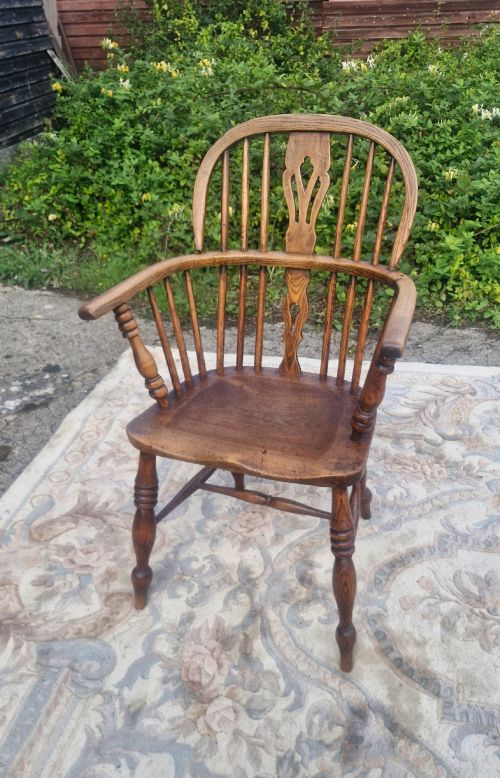
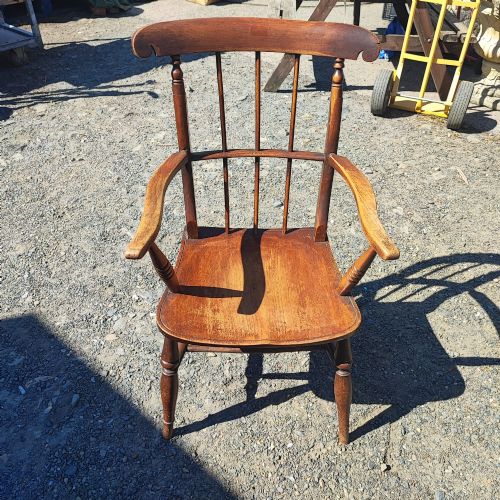
Country pieces prominently feature sturdy construction using regional timbers like elm, ash, and beech, often taking the form of Windsor armchairs or kitchen stick-backs. Formal variations display polished mahogany, walnut, and rosewood, shaped into Regency, Georgian, or Victorian dining and salon chairs.
Materials and Construction
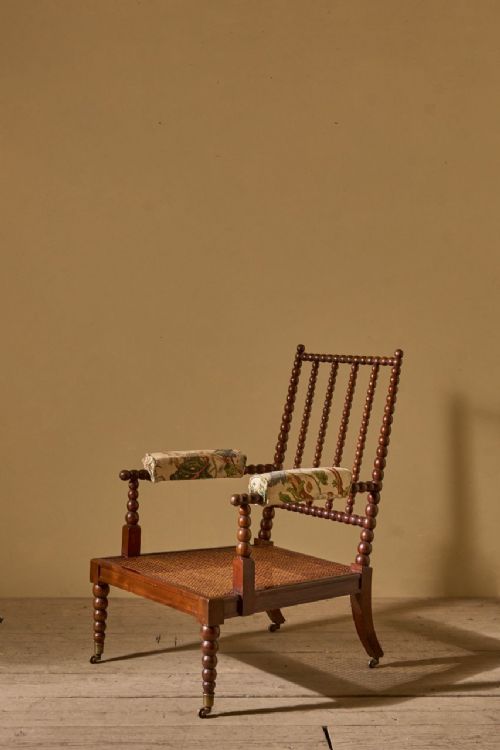
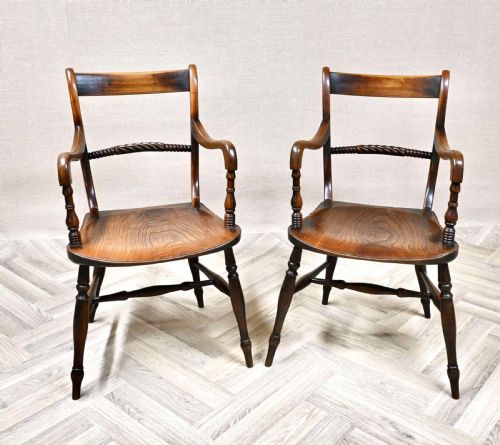
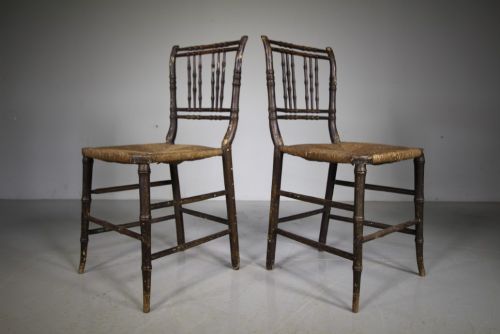
Joinery techniques rely heavily on traditional methods such as mortise and tenon frames for formal dining seats and steam-bent components for Windsor bows. Carved details, turned legs, and bobbin turnings reflect the craftsmanship of period workshops.
Timbers are chosen for their specific properties, utilising dense mahogany and walnut for formal reception rooms, while resilient elm and ash serve structural roles in country armchairs.
Listings feature dining chairs, armchairs, and hall chairs fashioned from mahogany, elm, oak, and walnut across the Georgian, Victorian, and Regency periods.
Markers of Distinction
Distinction in these pieces rests upon the integrity of the timber, the crispness of carved or turned details, and the survival of original surface finishes. Solid construction without excessive replacement parts indicates superior origin.
Cohesion within sets and the fidelity of stylistic details relative to periods such as the Georgian or Regency eras further define the standing of individual examples.
Howard and Sons·William Morris·Gillows·Maple and Co
The Antique English Chairs Glossary
- Windsor chair
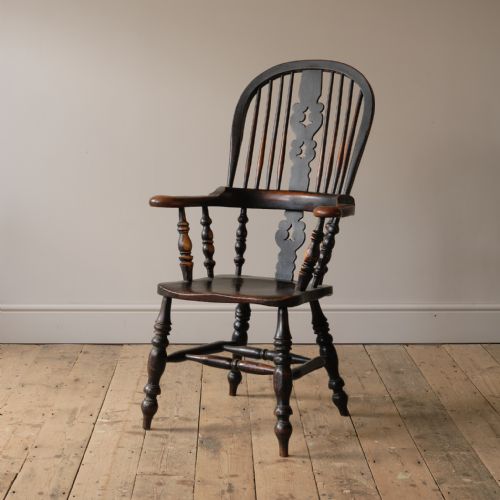
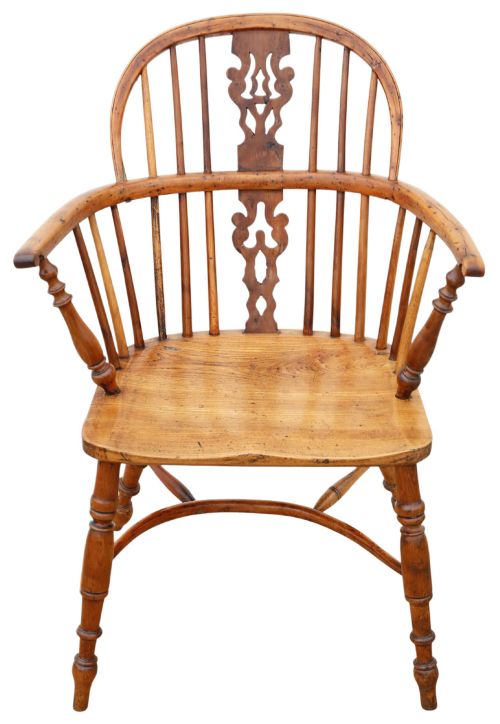
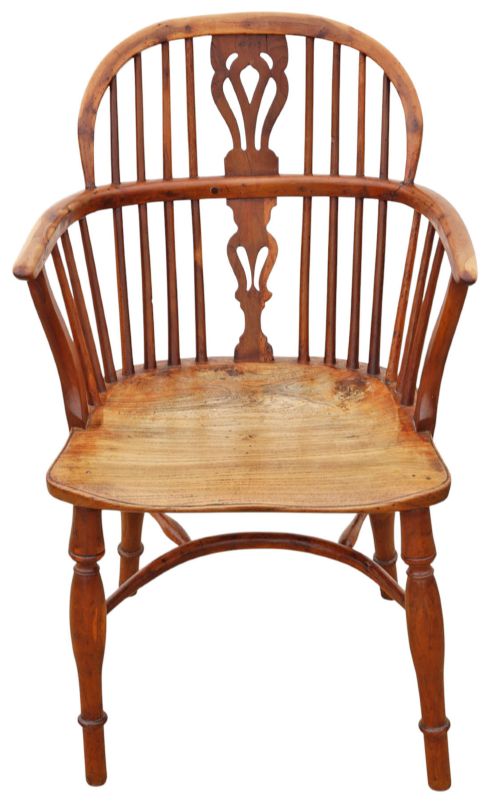
- A wooden chair featuring a saddle-shaped seat into which the legs and back spindles are directly inserted. This vernacular form often combines elm seats with ash or yew superstructures.
- Carver
- An armchair designed to match a set of dining side chairs, traditionally positioned at the head of a table. These pieces often share stylistic traits like bar backs or shield backs.
- Bobbin turning
- A form of woodturning characterised by a series of rounded, spool-like shapes carved along the length of a leg or stretcher. It appears frequently on seventeenth and eighteenth-century oak seating.
- Tub armchair
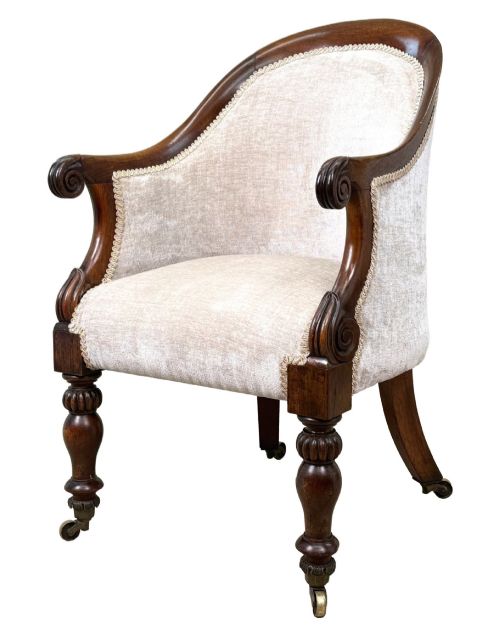
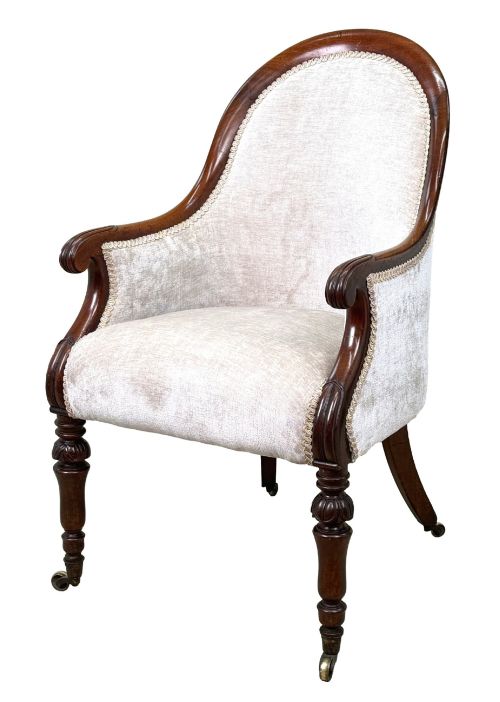
- A comfortable seat featuring a continuous curved back and armrest rail enclosing the sitter. Examples frequently emerge from the Regency and Victorian periods upholstered in leather or fabric.
- Splats
- The vertical wooden strip down the centre of a chair back, frequently shaped or pierced in Georgian designs. They provide structural support while displaying stylistic motifs.
Antique English Chairs: Frequently Asked Questions
How do I identify a Windsor chair?
Windsor chairs feature a solid wooden seat carved into a saddle shape, with legs and back spindles pegged directly into the thick slab rather than attached to a separate frame.
They frequently combine contrasting timbers, such as elm seats paired with ash or yew for the bentwood bows and spindles.
Were dining chairs sold in sets originally?
Formal dining chairs were commissioned in matched sets of varying sizes, often numbering six, eight, or ten pieces, alongside corresponding carvers for the table ends.
Country and kitchen chairs also appear in matched groups, though smaller pairs or single hall chairs remain common for casual reception spaces.
What is a carver chair?
A carver is an armchair styled to complement a set of single dining chairs, historically placed at the head of the dining table.
These pieces share the primary timber, leg style, and back design of the accompanying set while providing armrests for comfort.
How do I care for antique wood chairs?
Maintain wooden frames by keeping them away from direct heat sources and sudden temperature fluctuations that cause timber to split or warp.
Apply traditional wax polishes sparingly to nourish the polished surfaces of mahogany, oak, and walnut without building up excessive residue.