
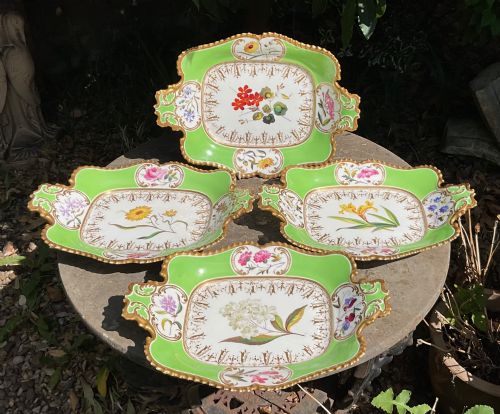
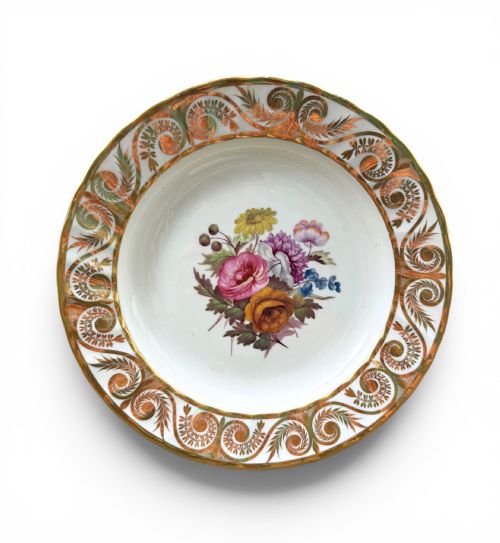
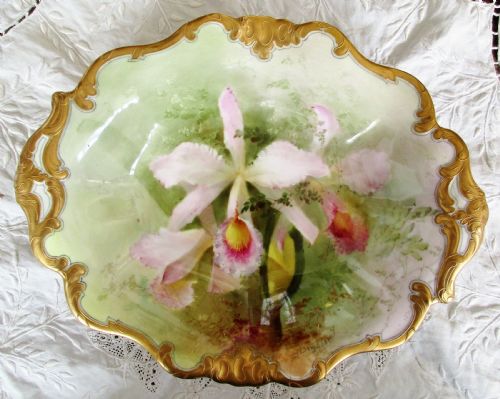
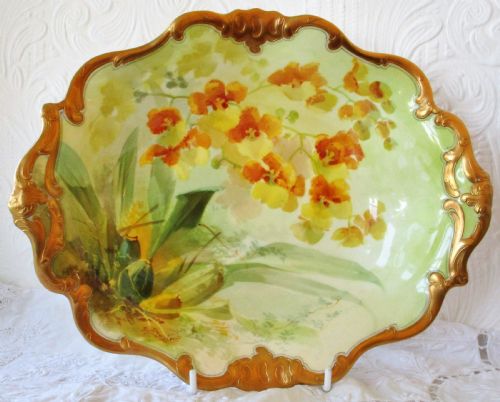



Antique English Botanical Dish
An antique english botanical dish brings hand-painted flora into the home on fine porcelain and bone china forms.
Antique English Botanical Dish
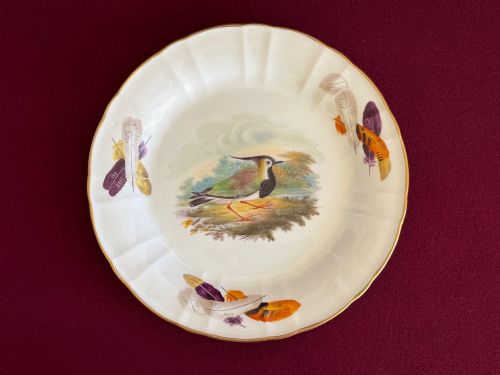
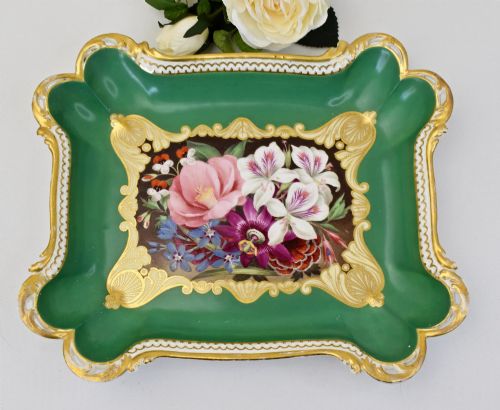
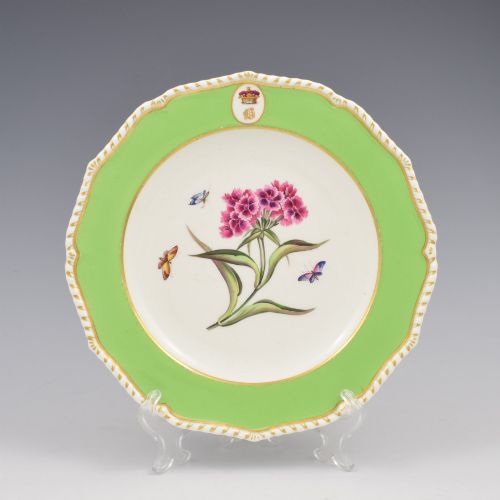
An antique english botanical dish serves as a fine example of early ceramic artistry, encompassing cabinet plates, serving dishes, and dessert service pieces. These items frequently date from the Georgian and Regency periods through to the Victorian era, reflecting the era's deep fascination with natural history. Buyers searching for an antique english botanical dish will encounter delicate hand-painted motifs depicting specific flowers, birds, and botanical specimens.
The pieces on this page lean heavily towards the porcelain and bone china traditions upheld by celebrated factories such as Worcester, Coalport, and Spode. Forms range from individual cabinet plates to large serving trays and soup tureens designed for formal dining tables. These utilitarian and decorative objects survive as testaments to meticulous studio work and nineteenth-century table culture.
How they were made
Makers utilised porcelain, bone china, creamware, and earthenware as foundations for their decorated wares, shaping them into plates, bowls, and comports. Artisans then applied intricate hand-painted designs directly onto the glazed surface, often focusing on flora, fauna, and armorial details. Gilding, gold leaf, and enamel work frequently frame the central botanical illustrations, adding rich metallic contrast to the painted hues.
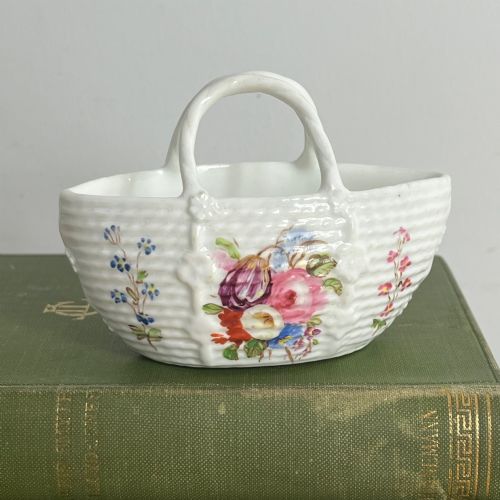
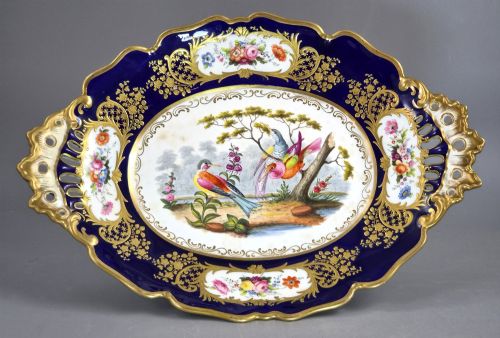
Kiln firing set the ceramic body and fixed the painted pigments beneath protective glaze layers to ensure durability during daily service use. Factories like Royal Worcester and Derby employed specialist painters who mastered botanical accuracy, capturing specific plant species with botanical precision. Cobalt blue accents and moulded details such as basketweave textures frequently complement the painted focal points.
Early ceramic painters occasionally misidentified their garden specimens, leaving charmingly confused botany permanently glazed onto the plate.
What varies in quality
The calibre of an antique english botanical dish depends significantly on the skill of the hand-painted execution and the precision of the botanical rendering. Pieces bearing the signatures or known marks of master painters and prominent factories command greater interest due to their documented provenance. The crispness of the gilt work and the complexity of the porcelain body further distinguish standard production items from exceptional commissions.
Preservation of the original enamel colours and the integrity of the glaze directly influence the overall standing of each ceramic piece. Finer examples maintain vibrant hand-painted details without significant rubbing to the gilt borders or surface scratches on the central flora. The weight, translucency of the bone china, and sophistication of moulded or applied details also separate standard tableware from high-tier cabinet specimens.
Flight Barr And Barr·Chamberlains Worcester·Royal Doulton·Royal Worcester·Coalport
The Antique English Botanical Dish Glossary
- Bone China
- A type of soft-paste porcelain containing bone ash, noted for its high strength, chip resistance, and warm white translucency. This material allowed makers to produce thinner, more refined plates and dishes.
- Cabinet Plate
- A decorative ceramic plate intended for display in a cabinet or on a wall rather than for practical dining use. These pieces often feature elaborate hand-painted scenes or rich gilding.
- Creamware
- A type of refined earthenware developed in Staffordshire with a pale yellow or cream-coloured lead glaze. It became widely popular for utilitarian and decorative dessert services.
- Gilding
- The application of gold leaf or powdered gold to ceramic surfaces to create decorative borders and highlights. This technique enhances the formal appearance of Regency and Victorian tableware.
- Enamel
- Opaque vitreous glass fused to the ceramic body during firing to create vibrant, permanent colours. Botanical artists relied on enamel paints to achieve lifelike botanical hues.
Antique English Botanical Dish: Frequently Asked Questions
How were botanical dishes used?
These ceramic items functioned primarily as part of dessert services, presenting fruit, sweetmeats, and confectioneries at the conclusion of formal meals. Wealthy households also displayed them in cabinets or on sideboards to showcase their refined taste in natural history.
Over time, many serving dishes and plates transitioned entirely into decorative display objects. Their detailed depictions of flora allowed diners to discuss natural science and contemporary gardening trends during gatherings.
How do I care for antique porcelain?
Wash these delicate ceramics gently by hand using lukewarm water and mild soap, avoiding dishwashers entirely. Sudden temperature changes can cause thermal shock and crack the fragile nineteenth-century glaze.
Store cabinet pieces securely on stable surfaces away from direct, harsh sunlight to prevent enamel fading. Handle plates and dishes by their body rather than fragile applied handles or delicate rims.
How can I identify the maker?
Examine the underside of the dish for printed factory marks, impressed ciphers, or handwritten pattern numbers. Different manufacturers utilised specific puce, blue, or gilt stamps that changed across decades.
Some exceptional pieces feature handwritten artist signatures or specific plant titles near the base of the painted design. Cross-referencing these marks with historical factory records helps pinpoint the exact decade of production.
What defines the Regency style?
Regency ceramics often feature clean classical shapes paired with rich cobalt blue grounds and lavish gilding. Botanical illustrations from this period emphasise scientific accuracy alongside decorative elegance.
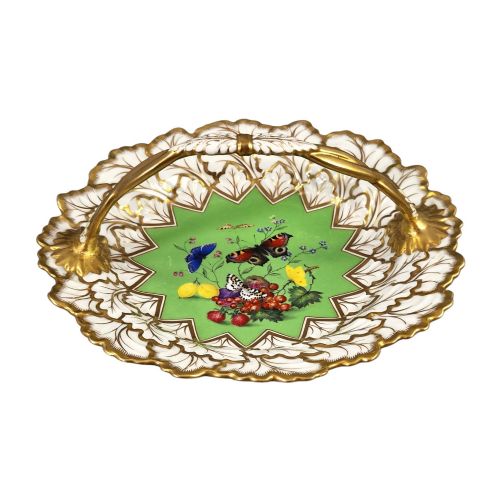
Plates and dishes from this era frequently display armorial motifs or delicately painted butterfly and flower studies. The overall aesthetic balances classical restraint with vibrant, naturalistic colour palettes.