

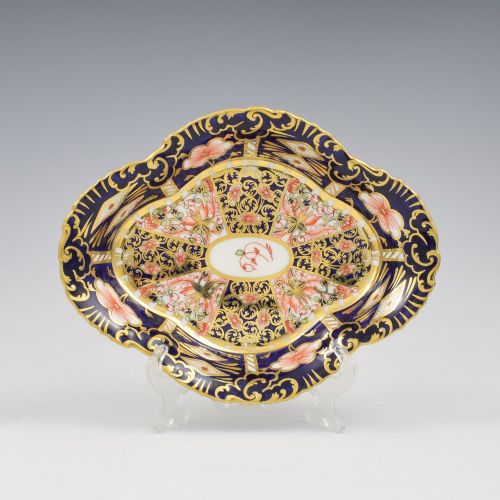
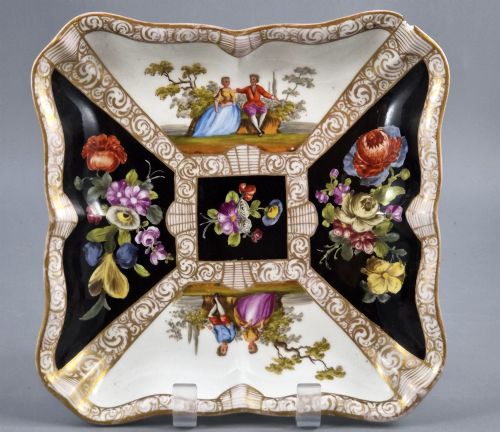
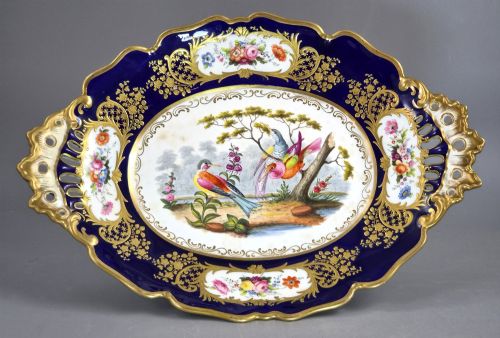

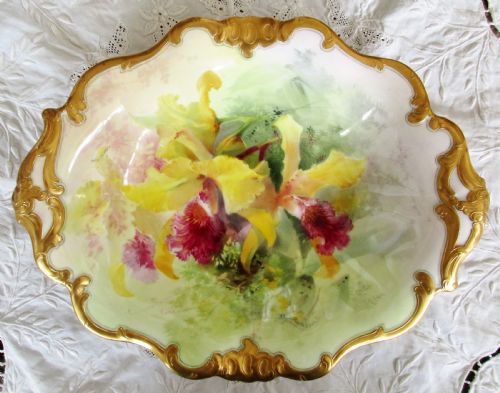
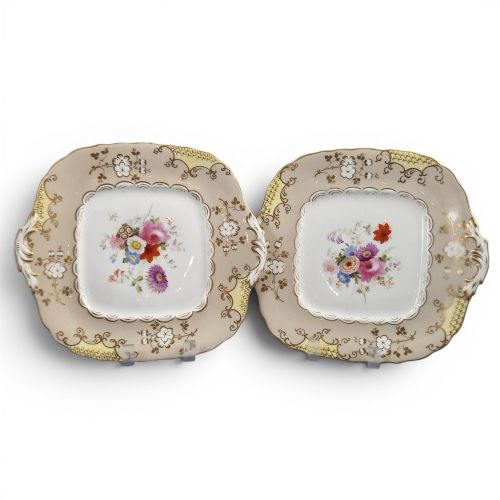
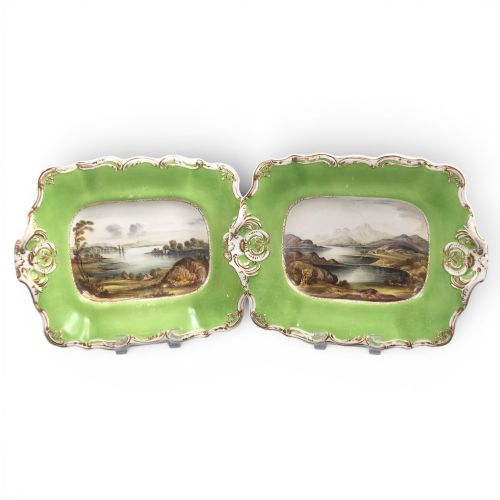
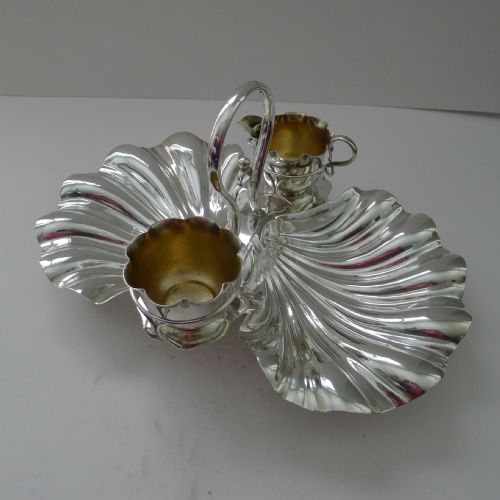


Victorian Gilt Serving Dish
These victorian gilt serving dish examples bring ornamental metalwork and gilded ceramic craftsmanship straight to your table.
Victorian Gilt Serving Dish
A victorian gilt serving dish covers a range of ornamental vessels intended for presentation and formal dining, spanning oval dishes, rectangular trays, and decorative plates. When searching for a victorian gilt serving dish, buyers encounter serving pieces shaped by nineteenth century taste, alongside related forms from the Georgian and Edwardian eras.
The objects listed display varied functions, including cabinet dishes, dessert services, strawberry sets, and centerpiece bowls. Makers and decorators produced these pieces in porcelain, bone china, earthenware, and glass, applying surface gilding and gold leaf to elevate the decorative scheme.
Stylistic influences range from Rococo Revival and French Empire to Victorian Chinoiserie. These designs reflect the period preference for elaborate ornamentation on functional tableware.
Assessing quality
Quality in a victorian gilt serving dish rests on the precision of the hand-painting, the crispness of the moulded relief, and the intact state of the surface gilding. Superior examples demonstrate careful control in the application of gold leaf and enamel details.
The reputation of the pottery or workshop also shapes the standing of a piece, with recognised manufacturers achieving greater finesse in body preparation and decorative execution. Balance in form and clarity of transfer-printed or hand-drawn motifs distinguish finer service items from standard production.
Listings feature items from the Georgian, Regency, Victorian, and Edwardian periods, utilising materials such as porcelain, bone china, earthenware, and gold leaf.
Coalport·Meissen·Royal Doulton·Daniel Arter·Copeland and Garrett·Minton·Carlton Ware·Masons·Royal Crown Derby
The Victorian Gilt Serving Dish Glossary
- Gilt
- Covered thinly with gold leaf or gold paint. This technique provides the characteristic metallic sheen found on nineteenth century ceramics and metalwork.
- Bone china
- A type of soft-paste porcelain containing animal bone ash. It produces a strong, slightly translucent body favored by English potteries.
- Ormolu
- Gilded bronze used for decorative mounts and fittings. It gives a rich gold appearance to metal components on serving trays and glass bowls.
- Ironstone
- A heavy, durable type of earthenware patented in the nineteenth century. It offered a resilient alternative to porcelain for heavy-use dinner services.
- Rococo Revival
- A nineteenth century design style characterised by asymmetrical scrolls, floral motifs, and ornate curves. It heavily influenced the shape of Victorian serving dishes.
Victorian Gilt Serving Dish: Frequently Asked Questions
What is a victorian gilt serving dish used for?
These dishes were originally intended for presenting fruit, desserts, or small delicacies during formal nineteenth century dining occasions.
Today, collectors utilise them as decorative centerpieces, wall display items, or functional serving trays for special gatherings.
How do I clean a gilt serving dish?
Wash these pieces gently by hand using lukewarm water and a mild, non-abrasive soap. Avoid scrubbing the gilded areas or putting the dishes in a dishwasher.
Dry them immediately with a soft cloth to protect the delicate enamel and gold leaf from moisture damage.
How can I tell the period of a dish?
Examine the base for maker's marks, pattern numbers, and registration stamps which often correspond to specific nineteenth century years. Stylistic clues like Rococo Revival curves or Empire taste motifs also help narrow down the date.
Compare the ceramic body, whether porcelain, bone china, or ironstone, against known manufacturing periods for each pottery.
Are these dishes safe for food?
Many antique ceramic and porcelain dishes contain lead or other metals in their historic glazes and enamels. Using them for dry foods is generally acceptable, but acidic items should be avoided.
Most buyers prefer to keep delicate gilded serving pieces for display rather than daily dining use.