





Antique Enamelware
Antique enamelware brings together vibrant vessels and domestic items formed from fused glass and metal.
Antique Enamelware
When you search for antique enamelware, you encounter a diverse array of decorative objects including vases, dishes, chargers, lidded jars, and utilitarian vessels. The pieces span centuries of craftsmanship, originating from various traditions and workshops across Asia and Europe.
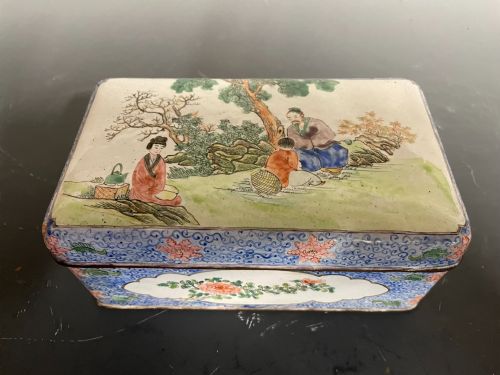
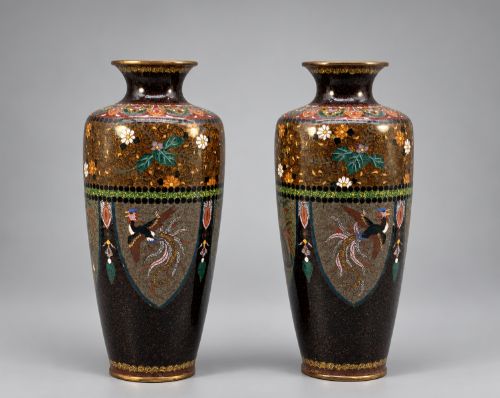
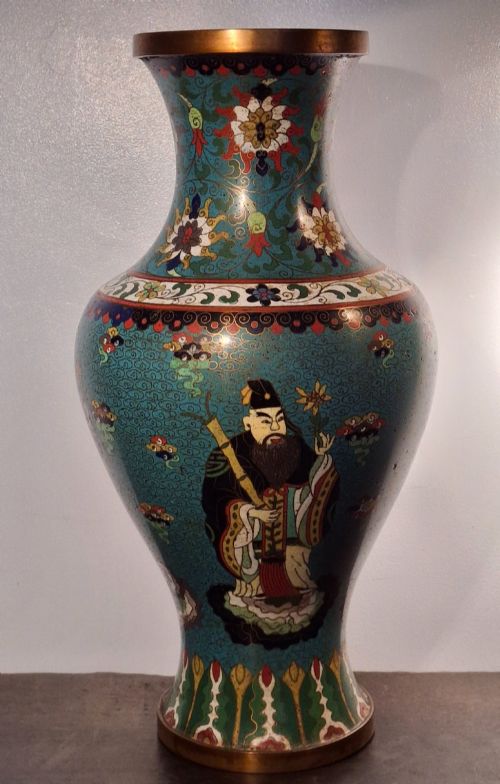
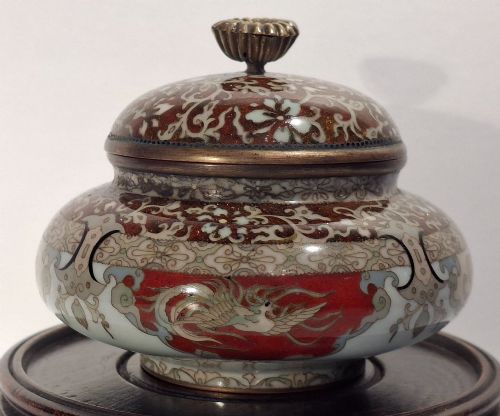
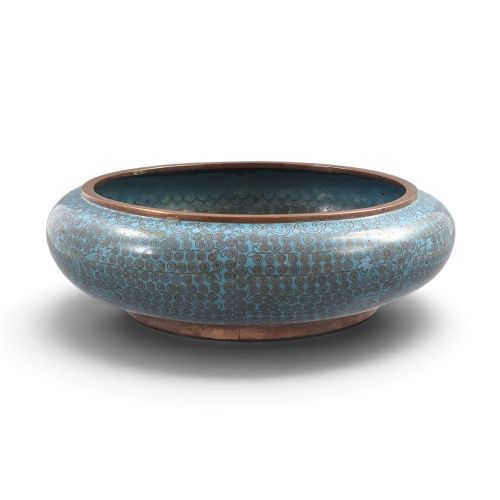
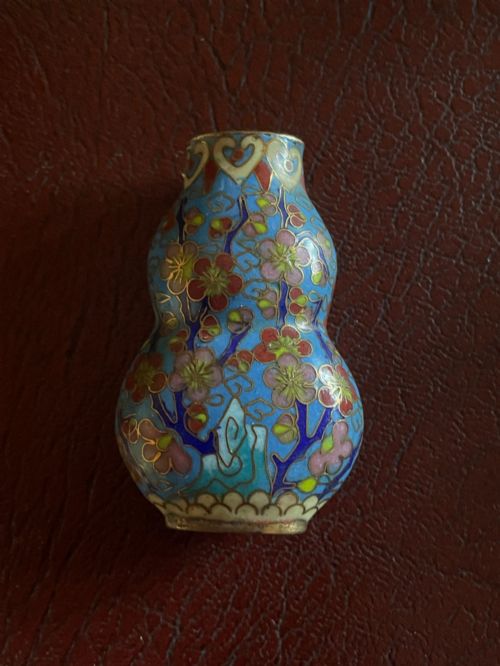
You are most likely to meet Chinese cloisonné and Canton painted enamel pieces from the nineteenth century, alongside Japanese Meiji period chargers, vases, and miniature vessels. European contributions such as French coffee urns, water jugs, and English patch boxes also appear among the selections.
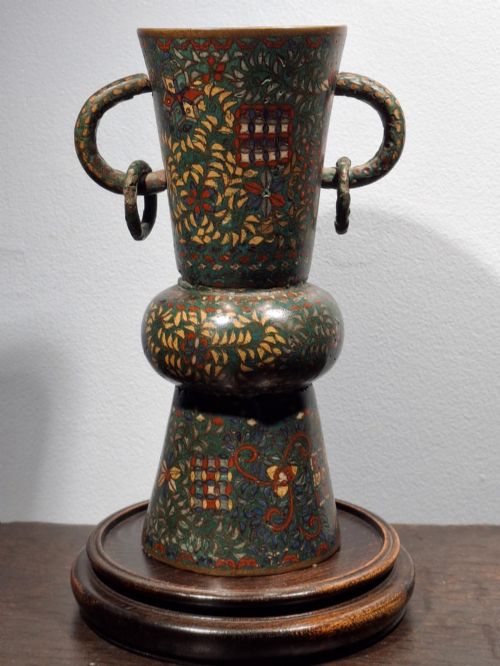
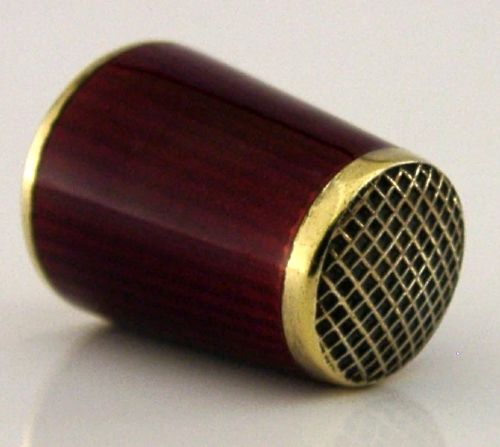
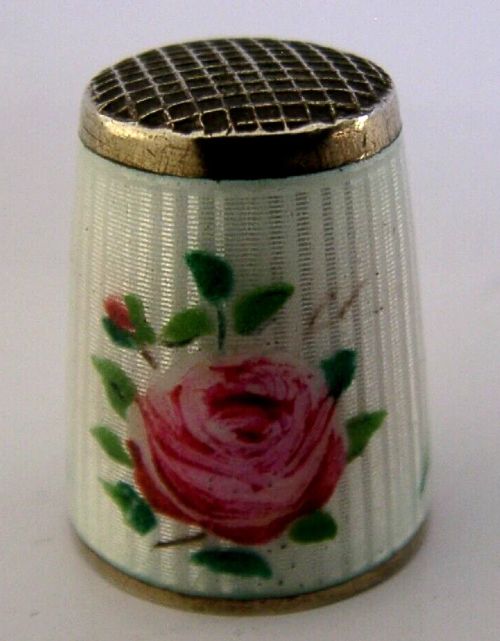
The assortment encompasses scholar's brush washers, ritual vessels, ashtrays, and even sterling silver sewing thimbles from Norway. These items showcase the global reach of vitreous enamelling techniques applied to copper, brass, bronze, and silver bodies.
Materials and construction
The foundation of these pieces relies upon metal bodies fashioned from copper, brass, bronze, or silver, which provide sturdy support for the vitreous coatings. Artisans applied powdered glass pastes onto these metal surfaces before firing them at high temperatures to create a durable, glossy finish.
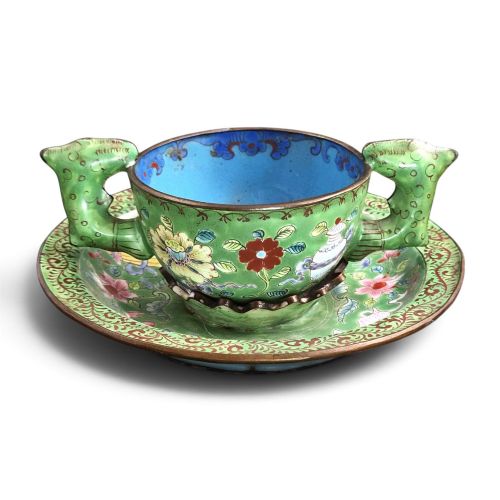
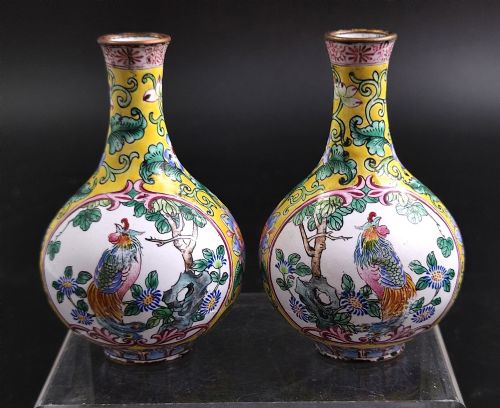
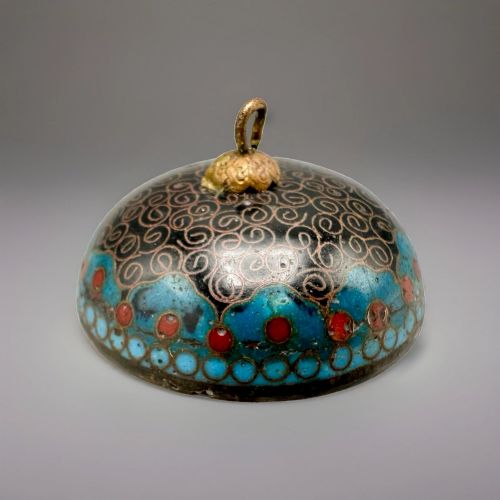
In cloisonné work, fine metal wires were soldered onto the metal base to form cells, or cloisons, which were subsequently filled with coloured enamel pastes. Painted enamel techniques, seen in Canton and Beijing pieces, involved applying designs directly onto copper surfaces with pigmented enamels.
Further enhancement sometimes involved gold leaf or gilt metal mounts to accent rims, handles, and borders. The firing process required immense precision to fuse the glass compounds to the metal without cracking the delicate surface patterns.
Antique Enamelware Retail Price Guide 2026
Typical asking prices for enamelware among the pieces listed under this phrase on Sellingantiques today, from the lower quarter to the upper quarter. They describe what is for sale here now, not the wider market.
Listings feature items from the eighteenth century through to the mid-twentieth century, including Edwardian and Meiji period examples.
Distinctions in quality
Quality in these objects is determined by the precision of the wirework, the complexity of the imagery, and the smoothness of the fired surface. Superior examples display microscopic wire alignments and flawless enamel fills without pitting, bubbling, or discolouration.
Artistic execution separates standard production items from masterworks, particularly in Japanese Meiji period chargers and Chinese scholar's vessels where naturalistic motifs require supreme dexterity. The depth of the colour palette and the subtlety of tonal gradations also indicate the maker's skill level.
Tsukamoto Hikokichi·Tamura Yukio·David Andersen
The Antique Enamelware Glossary
- Cloisonne Enamel
- An enamelling technique where metal wires are affixed to a metal base to create compartments for coloured glass pastes. These compartments are then fired and polished flat.
- Champleve Enamel
- A method where troughs or cells are carved directly into the metal surface and filled with enamel before firing. This technique leaves thicker metal lines visible between the coloured areas.
- Koro
- A traditional Japanese incense burner, often featuring a lidded body supported by feet and decorated with intricate enamel patterns. They were frequently used in scholarly or ritual settings.
- Gaiwan
- A Chinese lidded bowl used for brewing and drinking tea, typically consisting of a saucer, bowl, and lid. Enamelled versions display delicate painted scenes across the porcelain or metal surfaces.
- Patch Box
- A small decorative container used in eighteenth-century Europe for storing cosmetic patches or trinkets. These hinged boxes often feature painted enamel lids depicting landscapes or portraits.
Antique Enamelware: Frequently Asked Questions
What is cloisonne enamel?
Cloisonne enamel involves soldering thin metal wires onto a copper, brass, or bronze base to create intricate patterns of cells. These cells are then packed with powdered glass and fired in a kiln.
Once cooled, the surface is ground down and polished until the metal wires and the glossy glass fillings sit flush together.
How do I care for antique enamelware?
Keep these items away from direct sunlight, high humidity, and extreme temperature fluctuations which can stress the metal and glass. Dust them gently with a soft, dry cloth without applying harsh cleaning agents.
Handle pieces by their main bodies rather than delicate rims, handles, or applied metal mounts to prevent accidental damage.
Where were painted enamels made?
Painted enamels are strongly associated with workshops in Canton and Beijing during the Qing dynasty, where artisans decorated copper objects directly with coloured pigments. Similar techniques were practiced in European centres such as Bilston for small boxes and trinkets.
These pieces rely on brushwork rather than wire cells to delineate floral motifs, landscapes, and figural scenes.
What was a koro used for?
A koro served as an incense burner in Japanese and Chinese interiors, designed to diffuse aromatic scents during quiet contemplation or rituals. They often took the form of lidded bowls or vessels elevated on small feet.
Collectors prize them for their sculptural forms and the detailed enamelwork covering their lids and bodies.