








Antique Enamelled Drinking Glass
These antique enamelled drinking glass pieces range from Georgian wine vessels to Art Deco cocktail sets, offering vibrant colour and historic craftsmanship for your table.
Antique Enamelled Drinking Glass
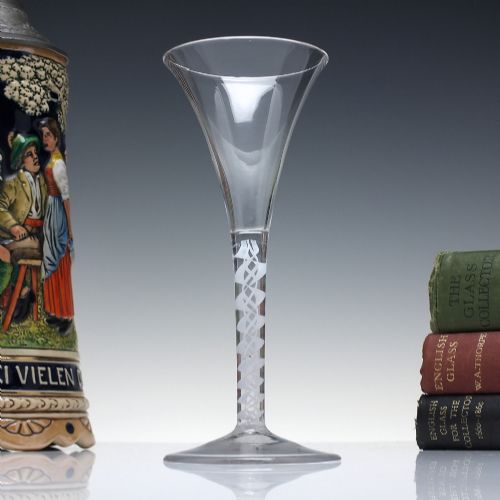
The eighteenth-century items lean heavily towards Georgian lead glass and lead crystal forms, particularly wine glasses and ale glasses featuring opaque twist stems and flute-moulded ogee bowls. Alongside these, you find nineteenth-century and twentieth-century European production, including green glass roemers, Austrian services, and Czech drinksware.
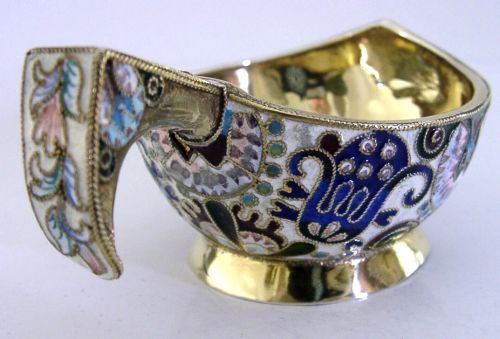
Vessels decorated with polychrome enamel or white enamel sit alongside pieces that combine glass with silver-gilt elements, such as Russian kovsh cups. The forms vary from intimate wine glasses to substantial decorative bowls and vessels designed for communal or celebratory drinking.
How they were made
The foundation of these drinking vessels lies in lead glass, clear glass, and coloured glass blown into shape by hand. Makers utilised techniques such as flute-moulding for bowls and the insertion of opaque twist threads into stems during the eighteenth century.
Decoration relied on enamel, white enamel, and polychrome enamel applied directly to the glass surface, often fixed by low-temperature firing. Metalworking skill appears on pieces that integrate solid silver-gilt mounts, particularly in Russian examples from nineteen hundred.
Antique Enamelled Drinking Glass Retail Price Guide 2026
Typical asking prices for enamelled drinking glass among the pieces listed under this phrase on Sellingantiques today, from the lower quarter to the upper quarter. They describe what is for sale here now, not the wider market.
Listings feature lead glass, lead crystal, and coloured glass decorated with enamel, white enamel, and polychrome enamel across multiple centuries.
What varies in quality
Quality rests in the crispness of the enamel application and the precision of the glassblower's hand. In eighteenth-century examples, the regularity of the opaque twist canes inside the stem separates standard production from finer workshop output.
On later pieces from the Victorian period and nineteen thirty, the vibrancy and durability of the polychrome enamel decoration determine the visual success of the object. The weight and clarity of the underlying lead glass or lead crystal also indicate the original maker's ambition.
Lobmeyer·Frits Hechert
The Antique Enamelled Drinking Glass Glossary
- Enamel
- A glassy substance fused to the surface of the glass for decoration. It provides bright colour and opaque detail.
- Lead glass
- Glass containing lead oxide, known for its clarity and heavy feel. It forms the base of many fine drinking vessels.
- Opaque twist
- A stem decoration formed of white or coloured glass threads twisted inside clear glass. This technique defines many eighteenth-century English wine glasses.
- Ogee bowl
- A bell-shaped bowl with an 'S'-shaped curve, swelling out and then flaring inward at the rim. It appears frequently on Georgian wine glasses.
- Roemer
- A traditional Germanic drinking vessel with a large bowl resting on a cylindrical stem decorated with prunts. They often feature green glass and enamel painting.
- Silver-gilt
- Silver that has been coated with a thin layer of gold. It appears on mounts and decorative elements of certain cups and vessels.
Antique Enamelled Drinking Glass: Frequently Asked Questions
How do I date an opaque twist wine glass?
Look to the form of the bowl and the construction of the stem, as eighteenth-century English makers favoured specific combinations of opaque white twists inside lead glass.
Flute-moulded ogee bowls and heavy feet typically point to production periods around seventeen sixty to seventeen seventy.
Were these enamelled glasses meant for daily use?
Many of these pieces, particularly the Georgian wine and ale glasses, were created for regular dining and social drinking of the period.
Later Victorian and Art Deco sets, including cocktail shakers and cordial services, served formal entertaining and the changing drinking habits of the early twentieth century.
How should I clean antique enamelled glass?
Wash these vessels by hand in lukewarm water using mild soap, avoiding abrasive sponges or harsh detergents that might scratch the surface.
Enamel decoration can be sensitive to prolonged soaking, so rinse and dry the glass promptly with a soft linen cloth.
What is the difference between lead glass and lead crystal?
Lead crystal generally contains a higher percentage of lead oxide, which increases the weight, refractive index, and clarity of the material.
Both materials were used across different periods to achieve the resonant ring and brilliant sparkle expected in fine drinking vessels.
Can I use antique wine glasses for dinner parties?
Using sturdy eighteenth-century or Victorian glasses adds historic character to a table setting, provided guests handle them with care.
Take stock of the rim thickness and stem fragility before serving, reserving the most delicate examples for display.