
Antique Enamel Vase
These pieces combine metalwork, ceramic, and glass with coloured fusion, and an antique enamel vase brings cabinet depth and rich surface texture to a room.
Antique Enamel Vase
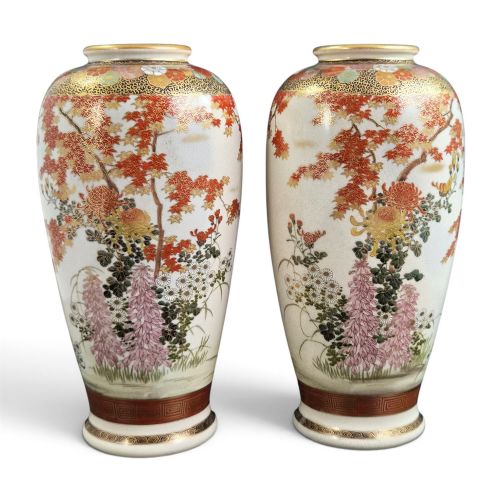
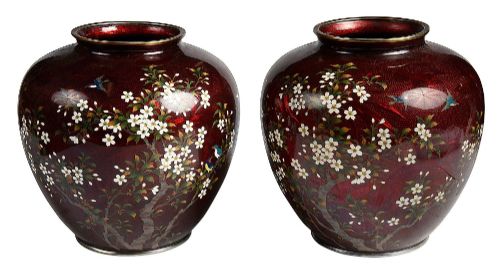
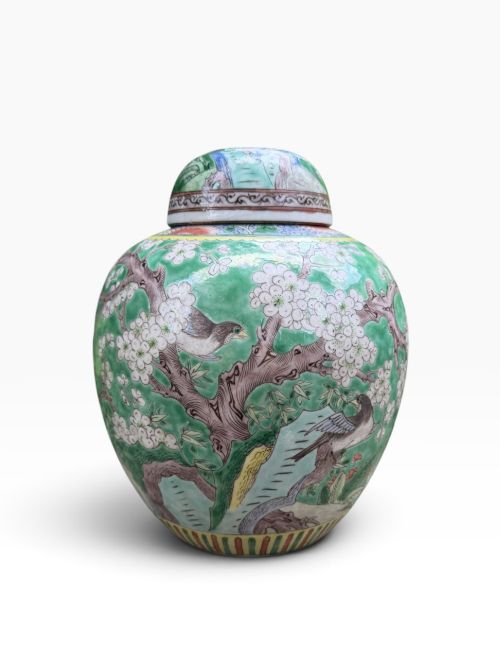
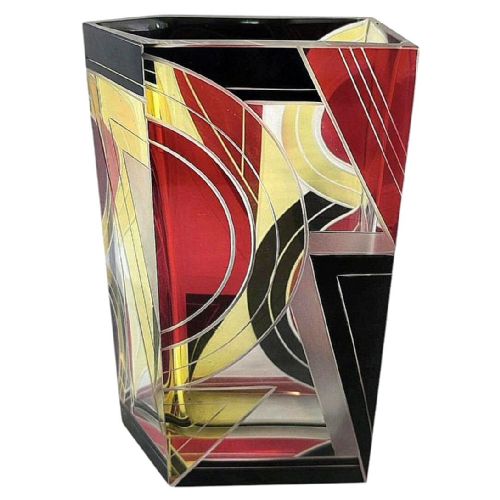
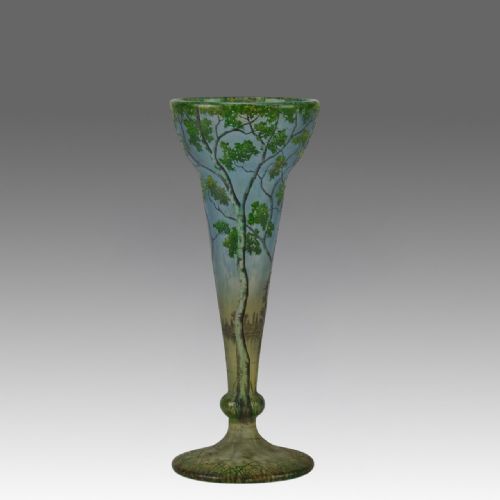
An antique enamel vase encompasses vessels shaped from brass, bronze, copper, porcelain, earthenware, and glass, decorated with fired vitreous pastes. When exploring this selection, a buyer encounters diverse forms ranging from Chinese ginger jars and cloisonné balusters to Victorian glass lustres and Art Nouveau glass bodies. These pieces originate across the nineteenth and early twentieth centuries, spanning Qing dynasty ceramics, Meiji period Japanese metalwork, and European glass houses.
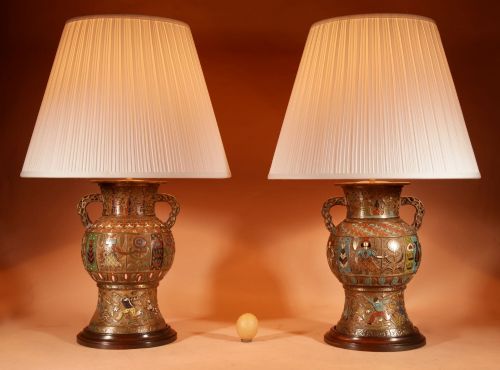
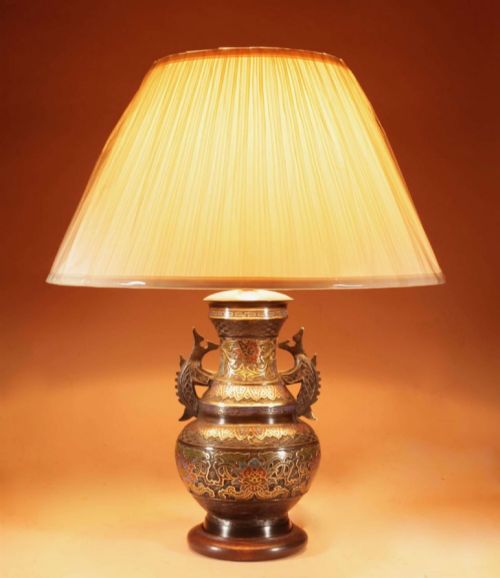
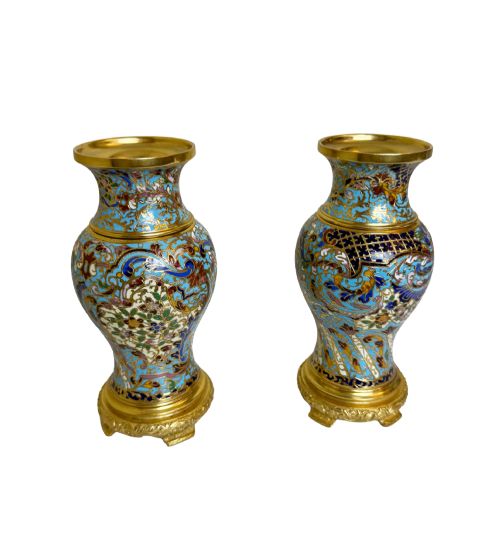
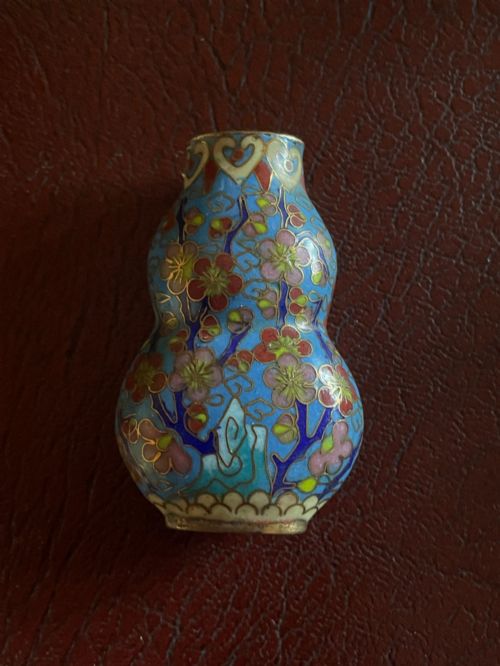
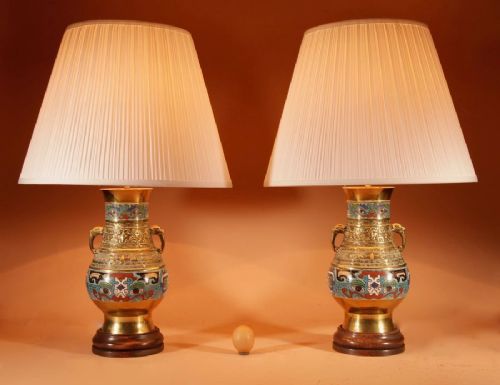
The dominant variations include cloisonné and champlevé works where metal wires or cast cells hold the coloured enamel, alongside painted enamel surfaces on copper or porcelain. Many examples take the form of mantel lustres, decorative vases, or vessels adapted into table lamps. The physical weight and presence depend entirely on the core material underneath the enamel surface, whether dense bronze or blown glass.
How they were made
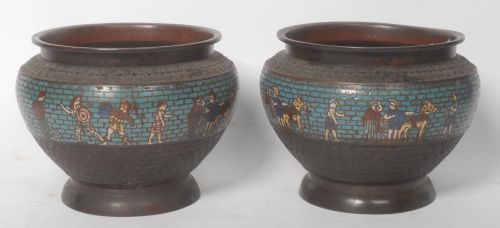
Metal vessels utilise applied wire partitions for cloisonné or recessed carved troughs for champlevé, which workers fill with powdered glass pastes before firing at high temperatures. Bronze, brass, and copper serve as the structural foundation for these intricate metallic surface patterns.
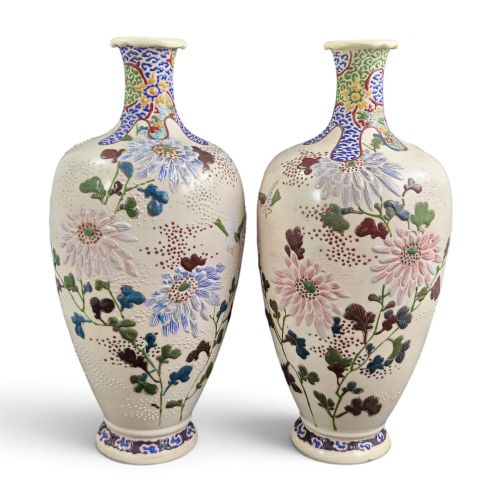
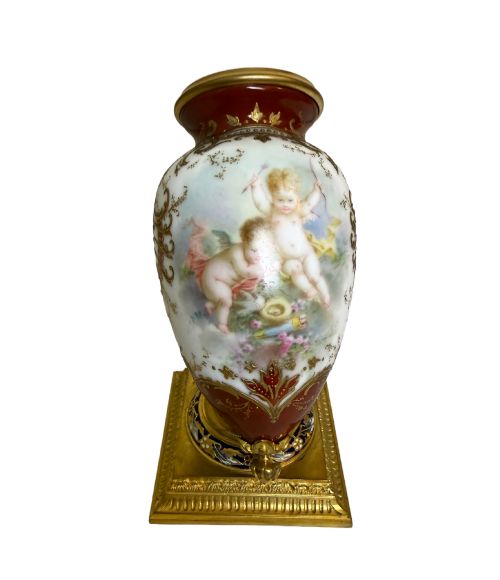
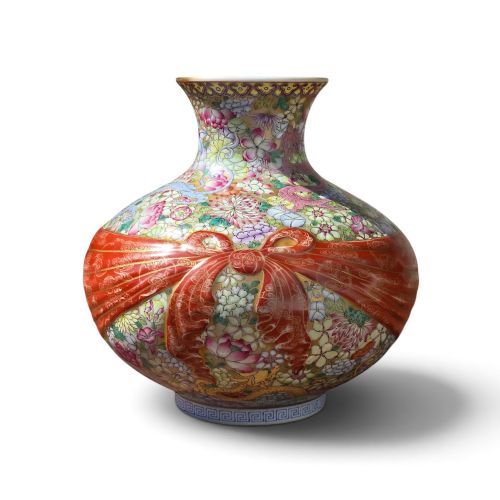
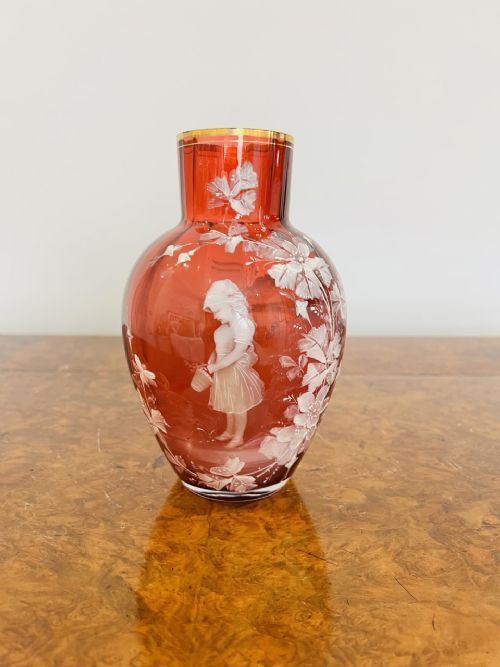
Glass and ceramic pieces combine hand-blown or thrown bodies with hand-painted enamel colours, sometimes enhanced by gold leaf details or cameo carving. Makers fuse the enamel pigments to the porcelain or glass substrate through repeated kiln firings to achieve permanent vibrancy.
Listings feature items from the eighteenth, nineteenth, and early twentieth centuries, spanning Qing dynasty China and Meiji period Japan.
What varies in quality
The standard of a piece rests upon the precision of the metalwork cells, the evenness of the fired enamel surface, and the clarity of the hand-painted details. Superior works display tight wirework without gaps, smooth vitreous fills free from heavy pitting, and crisp execution in floral or figural motifs.
Lighter or simpler productions show minor pooling in the enamel, thicker casting lines, or simplified painted decoration applied with less individual care. The baseline reputation of the maker, from documented Meiji workshops to established European glass houses, also elevates the standing of an individual vessel.
Daum Frères·Kralik Glass·Kinkōzan Workshop·Thomas Webb·Longwy
The Antique Enamel Vase Glossary
- Cloisonné
- A decorative metalwork technique where flat wires are soldered to a base to form compartments filled with enamel paste. This method creates detailed cellular patterns across vases and jars.
- Champlevé
- A technique where troughs or cells are hollowed out of a metal surface and filled with enamel before firing. The surrounding metal remains visible as raised outlines.
- Cranberry glass
- A rich red transparent glass coloured with gold chloride during production. Victorian makers frequently utilised this material for decorative table pieces.
- Famille rose
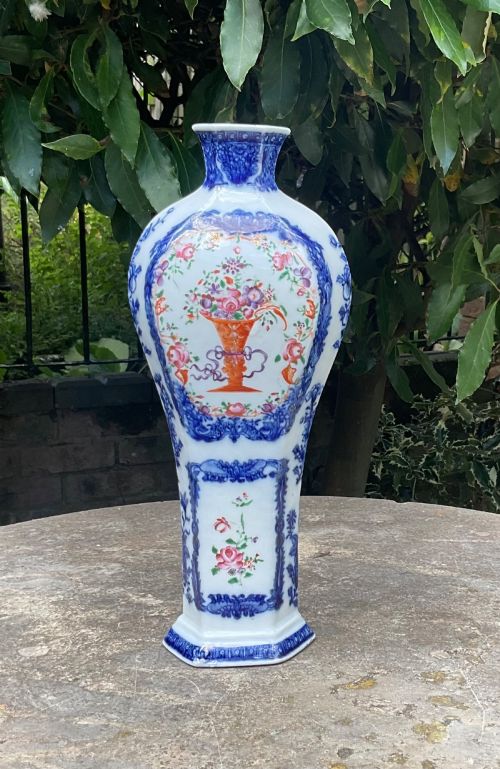
- A palette of opaque Chinese ceramic enamels dominated by pink or rose colours, introduced during the Qing dynasty. It allowed for delicate shading in floral and bird motifs.
- Lustre
- A metallic or iridescent glaze finish that reflects light with rainbow sheens. It appears on both Victorian glass items and later art pottery.
Antique Enamel Vase: Frequently Asked Questions
How do I clean an antique enamel vase?
Dust the surface gently with a soft, dry cloth to protect the fired glass areas from abrasion. Avoid liquid cleaners or chemical immersions, particularly on metal pieces with exposed wire or gilt bronze.
Older vitreous surfaces and delicate painted details react poorly to moisture and harsh friction. Professional conservation advice is recommended if a piece requires deeper attention.
Were these vases meant for holding water?
Many antique examples served purely as decorative mantel ornaments, garniture sets, or display centrepieces rather than functional flower holders. Metal-cored cloisonné and champlevé vessels often feature internal seams or joins that are not watertight.
Glass and porcelain variations can occasionally hold water, but temperature changes risk cracking historical glass or damaging internal enamel. Displaying them dry preserves the structural integrity of the base materials.
How do I date a Chinese cloisonne vase?
Dating relies on the weight of the bronze or brass body, the composition of the colour palette, and the style of the wirework. Earlier Qing pieces often exhibit heavier bronze foundations and softer, more muted enamel tones.
Later nineteenth and early twentieth-century examples display brighter chemical colours and lighter metal gauges. Comparing mark stamps or reign periods helps narrow the decade of origin.
What is the difference between cloisonne and champleve?
Cloisonné involves soldering thin metal strips onto the surface of a vase to create raised walls that contain the enamel paste. Every single outline is built up externally from the base metal.
Champlevé carves the design directly into a thick bronze or brass plate, leaving recessed channels that receive the enamel. The resulting metal boundaries are solid portions of the original wall.