



Antique Enamel Plates
These antique enamel plates and chargers bring together centuries of skilled metalwork and ceramic tradition from Japan, China and Europe.
Antique Enamel Plates
When you search for antique enamel plates, you encounter a varied group of decorative vessels including chargers, dishes and trays. These pieces stem from the seventeenth century through to the twentieth century, originating primarily from Japanese workshops and Chinese kilns.
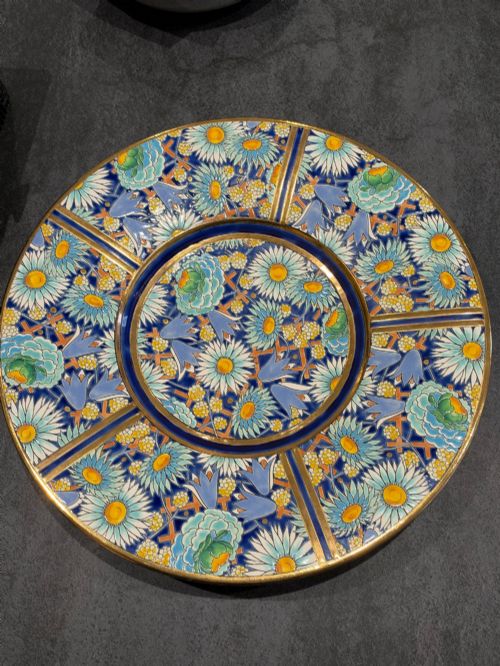
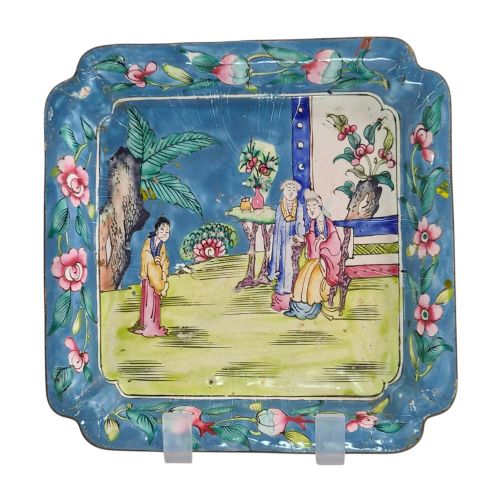
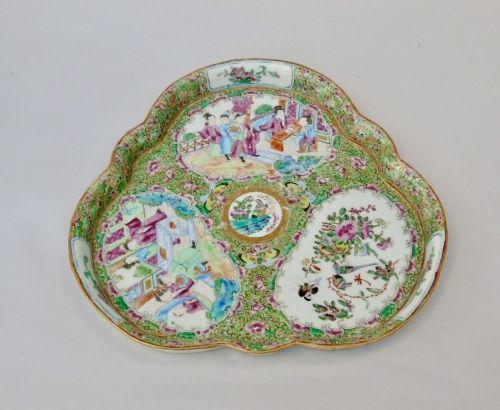
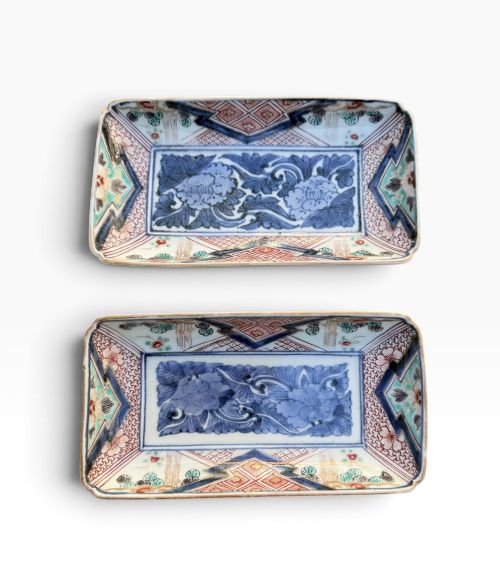
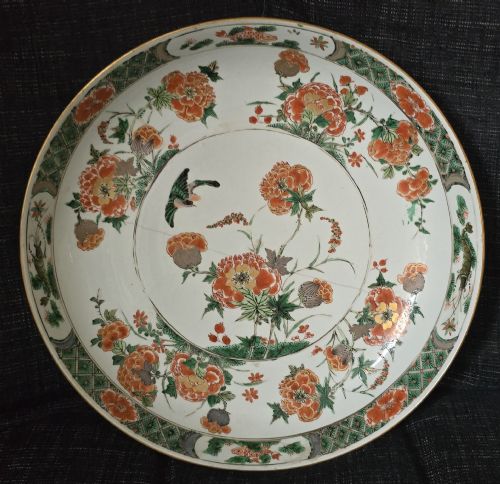
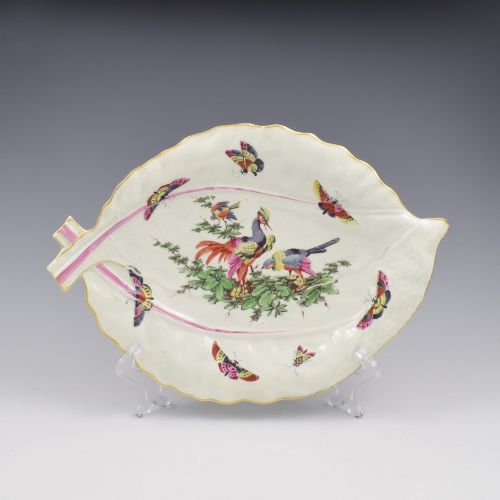
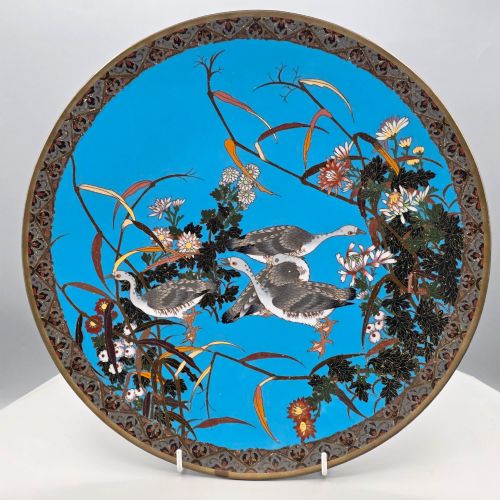
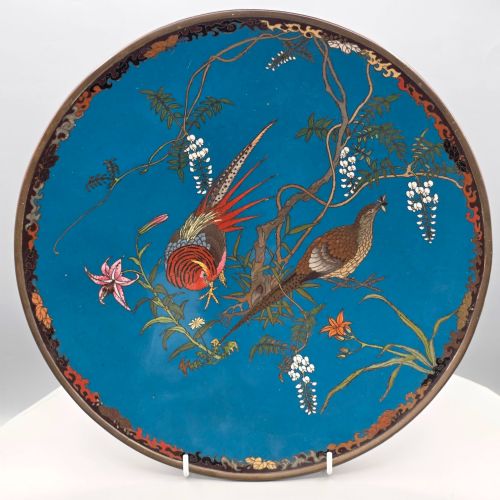
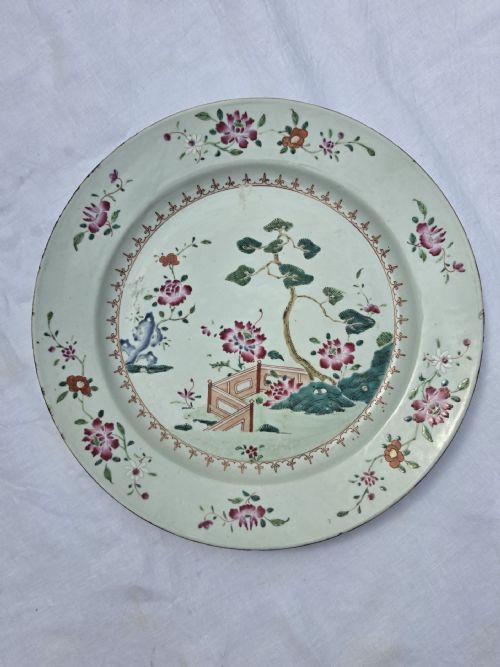
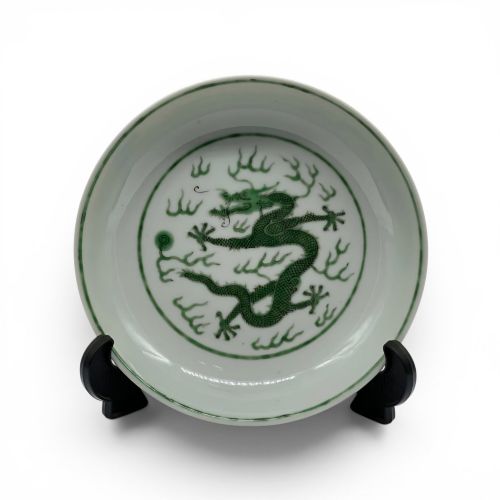
The selection on this page leans heavily toward Japanese cloisonne chargers from the Meiji period alongside Chinese porcelain dishes and chargers decorated with famille rose and famille verte palettes. Formats range from large circular chargers depicting birds and landscapes to smaller octagonal and square trays.
Materials and construction methods
The physical construction of these objects relies on metal bases or porcelain bodies fused with vitreous pastes. Japanese cloisonne pieces use thin metal wires soldered to a copper or brass body to create cells, which are then filled with coloured enamel and fired.
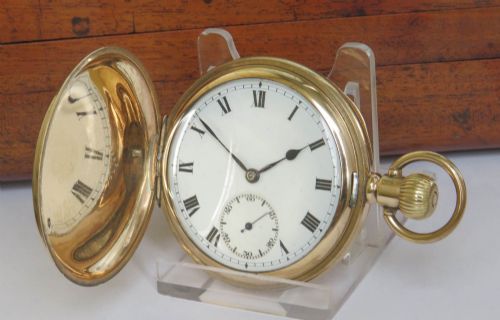
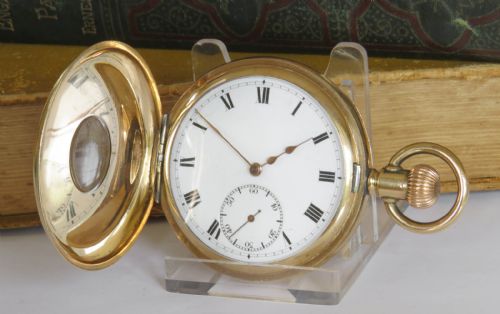
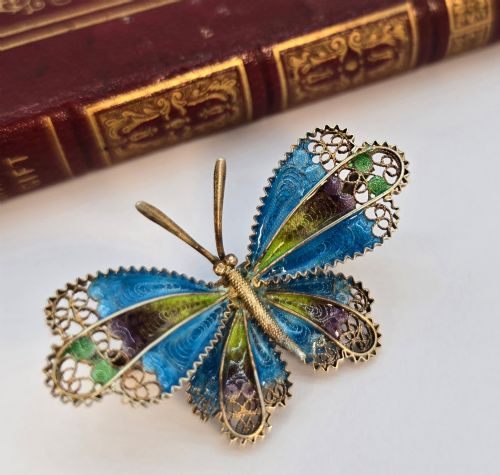
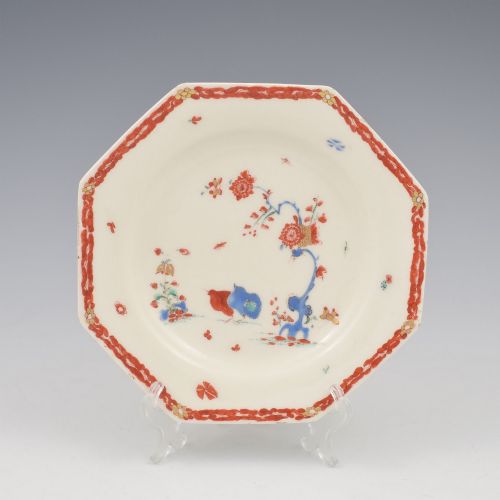
Porcelain dishes utilise hard-paste clay bodies painted with mineral pigments, often finished with gilt or iron-red accents. Materials such as gold leaf, gold plate and glass also appear across specific pocket watches and brooches within the wider selection.
Antique Enamel Plates Retail Price Guide 2026
Typical asking prices for enamel plates among the pieces listed under this phrase on Sellingantiques today, from the lower quarter to the upper quarter. They describe what is for sale here now, not the wider market.
Listings span the seventeenth to the twentieth century, combining copper cloisonne, porcelain, and silver gilt.
Evaluating the standard of execution
Quality rests upon the precision of the metalwork and the clarity of the fired surface. In cloisonne pieces, finer wirework and an absence of pitting or surface bubbles separate meticulous workshop output from standard production.
For ceramic plates, the crispness of the painted detail and the control of the glaze during firing dictate the caliber of the piece. Imperial-style or signed Japanese examples demonstrate greater discipline in composition and detail.
Limit Revue·Record
The Antique Enamel Plates Glossary
- Cloisonne enamel
- A decorative metalwork technique where fine metal wires form raised barriers to hold coloured glass pastes before firing. This method creates distinct cellular patterns across chargers and plates.
- Famille rose
- A palette of opaque overglaze enamels dominated by pink or rose colours, introduced to Chinese porcelain during the eighteenth century. It allowed for delicate gradations in floral and figural scenes.
- Meiji Period
- The era of Japanese history lasting from 1868 to 1912, noted for technical mastery in metal arts and cloisonne production. Chargers from this period often display naturalistic motifs like birds and flowers.
- Charger
- A large decorative plate utilised primarily for display rather than dining. These substantial pieces provide a wide surface for complex pictorial designs.
- Imari porcelain
- A style of Japanese export porcelain featuring underglaze blue and overglaze iron red and gold. It gained popularity in European collections from the seventeenth century onward.
Antique Enamel Plates: Frequently Asked Questions
What are antique enamel plates?
These pieces are decorative dishes and chargers made using vitreous enamel fused onto metal bases, or ceramic surfaces decorated with enamelled pigments. They originate from diverse traditions including Japanese Meiji workshops and Chinese export kilns.
Collectors prize them for their vibrant palettes and intricate pictorial designs depicting birds, landscapes and floral motifs. They serve primarily as wall hangings or cabinet display items rather than functional tableware.
How were these decorative chargers used?
Historical chargers and large dishes were designed to display wealth and artistic taste in formal rooms. Their substantial size made them ideal for mounting on walls or setting upright on sideboards.
Smaller trays and plates functioned as catchalls or ornamental table settings within affluent households. Today, collectors continue to use them as focal points in interior decoration.
How do I care for antique enamel plates?
Maintenance requires gentle handling to protect both the delicate metal wires of cloisonne and the vitrified surface layers. Dusting with a soft, dry cloth is sufficient for routine upkeep.
Keep these objects away from direct sunlight to prevent colour fading, and avoid abrasive cleaning agents or moisture. Displaying them on stable brackets ensures they remain secure.
How do I tell Japanese and Chinese pieces apart?
Distinguishing between these origins involves examining the base material and decorative style. Japanese pieces on this page frequently utilise copper or brass foundations with wire-worked cloisonne enamel.
Chinese examples in the selection tend to be porcelain bodies painted with famille rose or famille verte enamels. Markings on the base, where present, offer further clues to the specific dynasty or period of manufacture.