



Antique Enamel Pill Box
When acquiring an antique enamel pill box, you hold a pocket-sized canvas of fused glass and metal shaped by centuries of European and Asian workshops.

Antique Enamel Pill Box
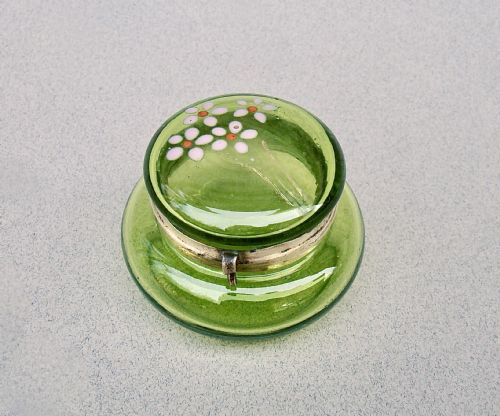
An antique enamel pill box encompasses small lidded receptacles designed originally for medicinal pills, cosmetic patches, or snuff, drawing collectors towards portable miniature art.
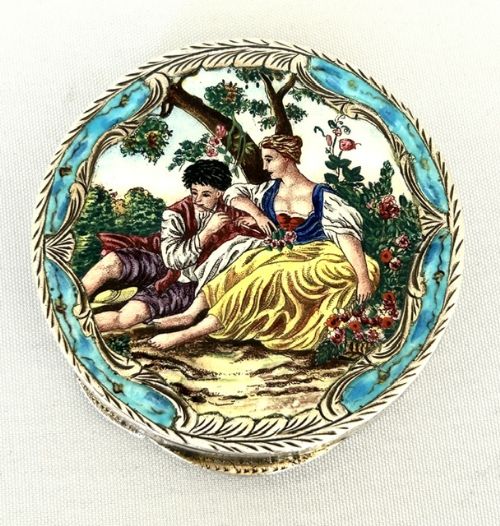
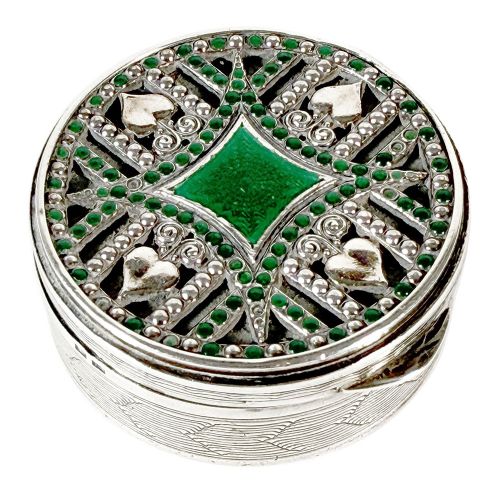
The items found here span eighteenth-century English production from Bilston and South Staffordshire to twentieth-century sterling silver and guilloché examples from Austria, Russia, and France.
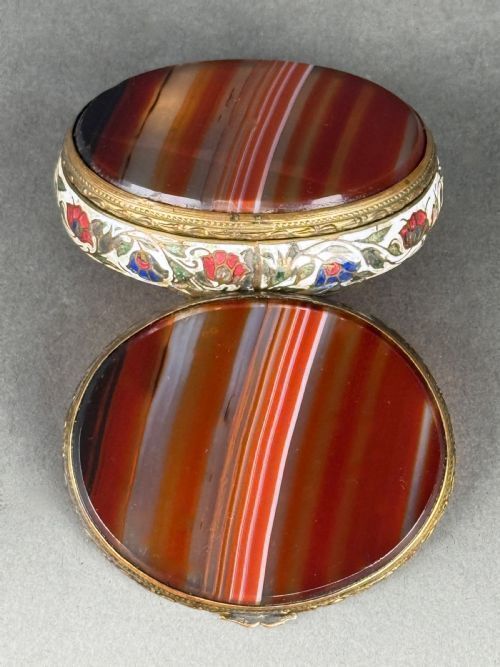
Forms vary from simple round or oval receptacles to hinged trinket boxes, patch boxes fitted with interior mirrors, and novelty shapes like animals.
How They Were Made
Vitreous enamel powdered glass was fused to metal bases such as copper, brass, or sterling silver through intense kiln firing, creating a smooth glossy coloured surface.
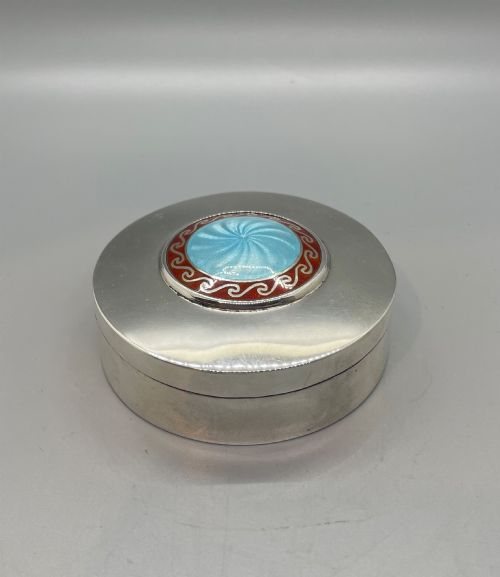
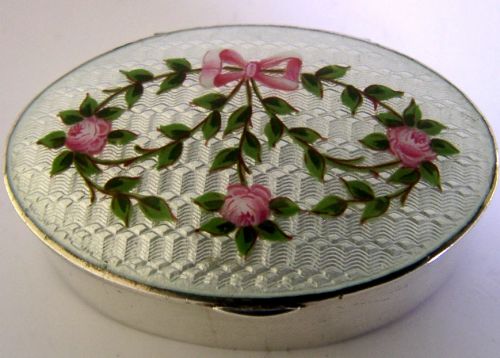
Many twentieth-century pieces applied translucent enamel over engine-turned guilloché metal grounds, allowing geometric patterns to show through vibrant colour.
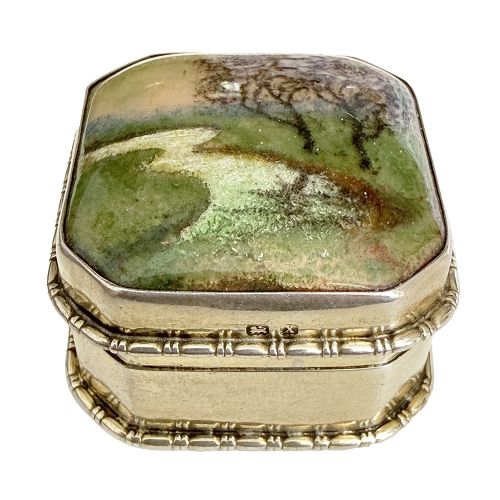
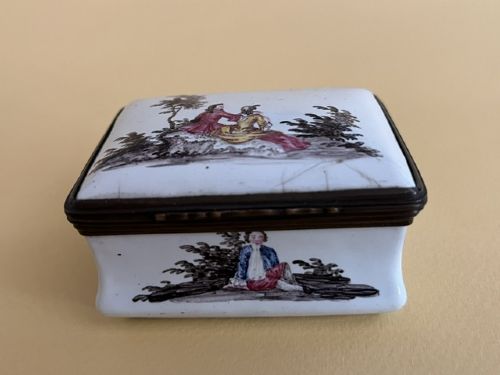
Earlier eighteenth-century English pieces frequently utilised hand-painted pastoral scenes or inscriptions directly onto a white enamel ground over a copper body.
Antique Enamel Pill Box Retail Price Guide 2026
Typical asking prices for enamel pill box among the pieces listed under this phrase on Sellingantiques today, from the lower quarter to the upper quarter. They describe what is for sale here now, not the wider market.
Listings feature eighteenth-century English copper patch boxes alongside twentieth-century sterling silver and guilloché enamel pieces from Austria and Russia.
What Varies in Quality
Quality rests upon the crispness of the enamel work, the complexity of underlying engine-turned patterns, and the delicacy of hand-painted scenic details.
The integrity of the metal mounts, hinges, and closures dictates the structural success of the box, alongside any original silver-gilt finishes.
Fleetwood Varley·George Adam Scheid·Khlebnikov
The Antique Enamel Pill Box Glossary
- Guilloché
- A decorative mechanical technique whereby precise intricate geometric patterns are engraved into a metal substrate before translucent enamel is applied. This method catches light differently depending on the depth of the cuts beneath the glassy layer.
- Bilston enamel
- A term applied to eighteenth-century painted enamel trinket and patch boxes produced in Staffordshire workshops. These items often featured copper bodies coated in white enamel and decorated with copperplate transfers or hand-painted motifs.
- Vinaigrette
- A small hinged container housing a perforated inner grille that held a sponge soaked in aromatic vinegar. Victorians and Georgians carried these in pockets to mask unpleasant odours in public spaces.
- Champlevé
- An enamelling technique where troughs or cells are hollowed out of a metal plate and filled with enamel paste before firing. The surrounding metal walls remain visible as part of the final design.
Antique Enamel Pill Box: Frequently Asked Questions
What were antique enamel pill boxes used for?
These small receptacles originally held medicinal pills, scented lozenges, or cosmetic adhesive patches used during the eighteenth and nineteenth centuries.
Wealthy owners carried them inside pockets or reticules for daily convenience and social display.
How do I clean an antique enamel box?
Enamel surfaces require only gentle dusting with a soft dry cloth to remove surface particles.
Harsh chemical dips and abrasive polishes must be avoided to protect both the vitreous glass and the underlying metal mounts.
Are eighteenth-century and twentieth-century enamel boxes different?
Eighteenth-century examples typically feature hand-painted copper bodies with opaque white enamel grounds and simple brass hinges. Twentieth-century pieces more often utilise sterling silver mounts combined with machine-engraved guilloché enamel.
How can I tell Bilston enamel from later pieces?
Bilston pieces display characteristic eighteenth-century copper construction under hand-painted opaque enamel, often featuring period inscriptions or transfer prints. Later twentieth-century items usually bear silver hallmarks and machine-turned patterns.