
Antique Embroidered Textile
An antique embroidered textile brings centuries of meticulous needlework, vibrant silk thread, and cultural history straight onto a wall or into a collection.
Antique Embroidered Textile
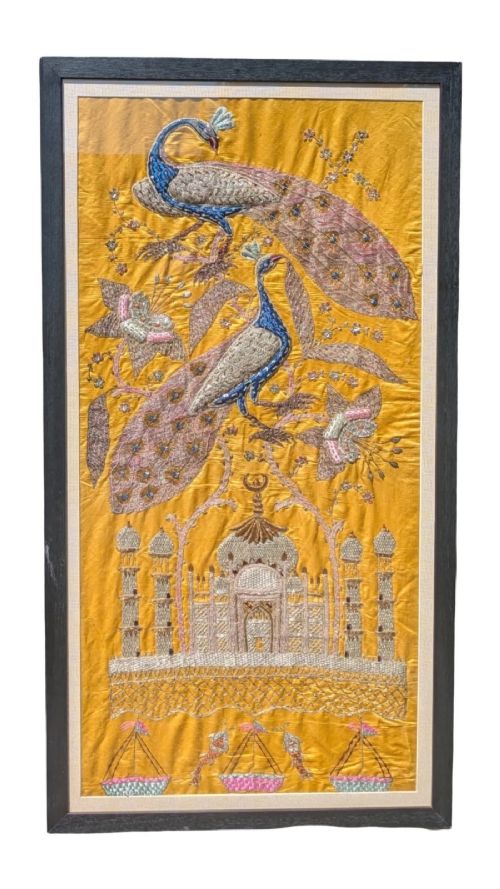
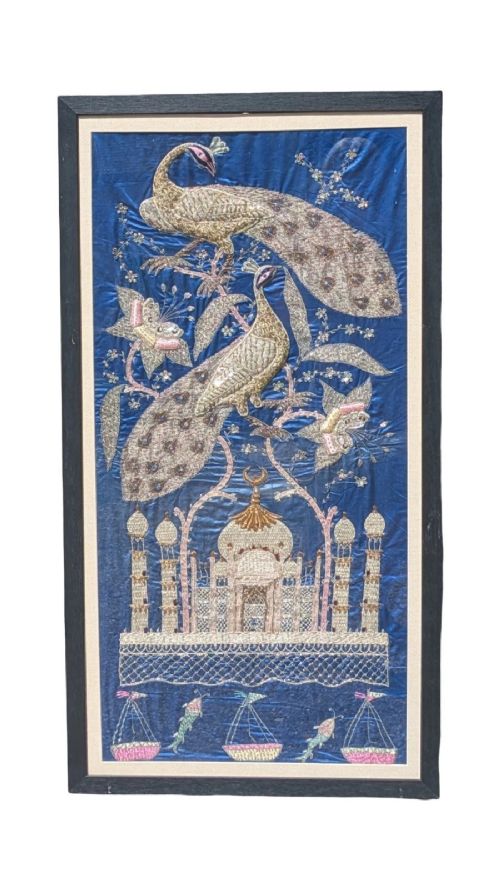
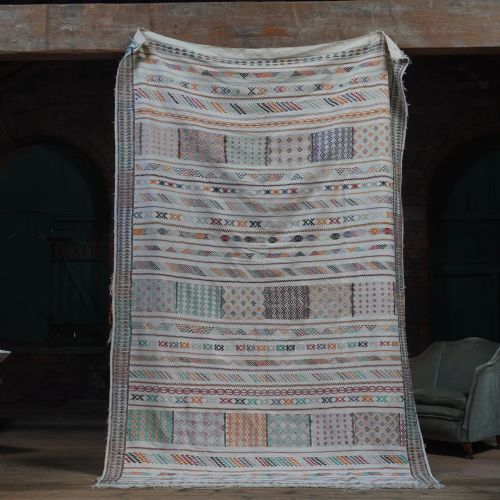
When you search for an antique embroidered textile, you encounter everything from elaborate Central Asian suzanis and tribal dowry hangings to European samplers and framed silk panels. These pieces span centuries, originating from diverse traditions such as Ottoman ateliers, English needlework rooms, and Uzbek tribal communities.
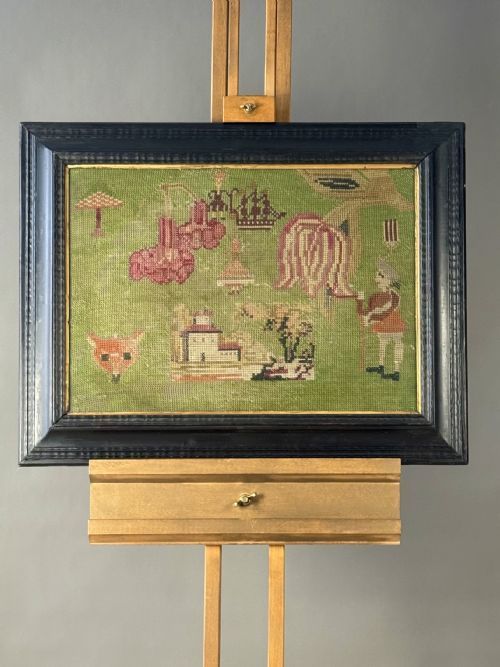
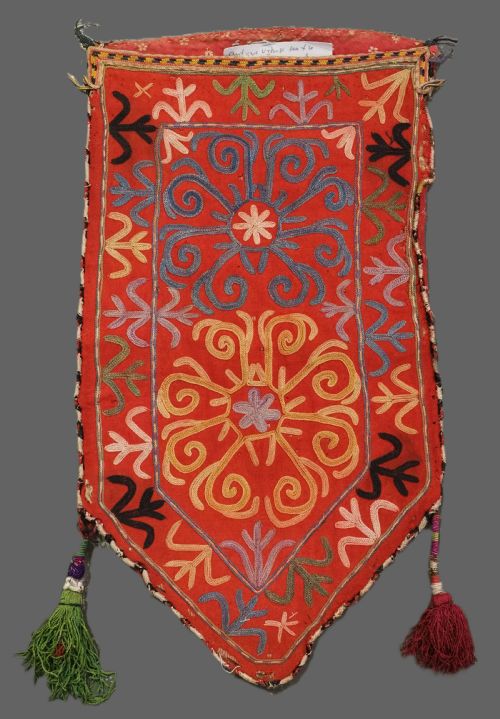
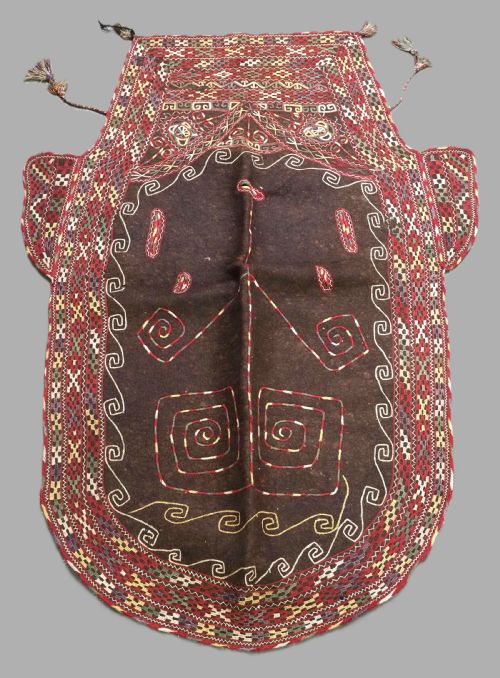
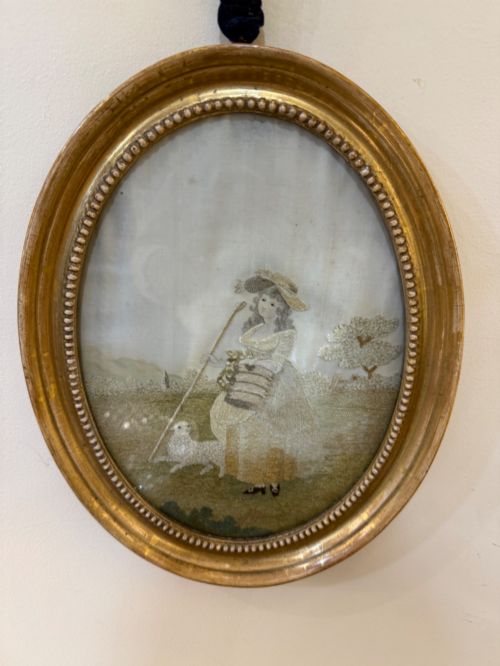
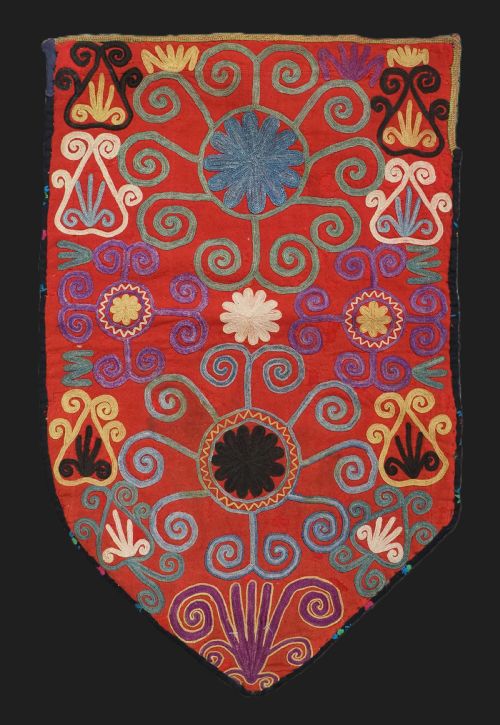
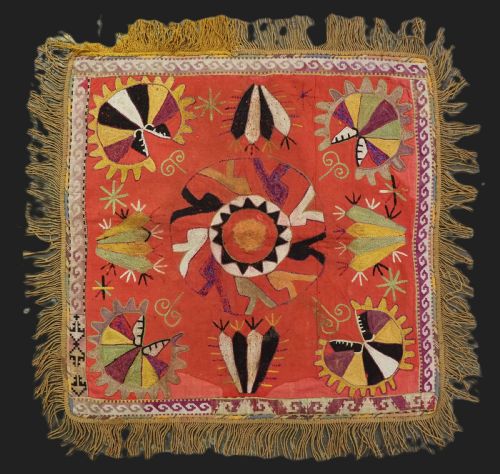
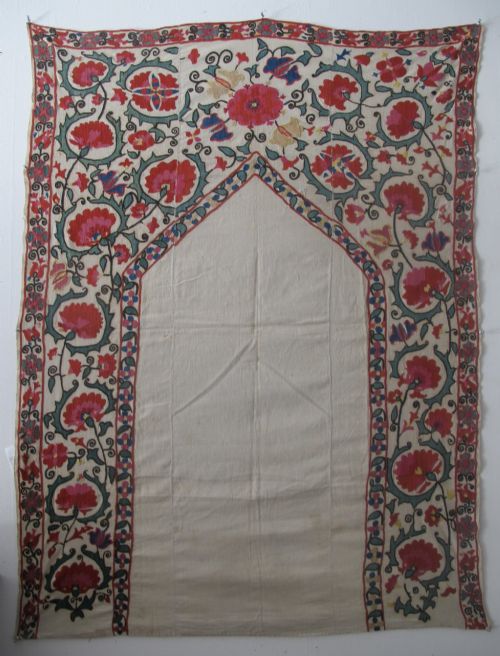
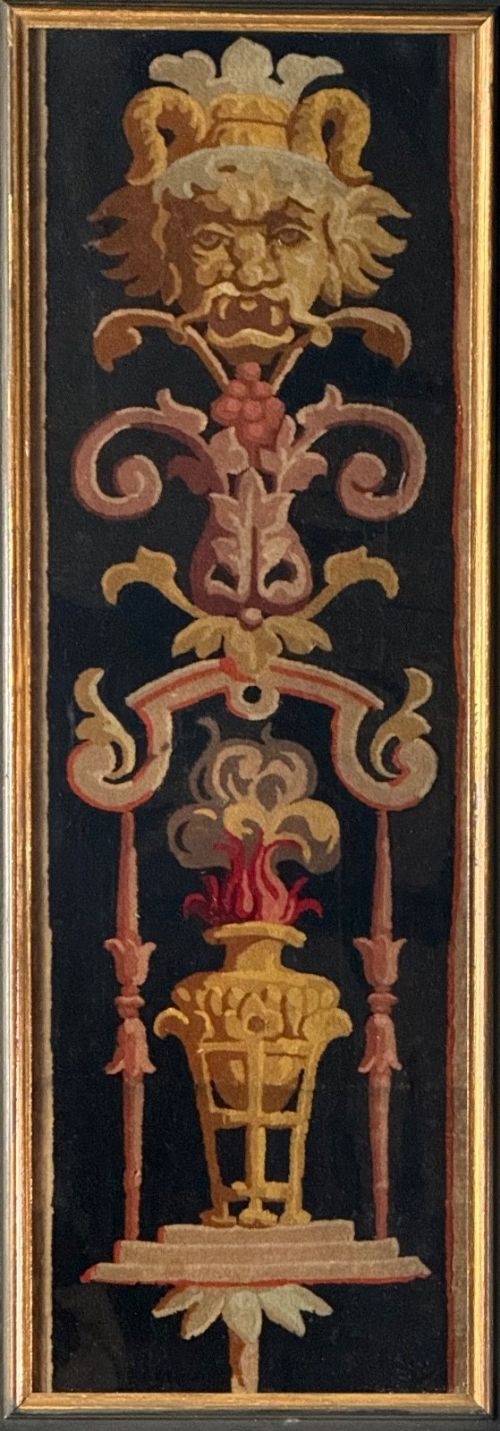
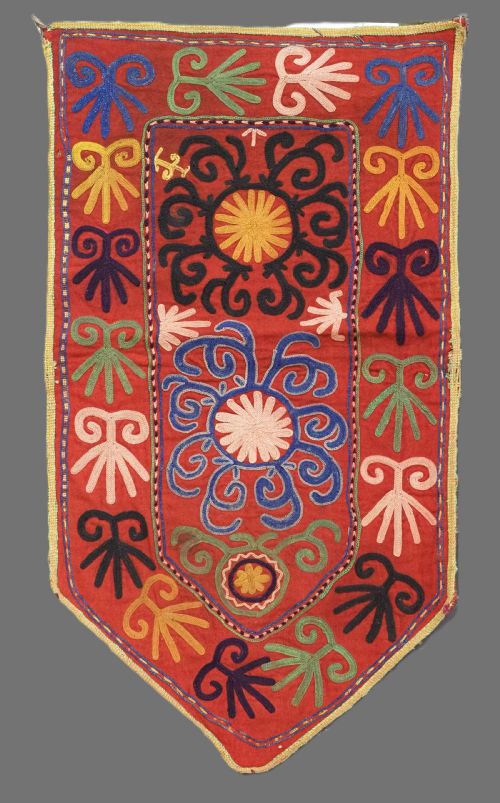
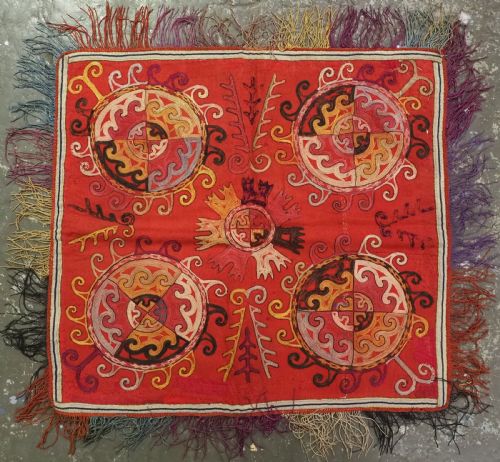
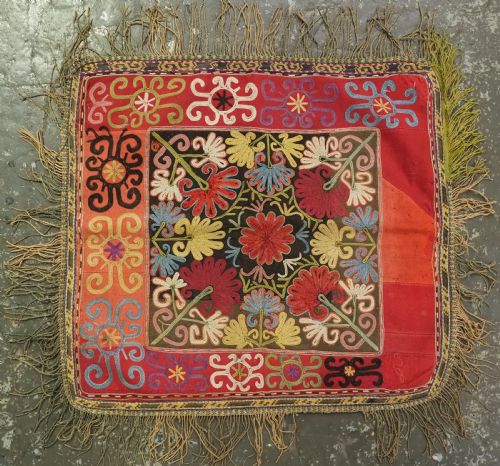
On this page, the most common pieces you meet are Central Asian tribal works, particularly Uzbek Lakai ilgiches and full-scale suzanis featuring intricate needlework on linen, cotton, or silk grounds. You also find British and European examples, including Georgian samplers and framed floral panels dating from the seventeenth to the nineteenth centuries.
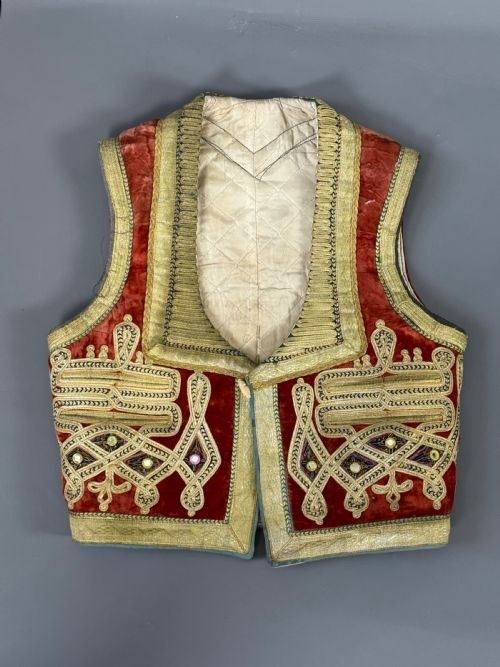
Forms vary widely according to their original domestic or ceremonial function, ranging from wall hangings and textile panels to horse blankets, waistcoats, and mirror covers. Each surviving object demonstrates the specific decorative customs of its maker and era, preserved through careful framing or gentle display.
How they were made
Makers utilised natural foundation fabrics such as tightly woven linen, plain cotton, wool, and heavy silk as the base for their designs. These grounds received dense applications of hand-spun silk thread, wool work, and metallic thread.
Techniques relied entirely on skilled hand-sewing, employing specialised stitches including crewelwork, needlepoint, and fine chain stitch. Artisans worked freehand or followed drawn outlines to build up complex floral, geometric, and figurative motifs.
Specialised regional methods defined the production, such as the tambour work seen on Central Asian suzanis or the counted-thread techniques utilised in European samplers. Completed works were often mounted, lined, or framed behind glass to protect the delicate threads from wear.
Several embroidered panels preserve the specific stitches of young hands learning their alphabet on Georgian maps of England.
What varies in quality
The density and precision of the needlework dictate the calibre of the piece, separating rapid commercial output from master artisan production. Tightly packed stitches and complex, well-executed geometry or naturalism indicate superior execution.
The vibrancy and integrity of the original materials play a major role, particularly the retention of natural dye colours in the silk and wool threads. Pieces with minimal fading, intact metallic thread, and sound foundation fabric command greater attention.
Compositional balance and the originality of the design distinguish exceptional examples from standard specimens. Harmonious colour palettes and confident draughtsmanship reflect the high skill level of the original maker.
The Antique Embroidered Textile Glossary
- Suzani
- An embroidered tribal wall hanging from Central Asia, typically worked in silk on a cotton or linen ground with bold floral patterns.
- Ilgich
- A specific type of Central Asian dowry embroidery produced by tribal makers for domestic wall display.
- Crewelwork
- A traditional form of surface embroidery utilising wool thread on a heavy linen or cotton twill fabric.
- Sampler
- A piece of needlework produced to demonstrate a maker's proficiency in various stitches, alphabets, and pictorial motifs.
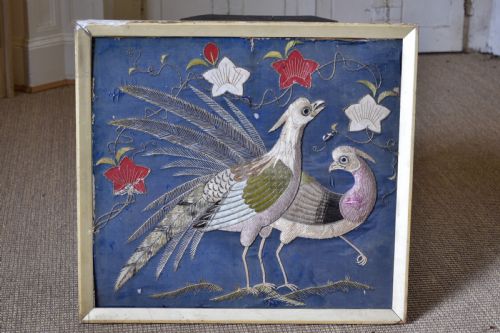
- Rank badge
- A square embroidered patch worn on official robes in imperial China to indicate civil or military status.
- Uut kap
- A large ceremonial storage bag produced by Central Asian tribes, richly decorated with surface embroidery.
Antique Embroidered Textile: Frequently Asked Questions
How were antique embroidered textiles used?
Many of these pieces served practical or ceremonial functions within domestic life, acting as wall hangings, bedding, horse blankets, or dowry items rather than mere decorative pictures. Communities created them for specific cultural events, marriages, or daily household display.
Over time, surviving fragments and complete textiles transitioned into collector's items. Today, owners typically mount and frame them under glass to preserve the fragile silk and wool threads from environmental damage.
How can I tell an Ottoman piece from a Central Asian one?
Ottoman embroideries frequently display stylised florals, metallic threads, and courtly motifs executed on fine silk or linen foundations. They reflect the formal design traditions of urban workshops and imperial centres.
Central Asian pieces, such as suzanis and Lakai tribal works, rely on bolder geometric arrangements, vibrant colour contrasts, and distinctive tambour stitch embroidery on heavy cotton grounds. The regional patterns and tribal iconography immediately distinguish them from European or Ottoman output.
What is the difference between a sampler and a panel?
A sampler functions as a practice piece where a maker, often young, stitches alphabets, numerals, and varied decorative motifs to record skill. They frequently include signatures, dates, and geographic references like maps.
A panel is a completed decorative composition intended for upholstery, clothing, or wall display, showing a unified pictorial or abstract design without practice alphabets. These objects were finished items created for specific domestic or ceremonial settings.