




Antique Embroidered Artwork
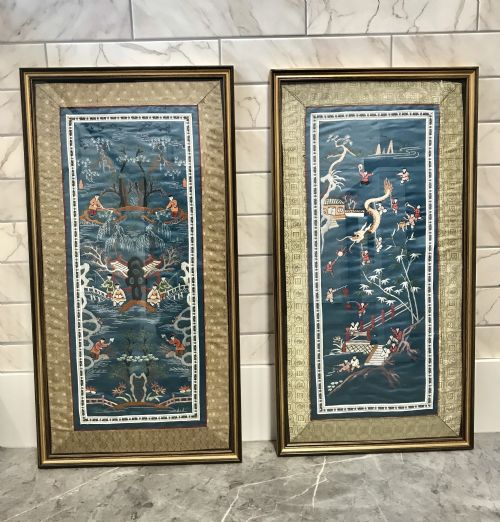
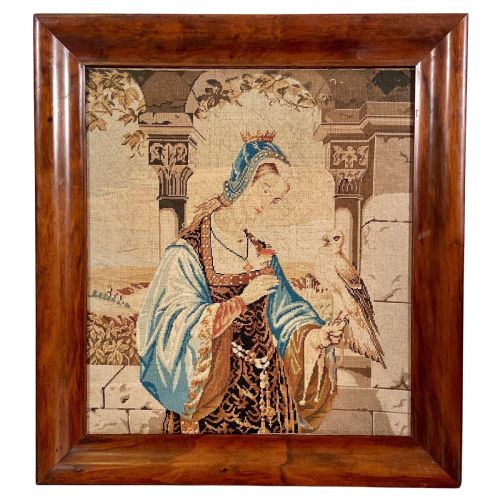
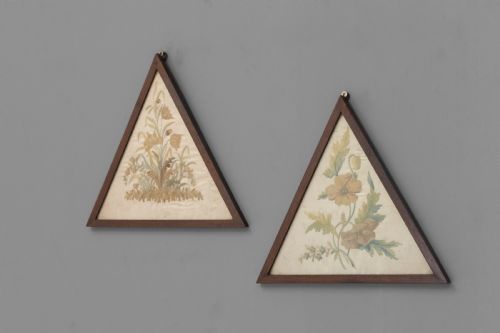
These pieces of antique embroidered artwork bring together silk, wool, and linen threads into needlework pictures, samplers, and framed panels.
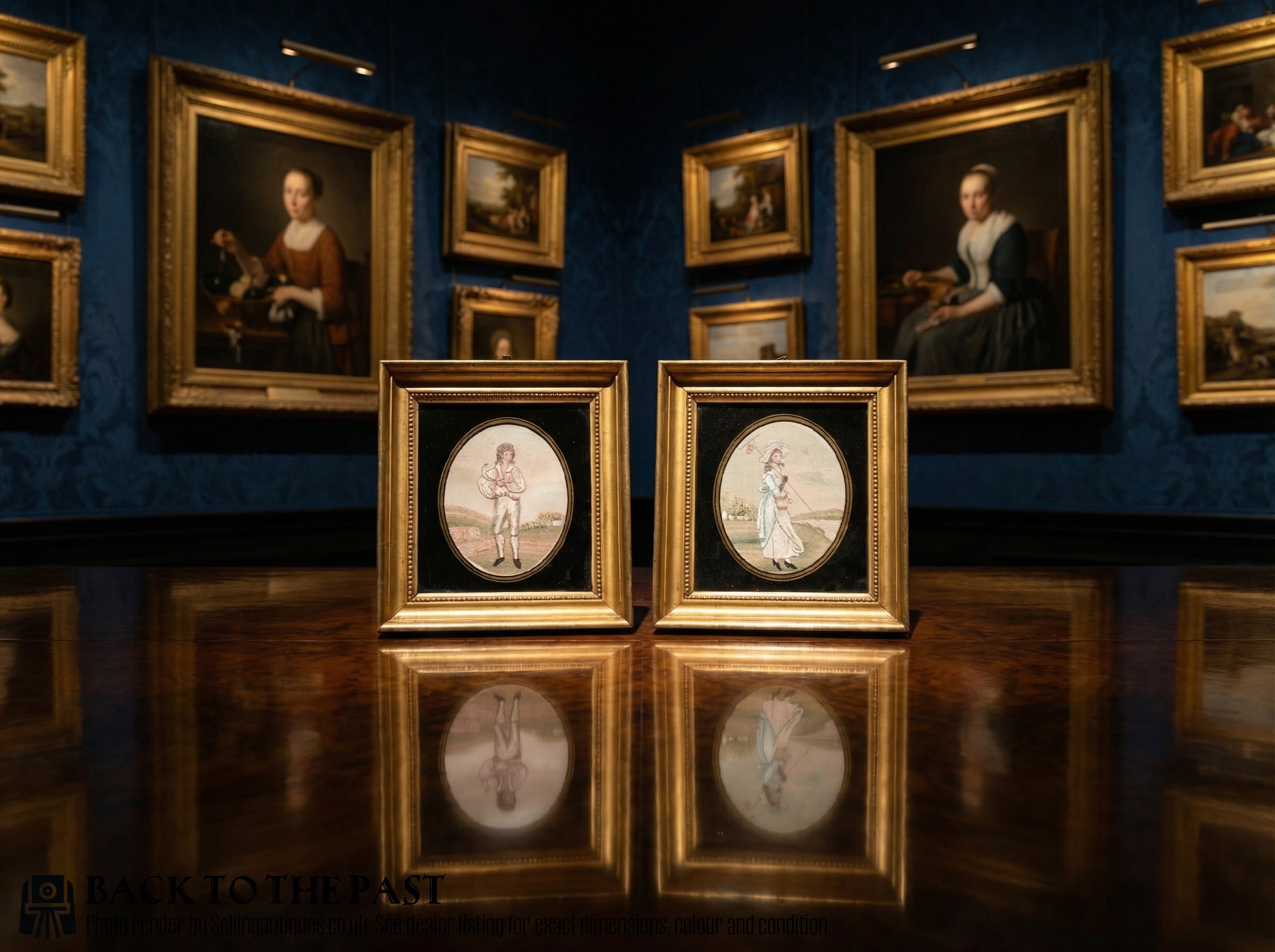
Antique Embroidered Artwork
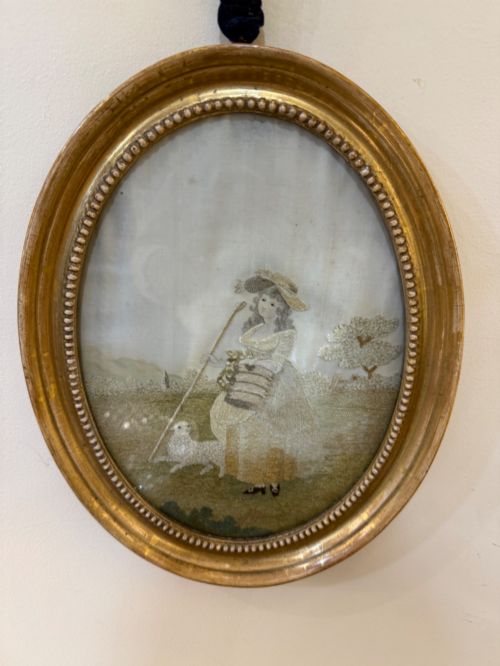
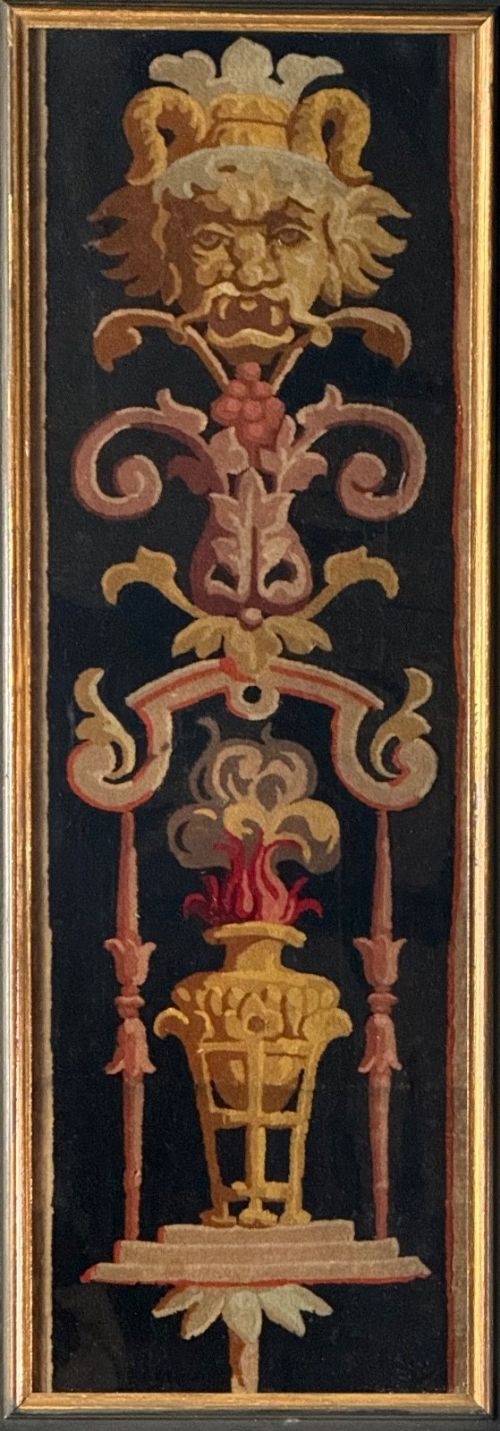
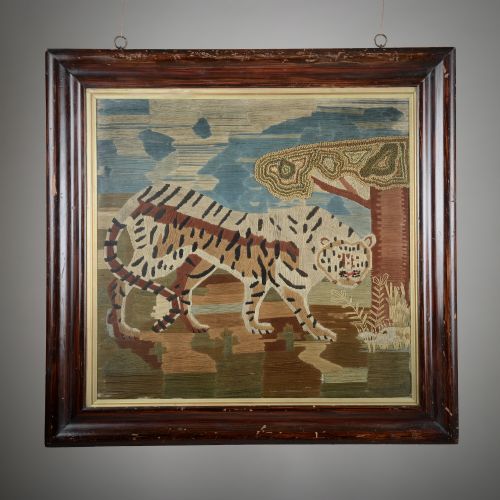
When you search for antique embroidered artwork, you encounter wall art, needlework pictures, samplers, and framed textile panels spanning several centuries. The selection ranges from 17th century continental panels and 18th century George III pastoral scenes to 19th century woolwork pictures, samplers, and silk embroidery.
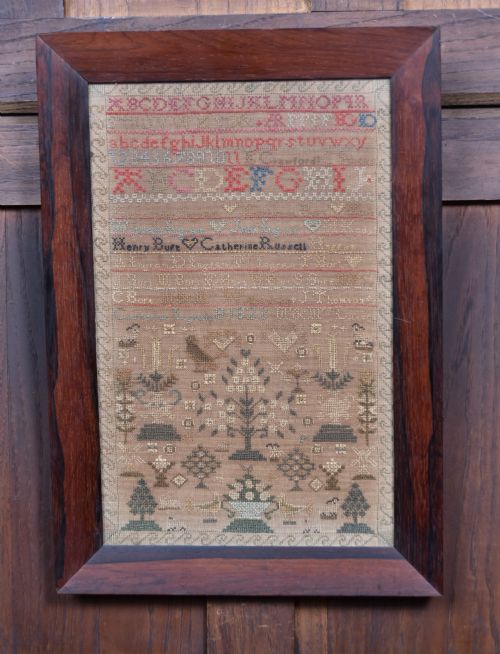
You are most likely to meet 18th and 19th century English and continental examples, including map samplers, alphabet samplers, and silkwork pictures depicting figures, landscapes, and animals under glass in wooden or giltwood frames.
Materials and construction methods
Maker execution relies on silk, wool, thread, and linen worked across canvas or fabric grounds, often mounted within wooden or giltwood frames and protected behind glass.
Techniques span crewel work, long stitch, tapestry, and hand sewing, sometimes paired with specialised framing methods such as verre églomisé panels.
Listings feature periods from the 17th century through the Victorian era, utilising silk, wool, linen, glass, and giltwood.
Factors that define quality
Quality rests on the precision of the needlework and the complexity of the composition, distinguishing simple educational samplers from finely detailed silk pictures of figures or landscapes.
The survival of the original materials, the vibrancy of the silk and wool threads, and the integrity of period frames such as giltwood or verre églomisé determine the standing of each piece.
The Antique Embroidered Artwork Glossary
- Sampler
- A piece of needlework produced as a demonstration or test of skill, often featuring alphabets, numerals, and moral verses.
- Verre églomisé
- A process of applying cold gilding and painting to the rear of glass, frequently used for decorative picture borders.
- Crewel work
- A type of embroidery utilising wool yarn to create textured patterns and pictorial scenes on linen or twill grounds.
- Giltwood
- Wood that has been coated with gold leaf or a gold-coloured finish, common in period picture frames.
Antique Embroidered Artwork: Frequently Asked Questions
How should I hang antique needlework?
Keep textile art away from direct sunlight to prevent the silk and wool threads from fading over time.
Ensure the room maintains stable humidity levels to protect both the fabric ground and the original wooden frame.
What subjects appear in these embroideries?
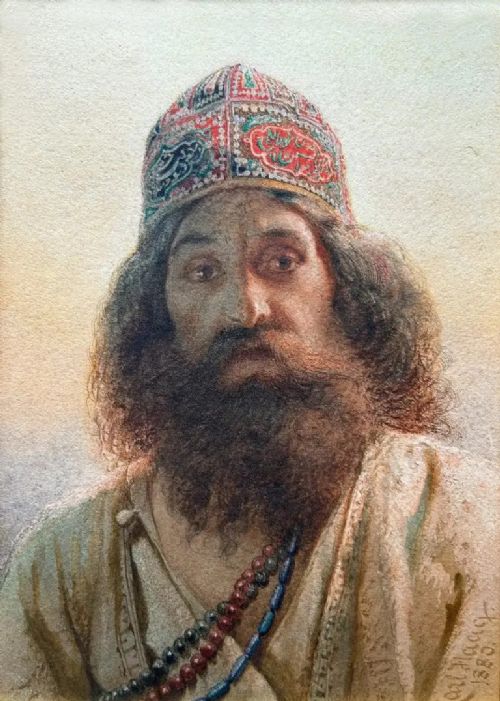
The subjects range from religious figures and classical portraits to pastoral farming scenes, horse racing tracks, and maps.
Alphabet samplers and scriptural texts also feature prominently among the domestic and decorative works.
How can I tell the period of a sampler?
Dates, maker names, and specific lettering styles often appear directly worked into samplers, providing clear chronological markers.
Stylistic shifts in framing materials, such as octagonal giltwood or verre églomisé glass, offer further clues to the decade of creation.
Are these pieces usually framed?
Most antique embroidered artworks survive behind glass within wood, giltwood, or specialised decorative frames.
This framing protects the delicate silk and wool threads from dust and environmental handling.