




Antique Embossed Mirror
An antique embossed mirror brings tactile warmth and reflective depth to a room through beaten metal or moulded detail.
Antique Embossed Mirror
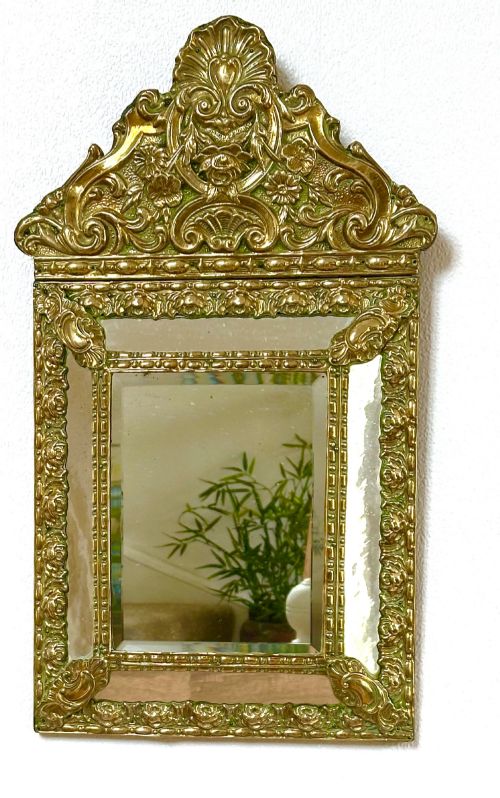
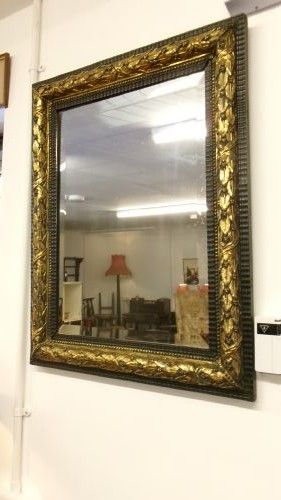
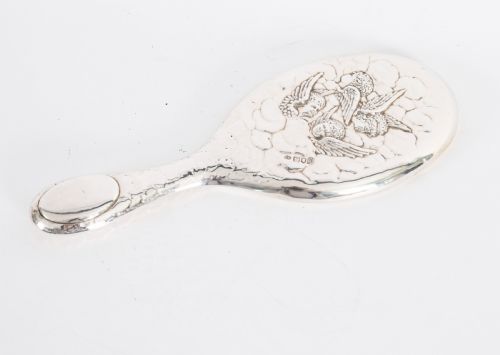
When you search for an antique embossed mirror, you encounter pieces spanning the Victorian, Edwardian, and Art Deco eras, alongside the Arts and Crafts movement. The selection ranges from small sterling silver hand mirrors and dressing table accessories to large wall mirrors, overmantels, and cushion framed Dutch pieces.
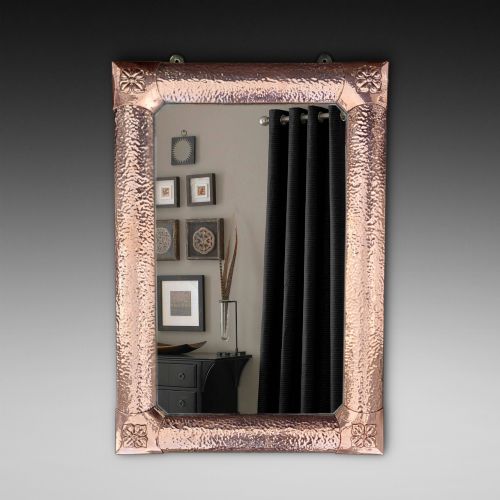
The most common examples on this page utilise beaten copper and pressed brass frames. These metal surrounds often feature floral motifs, stylised trees, or geometric patterns typical of turn of the twentieth century design.
How they were made
Metalworking techniques define these pieces, particularly repoussé and pressed brass work where artisans hammered or stamped designs from the reverse side to create raised surface relief. Copper and brass frames often surround bevel-edged mirror glass, backed by wood or fitted with brass mounts.
Sterling silver items rely on silversmithing and hallmarking, while other variants incorporate moulded gesso frames, leather panels, or carved wooden details. Materials like velvet and glass complete the construction of these decorative objects.
Materials recorded across the selection include sterling silver, copper, brass, leather, gesso, and wood.
What varies in quality
The depth and crispness of the metalwork set individual pieces apart, separating mass-produced stamped items from deeply hand-beaten examples with distinct character. Maker attribution, such as signed work from known silversmiths or workshops, elevates certain pieces above standard production.
The integration of the frame with the mirror glass also determines standard. Original bevel-edged glass and robust structural mounting demonstrate superior craftsmanship compared to later replacements.
Liberty and Company·Charles Boyton·Henry Matthews
The Antique Embossed Mirror Glossary
- Repoussé
- A metalworking technique where the artisan hammers a design from the reverse side to form a raised relief on the front. This method creates the tactile surface seen on many brass and copper frames.
- Cushion mirror
- A frame style with a rounded, sloping profile that directs the eye inward towards the glass. These frames frequently feature pressed metal cladding over a wooden core.
- Gesso
- A plaster-like mixture applied to wood surfaces as a base for gilding or painting. It allows for intricate moulded ornamentation around the mirror edge.
- Easel mirror
- A portable table or dressing mirror supported by a hinged back leg for freestanding display. They often incorporate sterling silver backs with detailed hallmarks.
Antique Embossed Mirror: Frequently Asked Questions
How do I clean a brass frame?
Dust the embossed surface gently with a soft brush to remove debris from the crevices.
Avoid harsh chemical dips that strip the aged patina from the brass relief.
Were these mirrors meant for walls?
Many examples are designed for wall hanging, particularly the larger copper and brass Arts and Crafts pieces.
Others function as tabletop accessories, including hand mirrors and dressing table items with easel stands.
How do I identify an Arts and Crafts mirror?
Look for hand-beaten copper or brass frames featuring naturalistic motifs like stylised trees or birds.
These pieces typically date from around nineteen hundred and display honest craftsmanship without excessive machine polish.