



Antique Elm Commode Chest
An antique elm commode chest offers rich timber grain and robust regional character, bringing warmth and storeroom utility to any traditional interior.
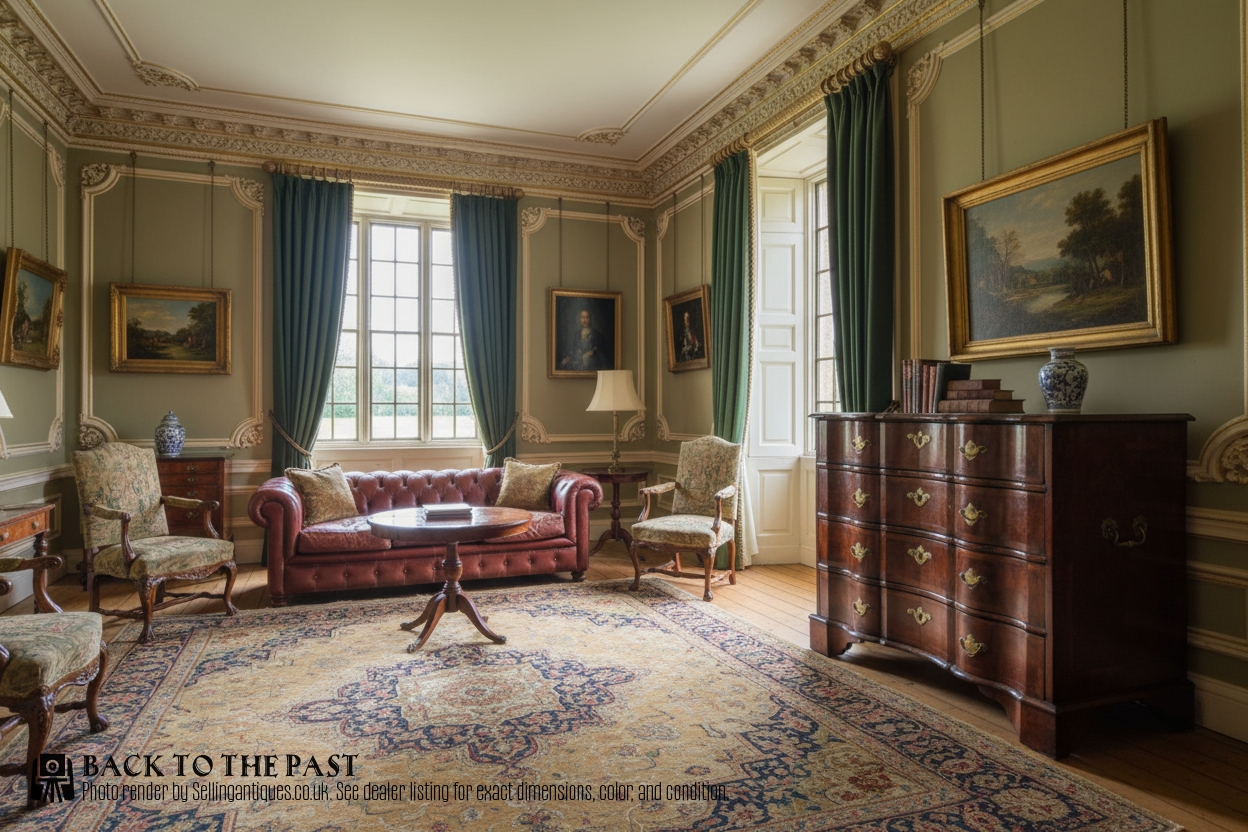
Antique Elm Commode Chest
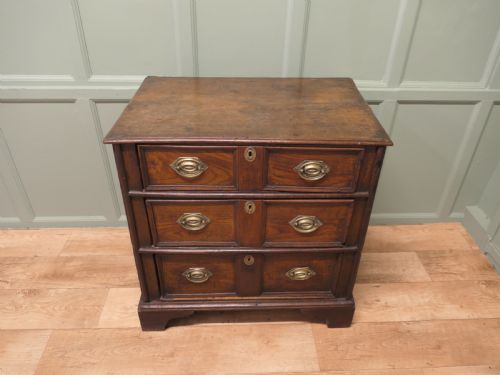
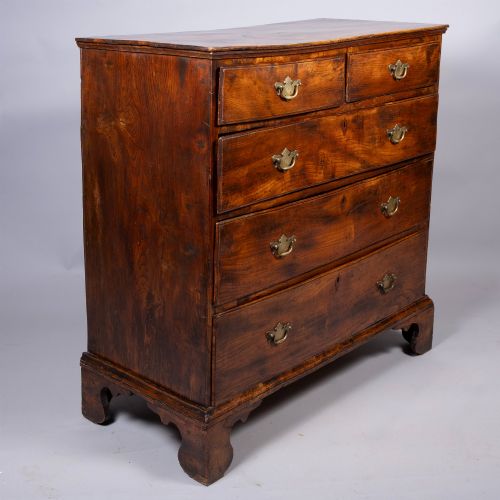
When searching for an antique elm commode chest, you encounter sturdy storage furniture spanning the eighteenth and nineteenth centuries, including Georgian, Louis XV Provincial, and Swedish Biedermeier styles. These pieces range from substantial Dutch shaped-front chests to small bedside cabinets and close stools configured as chests.
The selections on this page draw heavily from eighteenth-century origins and nineteenth-century Scandinavian and French workshops. Plain elm and burr elm predominate, often paired with marble tops in grey or standard stone.
Regional variations span Dutch Baroque designs, rustic country pieces, and French provincial forms. Buyers most frequently meet drawer chests and commodes rendered in honey-toned or figured timber.
Materials and construction methods
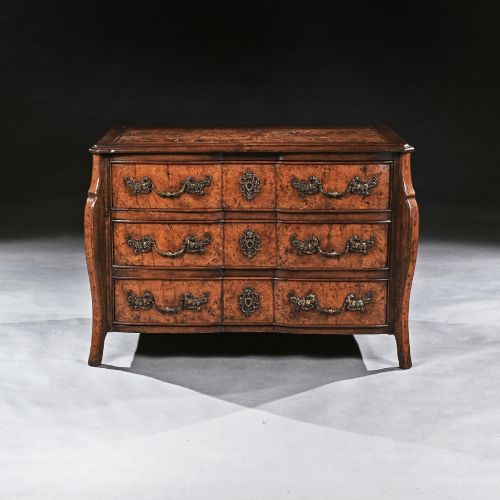
Cabinetmakers built these pieces primarily using solid elm and highly decorative burr elm veneers, sometimes supported by internal oak carcases. Timber selection determined the visual movement of the grain, particularly on figured drawer fronts and shaped commode bodies.
Hardware additions typically involve brass handles and escutcheons, while select examples incorporate grey marble or standard marble tops. Surface detailing extends to ebonised wood accents and Scandinavian inlay work.
Joinery techniques united country craftsmanship with sophisticated continental styling, visible in French provincial curves, Dutch shaped fronts, and nineteenth-century carved detailing.
Antique Elm Commode Chest Retail Price Guide 2026
Typical asking prices for elm commode chest among the pieces listed under this phrase on Sellingantiques today, from the lower quarter to the upper quarter. They describe what is for sale here now, not the wider market.
Listings span the eighteenth century, the nineteenth century, Georgian, 1870, and Victorian periods, incorporating elm, burr elm, oak, brass, bronze, marble, ebonised wood, and grey marble.
Assessing quality in elm commodes
Quality rests principally in the selection and figuring of the timber, where dense burr elm veneers and richly marked straight-grain boards command attention over plain timber. The visual depth of the grain dictates the presence of the piece in a room.
The execution of regional styles marks another distinction, separating simple rustic country construction from sophisticated cabinetwork found in Louis XV Provincial and Dutch Baroque forms. Clean lines in shaped fronts and refined carving elevate individual examples.
Integration of secondary materials, such as fitted grey marble tops and quality brass hardware, distinguishes superior pieces from standard utility furniture.
The Antique Elm Commode Chest Glossary
- Burr elm
- A woody growth on an elm tree that produces highly swirled, knotty grain patterns. Cabinetmakers sliced this timber into veneers for decorative drawer fronts and commode tops.
- Commode
- A low chest of drawers, often French or Dutch in origin. These forms frequently feature shaped fronts and marble surfaces.
- Close stool
- An enclosed piece of furniture designed to conceal a chamber pot. Period examples often masquerade as small bedside chests.
- Mazarin commode
- A distinctive regional form of cabinet, often associated with eighteenth-century French provincial design. It provides substantial storage behind multiple drawer tiers.
- Biedermeier
- A Central European style popular in the nineteenth century emphasising clean lines and utility. Swedish interpretations in elm showcase restrained classical proportions.
Antique Elm Commode Chest: Frequently Asked Questions
How do I identify eighteenth-century elm chests?
Eighteenth-century examples often display regional continental characteristics such as Dutch shaped fronts, Louis XV provincial curves, or early burr elm mazarin forms.
Construction details, timber patination, and traditional drawer configurations help separate these earlier pieces from nineteenth-century Scandinavian and Victorian production.
Where were these commodes made?
The pieces originate from various European centres, reflecting distinct local cabinetmaking traditions including French provincial workshops, Dutch studios, and nineteenth-century Scandinavian studios.
Design vocabulary shifts from rustic country furniture to refined urban commodes featuring marble surfaces and inlaid details.
How do I live with an elm commode?
Elm commodes serve as practical storage furniture in bedrooms, hallways, or living spaces, offering deep drawers for garments or linens.
Their varied timber tones and occasional marble tops allow them to anchor both traditional and eclectic room schemes.
What materials accompany the elm wood?
Makers frequently paired elm and burr elm with brass handles, escutcheons, and occasional bronze mounts. Grey marble and standard marble tops appear on several continental commode forms.
Secondary woods like oak support the internal carcases, while ebonised wood details provide contrast on specific regional pieces.