

Antique Edwardian Vases
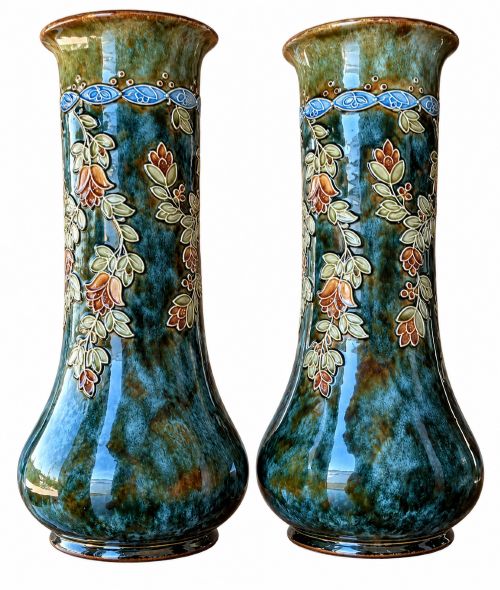
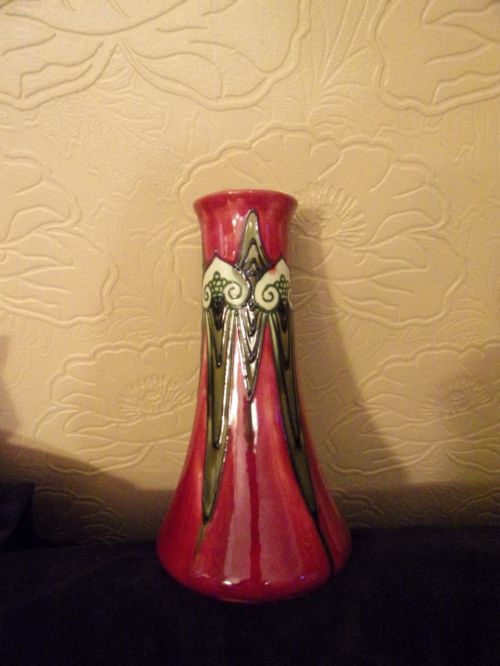
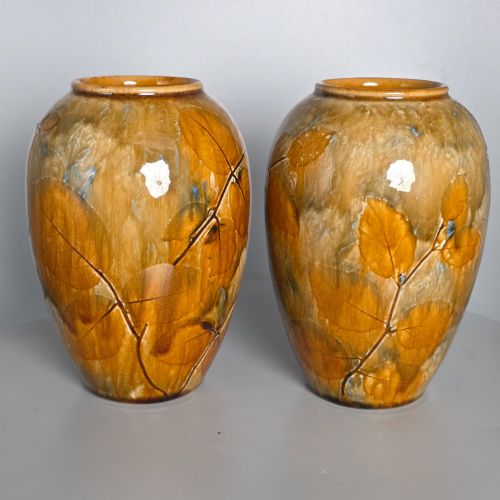
These antique Edwardian vases bring together the flowing curves of Art Nouveau and the careful hand of early twentieth century potteries.
Antique Edwardian Vases
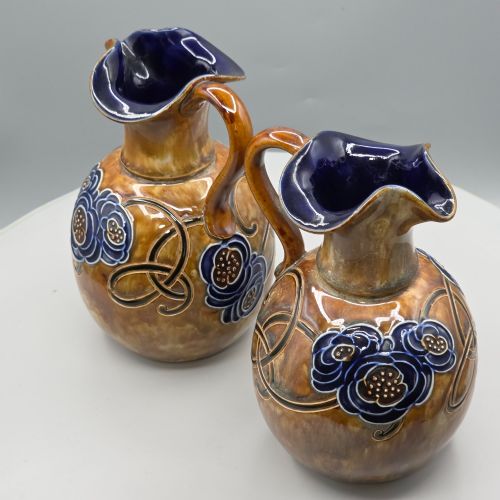
When searching for antique edwardian vases, buyers encounter a varied selection of ceramic vessels, porcelain pieces, and sterling silver holders spanning the early decades of the twentieth century. These items range from small spill vases and posy holders to substantial stoneware ewers and decorative mantel pieces.
The objects frequently cross paths with late Victorian designs and early Art Deco forms, capturing a time when workshops turned away from mass production toward artistic pottery and cameo glass. Alongside dedicated vases, the selection occasionally includes related forms such as covered jars, jugs, and pot-pourri containers.
Originating largely from British potteries, continental glassmakers, and silversmiths, these vessels reflect the varied tastes of households during the Edwardian era. Collectors find both cabinet miniatures and large floor-standing vessels shaped by distinct regional movements.
How they were made
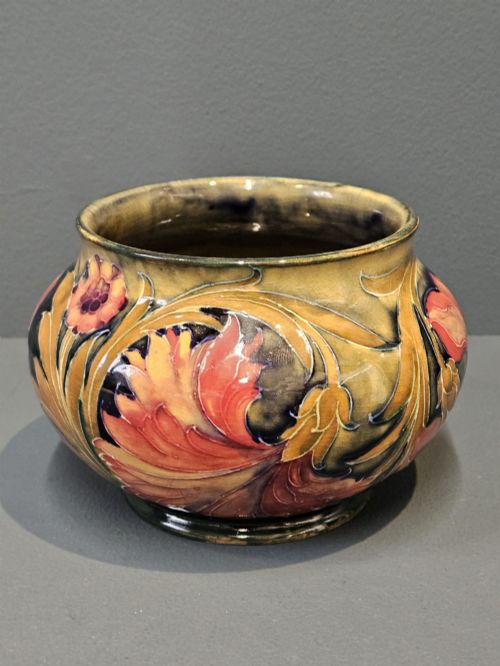
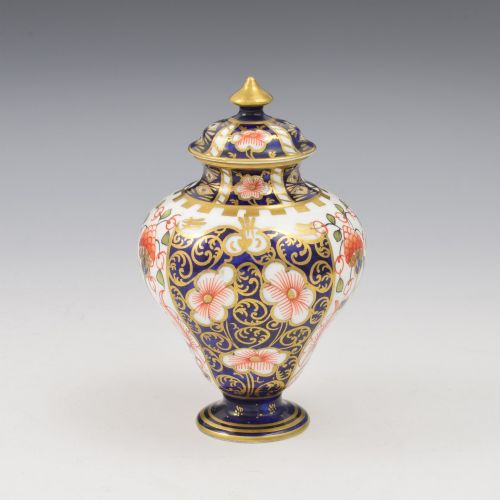
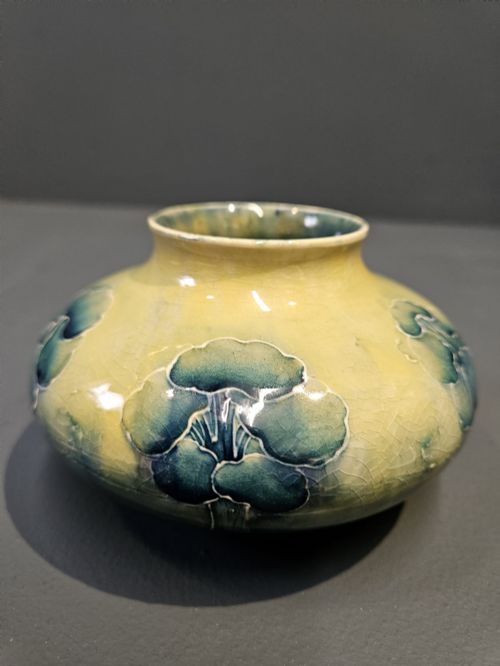
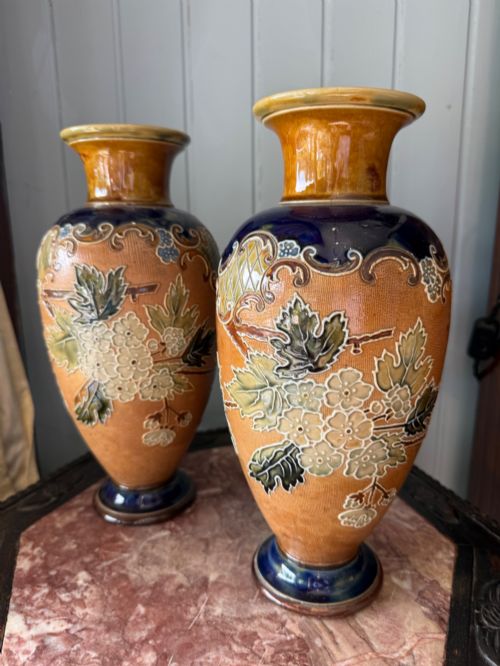
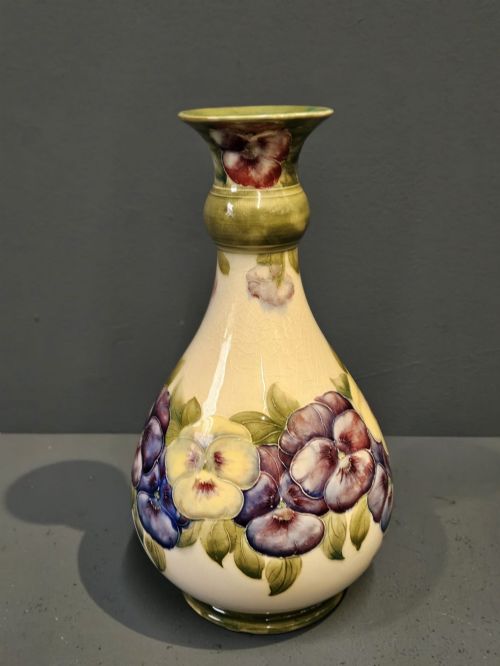
Pottery production relies on earthenware, porcelain, and heavy stoneware bodies shaped by hand or cast in moulds before receiving intricate glazes, enamels, and tube-lined designs. Factories such as Royal Doulton and Moorcroft employed skilled hands to apply slip trailing and hand-painted motifs directly onto the damp clay.
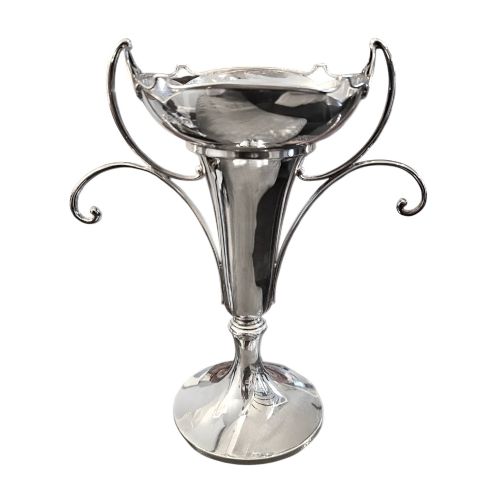
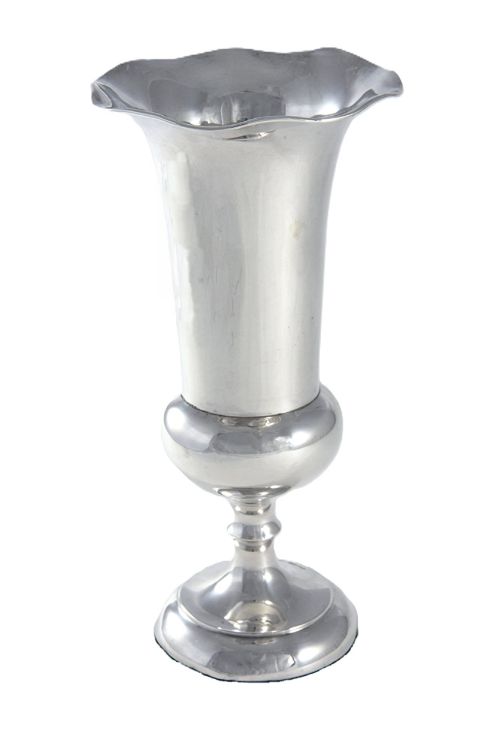
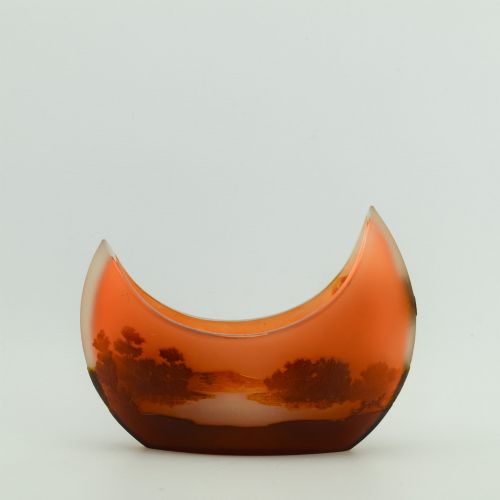
Glass vessels utilise cameo techniques, acid-etching, and iridescent treatments developed by continental houses like Galle and Loetz to achieve shifting colour gradients and textured surface landscapes. Metal examples combine sterling silver and silver plating with hallmarked mounts, repoussé work, and pierced frames.
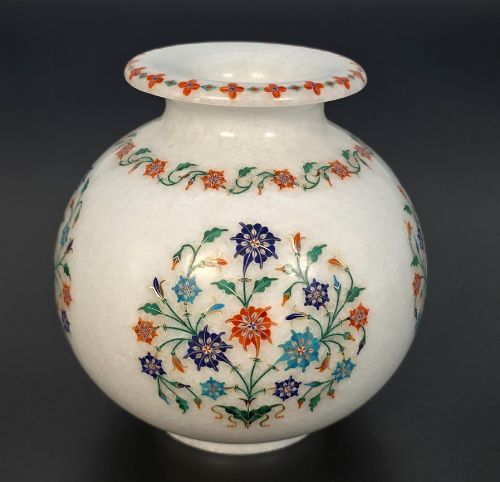
Inlaid stone and earthenware bodies incorporate decorative elements such as gold leaf, copper effects, and jewelled cabochons to heighten the visual impact of the finished piece. These diverse manufacturing steps ensure that each vessel bears distinct physical traces of its workshop origin.
Some vessels feature cheeky parrots and metallic beetles gazing outward from the glaze.
What varies in quality
The distinction between standard commercial output and superior production rests in the depth of hand-finishing, the crispness of moulded detail, and the complexity of the glaze chemistry. Pieces bearing identifiable artist ciphers or specific studio attributions command attention through their individual execution.
Surface preservation plays a significant role, as delicate enamel work, gold leaf accents, and iridescent glass surfaces can suffer from abrasion over time. Intact handles, unblemished ceramic bodies, and clear hallmarks on silver mounts separate well-preserved examples from heavily worn pieces.
Royal Doulton·Moorcroft·Royal Crown Derby·Royal Worcester·Galle·Minton·Locke And Co·Loetz·Kralik Glass
The Antique Edwardian Vases Glossary
- Spill vase
- A small, narrow vessel designed to hold slender wooden spills used for lighting fires or pipes before the widespread availability of matches.
- Tube-lining
- A ceramic decoration technique where lines of clay slip are squeezed from a bulb through a nozzle onto the body to form raised outlines for coloured glazes.
- Cameo glass
- A glass-working method involving layers of different colours fused together and carved or acid-etched away to create a raised design.
- Blush ivory
- A porcelain body treatment developed by Royal Worcester featuring a soft cream-coloured ground decorated with pastel floral motifs and gilt highlights.
- Posy vase
- A diminutive container intended for holding short-stemmed cluster arrangements of flowers on tables or desks.
Antique Edwardian Vases: Frequently Asked Questions
How do I care for delicate antique glass and porcelain vases?
Dust these vessels gently with a soft, dry brush and avoid submerging pieces with metallic leaf or fragile enamel work in water.
Keep them away from direct sunlight to preserve the original vibrancy of painted glazes and iridescent glass surfaces.
What distinguishes an Edwardian vase from a Victorian piece?
Edwardian designs generally favour lighter palettes, flowing floral motifs, and the organic lines of the Arts and Crafts movement.
Victorian pieces often display heavier proportions, denser ornamentation, and deeper historicism before the turn of the century.
Were these vases used for fresh flowers or display?
Many smaller vessels, such as posy holders and spill vases, served practical household functions in daily domestic life.
Larger decorative ewers and cameo glass items functioned primarily as ornamental centrepieces for mantels and cabinets.
How can I identify the maker of an unmarked ceramic vase?
Examine the underside for impressed factory ciphers, pattern numbers, or painted artist initials that point to specific potteries.
Matching glaze styles, such as tube-lined patterns or distinct colour palettes, often links a piece to a known workshop.