

Antique Ebony Furniture
Antique ebony furniture brings dense, dark timber and intricate colonial carving into a room, offering tactile presence and heavy grain.
Antique Ebony Furniture
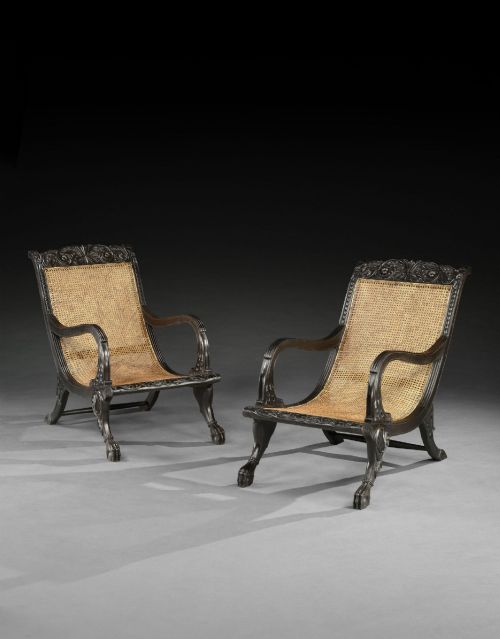
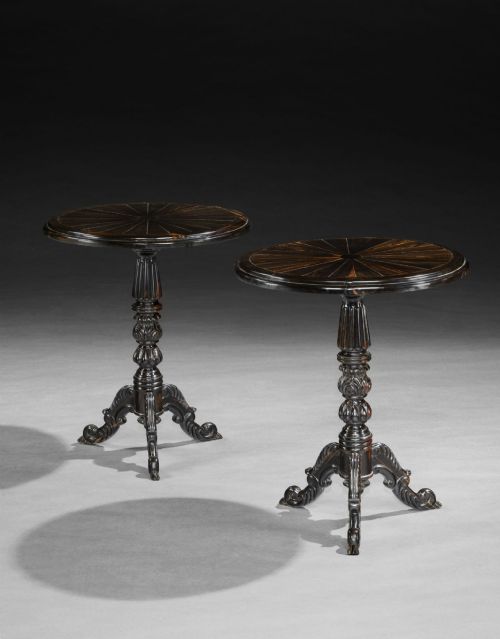
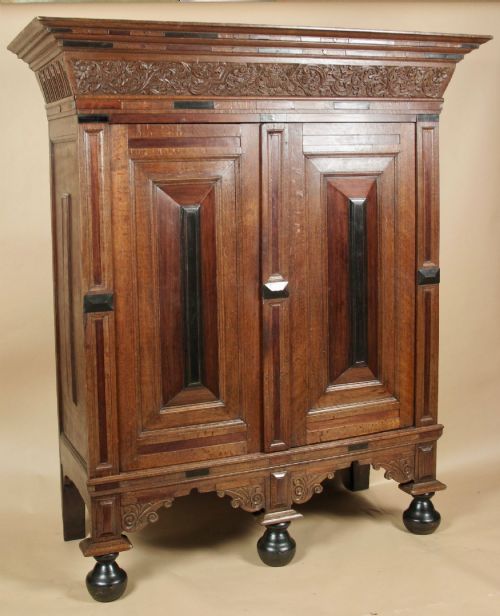
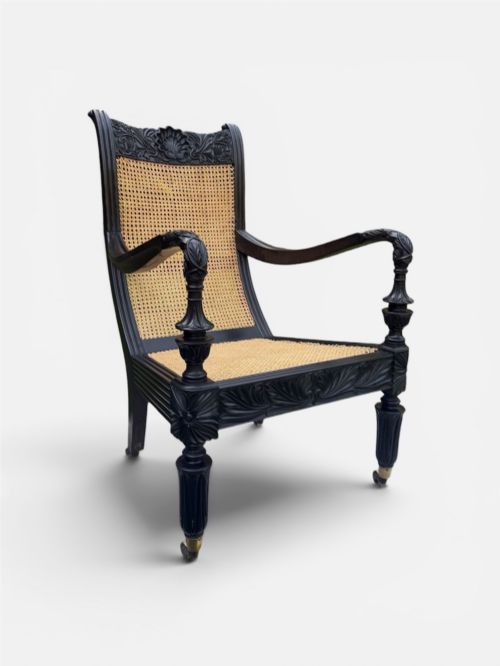
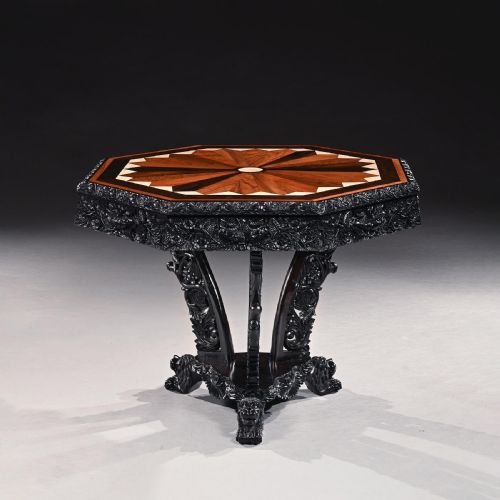
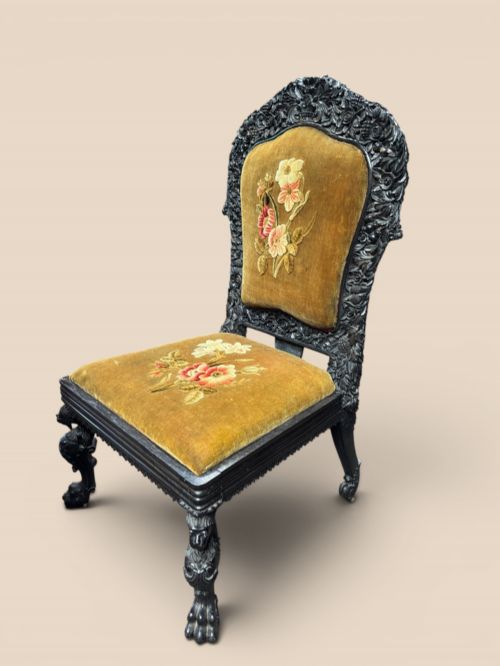
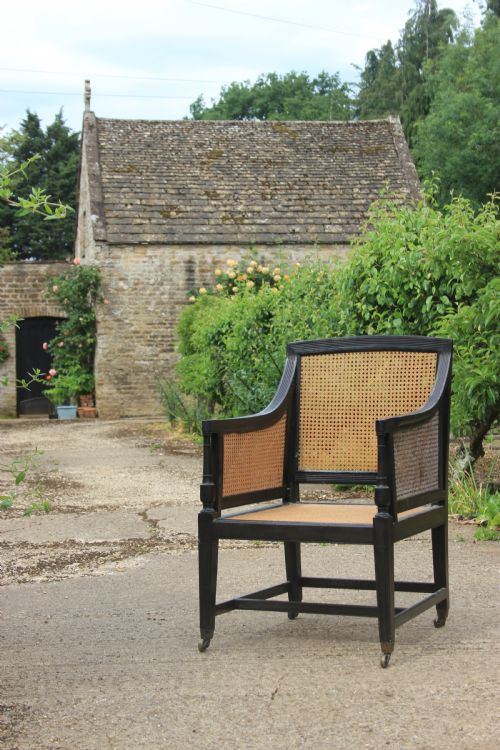
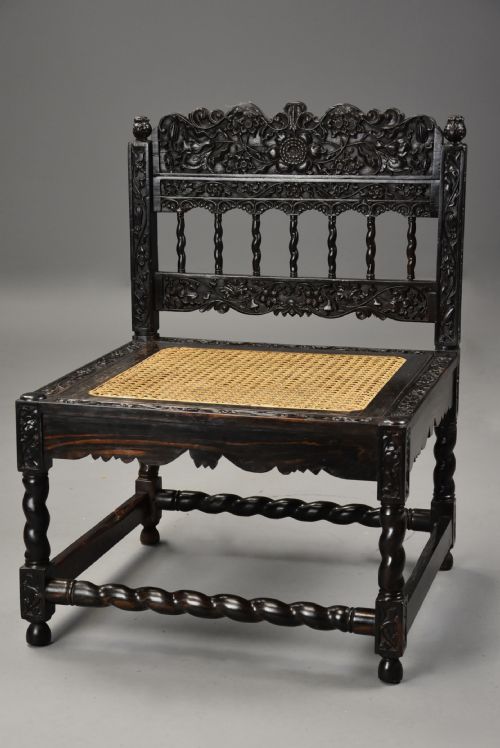
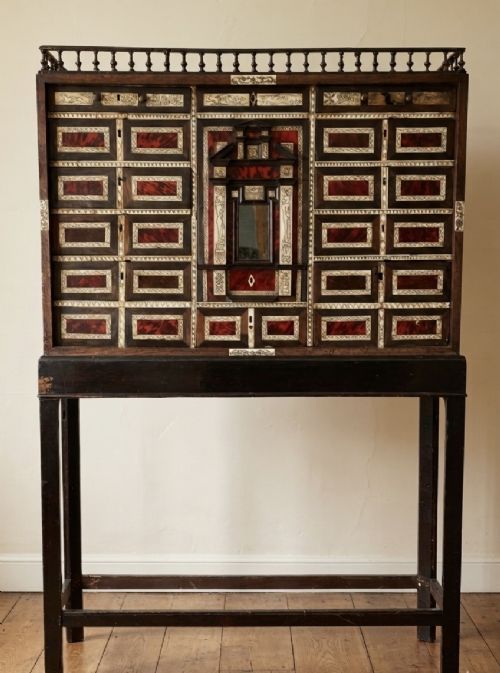
Seating and tables dominate the available forms, alongside specialised storage pieces such as cabinets on stand and sideboards. Occasional tables, centre tables, and armchairs appear frequently, often displaying regional carving styles from the Anglo-Indian and Ceylonese traditions.
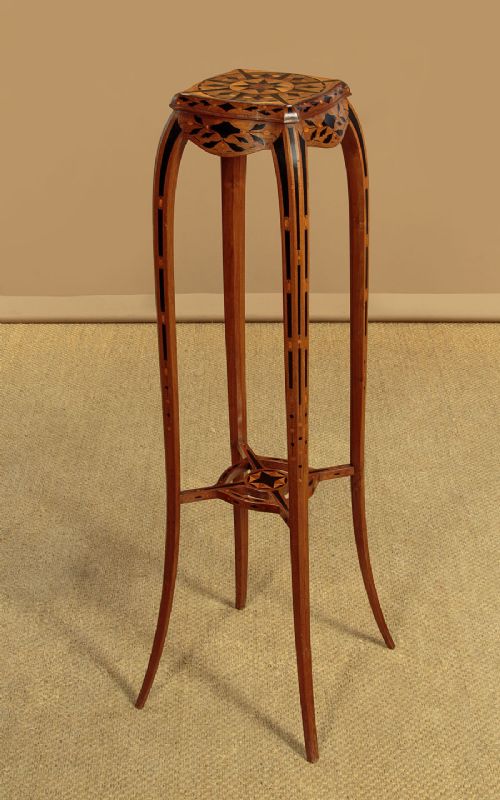
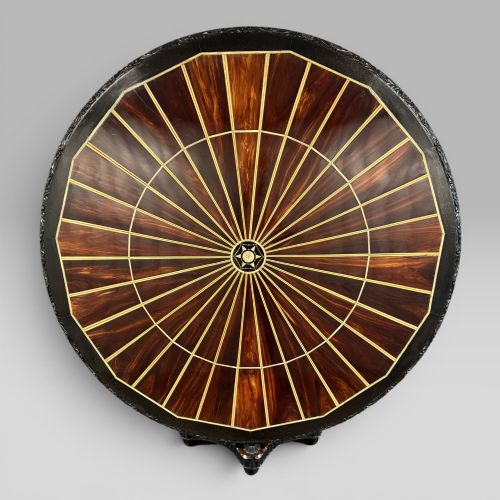
Many examples combine solid ebony with contrasting secondary timbers or exotic specimen woods. Others utilise ebonised wood or incorporate inlay work, reflecting periods from Regency elegance to Aesthetic Movement design.
Quality differences in execution
The distinction between ordinary and exceptional pieces lies in the crispness of the carving and the integrity of the timber. Finely carved panels display sharp undercutting and precise symmetry, whereas lesser work appears shallow and rounded.
Construction standards also separate the range, particularly how well the maker managed the timber's tendency to shrink and split. Superior examples retain original mounts, stable joints, and harmonious combinations of contrasting woods without excessive restoration.
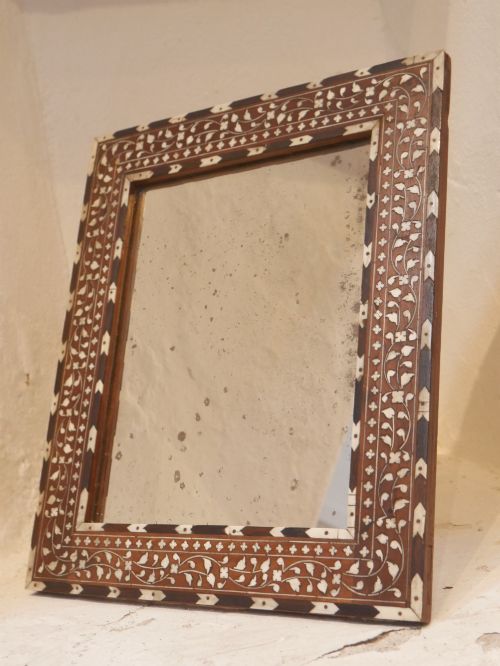
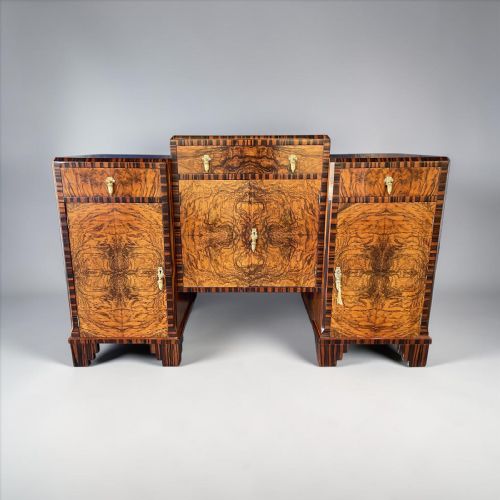
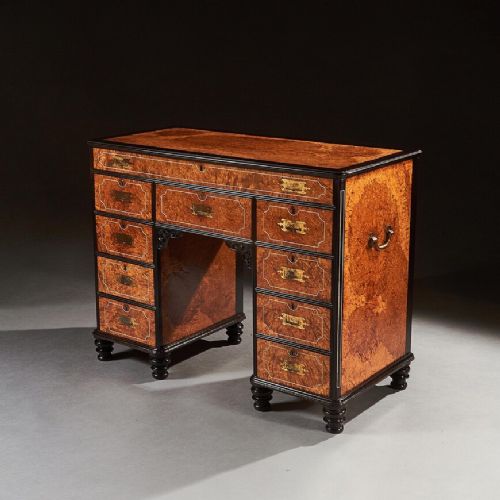
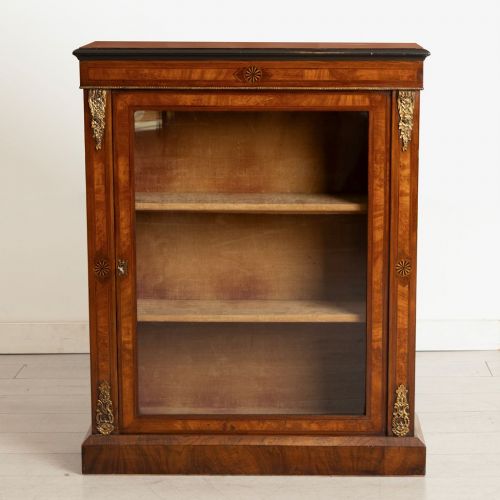
Listings feature items from the 17th century through the Art Deco period, utilising solid ebony, amboyna, satinwood, and bone inlay.
Maison Millet·Paul Sormani·Gregory and Co
The Antique Ebony Furniture Glossary
- Ebonised
- Wood, typically fruitwood or beech, treated and stained to imitate the dark appearance of true ebony. This finish appears frequently on European furniture from the nineteenth century.
- Anglo-Indian
- Furniture made in India by local craftsmen for British colonial residents or for export to Europe. These items often combine traditional Indian carving motifs with European furniture forms.
- Ceylonese
- Pertaining to furniture manufactured in nineteenth-century Ceylon, now Sri Lanka, utilising native ebony and calamander. Such pieces are noted for dense botanical carving and specimen wood tops.
- Cabinet on stand
- A raised storage unit comprising a closed cabinet supported by a separate table-like stand or base. This form allows intricate base framing and display of decorative timbers.
- Specimen wood
- Furniture surfaces assembled from numerous small pieces of various contrasting timbers arranged in geometric patterns. This technique showcases the natural colour range of exotic woods.
Antique Ebony Furniture: Frequently Asked Questions
How do I identify solid ebony?
Solid ebony feels exceptionally heavy for its size and exhibits a fine, uniform dark grain with minimal visible pores. Unlike ebonised substitutes, true ebony retains its dark colour right through if scratched in an inconspicuous area.
Examination under a strong light reveals natural tonal variations within the dark brown or black matrix rather than an applied surface stain.
How should I care for ebony furniture?
Maintain stable humidity levels in the room to prevent the dense timber from cracking or splitting at the joints. Avoid placing pieces near direct heat sources or in strong sunlight.
Dust regularly with a soft, dry cloth and apply a minimal amount of appropriate furniture wax only when the wood appears dry.
What is an ebonised finish?
An ebonised finish involves staining a lighter secondary wood, such as fruitwood, pear, or mahogany, to replicate the dark appearance of genuine ebony. This technique was popular in European cabinetmaking when solid exotic timber was scarce or costly.
Closer inspection of high-wear areas often reveals the lighter base wood beneath the dark stain.