




Antique Eating Table
An antique eating table anchors the room where family gathers, offering solid timber construction and decades of daily use.
Antique Eating Table
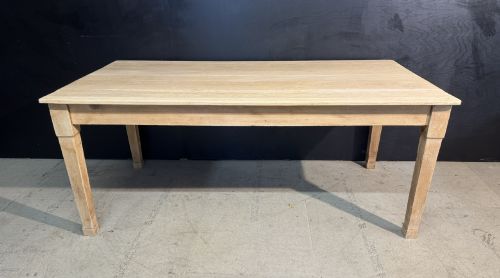
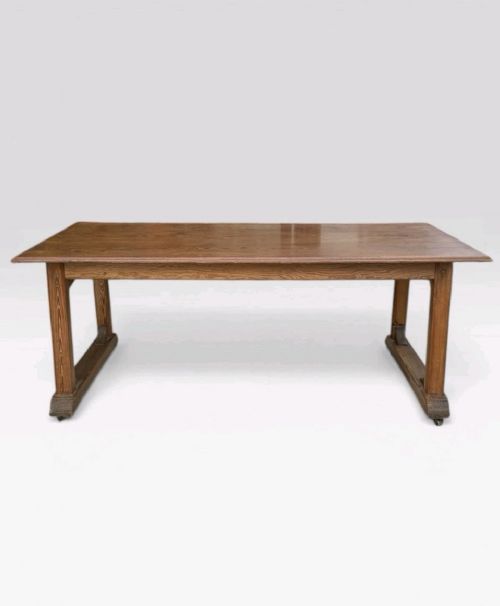
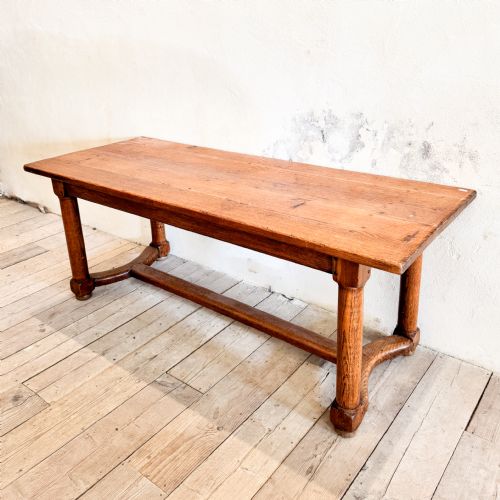
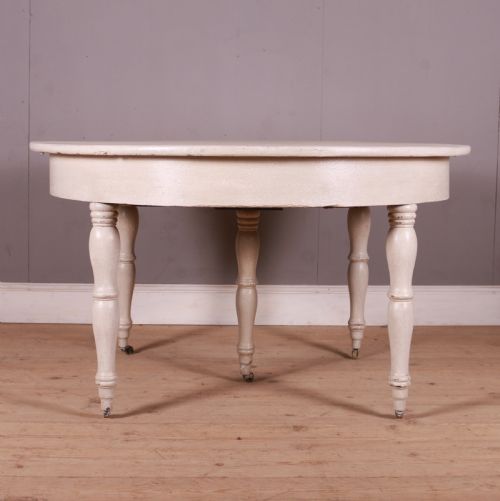
When you search for an antique eating table, you look for a sturdy wooden surface designed for gathering and meals. These pieces span from the nineteenth century into the early twentieth century, including Edwardian and Art Deco examples.
Beyond standard dining tables, the category occasionally includes related dining items such as bone-handled cutlery sets, completing the traditional meal setting.
How they were made
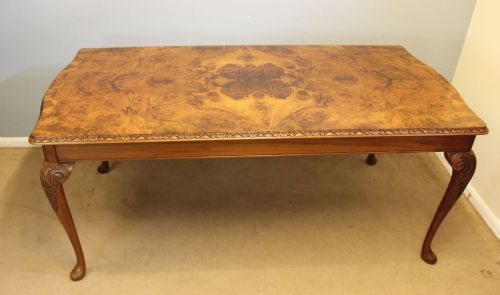
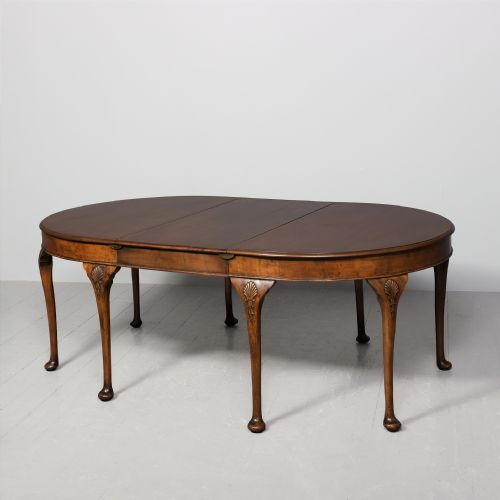
Carpenters built these tables using dense hardwoods like oak, mahogany, and walnut, frequently applying burr walnut veneer to tabletops for striking grain patterns.
Many examples incorporate clever mechanical extensions or radial leaves, allowing the timber surface to expand for larger gatherings using internal runners and brass fittings.
The listings on this site feature timbers including oak, mahogany, walnut, and pine, alongside hardware in brass and steel.
What varies in quality
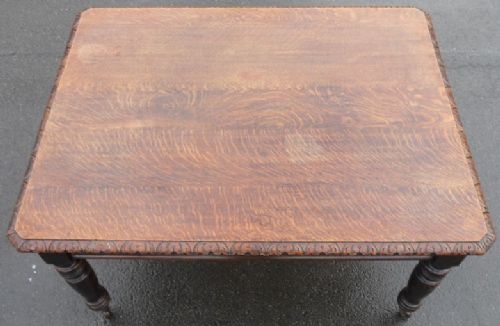
The distinction between ordinary and exceptional pieces lies in timber selection and decorative detail, such as hand-carved oak borders or matched burr walnut veneers.
Structural stability and the smoothness of extension mechanisms separate robust daily drivers from finer formal tables designed for display and special occasions.
The Antique Eating Table Glossary
- Extending dining table
- A table fitted with internal mechanisms or removable leaves to increase surface length. This design accommodates extra guests during meals.
- Burr walnut veneer
- Thin slices of decorative wood with swirling grain patterns applied to a stable timber base. It creates a rich, patterned tabletop.
- Pillar dining table
- A table supported by one or more central columns rather than standard corner legs. This style allows more legroom for seated guests.
Antique Eating Table: Frequently Asked Questions
How do I seat more guests?
Many of these tables feature extending mechanisms or removable leaves designed to expand the surface area when needed. You simply pull the ends apart and drop in additional sections.
Check the base construction to ensure the legs or pillars shift smoothly without straining the central joints during extension.
Which wood type is best?
Oak and mahogany dominate these listings, each offering distinct visual weight and durability for daily dining. Oak suits rustic or arts and crafts interiors, while mahogany brings a deeper reddish tone.
Walnut and burr walnut appear in more decorative revival styles, providing intricate grain patterns that catch the light.
How do I date these tables?
Dating relies on combining the timber choice, construction methods, and stylistic cues like Queen Anne curves or Art Deco geometry. Nineteenth-century pieces often display hand-finished joints and heavier timbers.
Edwardian and later twentieth-century examples introduce lighter framing and different mechanical runner systems for leaves.
Are these tables good for daily use?
Solid wood construction makes these tables resilient enough for everyday meals and family gatherings. Regular maintenance with appropriate wax or oil protects the timber surface from daily wear.
Treating the wood with care ensures the antique finish survives decades of continued household service.