
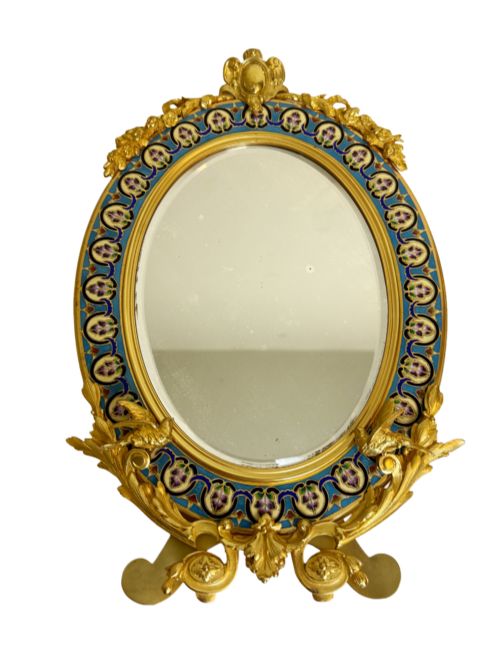
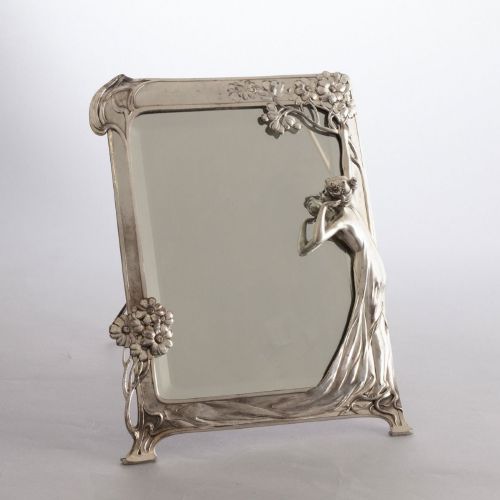
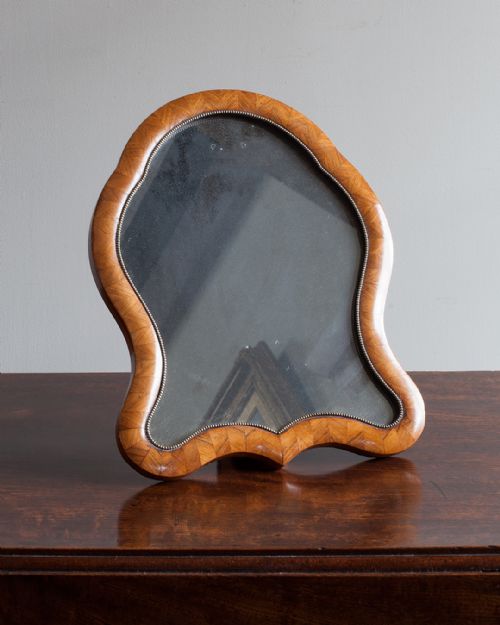
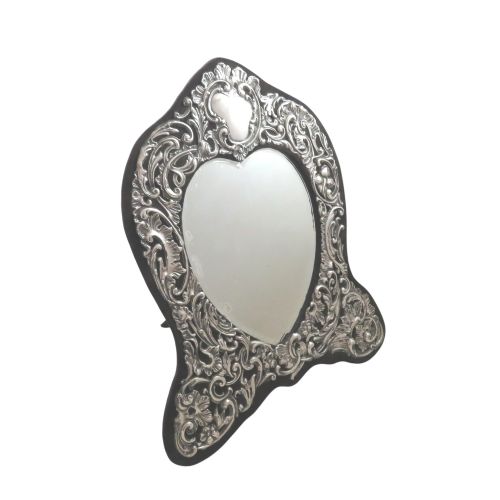
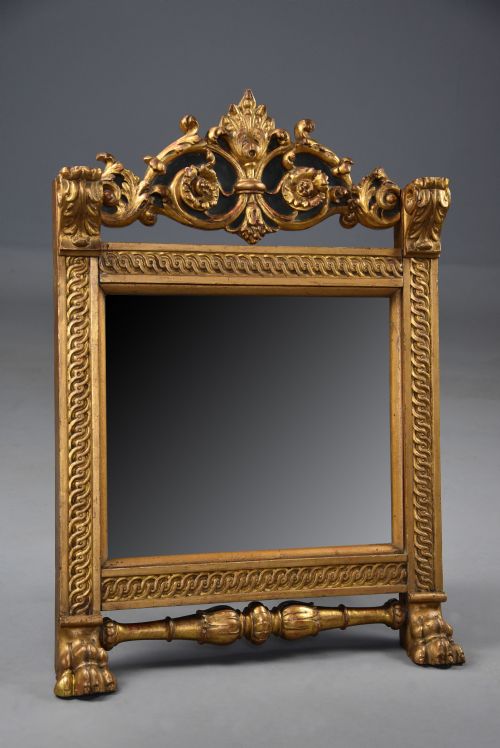
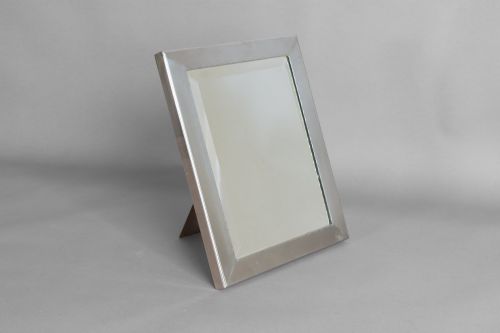
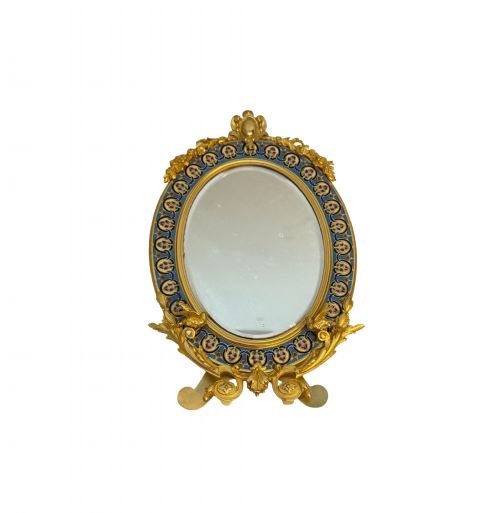

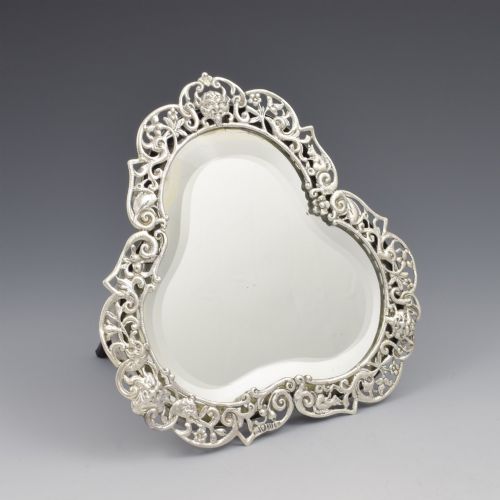


Antique Easel Mirror
These antique easel mirror pieces offer a dependable touch of dressing table elegance, bringing both practical reflection and decorative charm to any surface.
What an antique easel mirror is
An antique easel mirror is a portable table or dressing table mirror supported by a hinged back prop, designed to stand upright on furniture without permanent fixing.
The pieces appearing in this category span the Victorian and Edwardian eras, with dates clustering in the late nineteenth and early twentieth centuries around eighteen-eighty to nineteen-hundred.
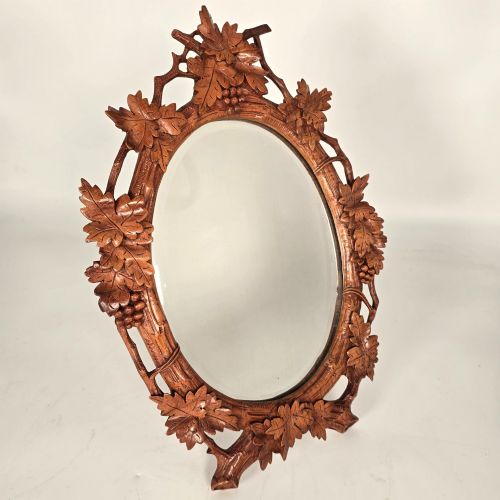
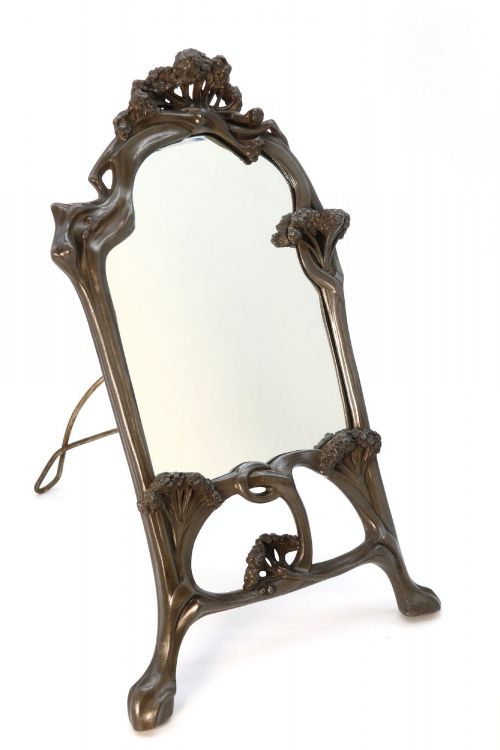
You will encounter various styles ranging from Renaissance Revival and French Country to Black Forest carvings and English silver mountings, showing diverse regional tastes.
How they were made
Craftsmen built frames using timber foundations like mahogany, then applied decorative elements such as carved gesso, gilded wood, or cast ormolu mounts.
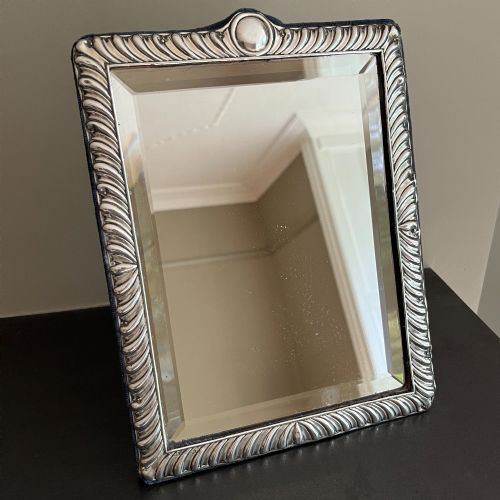
Metalwork versions utilised sterling silver, frequently bearing hallmarks that record the year of assay and the workshop responsible for the piece.
Backings and supports often integrated supportive structural boards covered in velvet, leather, or paper to protect the reverse and the furniture surface.
Retail Price Guide 2026
Typical UK retail prices for easel mirror, calculated from the Sellingantiques database of over a million retail prices indexed since 2003. This retail price guide relies exclusively on Sellingantiques data; no external sources or auction records are used, so the figures do not describe the wider market.
Several mirrors rely on sturdy paper linings to cover their mechanical backs, proving that even humble stationery held up the Victorian vanity.
What varies in quality
Quality separates simple production pieces from superior works through the depth and crispness of the wood or gesso carving and the weight of the metal utilised.
The integrity of the original glass mirror plate and the robustness of the hinged easel support mechanism dictate the overall durability and visual clarity of the piece.
The Antique Easel Mirror Glossary
- Easel back
- A hinged prop attached to the rear of a frame that allows the mirror to stand unsupported on a flat surface. This structural addition distinguishes table mirrors from wall-hanging varieties.
- Giltwood
- Timber that has been coated with a thin layer of gold leaf or gold paint over a preparation layer. It provides a bright, reflective surface popular in decorative frames.
- Sterling silver
- An alloy consisting of ninety-two point five percent silver and seven point five percent other metals, typically copper. It provides durability while maintaining a bright metallic appearance.
- Hallmark
- An official stamp or marks applied to precious metals indicating the standard of purity, the assay office, and the date letter. These marks help verify the age and origin of silver-mounted pieces.
Frequently Asked Questions
How do I date an easel mirror?
Dating relies heavily on stylistic cues, materials, and any metal hallmarks present on the silver mounts. Examining the construction of the easel back and backing papers provides further clues.
Makers often marked their silver frames with specific assay office symbols and date letters, which narrow down the year of manufacture to a precise twelve-month period.
Where were these mirrors used?
These pieces served primarily on dressing tables, vanities, and sideboards within bedrooms and dressing rooms. Their portable nature allowed users to move them into the best light.
They provided a convenient, adjustable reflection for grooming without requiring installation on a wall or permanent attachment to a larger piece of furniture.
Are the mirror plates original?
Many survive with their original bevelled glass plates, though some have seen replacement over the decades due to accidental breakage or silver degradation. Original plates often display minor foxing and tiny blemishes.
Examining the edges and the silver backing behind the glass helps determine whether a plate dates from the original period of manufacture or represents a later repair.
How do I maintain the frame?
Care depends entirely on the surface material, requiring different approaches for carved wood, gilt gesso, or polished sterling silver. Dusting with a soft, dry cloth prevents grime accumulation.
Harsh chemical cleaners should be avoided on giltwood and silver alike, as they can strip the delicate gold leaf or remove desirable patination from the metal.