


Antique Dwarf Cabinet
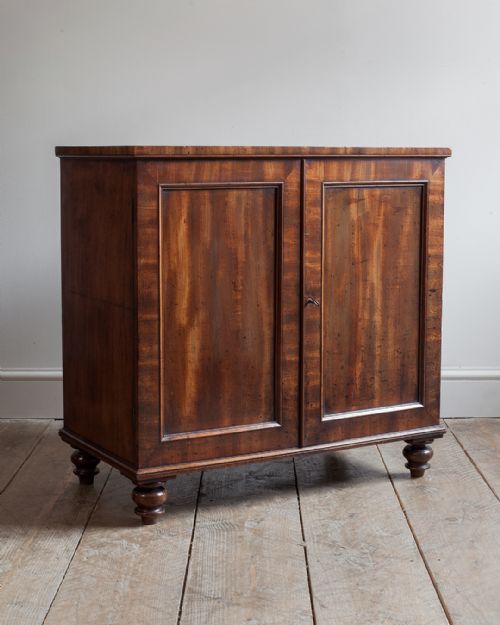
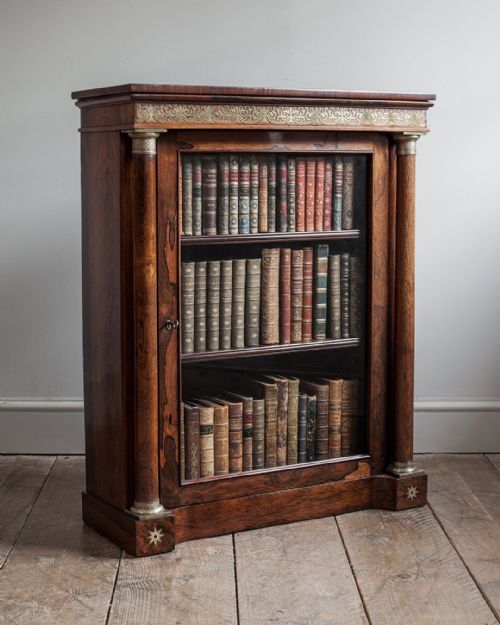
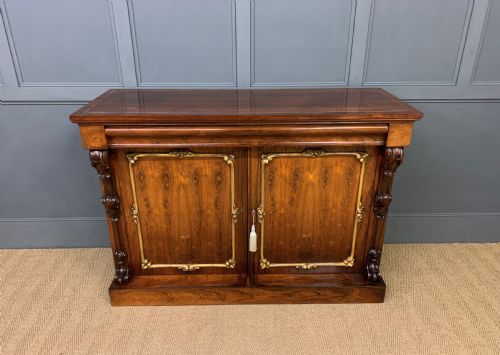
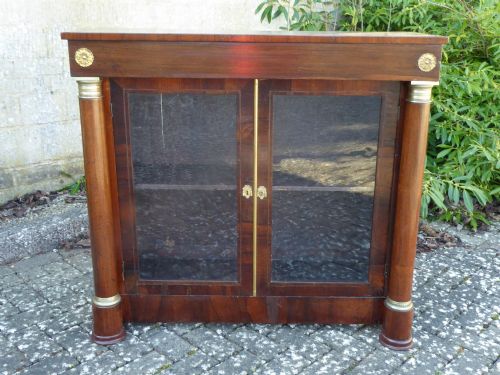
An antique dwarf cabinet offers low-profile storage and display, bringing polished timber and refined proportions directly into a room.
Antique Dwarf Cabinet
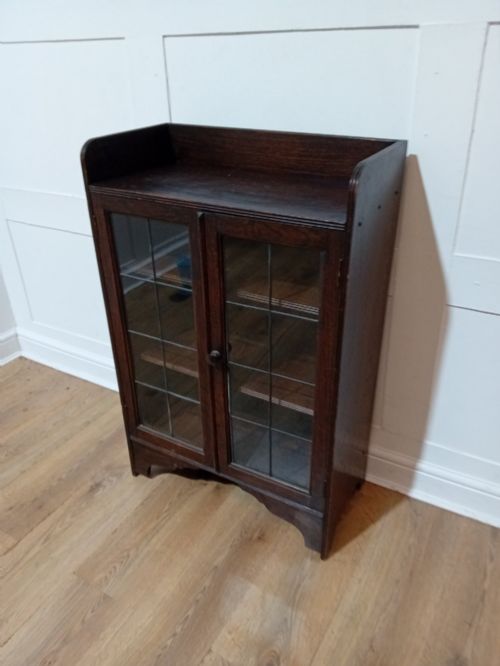
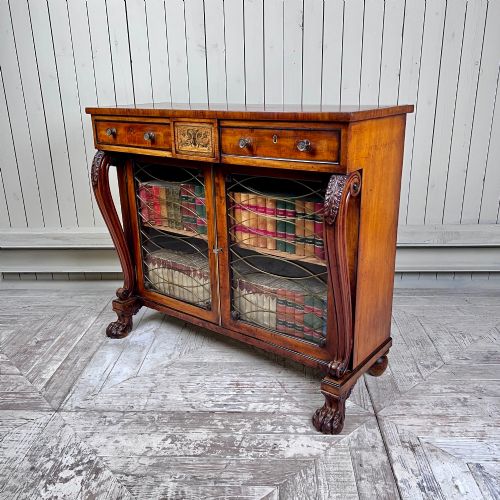
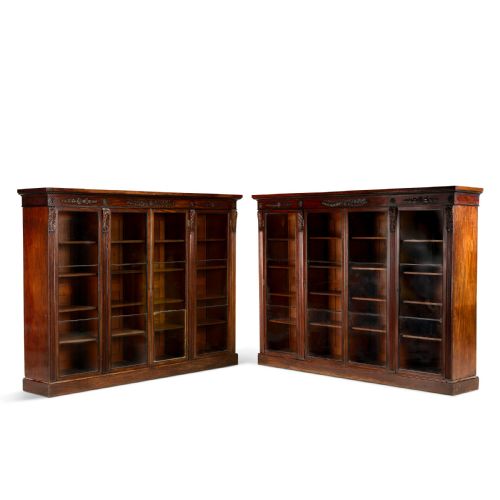
When you search for an antique dwarf cabinet, you encounter low-slung timber pieces designed to store books, linen or display objects without dominating the vertical space of a room. Most examples on this page date from the Regency and nineteenth-century periods, spanning open bookcases, glazed display units and enclosed side cabinets.
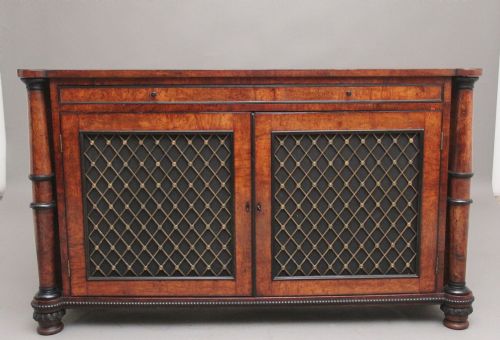
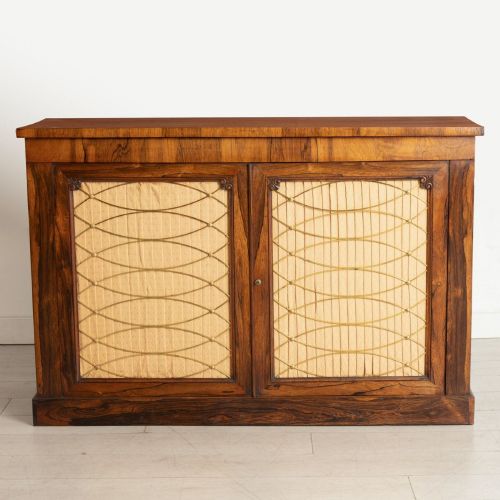
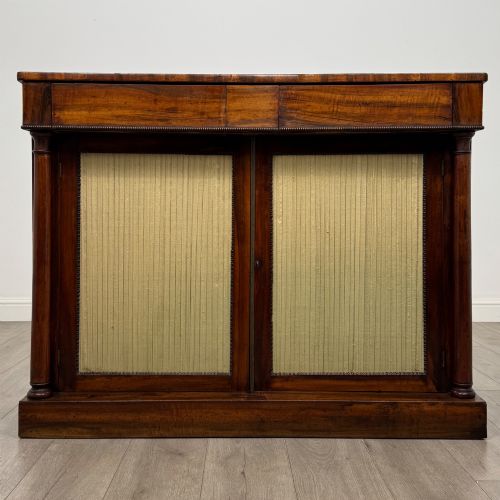
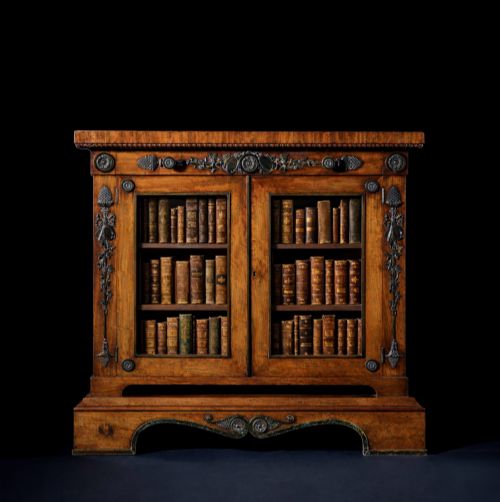
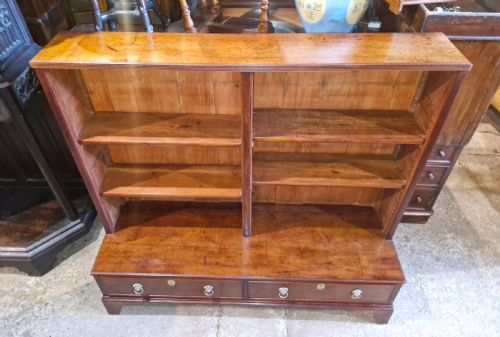
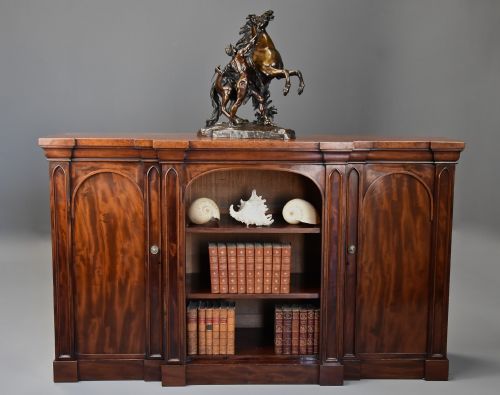
The forms vary from simple mahogany open shelves to elaborate rosewood and amboyna side cabinets fitted with brass mounts or pleated chiffon panels. These compact items served versatile functions in libraries, drawing rooms and parlours, offering surface display alongside functional interior shelving or cupboards.
Origins heavily reflect British cabinet-making traditions, particularly Regency and Victorian workshops, alongside occasional revival pieces from the early twentieth century. Buyers select these dwarf forms to integrate period character into modern interiors while maintaining an open, uncluttered line of sight.
Materials and construction
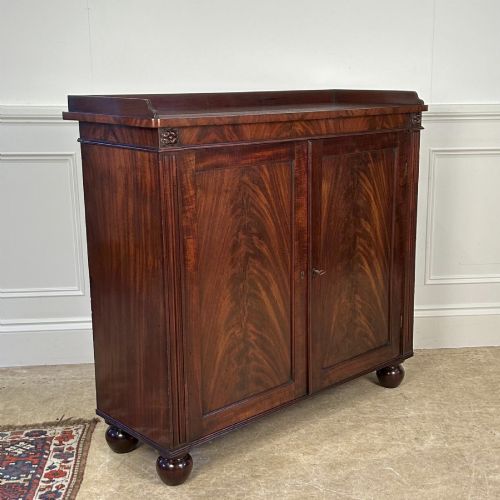
Timber selection defines these pieces, with dense hardwoods like mahogany and rosewood forming the primary structural bodies. Cabinet-makers frequently employed flame mahogany veneer, pollard oak, gonçalo alves and amboyna to create richly figured exterior surfaces.
Metalwork and glazing integrate closely with the timber carcases, utilising brass inlay, gilt-brass mounts, ormolu and clear glass doors. Interior details include adjustable shelving, fabric-backed chiffon panels and fitted drawers, assembled with traditional joinery appropriate to each period.
Periods represented stretch from Georgian and Regency eras through Victorian revivals into the early twentieth century.
What separates the tiers
The refinement of timber figure and veneer matching distinguishes superior examples from standard utility pieces. Exceptional cabinets display continuous grain across breakfront facades and meticulous selection of exotic woods like rosewood and gonçalo alves.
Execution of decorative details dictates the upper tier of quality. Finely chased ormolu mounts, precise brass inlay, original glazed panels and integrated architectural mouldings elevate a piece from a simple utilitarian storage unit to a masterclass in cabinet-making.
Gillows
The Antique Dwarf Cabinet Glossary
- Chiffonier
- A low sideboard or cabinet featuring enclosed shelving below, frequently fitted with pleated fabric panels behind glass or brass wire doors.
- Breakfront
- A piece of furniture where the central section projects forward from the flanking outer wings, creating architectural depth.
- Gonçalo Alves
- A dense, highly figured tropical hardwood also known as zebrawood, utilised for striking decorative veneers on high-end nineteenth-century cabinets.
- Pier cabinet
- A low side cabinet specifically designed to fit into the wall space or pier between windows.
- Secretaire
- A cabinet incorporating a pull-down writing drawer fitted with small pigeonholes and internal compartments.
Antique Dwarf Cabinet: Frequently Asked Questions
Where were dwarf cabinets placed?
These low cabinets typically stood against library walls, drawing room perimeters or between tall windows where standard tall bookcases would block natural light.
Their reduced height allowed the top surface to display ornaments, bronzes or clocks while keeping upper wall art visible.
How do I identify a Regency piece?
Regency dwarf cabinets generally feature classical architectural proportions, dark exotic timbers such as rosewood, and restrained brass inlay or gilt mounts.
Look for clean lines, ebony stringing, and recessed brass grilles that reflect early nineteenth-century neoclassical taste.
What is the difference between an open and glazed cabinet?
Open cabinets provide immediate access to shelves for frequently used books, whereas glazed cabinets protect delicate leather bindings and collections behind glass doors.
Many nineteenth-century examples combine open shelving with enclosed cupboards beneath for versatile storage.
Can these cabinets hold standard books?
Many dwarf bookcases and side cabinets include adjustable wooden shelving to accommodate varying volumes, though internal depth varies by piece.
Checking the internal shelf depth ensures the cabinet suits specific storage needs before placement in a room.