

Antique Dutch Style Artwork
Antique dutch style artwork brings the dark tones and fine brushwork of seventeenth-century masters into domestic spaces.
Antique Dutch Style Artwork
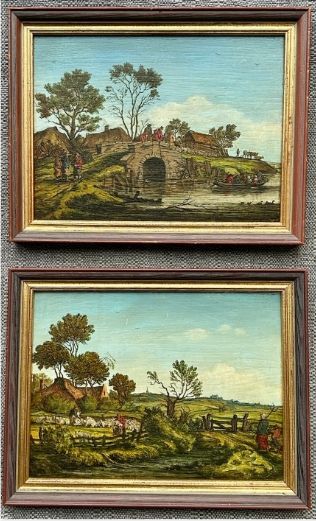
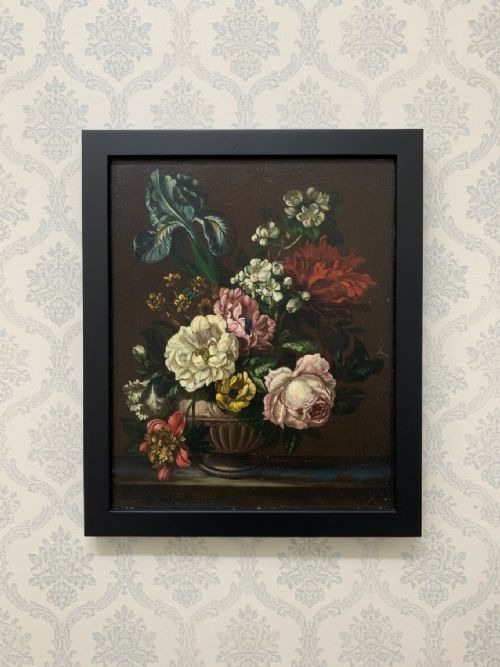
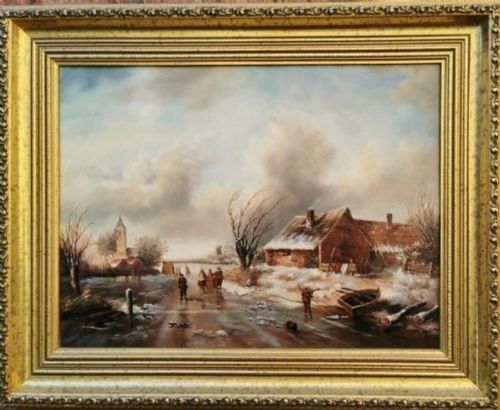
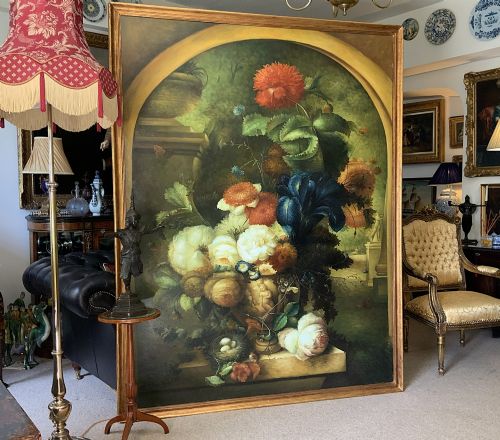
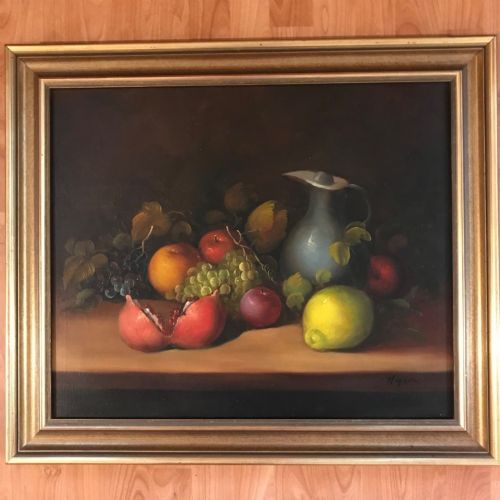
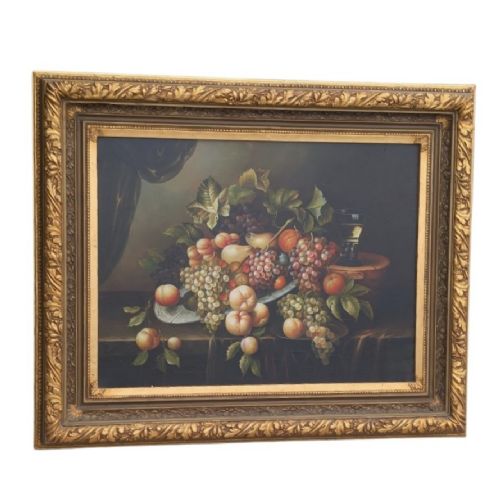
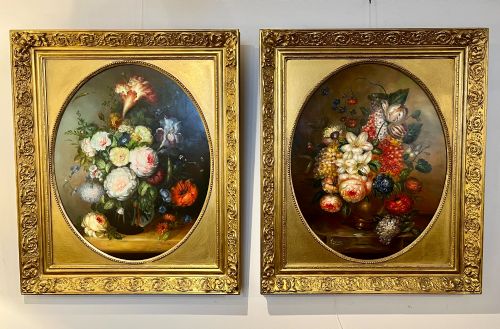
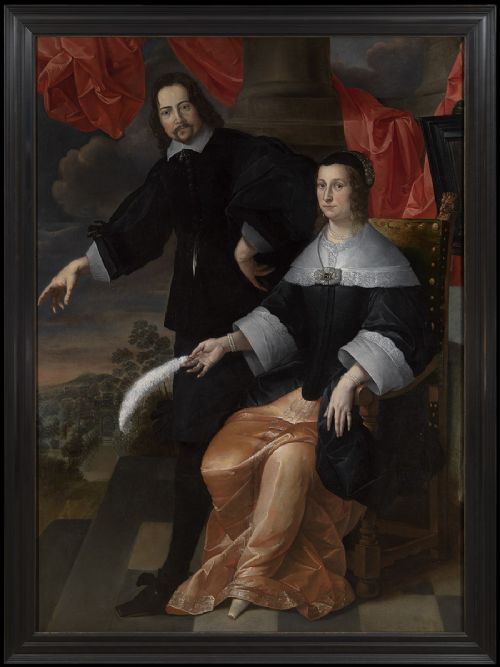
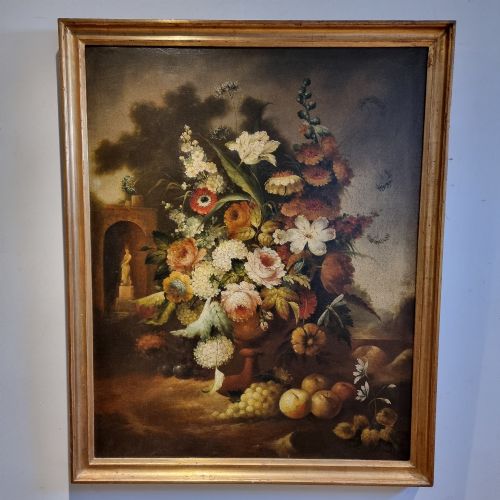
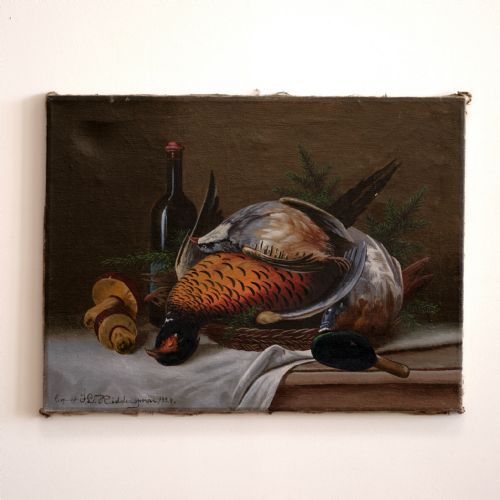
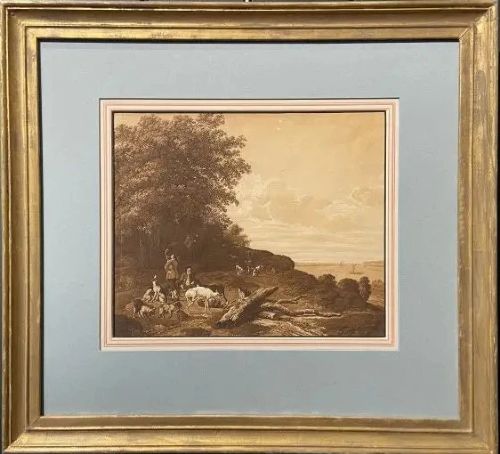
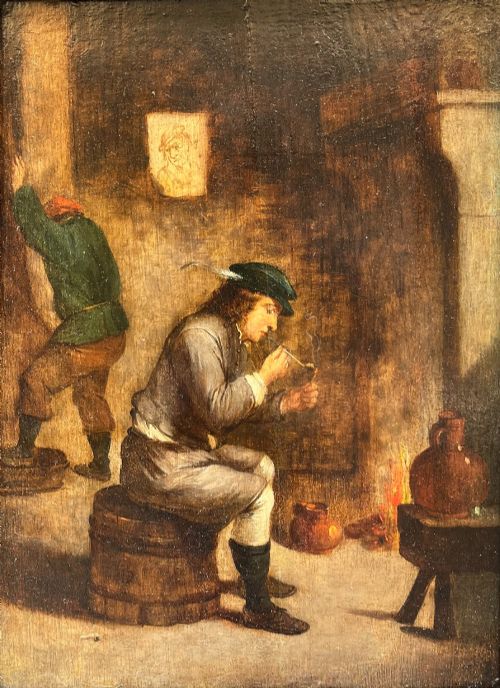
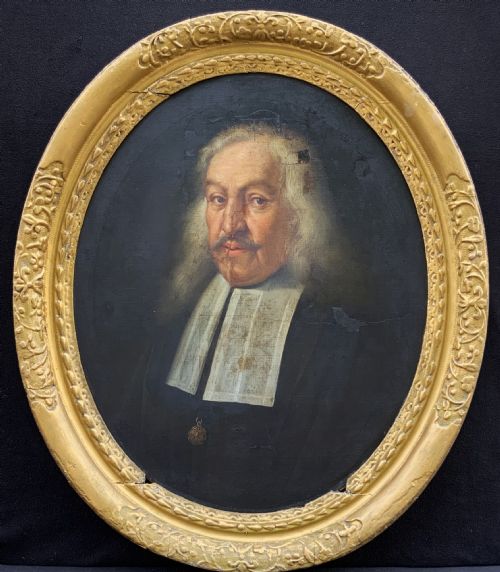
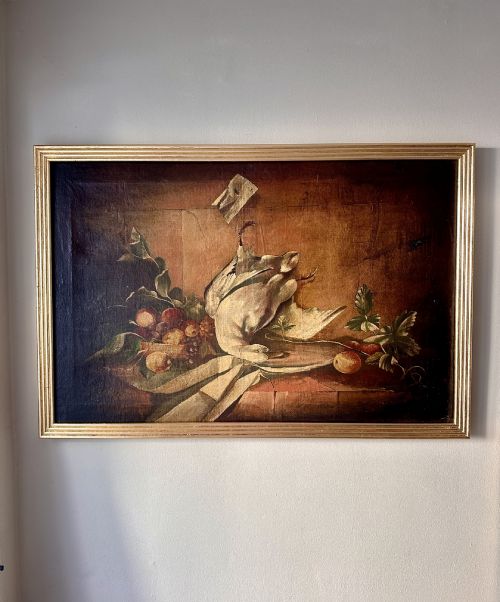
These pieces encompass oil paintings and framed artwork that follow the traditions of the Dutch Golden Age, Dutch School, and Flemish School. Buyers encounter subjects such as floral still lifes, winter landscapes, tavern interiors, and formal portraits.
The selection ranges from seventeenth-century originals to later nineteenth-century interpretations and early twentieth-century echoes. Floral compositions and portraiture dominate the selection currently available on this page.
Works appear on canvas, wood panels, and board substrates, often housed in heavy giltwood frames. Pieces span the seventeenth century through to the mid-twentieth century.
Materials and construction methods
Artists painted using oil paint applied to prepared canvas, wood panels, or rigid board. Many works employ layered glazes to achieve depth and luminosity, particularly in dark interiors and shadowed portrait backgrounds.
Frames utilise wood carved and finished with gilt leaf or gold leaf to create ornate borders that complement the dark palettes of the paintings.
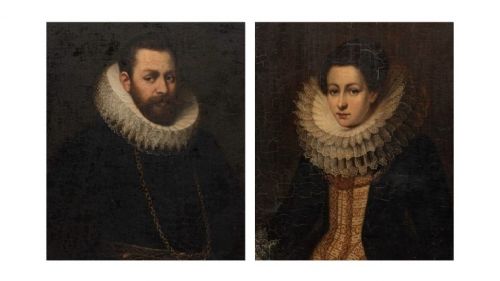
Several portraits feature sitters wearing exceptionally intricate ruff collars that demand nearly as much attention as the faces themselves.
Distinctions in quality
Quality rests in the handling of light and shadow, the precision of brushwork in details such as lace ruffs or flower petals, and the structural integrity of the canvas or wood panel. Works showing confident draughtsmanship and anatomical accuracy sit above simpler decorative copies.
The sophistication of the composition and the depth of the pigment layers separate standard studio output from masterwork circles.
W Klombeck·Bartholomeus van der Helst·Johannes Lingelbach·David Teniers·Pieter Borseler·Godfried Schalcken·Nicolaes Maes·Simon Pietersz Verelst·Rembrandt·Joachim Bueckelaer·James de Rijk·Quirijn Van Brekelenkamp·Jan Evert Morel
The Antique Dutch Style Artwork Glossary
- Still life
- A painting featuring inanimate objects, such as flowers, fruit, or game birds, arranged to display texture and form.
- Oil on panel
- A painting executed on a wooden board rather than stretched fabric, common in earlier periods.
- Manner of
- A work created in the style of a specific artist or period, usually produced later or by a follower rather than the master himself.
- Giltwood
- Wood carved and coated with a thin layer of gold leaf or metallic powder, frequently used for picture frames.
- Baroque
- A European style from the seventeenth and eighteenth centuries characterised by drama, rich detail, and deep chiaroscuro lighting.
Antique Dutch Style Artwork: Frequently Asked Questions
How do I identify a true seventeenth-century piece?
Examine the canvas or wood panel for age-appropriate cracking and material wear. Pigment analysis and stretcher construction also help determine the age of the work.
Compare the brushwork and signature against known examples from the Dutch Golden Age. Documentation or provenance records provide the strongest confirmation.
What subjects are most common?
Floral still lifes, dead game, and winter landscapes appear frequently across the listings. Portraits featuring elaborate ruff collars and tavern interiors also recur.
These subjects reflect the domestic and mercantile interests of historical Dutch patrons. Artists specialised in specific genres to meet market demand.
How should I care for these oil paintings?
Keep paintings away from direct sunlight and sources of heat to protect the oil paint and wood. Maintain stable humidity levels to prevent the canvas from slackening or wood panels from warping.
Dust surfaces gently with a soft, dry brush without applying pressure. Avoid using liquid cleaners or chemical solvents on the paint layer.
What is the difference between original and style works?
Original period works were painted during the lifetime of the artist or within the active centuries of the school. Style works are later interpretations created to capture the aesthetic of earlier periods.
Both categories utilise oil paint and canvas or panels, but differ in age and historical proximity to the movement. Signatures marked 'after' indicate a later copy of a known composition.