


Antique Dutch Portrait Art
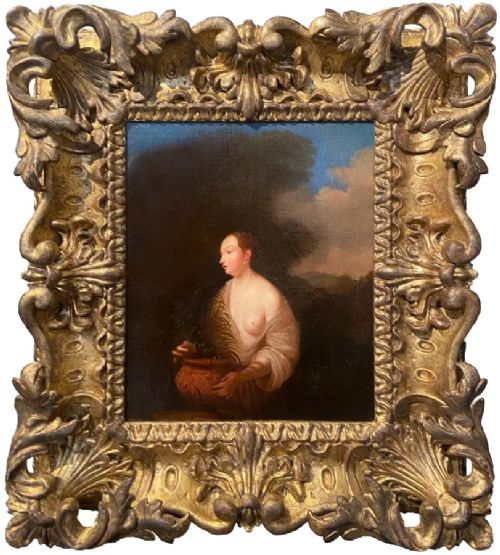
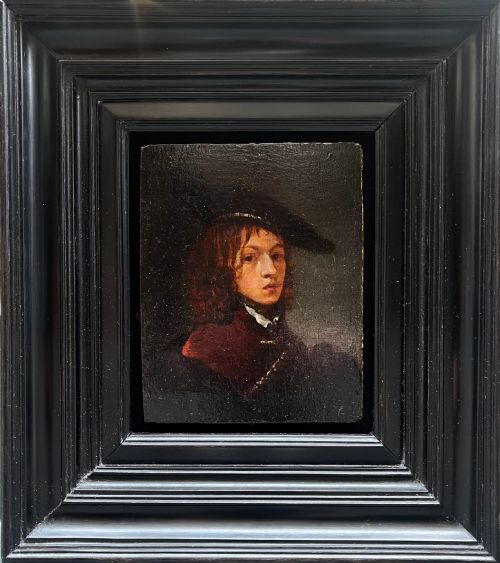
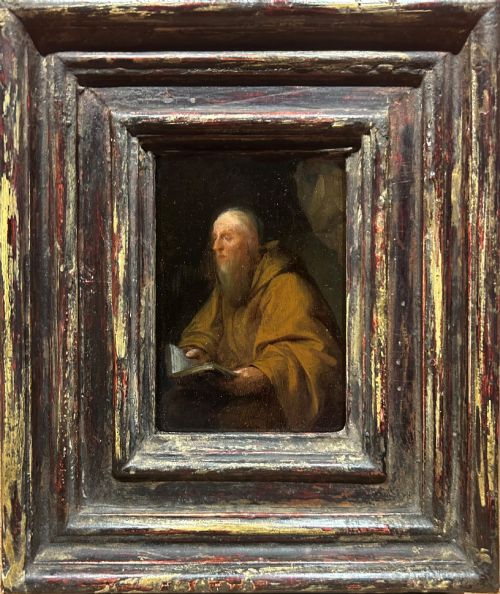
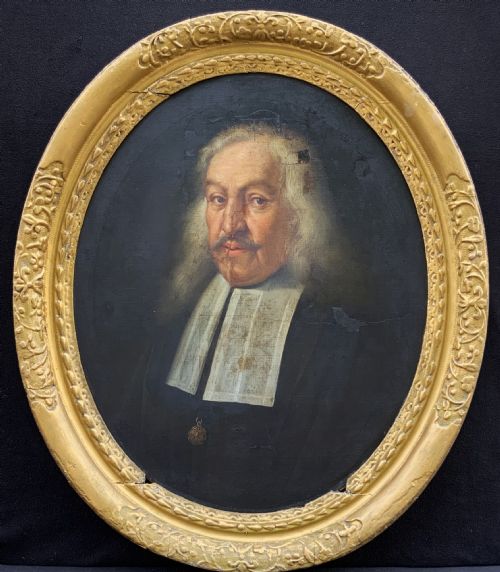
These antique dutch portrait art works bring the presence of seventeenth-century sitters and later academic studies directly into a room.
Antique Dutch Portrait Art
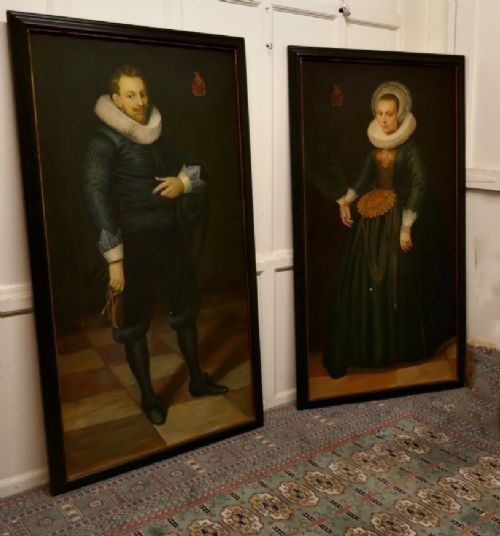
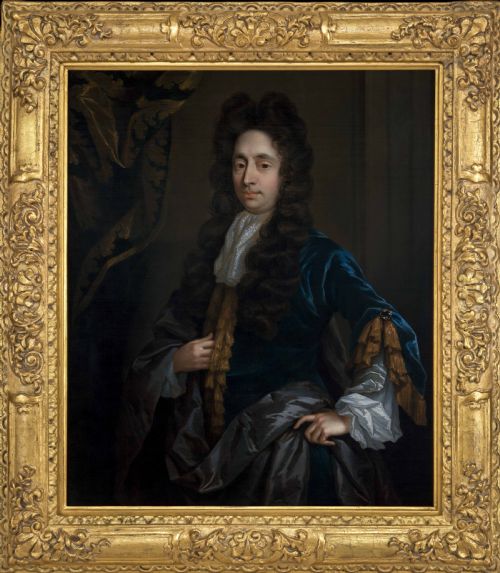
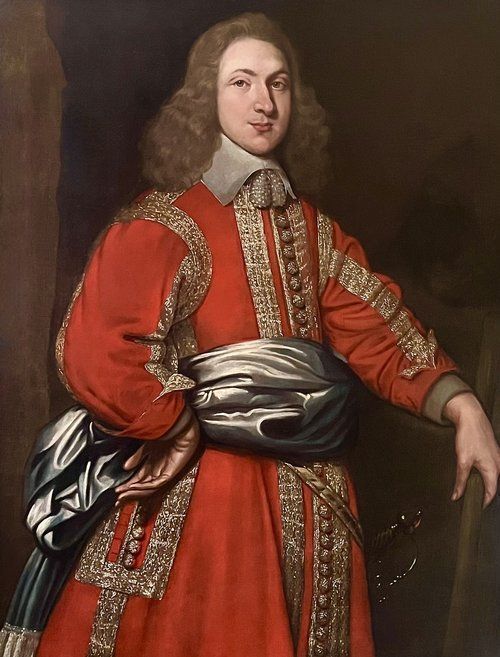
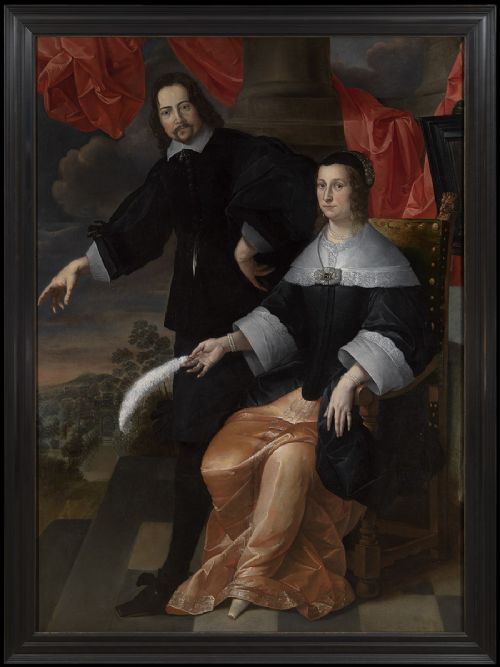
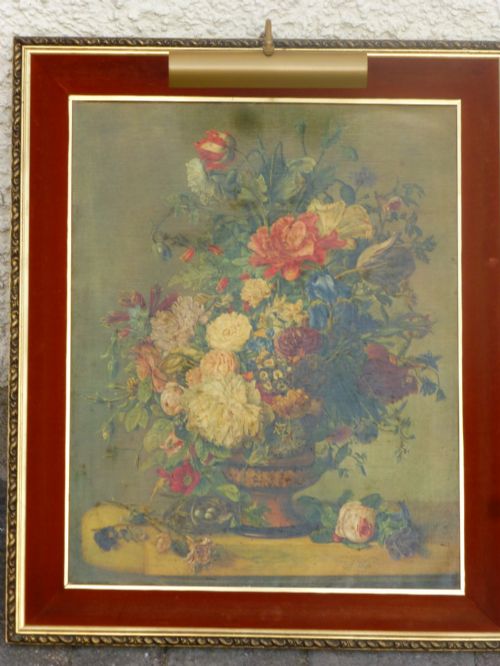
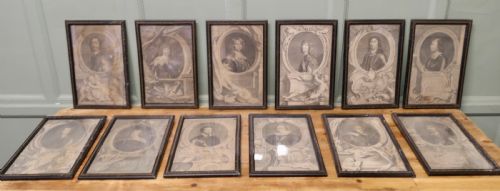
When you search for antique dutch portrait art, you encounter oil paintings on canvas and wood panel, alongside eighteenth-century line engravings. The selection on this page relies heavily on seventeenth-century works and later interpretations created in the Dutch Golden Age style, the Baroque tradition, and nineteenth-century realism.
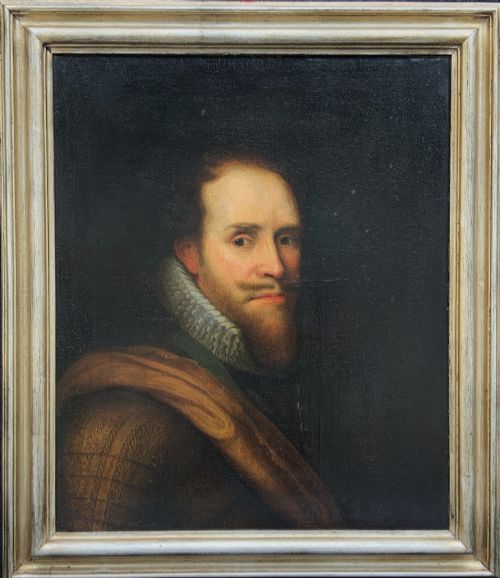
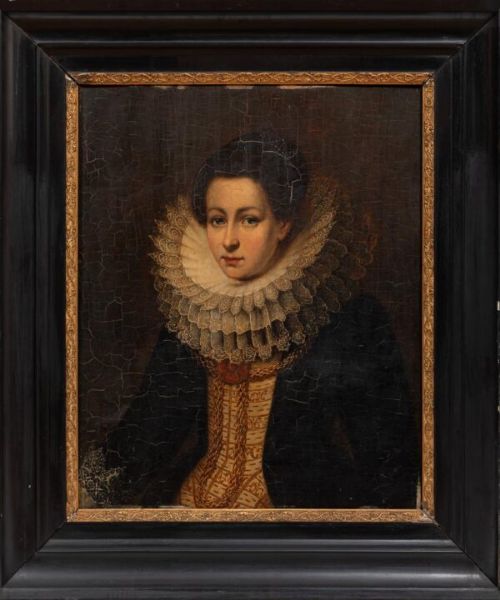
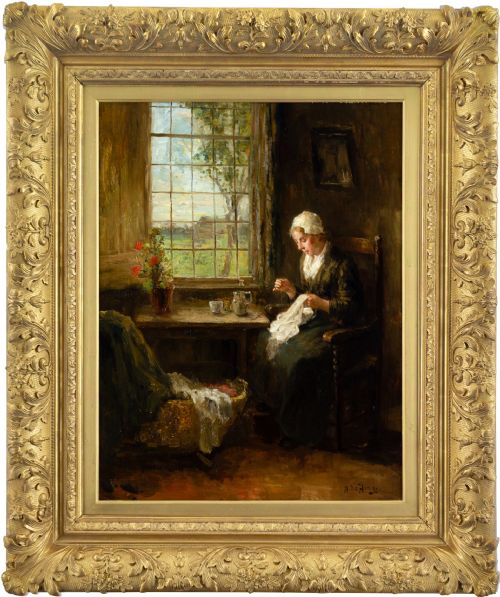
The subjects range from formally dressed noblemen in intricate ruff collars and military officers in coloured coats to genre figures such as musicians, fisher girls, and tavern drinkers. These canvases record individual likenesses and character studies rooted in Northern European traditions.
How they were made
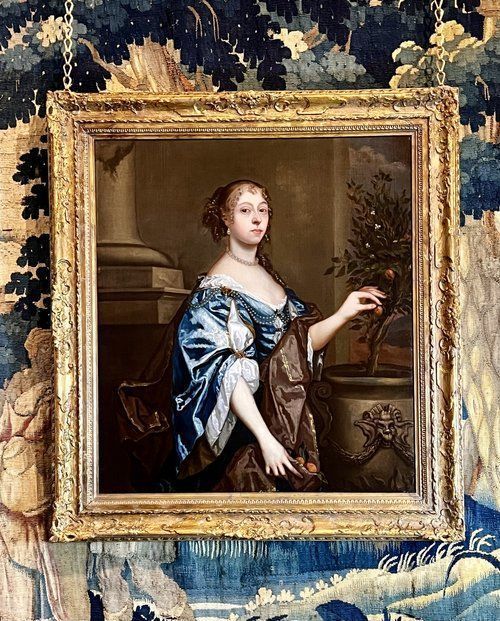
The primary medium recorded across these listings is oil paint applied to canvas or wood panels, often built up with rich glazes to achieve deep shadows and luminous fabrics like satin and velvet. Engraved works utilise fine line techniques on paper.
Many of these historical pieces incorporate original or period frames fashioned from giltwood, featuring applied gesso ornamentation and gold leaf details that complement the dark palettes of the painted compositions.
Several portraits preserve the intense gazes of seventeenth-century sitters wearing remarkably stiff and intricate ruff collars.
What varies in quality
The distinction between standard works and exceptional examples lies in the fluidity of brushwork, the depth of character captured in the sitter's expression, and the handling of light across textiles and skin. Superior pieces display confident draughtsmanship and anatomical precision.
Attribution and proximity to the original hand also influence the character of a piece, separating works produced within a master's immediate circle or studio from later interpretations and copies.
Constantyn Netscher·Pieter Borseler·Jacobus Houbraken·Bernard De Hoog·Nicolaes Maes
The Antique Dutch Portrait Art Glossary
- Oil on canvas
- Pigment mixed with drying oil applied to a woven fabric support. This foundation became standard for European painting from the sixteenth century onward.
- Giltwood
- Timber carved and coated with gold leaf or metallic powder. It provides a reflective border for traditional paintings.
- Ruff collar
- A prominent pleated fabric neckpiece worn in fashion during the sixteenth and seventeenth centuries. These stiffened accessories frame the sitter's face in formal portraits.
- Old Master
- A European artist of high skill working before the nineteenth century. The term also describes a painting produced by such an artist.
- Engraving
- A printmaking technique where lines are cut directly into a metal plate with a burin. The resulting grooves hold ink to be transferred onto paper under pressure.
Antique Dutch Portrait Art: Frequently Asked Questions
What periods do these portraits cover?
The works span from the seventeenth century through to the early twentieth century, with a strong representation of seventeenth-century Dutch Golden Age aesthetics.
Later nineteenth-century pieces often reflect historical revival styles and interpretations of earlier Northern European masters.
How were these paintings originally displayed?
Wealthy patrons hung large oil portraits in domestic reception rooms and halls to signal lineage, status, and civic standing.
Smaller panels and engravings were kept in studies or intimate private chambers for personal contemplation.
How do I care for an oil on canvas?
Keep paintings away from direct sunlight, heating vents, and damp environments to protect the canvas and wooden stretcher frames from warping.
Dust surfaces gently with a soft, dry brush without applying liquid cleaners or pressure to the paint layer.
What is the difference between an original and an after work?
An original seventeenth-century portrait was painted during the sitter's lifetime or shortly after by the primary artist or workshop.
Works designated as 'after' an artist are later studies or copies painted by subsequent hands referencing a known master's composition.