


Antique Dutch Accent Chairs
Antique dutch accent chairs bring centuries of cabinet-making skill and distinctive continental form directly into a modern room.
Antique Dutch Accent Chairs
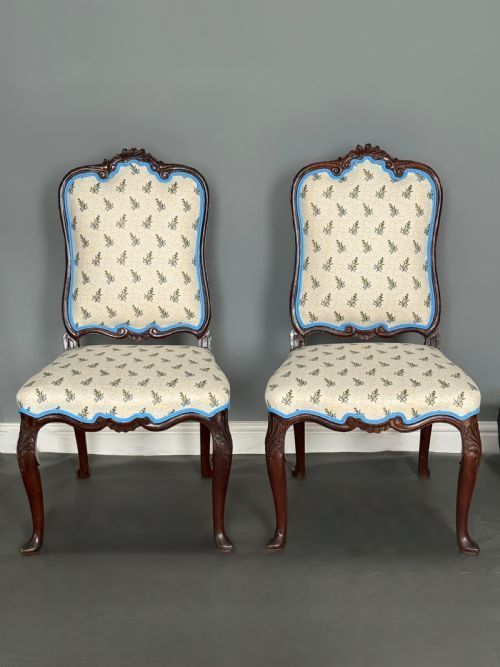
Antique dutch accent chairs span several distinct stylistic periods, including the seventeenth, eighteenth, and nineteenth centuries, alongside Georgian and Regency interpretations. The forms available encompass high-back armchairs, side chairs, and dining chairs, often displaying elaborate regional characteristics.
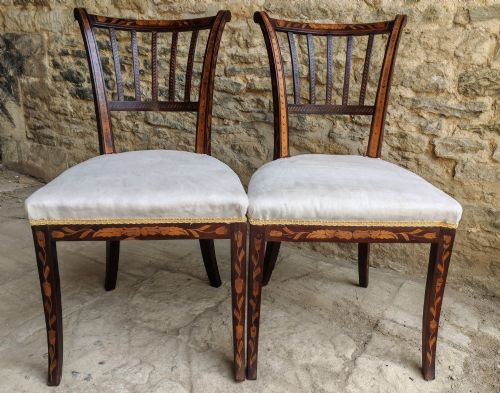
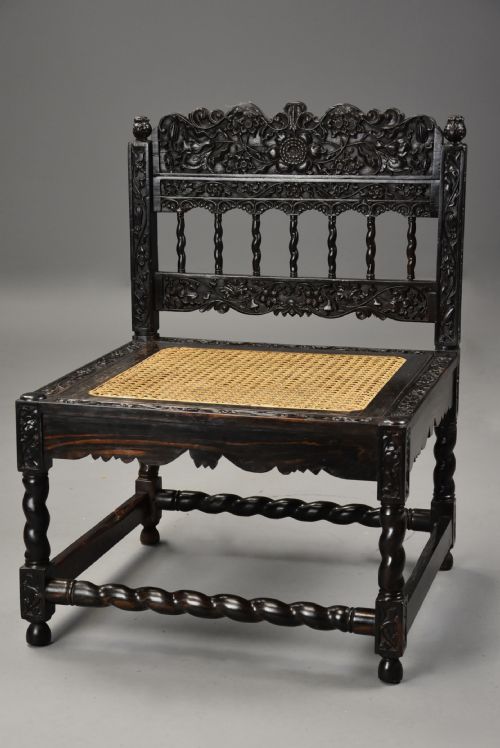
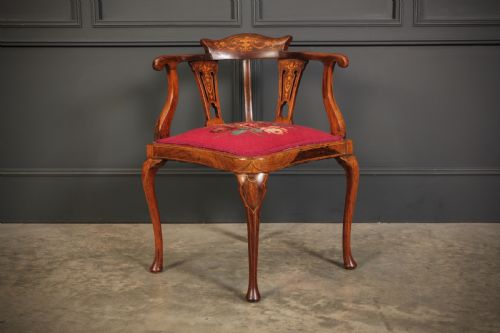
The materials and decorations vary across the selection, featuring walnut, mahogany, fruitwood inlay, and marquetry alongside cane and textile elements. Buyers frequently encounter pairs and sets that reflect Dutch Baroque and Rococo traditions, as well as related Cape Dutch and Indo-Portuguese influences.
How they were made
Cabinet-makers constructed these seating pieces using solid hardwoods such as walnut, mahogany, and fruitwood, often building up complex surfaces through meticulous marquetry and inlay techniques. Structural elements were joined by hand, while carved details and sculptural backrests were shaped using traditional chisels and gouges.
Finishing treatments ranged from polished timber and lacquered surfaces with gilt decoration to woven cane seats and reupholstered fabric panels secured with gimp trim. These diverse methods combined structural integrity with intricate visual ornamentation designed for prominent domestic display.
Current listings feature hardwood materials including walnut, Cuban mahogany, and fruitwood inlay alongside applied textile and cane elements.
What varies in quality
The standard of an antique dutch accent chair rests primarily on the depth and precision of its carving and marquetry work, where sharper floral or geometric inlay denotes superior craftsmanship. The choice and figure of the primary timber, such as Cuban mahogany or richly grained walnut, similarly distinguish finer examples from standard production.
Structural preservation also defines the tier of a piece, particularly the integrity of joined frames, original gilt decoration, and the survival of period upholstery methods. Pieces retaining crisp carved profiles and harmonious proportions achieve greater distinction than those with softened details or heavy subsequent alterations.
The Antique Dutch Accent Chairs Glossary
- Marquetry
- The art of forming decorative patterns on a wooden surface by fitting together small pieces of veneered wood or other materials. This technique defines the ornate floral and pictorial panels seen on many eighteenth-century seating frames.
- High-back
- A chair design featuring an elevated vertical backrest, common in formal seventeenth and eighteenth-century seating to project status and dignity. These tall proportions allow for extensive carving or marquetry displays.
- Gimp trim
- A narrow woven band used to conceal tacks and finish the edges of upholstery fabric. It provides a neat border where textiles meet the wooden frame of an armchair or side chair.
- Fruitwood inlay
- The insertion of lighter or differently coloured fruitwood pieces into a contrasting timber base to create decorative motifs. It adds subtle tonal variation to the surface design.
- Side chair
- A chair without arms, designed originally for dining or general placement around the perimeter of a room. These forms frequently survive in matching pairs within continental collections.
Antique Dutch Accent Chairs: Frequently Asked Questions
How do I use an antique Dutch accent chair?
These chairs function well as decorative occasional seating in a hallway, bedroom, or living space where their sculptural profiles can be appreciated. They are best placed away from direct heat sources and strong sunlight to protect aged timber and textile elements.
Because many examples feature high backs or detailed marquetry, they act as strong focal points rather than heavy utility seating. Careful placement ensures the carved details and delicate inlays remain safe from daily wear.
Are these chairs comfortable for everyday sitting?
Many historical seating forms were built with an upright posture in mind, reflecting the formal domestic habits of their respective periods. High-back armchairs and side chairs often provide firm support rather than deep lounging comfort.
Modern users frequently add subtle, non-damaging support cushions if the chairs are utilised for longer periods. The primary appeal, however, lies in their visual presence and historical craftsmanship rather than modern ergonomic standards.
How do I distinguish eighteenth-century pieces from later revivals?
Eighteenth-century examples typically display period-specific tool marks, timber shrinkage consistent with age, and construction methods characteristic of early workshops. Revival pieces from the nineteenth century often show more uniform machine-assisted cutting or different secondary woods beneath the surface.
Examining the underside, joinery, and the patina of the timber helps reveal the true age of the frame. Comparing the style of the marquetry against documented regional motifs also clarifies the timeline of manufacture.
How should I care for antique wood and marquetry?
Maintaining these surfaces requires stable indoor humidity and temperature levels to prevent timber splitting or veneer lifting. Regular dusting with a soft, dry cloth is usually sufficient, avoiding modern liquid polishes that can degrade historical finishes.
If the chair includes cane work or fabric upholstery, gentle vacuuming with a brush attachment keeps organic materials clean. Professional conservation is recommended for any loose inlay or structural repairs.