



Antique Drop Leaf Furniture
Antique drop leaf furniture offers adaptable surfaces and folded storage, spanning centuries of skilled carpentry in mahogany, oak, and walnut.
Antique Drop Leaf Furniture
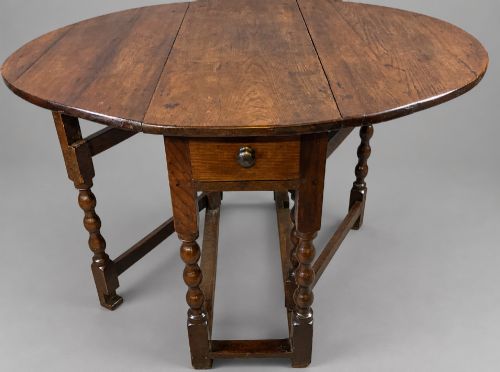
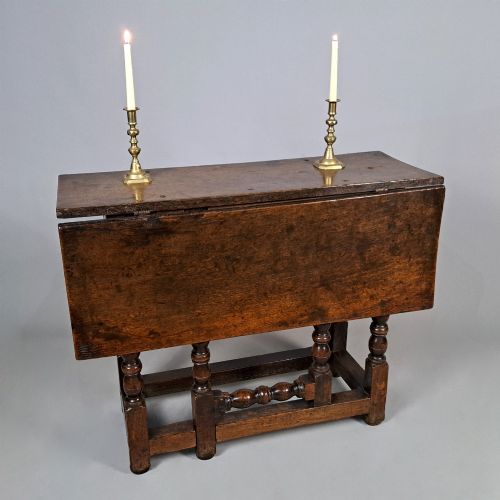
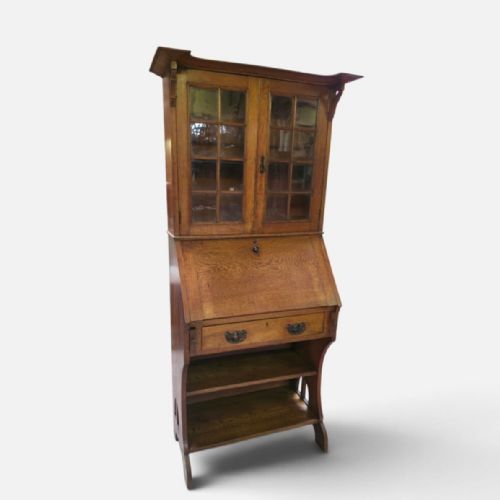
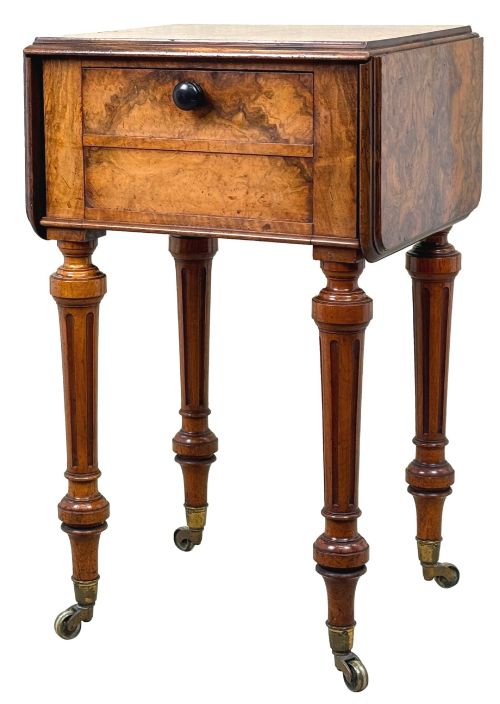
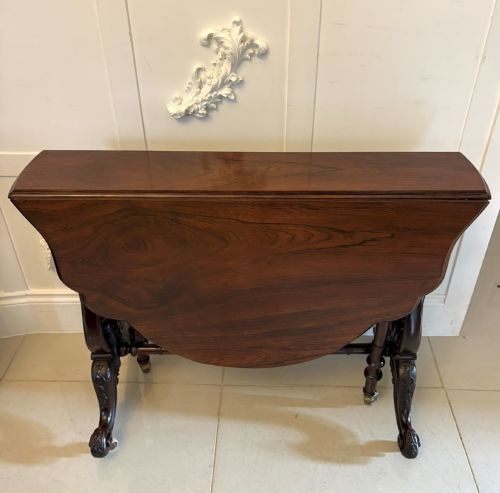
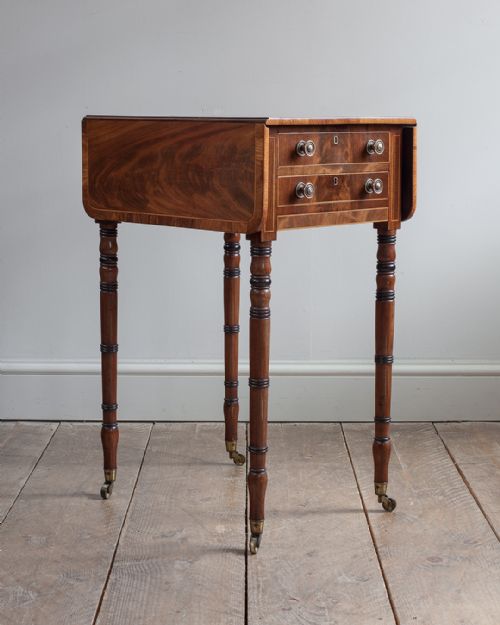
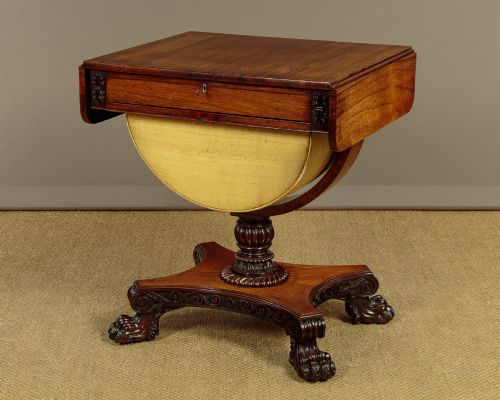
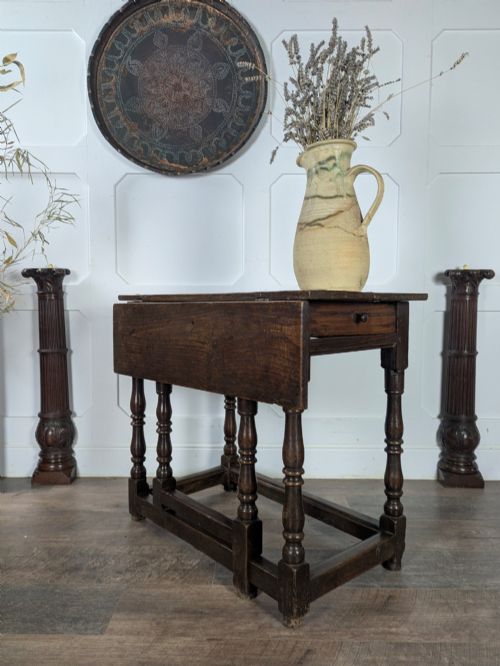
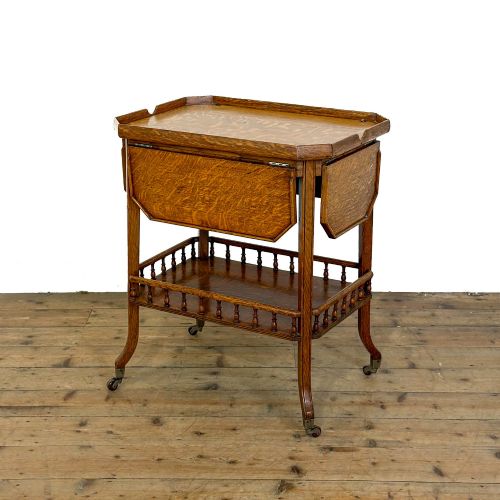
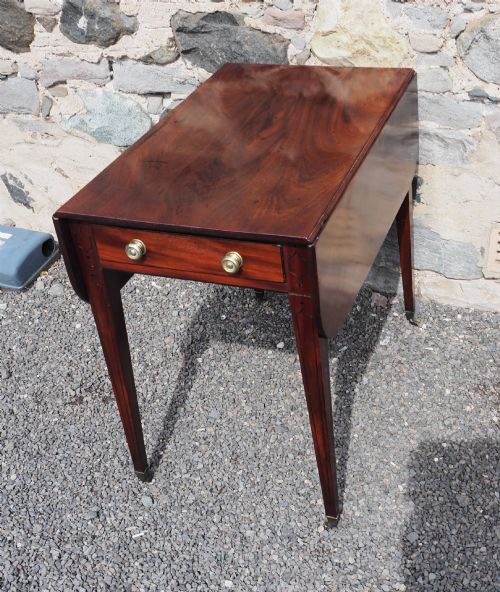
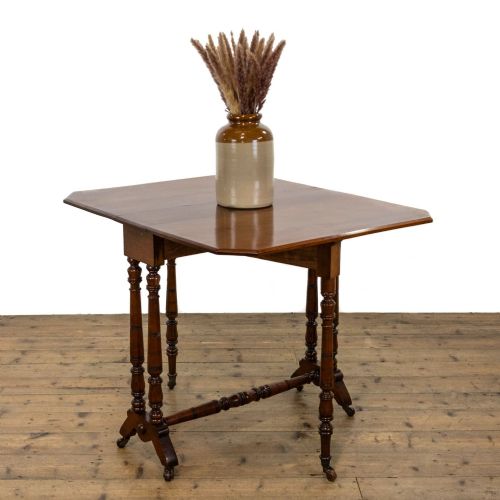
Antique drop leaf furniture encompasses practical tables and desks designed with hinged flaps that fold down to save space or lift to extend the surface area. The pieces on this page span from the seventeenth century through to the early twentieth century, taking in the Jacobean, Georgian, Regency, Victorian, and Edwardian eras.
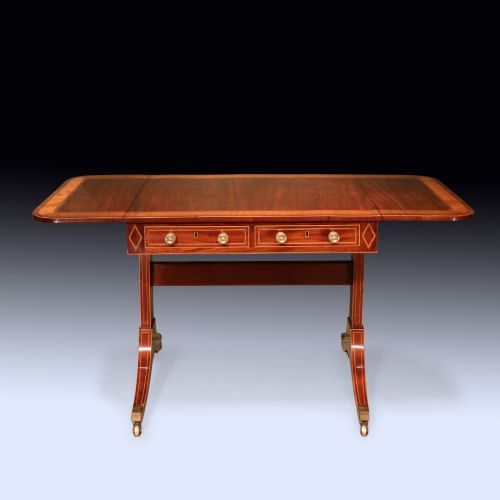
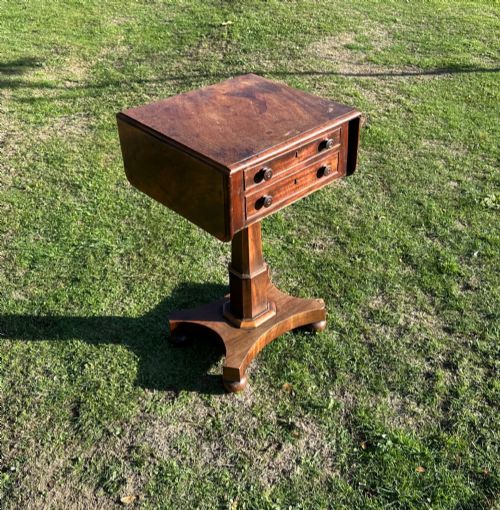
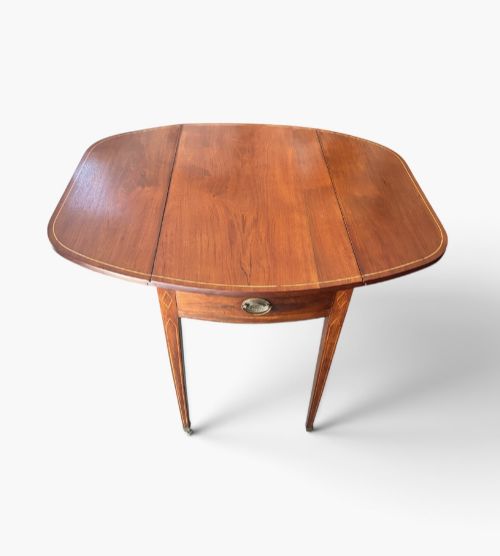
Gateleg tables and Pembroke tables dominate the selection, alongside occasional tables, sofa tables, and dining tables. Buyers encounter solid oak examples from the seventeenth and eighteenth centuries, as well as mahogany, walnut, and rosewood items from the Georgian and Victorian periods.
Materials and Construction
Cabinetmakers utilised hardwoods such as mahogany, oak, walnut, and rosewood, often pairing them with secondary timbers and decorative veneers like satinwood or boxwood inlay. Frames rely on traditional joinery techniques, supporting hinged flaps with folding brackets, sliding wooden supports, or pivoting gatelegs.
Turning appears frequently on table legs, from seventeenth-century bobbin turning to later tapering or cabriole legs ending in hoof feet. Surface treatments include polish and wax that highlight the natural grain and aged patina of the timber.
Antique Drop Leaf Furniture Retail Price Guide 2026
Typical asking prices for drop leaf furniture among the pieces listed under this phrase on Sellingantiques today, from the lower quarter to the upper quarter. They describe what is for sale here now, not the wider market.
A seventeenth-century gateleg table keeps twenty-four wooden legs and pivots remarkably steady after three hundred years.
Assessing the Pieces
Quality rests upon the choice of timber and the crispness of the original construction, seen in well-figured veneers, solid secondary woods, and stable hinge mechanisms. Pieces that retain their original patination, hardware, and structural integrity command greater attention.
The refinement of the carving, the precision of boxwood or satinwood inlay, and the retention of working keys for fitted drawers distinguish finer examples from standard utility pieces.
Johnstone and Jeanes·James Mein
The Antique Drop Leaf Furniture Glossary
- Gateleg table
- A table with hinged leaves supported by one or more swing-out legs that resemble the stationary legs. This design provides robust support for large dining surfaces when fully extended.
- Pembroke table
- A small rectangular table featuring two hinged leaves on opposite sides and usually a single drawer. It originated in the eighteenth century as a versatile piece for breakfast or writing.
- Sutherland table
- A narrow drop-leaf table with particularly slender leaves that fold down almost vertically. It was introduced during the Victorian era to occupy minimal floor space when closed.
- Sofa table
- A type of Pembroke table traditionally placed in front of a sofa, characterised by a long, rectangular top and low proportions. They frequently incorporate trestle bases or dual pedestals.
- Patina
- The surface sheen and coloration developed by wood over decades through handling, waxing, and exposure to light. A desirable patina shows depth without heavy artificial interference.
Antique Drop Leaf Furniture: Frequently Asked Questions
How do I use a drop leaf table daily?
Keep the leaves dropped against the sides for compact placement in a hallway or against a wall, lifting them only when you need extra surface space for dining or writing.
Ensure the hinged brackets or swing legs are securely positioned underneath the flaps before placing heavy objects on the extended sections.
Where should I place a Pembroke table?
These tables fit well beside seating areas or as freestanding accent pieces in a living room, where their narrow profile consumes minimal floor space.
They also function effectively as compact writing desks when positioned against a wall with one leaf lowered.
How do I date an oak gateleg table?
Seventeenth-century examples typically display heavy timber framing, pegged joints, and bobbin or spiral turning on the legs. The use of solid oak throughout and hand-split boards indicate earlier production.
Later nineteenth-century revivals feature more uniform machine-sawn components and different fastener types inside the frame.
What is crossbanding?
Crossbanding involves applying a border of veneer where the grain runs perpendicular to the main surface panel. This decorative technique frames the top of tables and cabinets.
Cabinetmakers used contrasting timbers like rosewood or mahogany to create distinct borders on Regency and Georgian pieces.