
Antique Drop Earrings
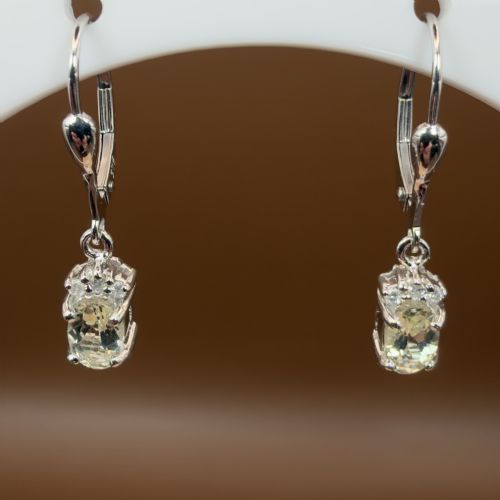
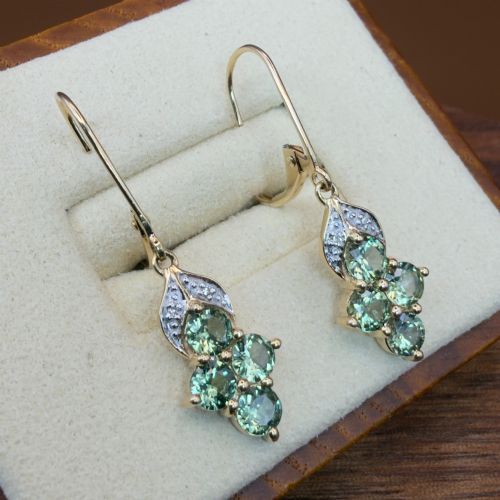
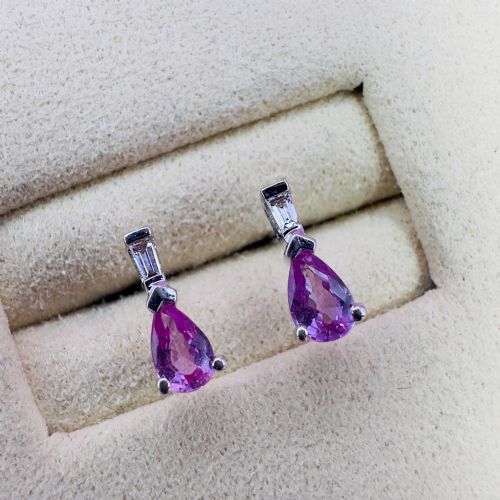
Antique drop earrings span from Georgian pearl designs to Art Deco diamond clusters, offering movement and historical craftsmanship that appeal to modern collectors.

Antique Drop Earrings
When searching for antique drop earrings, buyers encounter a wide array of styles reaching from the nineteenth century through the mid-twentieth century. The selection ranges from Georgian flat-cut garnet pieces and Victorian Etruscan revival gold work to Edwardian aquamarine pendants and geometric Art Deco platinum designs.
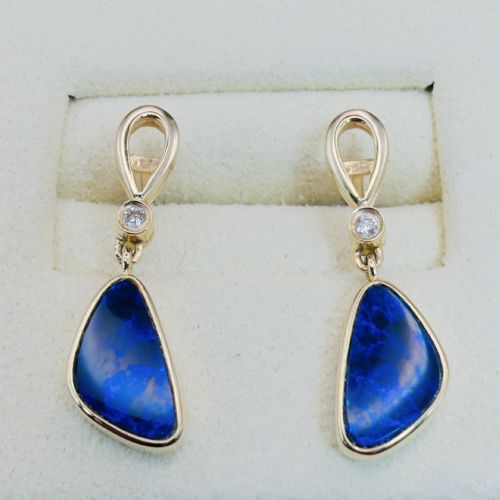
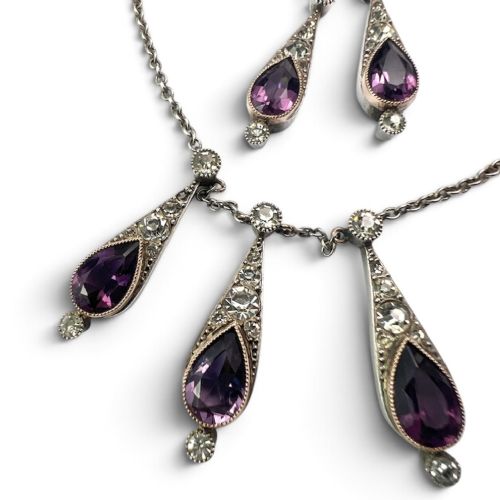
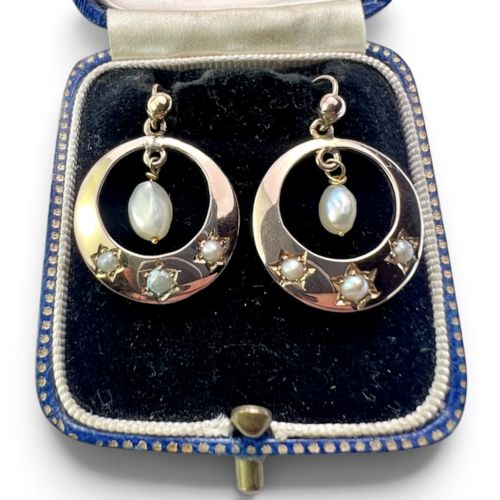
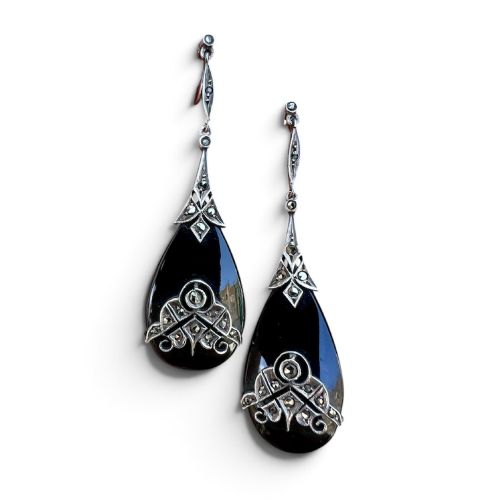
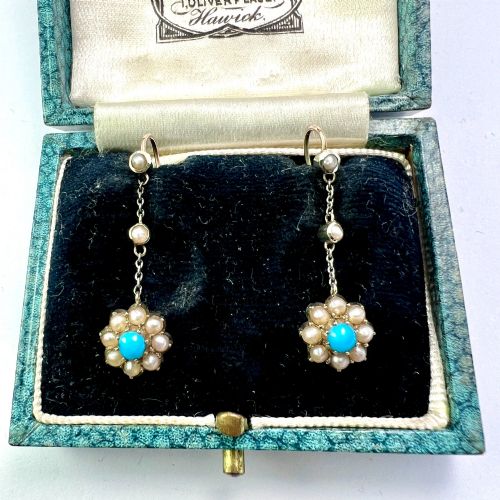
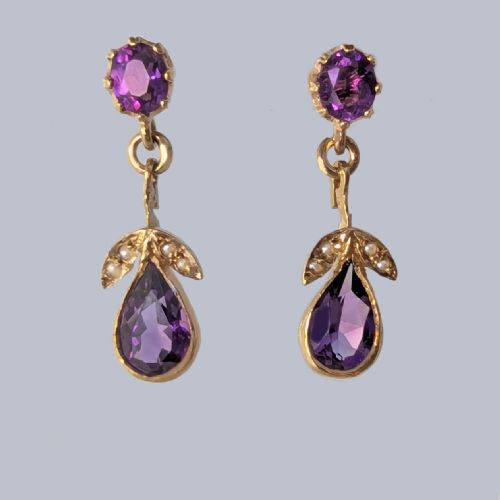
Victorian and Edwardian examples frequently feature natural stones such as turquoise, pearls, amethyst, and amber set in yellow gold or silver. Art Deco pieces on this page lean heavily towards platinum and 18ct white gold paired with diamonds, sapphires, jade, and onyx for a sharper, linear aesthetic.
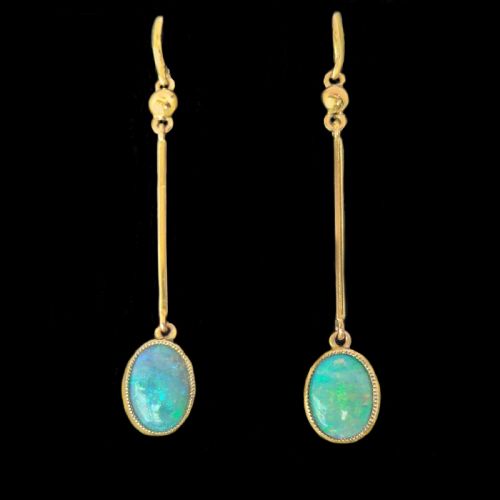
Shorter dangle configurations and articulated chain drops appear alongside more elaborate chandelier and cluster formats. Whether exploring simple gemstone drops or diamond-laden Edwardian clusters, the variety reflects shifting stylistic preferences across successive decades.
Materials and construction methods
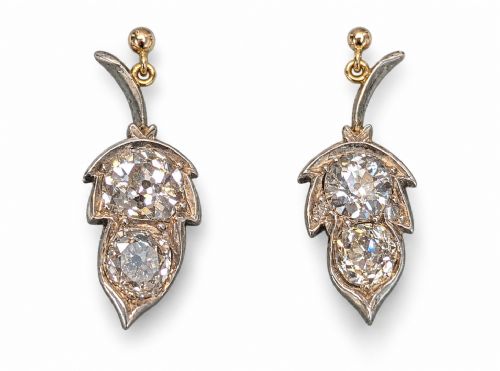
Gold forms the backbone of these pieces, appearing across listings in 9ct, 14ct, 15ct, and 18ct yellow variations, alongside 18ct white gold and platinum particularly in Art Deco items. Silver is frequently paired with gold in earlier Victorian and Georgian creations, serving as a bright backing surface to enhance diamond sparkle.
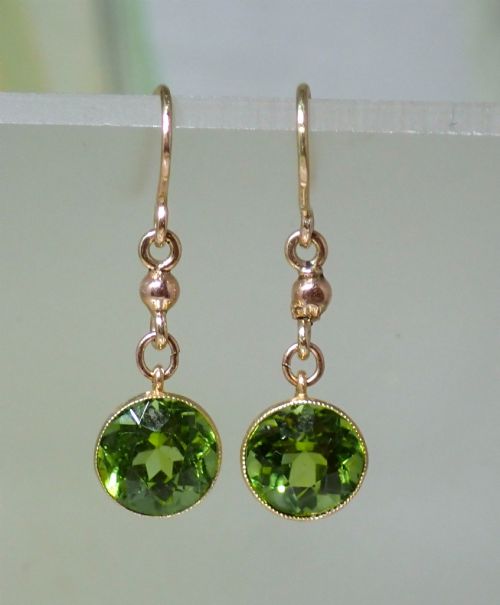
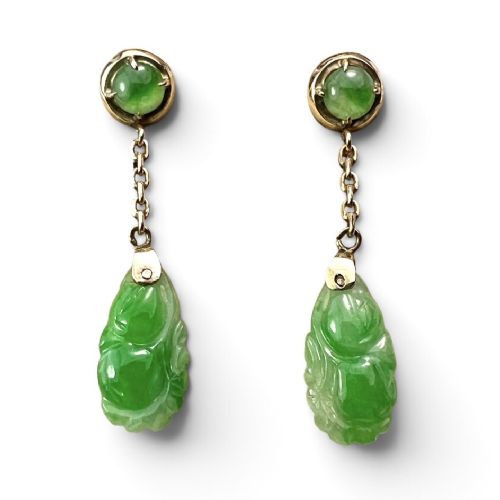
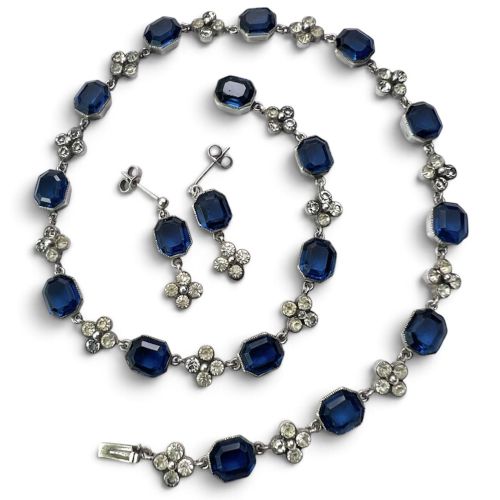
Gemstone selection dictates much of the visual weight, incorporating both precious stones like diamonds, emeralds, and sapphires alongside semi-precious materials such as amethyst, peridot, jade, turquoise, and paste glass. Hand-cutting techniques, including old-cut and rose-cut diamonds, define the period character of the stones.
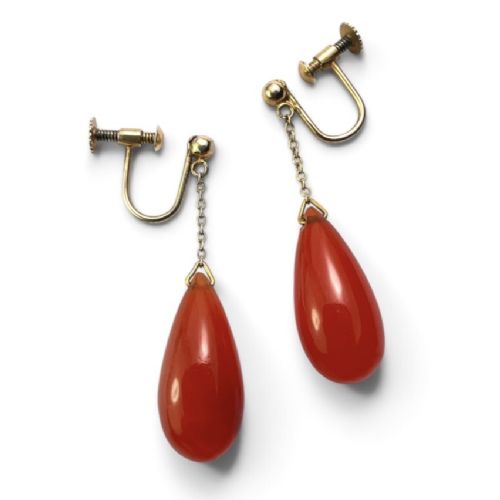
Assembly relies on delicate wirework, hinged backs, screwbacks, and articulated chain links designed to give the drops natural movement. Decorative elements often incorporate seed pearls, marcasite, enamel, and carved hardstones secured through traditional bezel and prong settings.
Antique Drop Earrings Retail Price Guide 2026
Typical asking prices for drop earrings among the pieces listed under this phrase on Sellingantiques today, from the lower quarter to the upper quarter. They describe what is for sale here now, not the wider market.
Listings feature earrings spanning from the Georgian era through the 1960s, utilising platinum, 9ct to 18ct gold, silver, diamonds, and jade.
Factors of craftsmanship and preservation
Quality in these pieces rests primarily on the integrity of the original metalwork and the matching of the stones. Finer examples maintain crisp repoussé details, secure stone settings, and fully intact articulation without looseness in the chain links or hinges.
The choice of materials also elevates a piece, distinguishing standard paste and base-metal combinations from high-karat gold, platinum, and certified natural gemstones. Original components, such as matching screwbacks, hook wires, and period clasps, preserve the historical authenticity of the jewellery.
Overall survival condition heavily influences standing, separating items with crisp hand-cut facets and uncompromised metalwork from those showing heavy wear or modern replacement elements.
Knoll and Pregizer·Harold Arthur Lazarus·Bentley and Skinner
The Antique Drop Earrings Glossary
- Old-cut diamond
- A hand-faceted diamond style prevalent before modern brilliant cutting, featuring a high crown and small table that catch candlelight effectively. These stones possess a distinctive, softer scintillation compared to contemporary cuts.
- Paste glass
- Hand-cut and polished glass used historically to simulate precious gemstones. High-quality period paste displays deep colour saturation and individual foiling behind the stone to enhance brilliance.
- Marcasite
- Small, faceted pieces of iron pyrite polished and set into silver to resemble sparkling steel. It gained immense popularity during the Art Deco period for geometric contrast.
- Etruscan revival
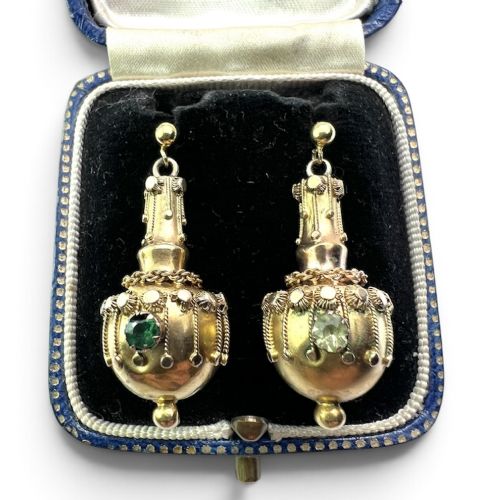
- A nineteenth-century design movement characterised by granulation, filigree, and archaeological motifs inspired by ancient Etruscan artefacts. This style showcases meticulous goldwork.
- Chandelier earrings
- Elaborate drop earrings featuring tiered, multi-stone cascading configurations that resemble hanging light fixtures. They are typically reserved for formal evening wear across Victorian and Edwardian eras.
Antique Drop Earrings: Frequently Asked Questions
Can antique screwbacks be converted to posts?
Converting screwbacks or clip fittings to standard post or hook wires is technically possible for a skilled jeweller, but it alters the original structural integrity of the piece. Many collectors prefer to preserve the original mechanisms as part of the item's historical record.
Consult a specialist in period jewellery before making structural alterations to ensure the conversion does not compromise valuable antique gold or platinum work.
What is the difference between Victorian and Edwardian drops?
Victorian drops tend to be heavier, warmer in tone through the use of yellow and red golds, and often incorporate sentimental motifs like snakes, crescent moons, or Etruscan revival granulation. They reflect a span from romantic symbolism to bold, archaeological revivals.
Edwardian drops favour lighter, airier platinum and white gold settings with diamonds, pearls, and aquamarines, leaning into delicate lace-like filigree and foliate garland motifs typical of the early twentieth century.
How can I tell if gemstones are original?
Examining the back of the setting under magnification reveals whether stones sit flush with hand-cut bezels or show signs of later resetting, such as uneven claw work or mismatched metal colours. Period stones often exhibit irregular hand-cut facets rather than uniform modern machine symmetry.
Microscopic examination can also identify natural inclusions in gemstones versus synthetic counterparts or glass paste substitutes common in specific eras.