
Antique Drinks Credenza
An antique drinks credenza brings period character to a room, offering fitted storage for bottles and glassware through historic cabinetry.
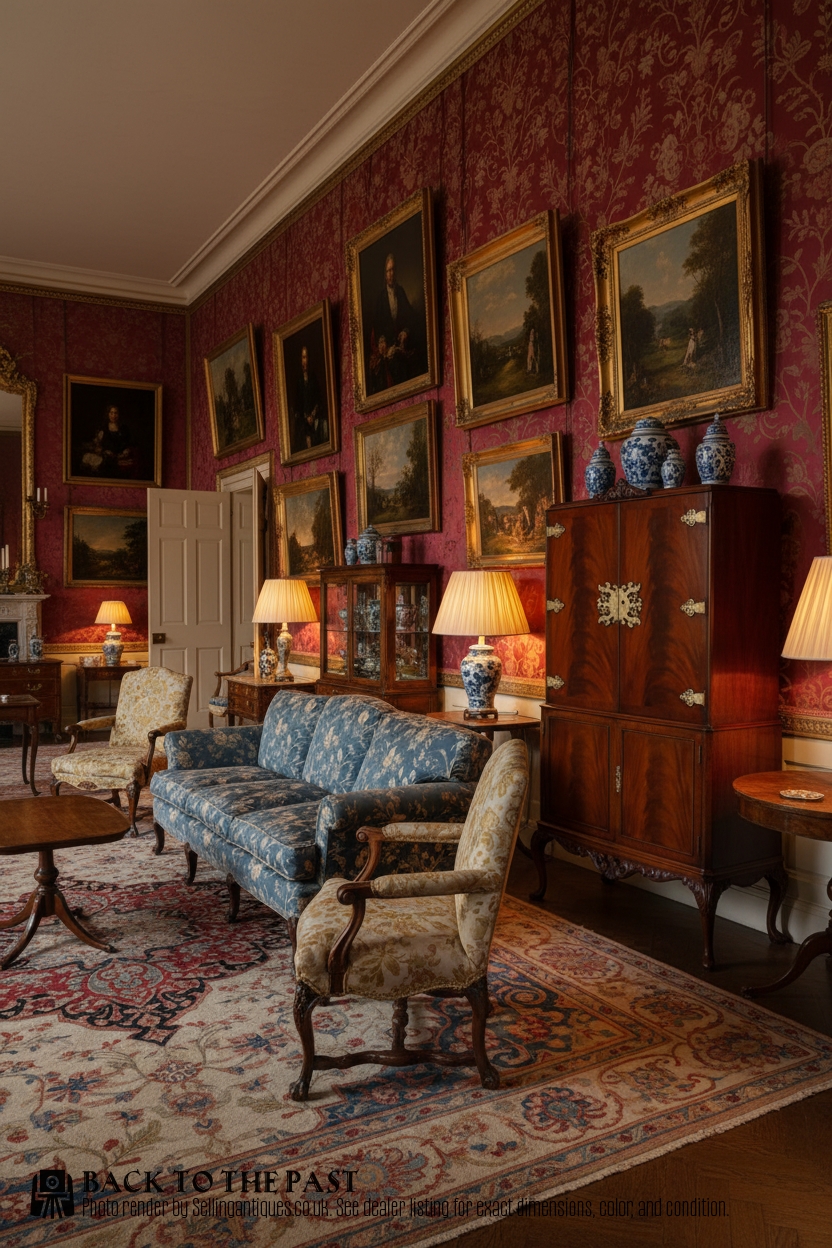
Antique Drinks Credenza
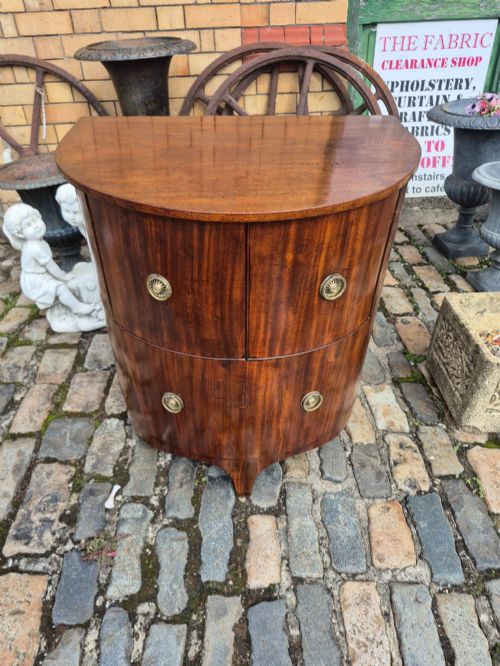
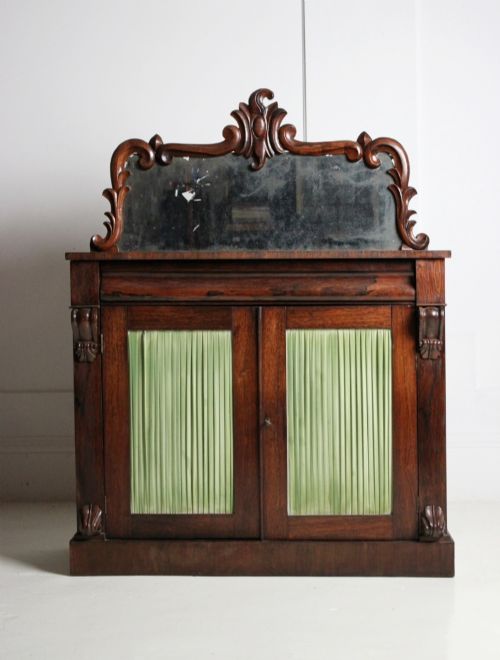
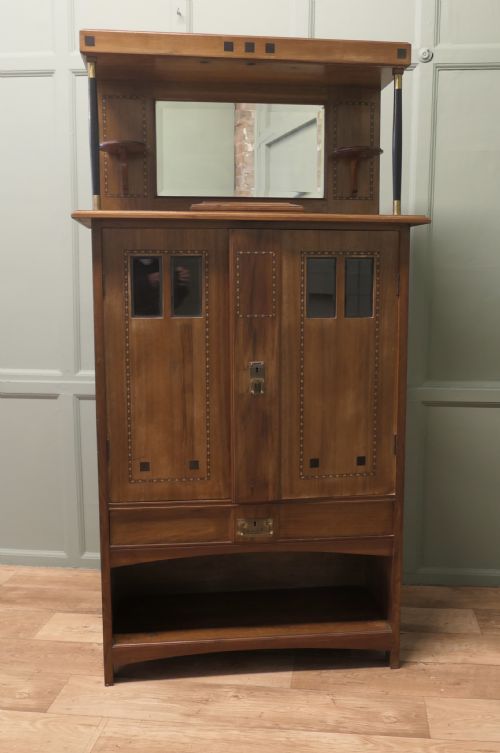
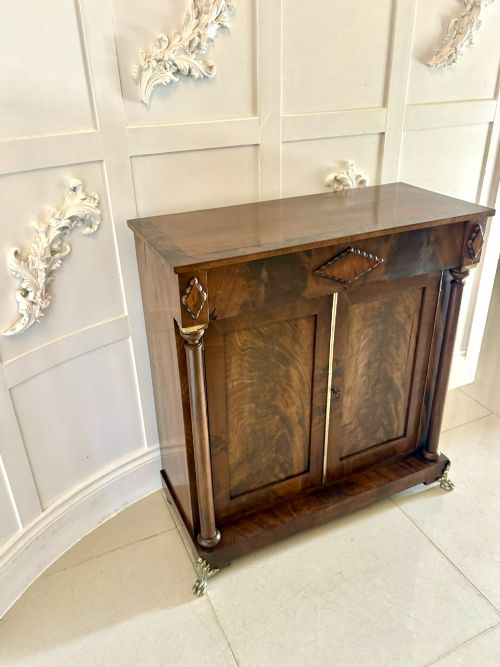
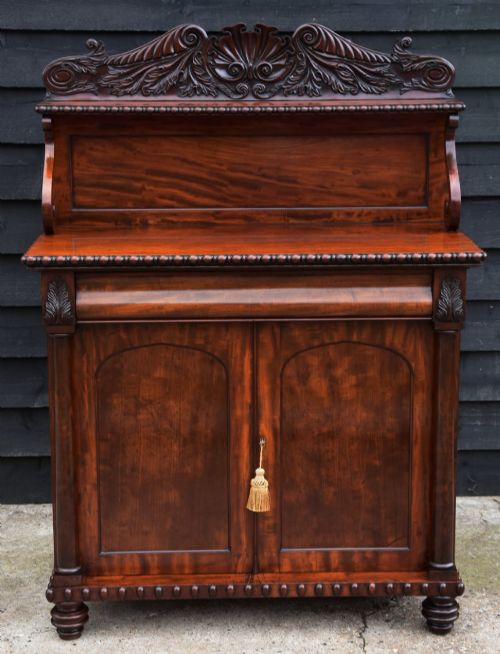
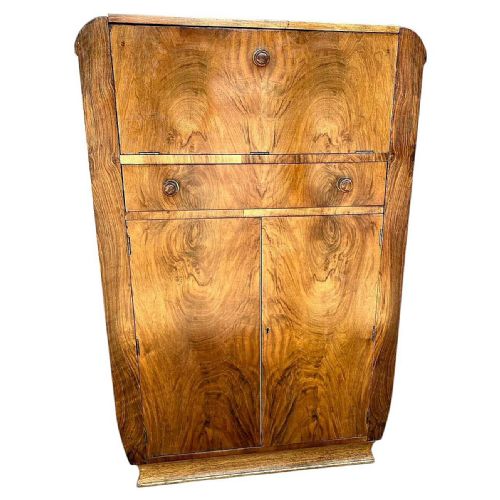
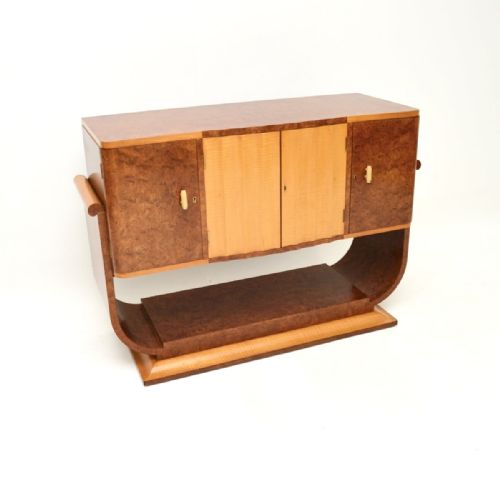
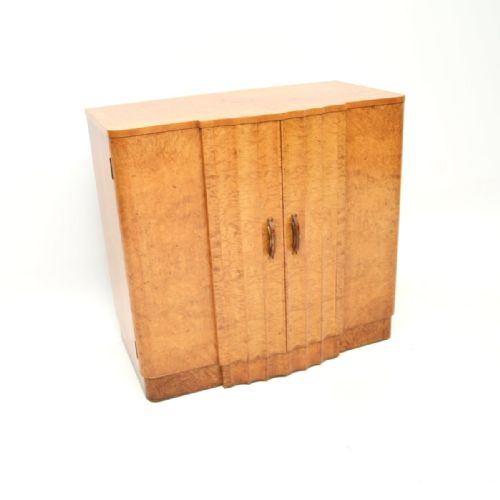
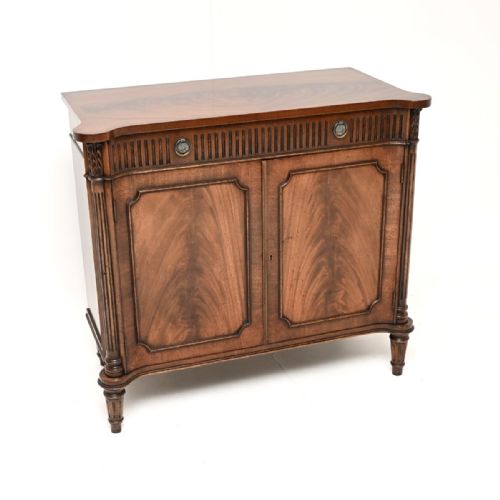
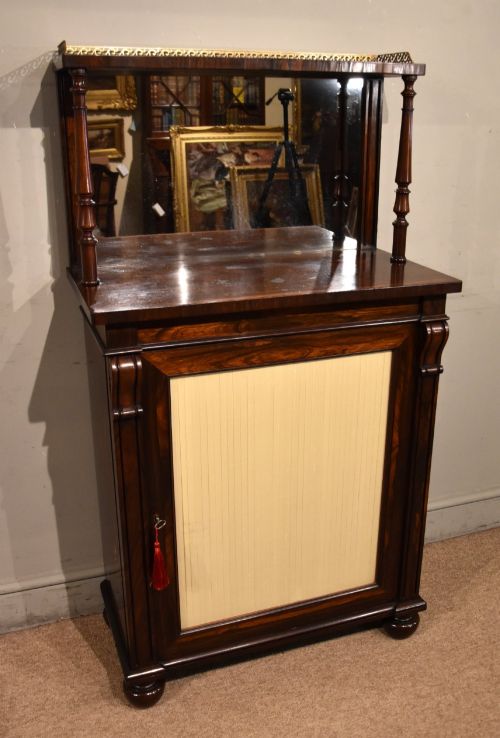
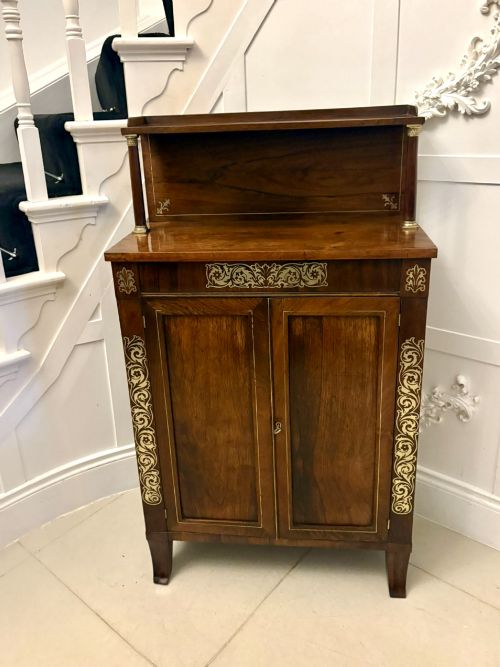
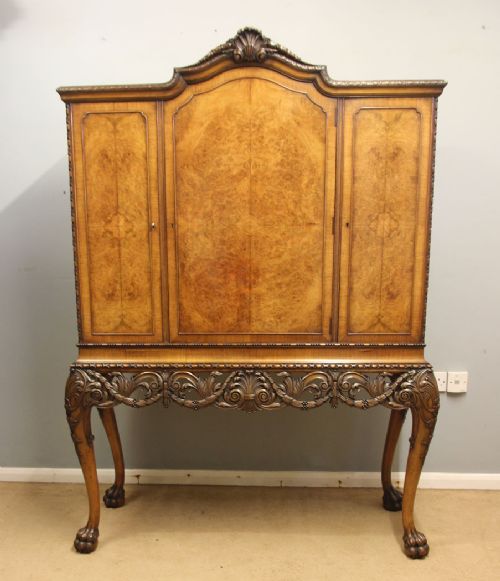
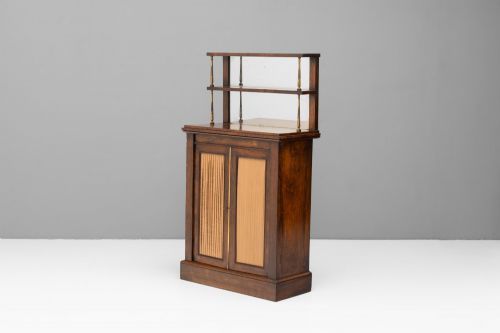
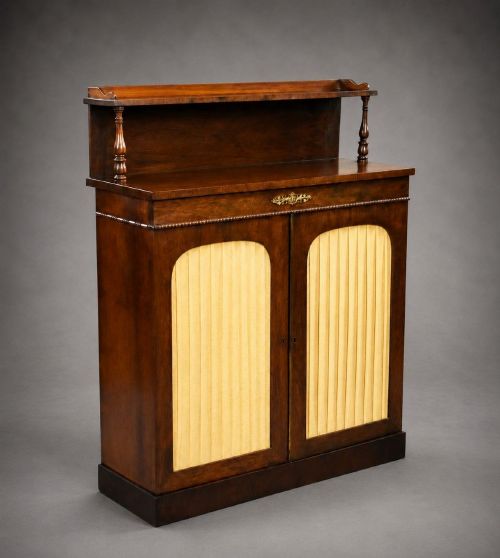
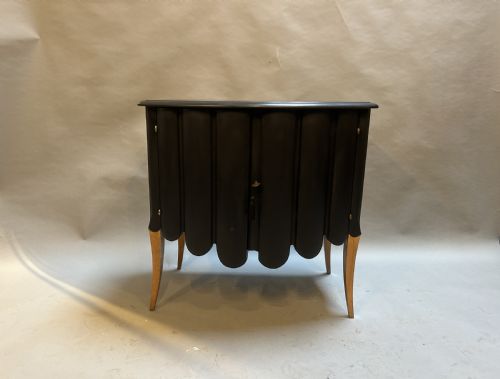
An antique drinks credenza encompasses low storage forms including sideboards, chiffoniers, and specialised cocktail cabinets designed to house bottles and glassware. When exploring this selection, buyers encounter pieces spanning from the Regency and Victorian eras through to Edwardian designs and Art Deco walnut creations.
The form adapts traditional low cabinetry for modern hospitality, drawing on nineteenth-century chiffoniers alongside twentieth-century cocktail cabinets. These low-profile pieces sit comfortably in dining rooms or sitting rooms, serving functional entertaining needs while displaying distinctive period craftsmanship.
The selection ranges from early nineteenth-century mahogany chiffoniers to streamlined nineteen-thirties burr walnut cocktail cabinets. Each piece reflects the interior fashions of its decade, uniting practical storage compartments with the rich timber grains favoured by period makers.
Materials and construction
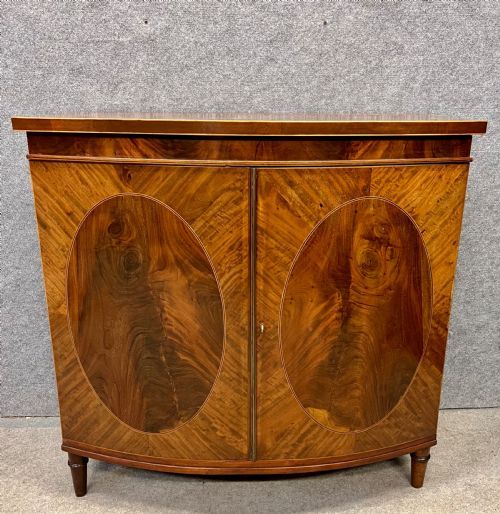
Cabinet makers utilised dense hardwoods including mahogany, rosewood, and walnut, often applying figured veneers such as burr walnut and flame mahogany to visible surfaces. These timbers were selected for their striking grain patterns and structural stability, providing a robust carcass for storing heavy glassware and bottles.
Fine brass handles, grilles, and hinges provide structural contrast to the dark polished timbers. Glass panels feature in display sections and cocktail doors, while internal fittings organise bottles and serving accessories within the cabinet.
Materials recorded across the cabinets include solid mahogany, flame mahogany veneer, burr walnut, rosewood, brass, and glass.
Assessing quality and character
Quality rests in the selection of timber veneers and the precision of the cabinet construction. Finer examples display carefully matched burr walnut or flame mahogany grain across the doors, alongside well-integrated internal shelving and secure door hardware.
The distinction between standard workshop production and exhibition pieces lies in the subtlety of the carved details, the weight of the brass mounts, and the integrity of the original polish. Superior examples maintain crisp mouldings and harmonious proportions across doors and plinths.
Holland and Sons·Harry and Lou Epstein
The Antique Drinks Credenza Glossary
- Chiffonier
- A low compact sideboard featuring enclosed shelving beneath, common in Regency and Victorian interiors.
- Burr walnut
- A highly figured timber veneer taken from the burl growths of walnut trees, prized for its swirling, organic patterns.
- Credenza
- A low dining room cabinet or sideboard, traditionally used for serving food and displaying silver or glass.
- Demi-lune
- A half-moon shape used for the footprint of specialised cabinets designed to fit snugly against walls.
- Figured mahogany
- Timber cut to reveal distinctive linear or mottled grain patterns within the reddish-brown mahogany.
Antique Drinks Credenza: Frequently Asked Questions
How do I date an antique credenza?
Dating relies on identifying stylistic markers, timber types, and construction methods characteristic of periods like Regency, Victorian, or Art Deco. For instance, nineteen-thirties pieces often showcase burr walnut veneers and geometric cocktail cabinet layouts.
Earlier nineteenth-century examples typically feature solid mahogany or rosewood with simpler architectural mouldings and brass gallery rails.
Where should I place a drinks cabinet?
A drinks credenza suits dining rooms, sitting rooms, or hallways where low-profile storage is required. Their shallow depth allows them to sit against walls without dominating the floor space.
Positioning them away from direct heat sources helps preserve the polished timber surfaces and wood veneers.
How do I care for wood finishes?
Maintaining period timber involves dusting with a soft cloth and applying appropriate beeswax or polish sparingly to nourish the grain. Avoiding direct sunlight prevents the mahogany and walnut from fading over time.
Glass doors and internal mirrors benefit from gentle cleaning with standard glass solution applied to a cloth rather than sprayed directly onto the cabinet.