

Antique Dressing Side Table
An antique dressing side table brings practical surface space and period character to a room, spanning forms from Georgian lowboys to Victorian mahogany designs.
Antique Dressing Side Table
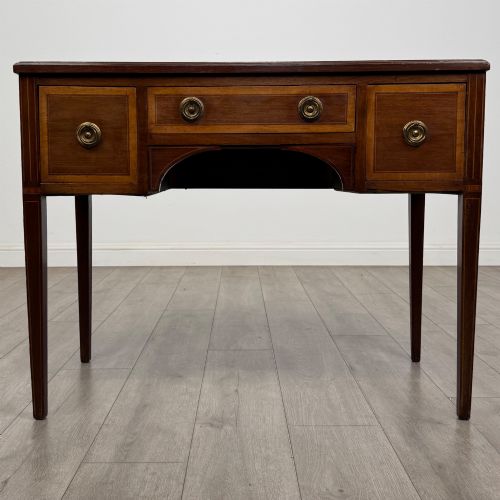
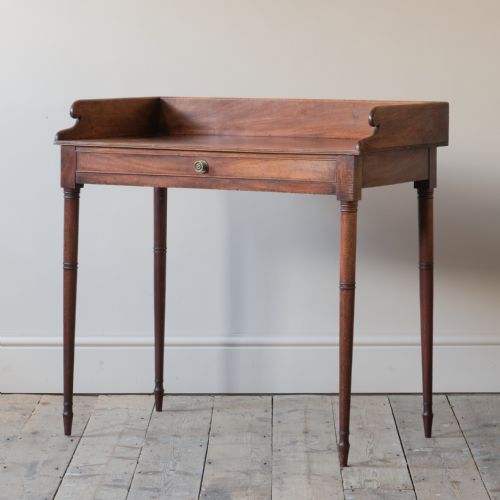
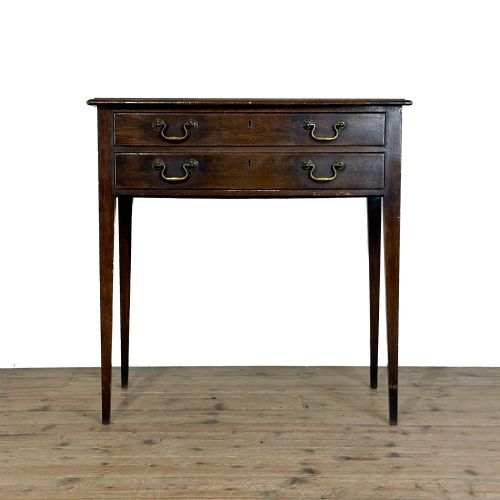
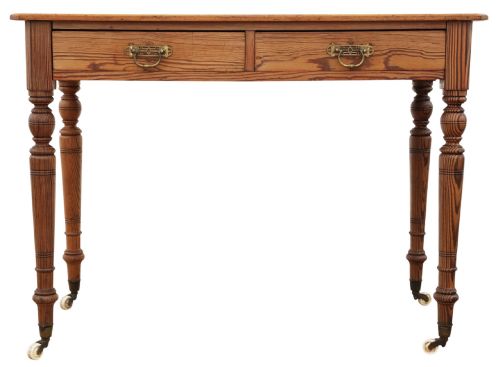
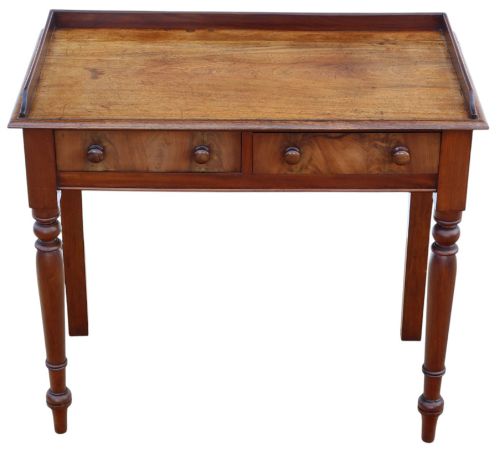
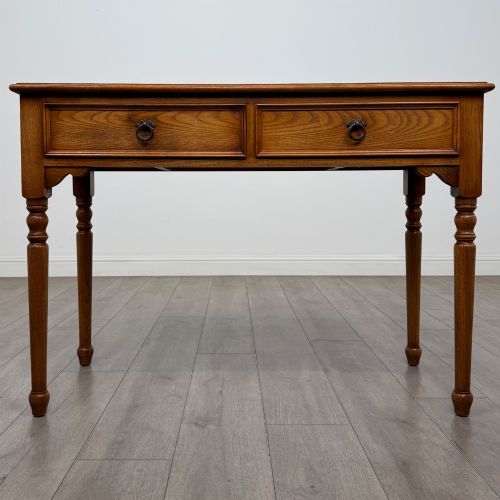
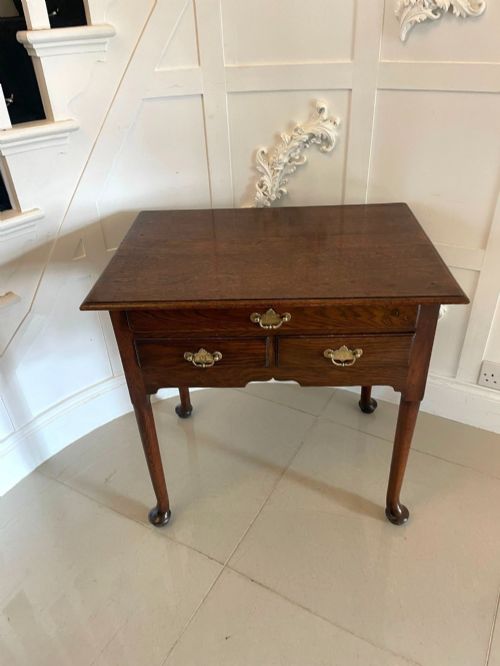
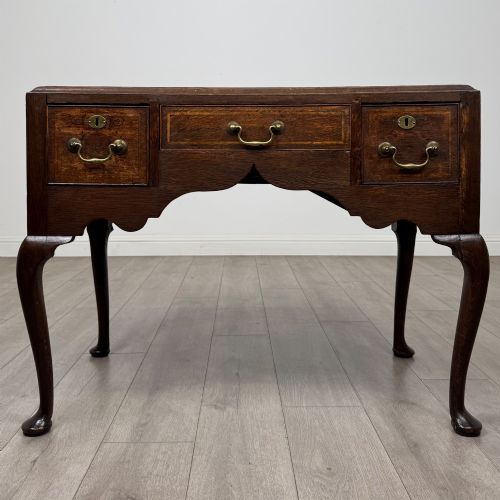
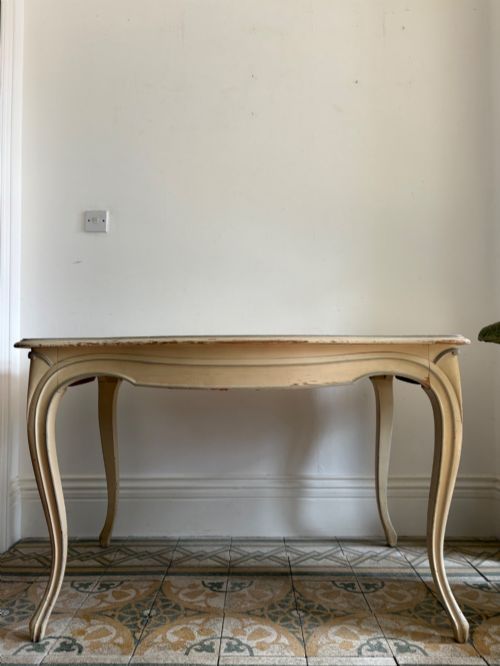
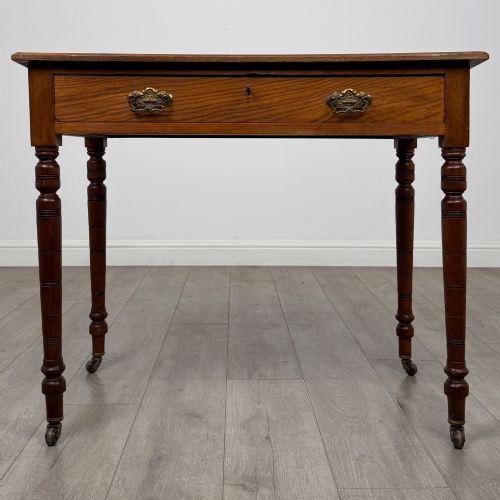
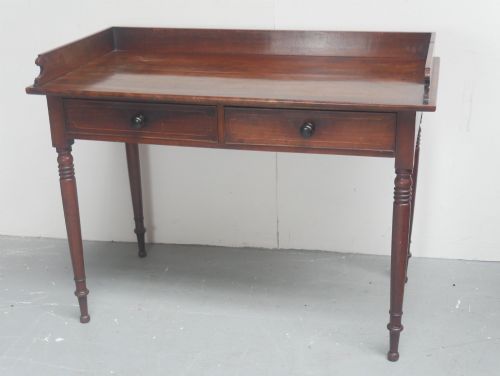
An antique dressing side table serves multiple functions, appearing across listings as a lowboy, a writing table, a washstand, or a dedicated dressing piece. These tables bridge the gap between utilitarian furniture and refined room decor, offering compact proportions suited for bedrooms, hallways, or studies.
The pieces on this page span the 18th century, the Georgian and Regency eras, through to the Victorian, Edwardian, and Art Deco periods. Mahogany, oak, and walnut dominate the forms, alongside regional timbers like elm, fruitwood, and pitch pine.
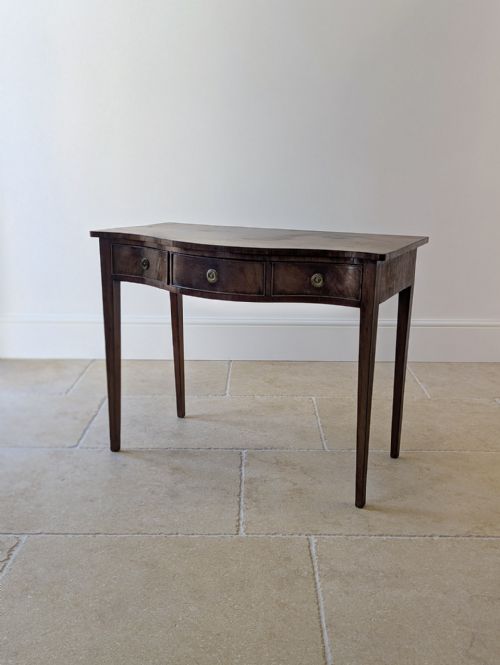
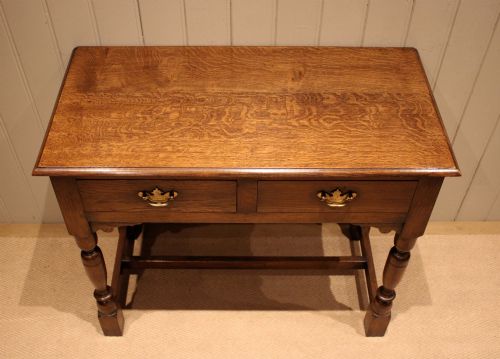
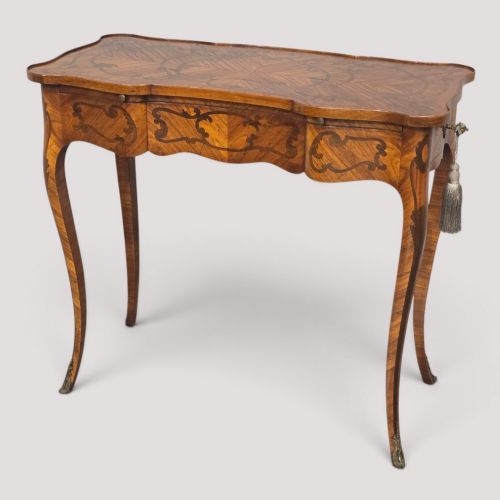
Buyers encounter everything from straightforward oak lowboys with fitted drawers to serpentine mahogany tables and walnut pieces with intricate marquetry. Many examples double as writing desks or occasional tables, reflecting how fluidly these domestic pieces were used in the past.
How they were made
Cabinet makers relied heavily on solid hardwoods like mahogany, oak, and walnut, frequently employing figured veneers such as burr walnut and flame mahogany for visual depth. Secondary timbers like pine and elm appear in drawer linings and internal framing.
Construction techniques visible across the pieces include hand-cut dovetails on drawer boxes and pegged joints on earlier oak examples. Surface treatments range from French polish on mahogany and walnut to painted finishes and faux bamboo detailing.
Faux bamboo surfaces bring a touch of botanical whimsy to Regency dressing routines.
What varies in quality
The grade of timber and the selection of grain patterns dictate the visual weight of a piece, with figured burr walnut and flame mahogany sitting at the higher end of the scale. Subtle details like serpentine fronts, carved cabriole legs, and inlaid marquetry separate standard utilitarian tables from finer workshop productions.
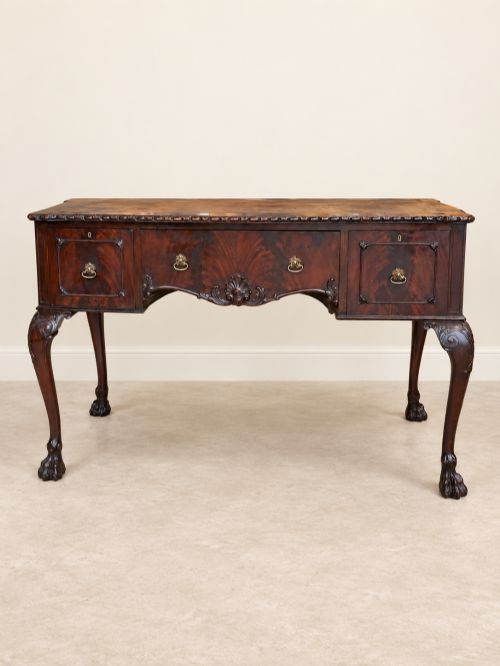
Proportion and structural integrity distinguish superior examples, particularly where secondary timbers are neatly integrated and drawers retain their original brass hardware. The crispness of hand-carving on details like lowboy aprons or console legs shows the hand of a skilled maker.
Gillows of Lancaster
The Antique Dressing Side Table Glossary
- Lowboy
- A small table with one or more drawers, typically raised on four tall legs and dating from the 18th century. They were frequently used as dressing tables or side tables.
- Serpentine
- A furniture front or edge shaped with a curving contour, convex at the centre and concave at the ends. This technique requires considerable skill to execute in solid mahogany or walnut.
- Marquetry
- The art of applying pieces of veneer to a structure to form decorative patterns and pictures. It is often seen on French and Edwardian writing and side tables.
- Washstand
- A piece of furniture designed to hold a basin and jug for washing, frequently adapted or grouped with dressing side tables in bedroom settings.
- Faux bamboo
- Wood that has been carved or turned to imitate the segmented stalks of bamboo. This decorative technique enjoyed popularity during the Regency and Victorian periods.
Antique Dressing Side Table: Frequently Asked Questions
What is the difference between a lowboy and a side table?
A lowboy is a specific form of small table featuring drawers and relatively tall legs, most commonly associated with the 18th century. While all lowboys function as side tables, standard side tables encompass a much broader range of simpler table forms without drawers.
Lowboys were traditionally used for personal grooming or as small writing surfaces in bedchambers. Side tables served diverse roles across the home, from holding lamps to displaying decorative objects in hallways.
Can I use a dressing side table as a desk?
Many antique dressing side tables double effectively as writing desks because their proportions and fitted drawers were designed for similar seated tasks. Historical pieces frequently cross boundaries between writing, dressing, and side table duties.
When choosing one for a workspace, check the knee clearance beneath the drawer aprons to ensure comfortable daily use. Compact tabletop areas suit laptops and notepads just as well as historical writing paraphernalia.
How do I identify a Georgian dressing table?
Georgian dressing tables and lowboys are distinguished by their use of solid mahogany, oak, or walnut, combined with traditional joinery like hand-cut dovetails. They often feature restrained classical proportions, pad feet, or cabriole legs.
Later Victorian and Edwardian interpretations tended to introduce lighter timbers, varied drawer configurations, and machine-assisted construction methods. Examining the timber grain and internal drawer construction helps establish the period.
Where should I place a side table in my home?
These tables fit easily into narrow hallways, living room corners, or bedrooms where floor space is limited. Their shallow depth allows them to sit flush against walls without obstructing pathways.
In a bedroom, they function well as dressing tables paired with a small chair or stool. In a hallway, a drawer-equipped side table provides a convenient drop-off point for keys and small items.