
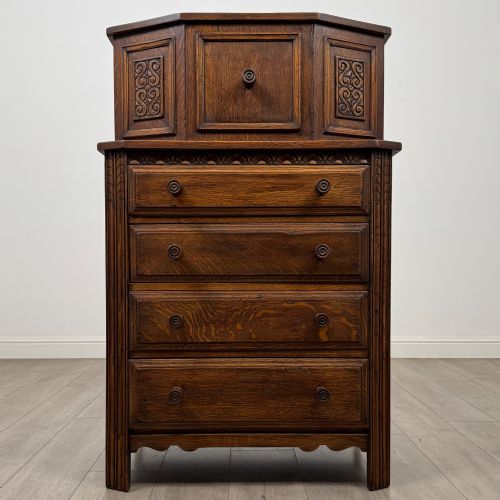
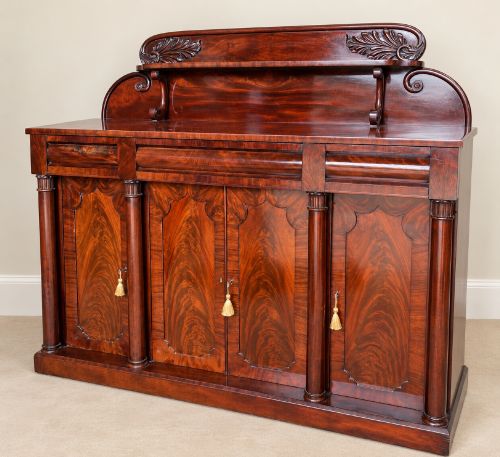
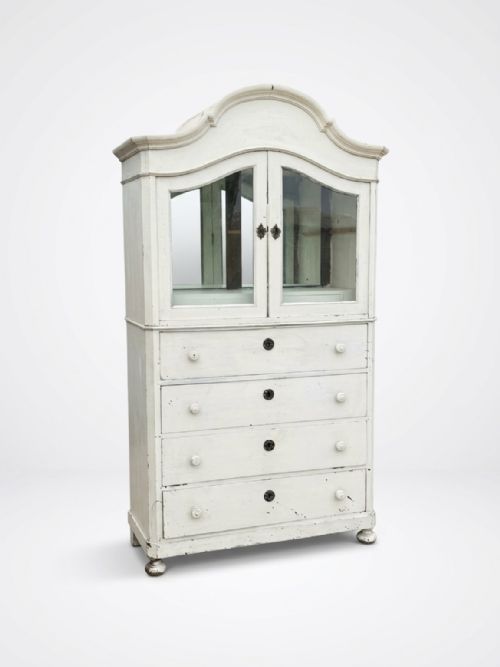
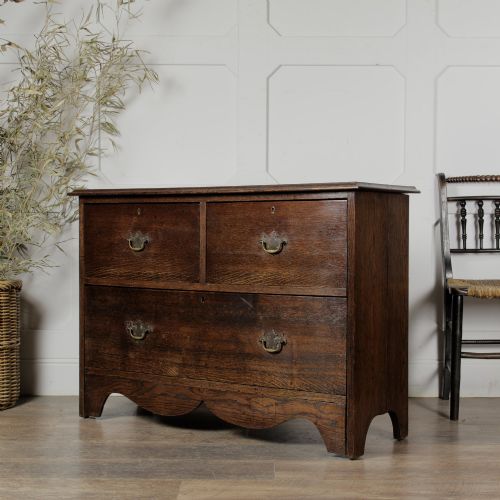
Antique Dresser Cabinet
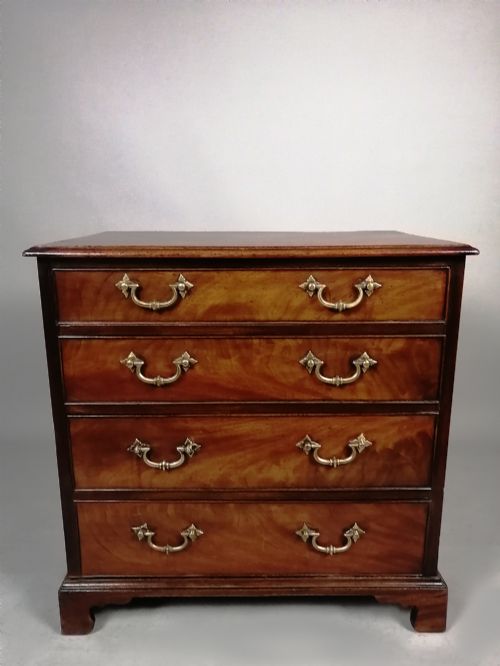
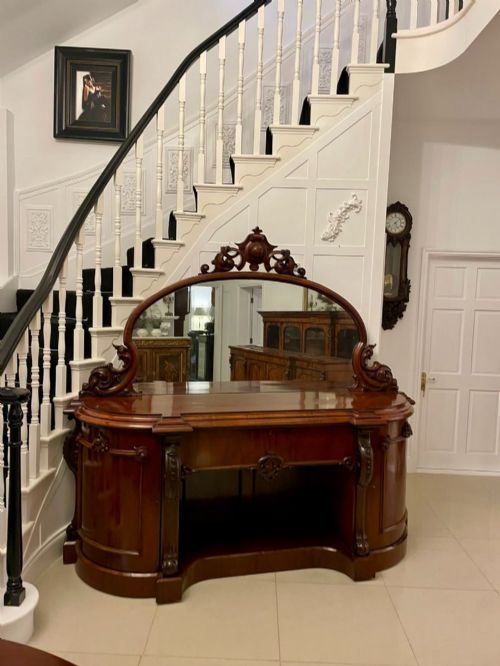
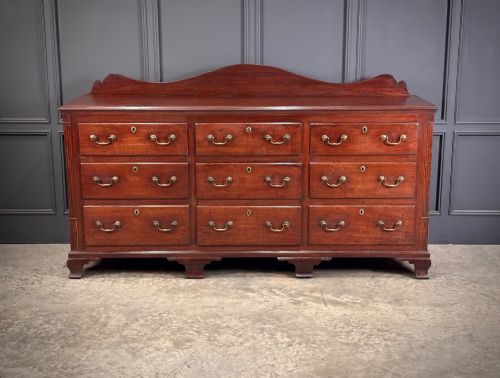
When you search for an antique dresser cabinet, you are looking at substantial storage furniture combining the functions of a sideboard, display unit and cupboard.
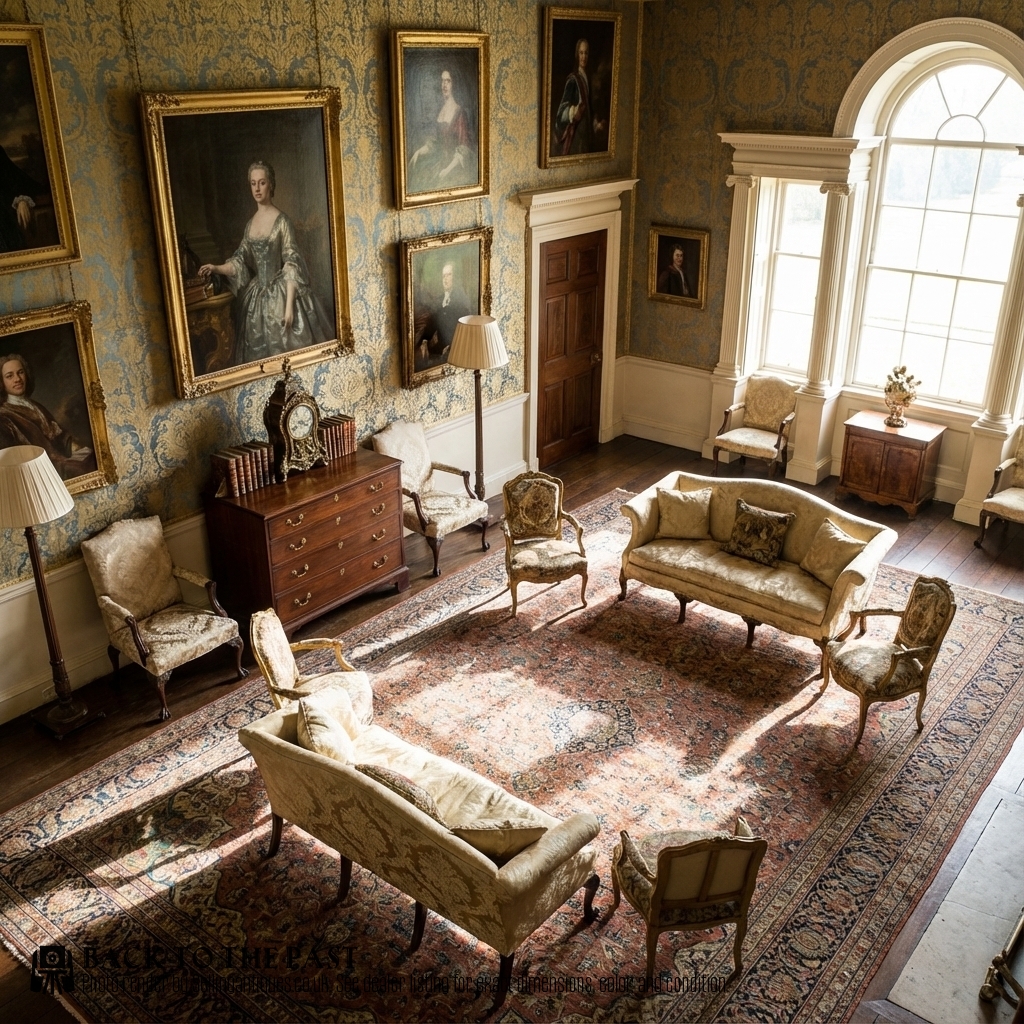
Antique Dresser Cabinet
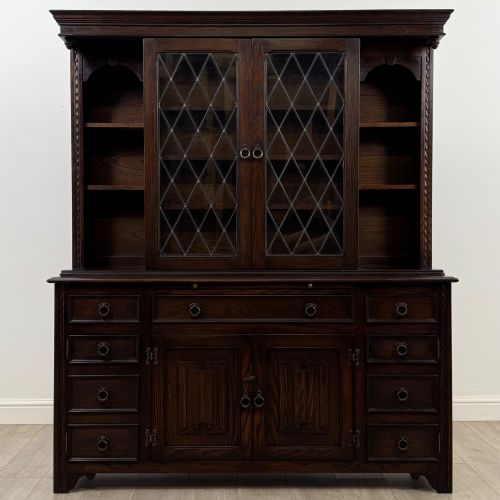
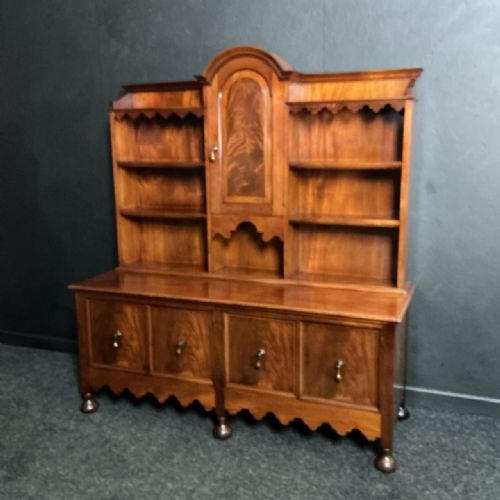
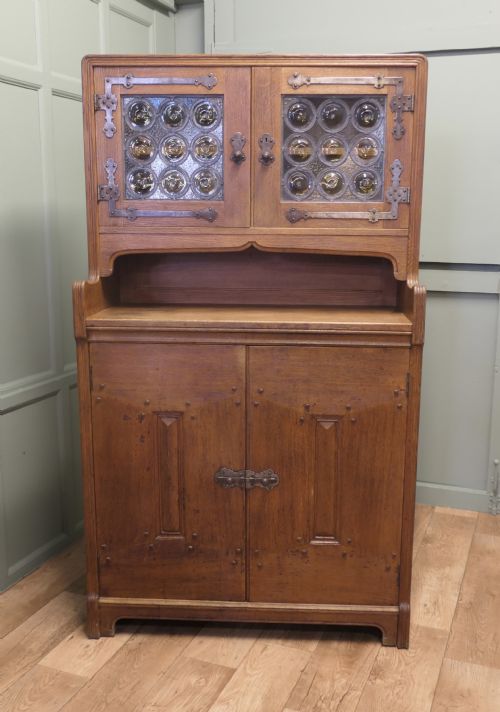
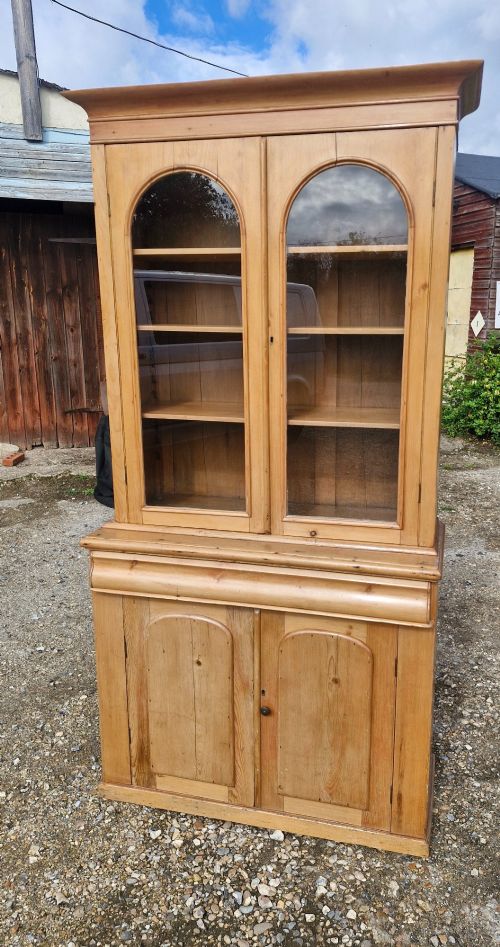
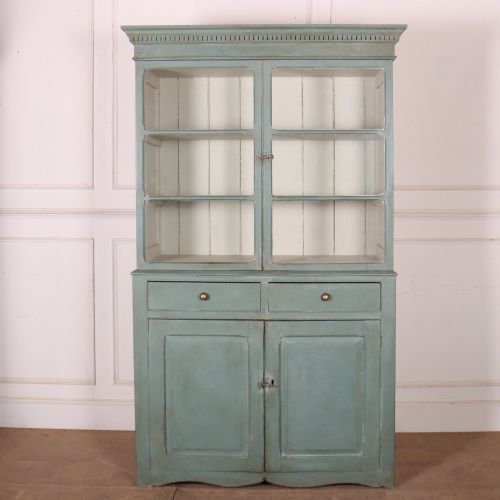
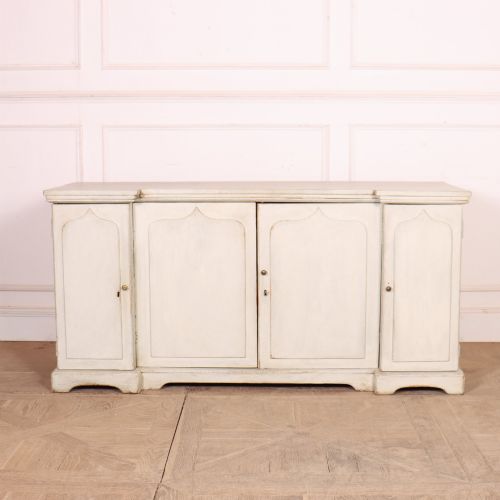
The antique dresser cabinet category covers a broad sweep of domestic storage, ranging from kitchen dressers and Welsh dressers with open plate racks to glazed bookcase cabinets, housekeeper's cupboards and breakfront sideboard bases.
The pieces appearing on this page stretch across the 18th, 19th and early 20th centuries, taking in periods such as the Georgian era, the Victorian age, Edwardian times and the 1930s Art Deco period.
Regional and country variants feature strongly alongside formal urban pieces, spanning English, Welsh, French, Irish and Swedish workshops.
Materials and Construction
Oak dominates the vernacular and country pieces, often paired with pine for secondary elements, whilst mahogany, walnut and fruitwoods serve finer formal furniture.
Joinery techniques rely on solid timber construction, dovetail joints for drawers, and panelled doors, complemented by brass hardware, leaded glass and occasionally marble inserts.
Surface treatments vary from polished finishes and wax to painted pine, distressed surfaces and marquetry inlay.
Listings feature oak, pine, mahogany and walnut across Georgian, Victorian, Edwardian and Art Deco styles.
Judging Quality
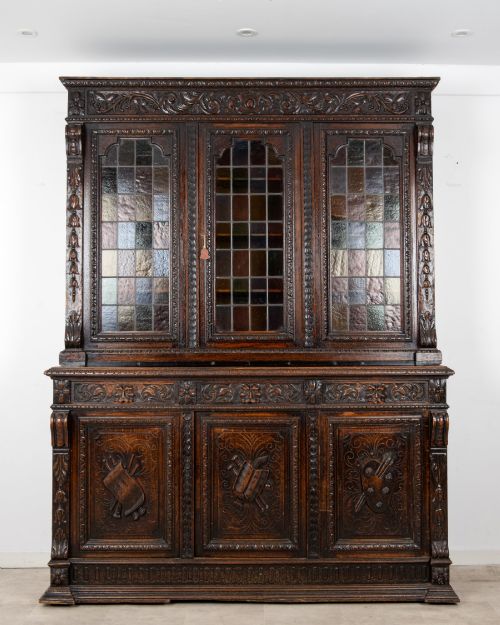
The grade of an antique dresser cabinet depends upon the choice of timber figure, the crispness of carved details such as Gothic Revival motifs or Arts and Crafts plant forms, and the retention of original brass handles and glass panes.
Proportion dictates much of the visual success, separating heavy, utilitarian kitchen pieces from slender narrow display cabinets or balanced breakfront proportions.
Integrity of construction - such as untouched backboards, original glazed doors and stable joints - separates honest domestic survivors from heavily altered hybrids.
Liberty·Heals·Maple and Co
The Antique Dresser Cabinet Glossary
- Welsh Dresser
- A traditional kitchen storage unit featuring a base of drawers and cupboards surmounted by open plate shelves for displaying china. These pieces formed the heart of country house interiors.
- Breakfront
- A piece of furniture where the central section projects forward from the flanking wings. This architectural arrangement creates depth and shadow on sideboards and bookcases.
- Housekeeper's Cupboard
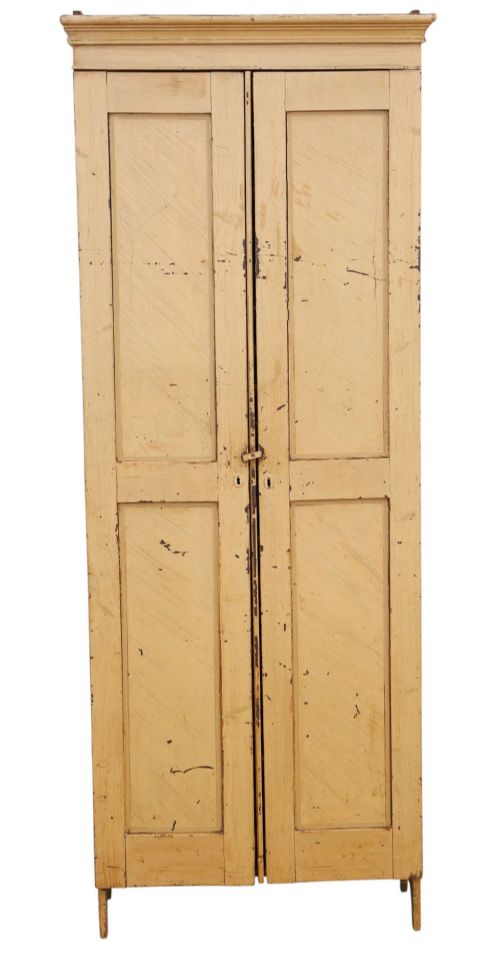
- A large, tall storage piece traditionally used in large country houses for storing linens, dry goods and china. They are almost universally constructed in sturdy pine or oak.
- Tallboy
- A tall chest of drawers consisting of one chest stacked on top of another, maximising storage while occupying a small floor footprint. They emerged during the 18th century.
- Marquetry
- The art of applying thin veneers of different coloured woods to form decorative patterns and pictures on a carcase. It frequently defines high-status French and English furniture.
- Commode
- A low chest of drawers or cabinet with doors, originating in France. The term covers decorative storage pieces designed for formal reception rooms.
Antique Dresser Cabinet: Frequently Asked Questions
What is the difference between a dresser and a sideboard?
A dresser traditionally includes an upper section with shelving or a cabinet mounted on a lower base of drawers and cupboards. A sideboard consists purely of the lower base unit used for serving food and storing dining ware.
While both terms overlap in older listings, the presence of an upper display rack usually defines the true dresser.
How do I date an antique oak dresser cabinet?
Dating relies on examining construction methods such as hand-cut dovetails, tool marks on the timber, and the style of mouldings and hardware. Earlier pieces from the 18th century display pegged mortise and tenon joints and wider board widths.
Later Victorian and Edwardian examples often utilise machine-sawn timber and standardised screws alongside period-specific revival styles.
Where were kitchen dressers originally used?
Kitchen dressers originated in working farmhouses and country homes as practical storage for everyday earthenware, pewter plates and cooking provisions. The open shelves allowed plates to dry and remain within reach.
Over time, grander versions moved into dining rooms and pantries to display decorative ceramics rather than working kitchenware.
How do I care for a waxed oak cabinet?
Waxed oak benefits from periodic application of a good quality beeswax to nourish the timber and maintain a soft sheen. Avoid placing wooden furniture near direct heat sources or strong sunlight, which can dry and split the grain.
Dust regularly with a dry cloth and wipe up spills immediately to protect the historic surface.