
Antique Dress Watch
An antique dress watch brings precision engineering and period elegance together, offering a tangible link to the changing styles of the past.
Antique Dress Watch
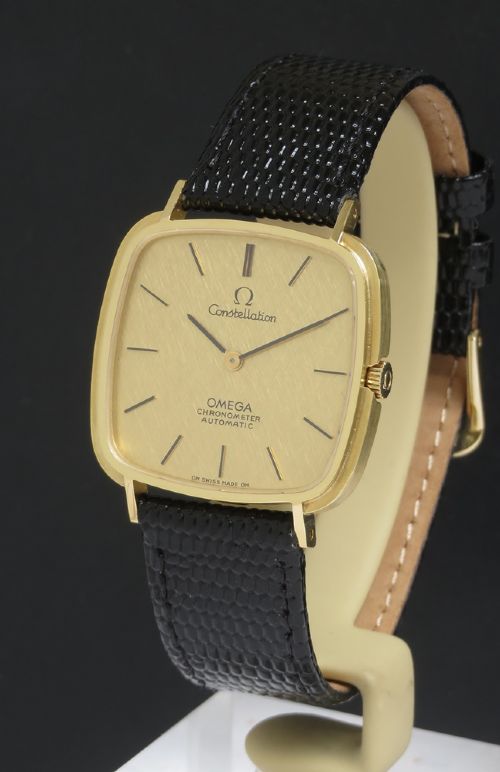
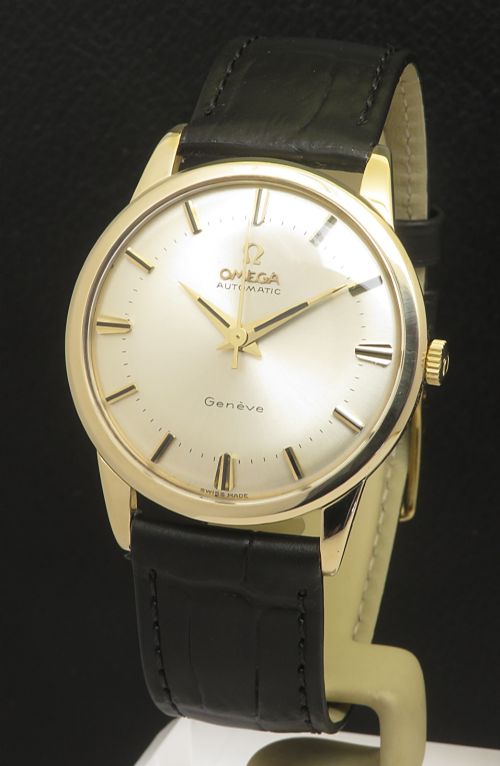
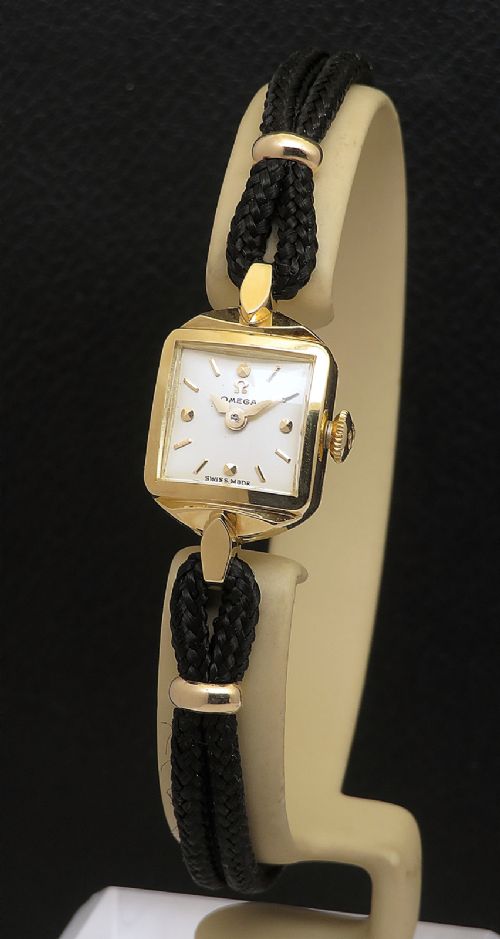
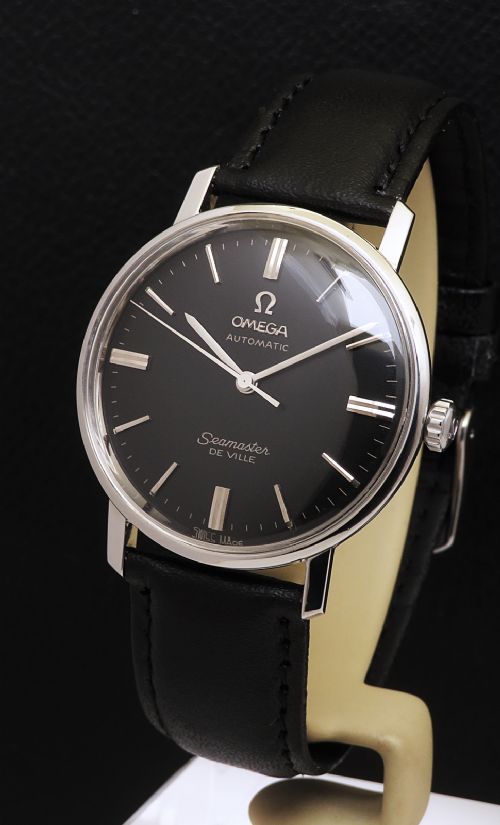
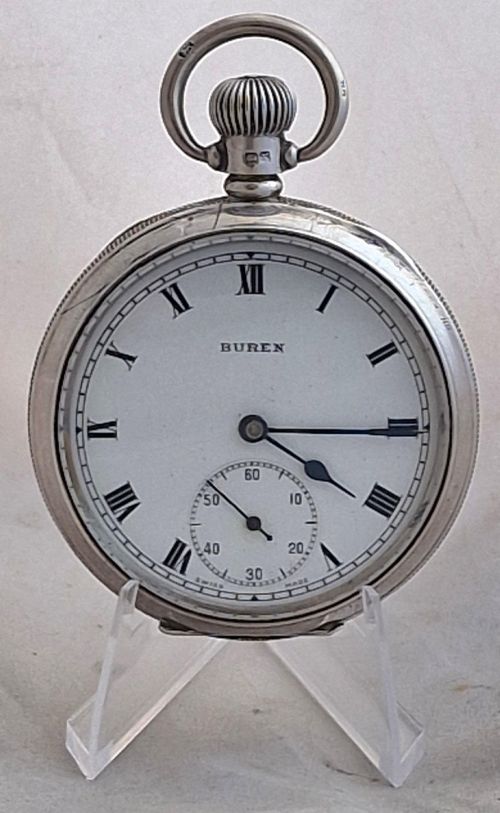
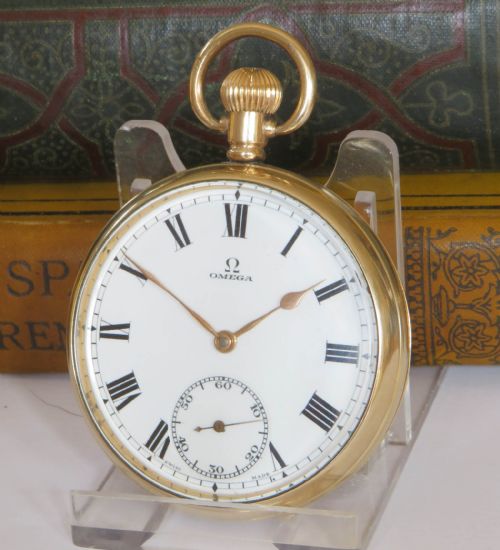
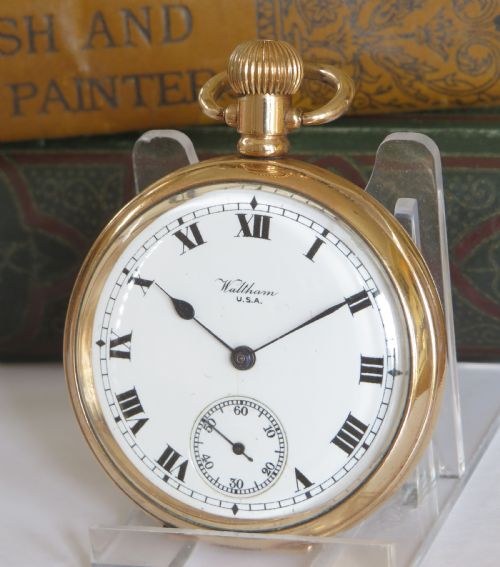
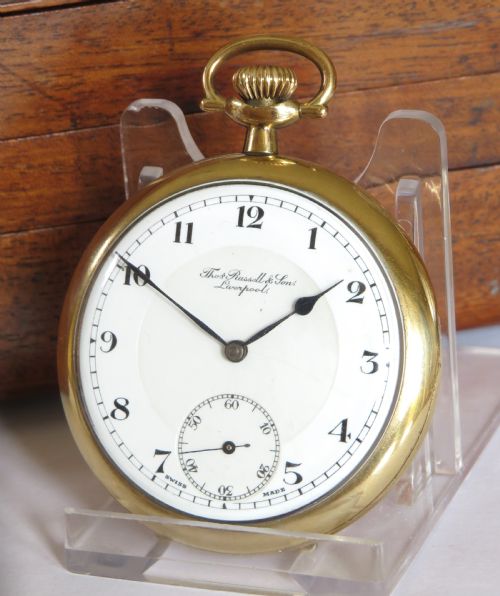
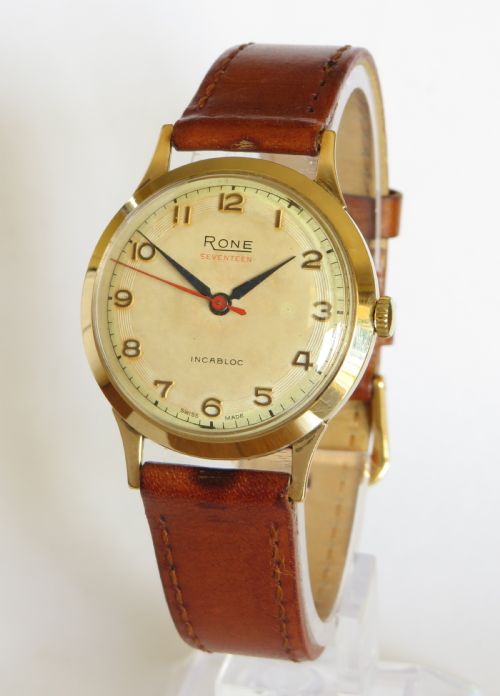
An antique dress watch spans pocket watches, wristwatches, and fob watches produced across several decades. These instruments record timekeeping traditions from the Victorian era through the mid-twentieth century.
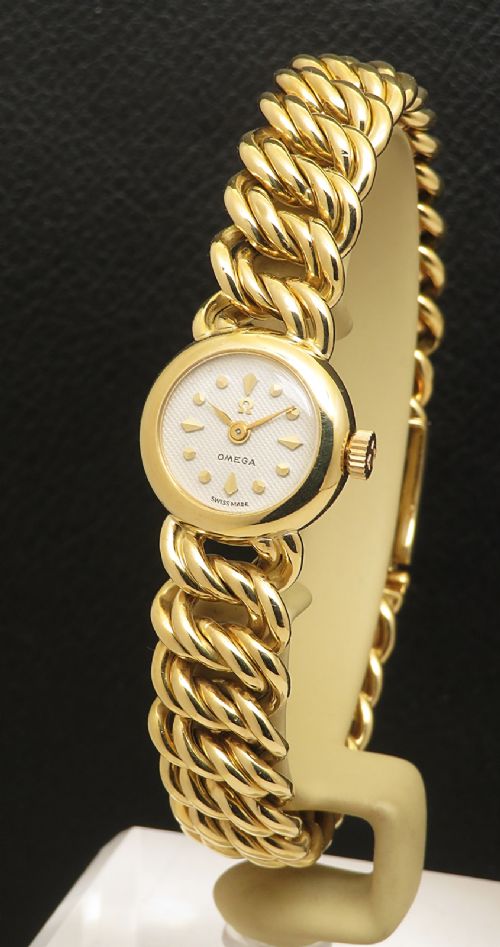
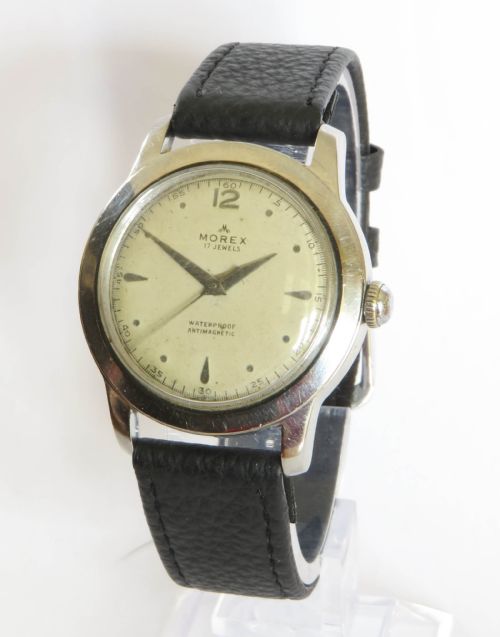
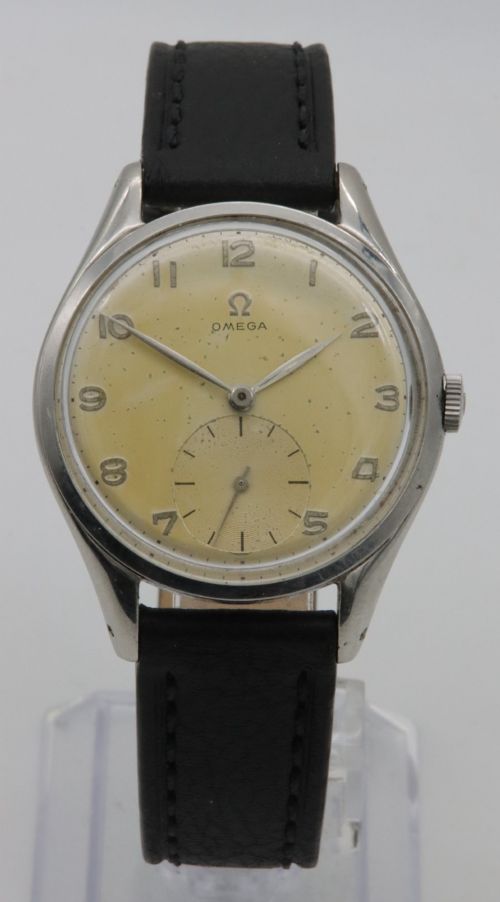
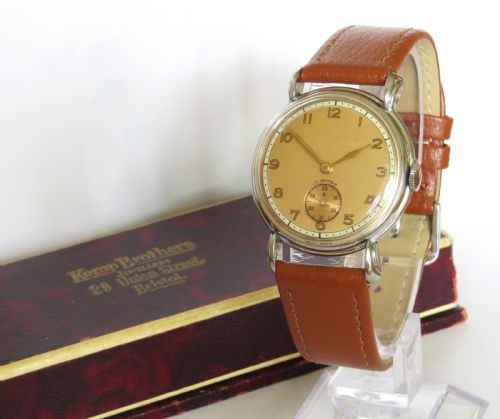
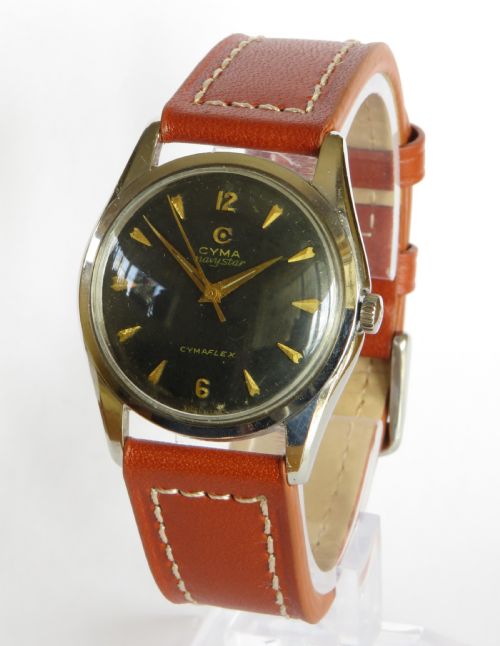
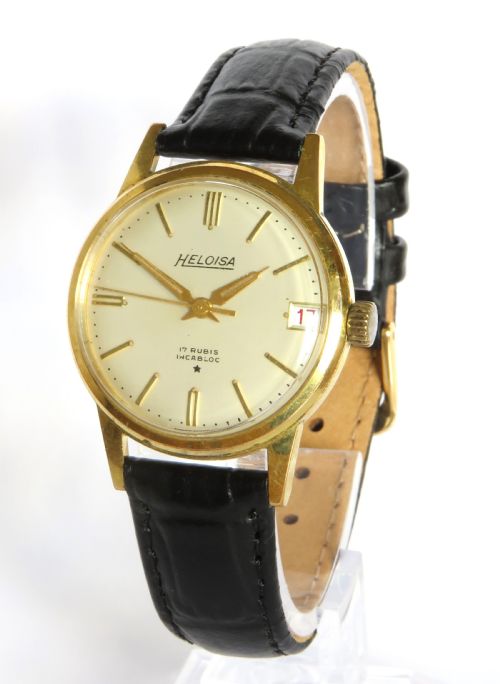
The selection here encompasses gents wristwatches, ladies gold pieces, and pocket watches from Swiss and British makers. Styles range from early twentieth-century designs to mid-century modern horology.
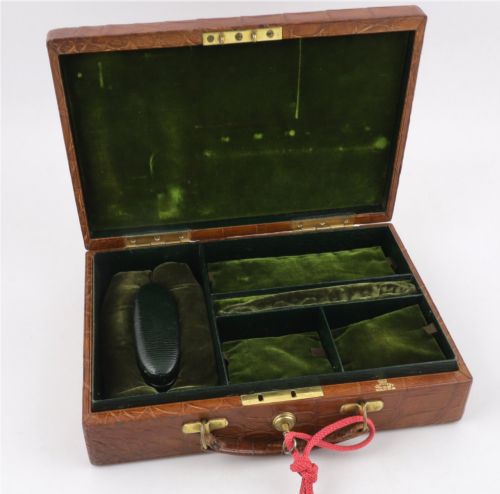
Pocket watches and wristwatches form the core of this group, alongside fitted leather jewellery boxes intended to house them. Pieces date from the late nineteenth century up to the 1960s.
Materials and construction
Watch cases utilise metals such as solid gold, gold plate, stainless steel, silver, brass, and nickel. Components often pair with glass crystals, enamel dials, and leather straps.
Movements rely on mechanical winding or automatic mechanisms, housed within cases that sometimes incorporate niello work or protective hunter covers. Storage accessories employ mahogany and crocodile leather.
Dials display painted numerals or applied markers, frequently protected by glass or acrylic covers. Metal components undergo precision machining to deliver reliable mechanical timekeeping.
Antique Dress Watch Retail Price Guide 2026
Typical asking prices for dress watch among the pieces listed under this phrase on Sellingantiques today, from the lower quarter to the upper quarter. They describe what is for sale here now, not the wider market.
Several pocket watches arrive paired with matching chains, ready for immediate deployment in a waistcoat.
Assessing quality
Quality rests on the pedigree of the maker and the complexity of the internal movement. Well-known horological houses command attention for their finishing and mechanical reliability.
Materials dictate upper tiers, with solid gold cases and intricate enamel work standing apart from standard plated brass or stainless steel variants. Surviving boxes, papers, and original chains elevate a piece.
Condition of the dial and case finishing marks the distinction between ordinary production items and high-grade horology. Patinated dials and original components retain the integrity desired by collectors.
Omega·Buren·Waltham·Thomas Russell and Son·Bulova·Cyma·Lange and Sohne·Tavannes·Elgin·Longines·Vertex·Rotary·Rolex Tudor·Smiths
The Antique Dress Watch Glossary
- Pocket watch
- A portable timepiece designed to fit in a waistcoat pocket, usually attached to a chain. These often feature open faces or protective metal hunter covers.
- Wristwatch
- A timepiece intended to be secured to the wrist by a strap or bracelet. These gained prominence through the early to mid-twentieth century.
- Fob watch
- A small pocket or pendant watch attached to a short strap or ribbon. They were frequently worn pinned to clothing or tucked into a pocket.
- Hunter case
- A pocket watch design incorporating a spring-loaded metal cover that snaps shut over the glass dial. This protects the face from scratches.
- Enamel
- A glassy substance fused to metal dials through high-temperature firing. It provides a smooth, durable surface for painted numerals and markings.
- Niello
- A black metallic alloy used as an inlay on engraved metal surfaces. It creates high-contrast decorative patterns on watch cases.
Antique Dress Watch: Frequently Asked Questions
How do I wind a mechanical watch?
Turn the crown clockwise between your thumb and forefinger until you feel gentle resistance. Stop immediately to avoid damaging the internal mainspring.
Most vintage pieces require daily winding to maintain accurate timekeeping throughout use.
Are these watches suitable for daily wear?
Many vintage timepieces function reliably for regular wear if handled with care. However, older movements lack modern shock absorption and water resistance.
Owners should avoid wearing them during strenuous activities or exposing them to moisture.
What is the difference between an open-faced and hunter pocket watch?
An open-faced watch displays the dial directly beneath the crystal without any protective metal cover. This allows immediate time reading at a glance.
An open-faced design contrasts with a hunter case, which requires pressing a crown release to flip open the hinged metal lid.
How can I determine the age of a watch?
Dates are often established through hallmarked precious metal cases, serial numbers stamped on movements, or distinctive design styles. Art Deco and mid-century modern cues align with specific production decades.
Matching movement numbers with manufacturer records provides the most precise date of manufacture.