
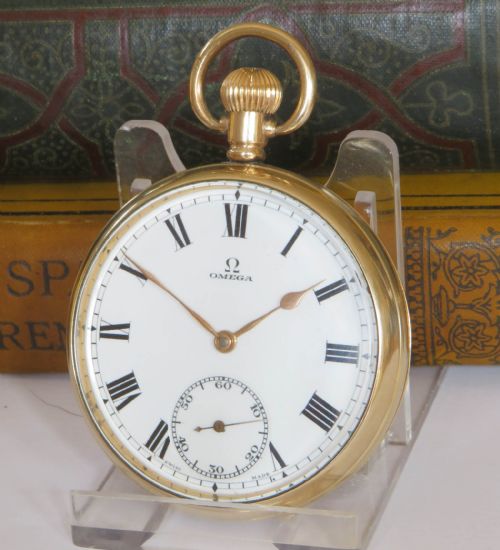
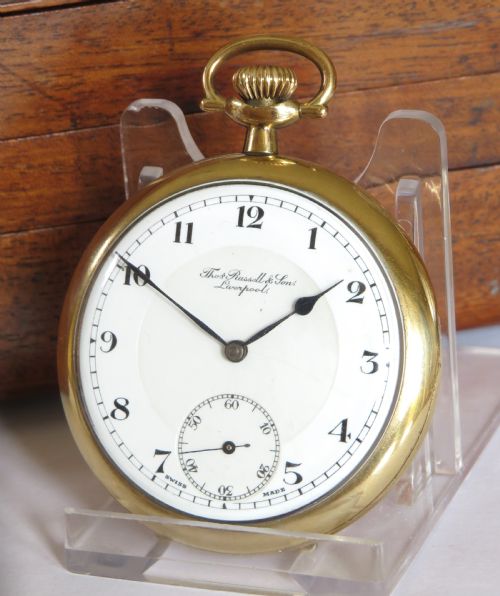
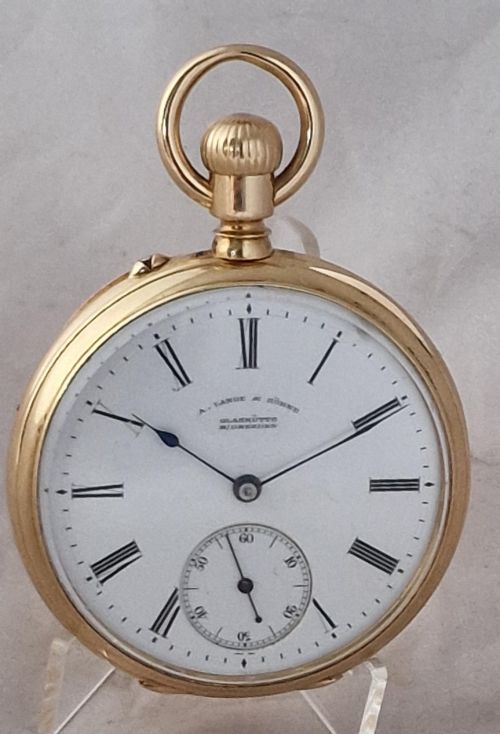
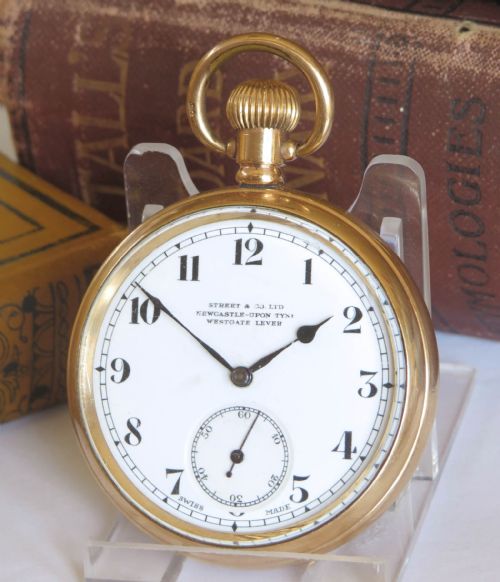


White Gold Dress Watch
A white gold dress watch offers a refined, understated metallic tone that spans decades of horological design.
White Gold Dress Watch
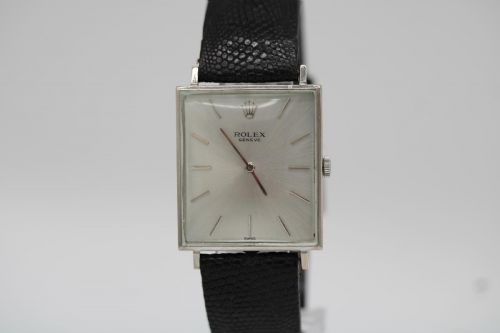
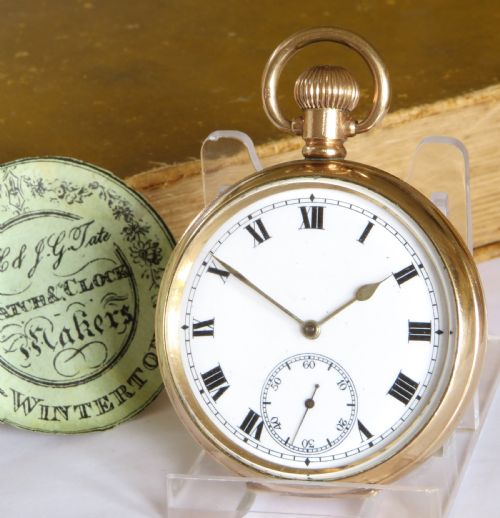
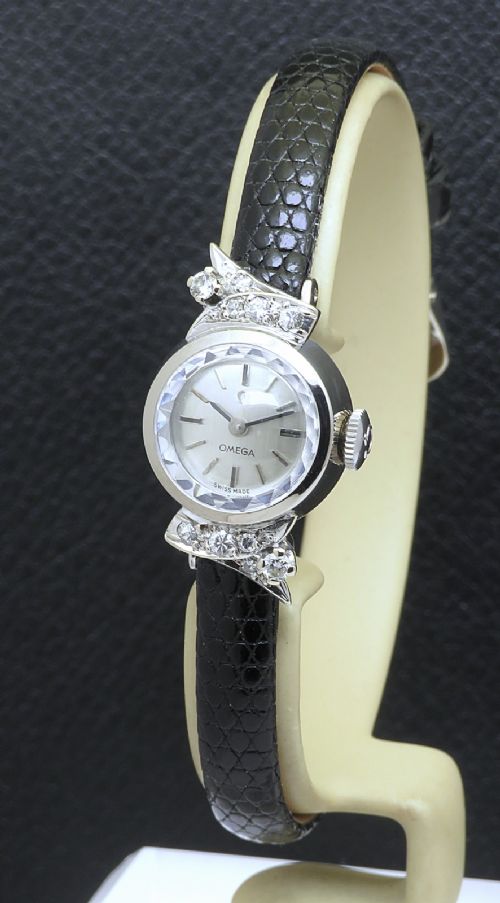
A white gold dress watch encompasses a variety of refined timepieces designed for formal wear, spanning pocket watches, wristwatches, and smaller cocktail watches. When searching for a white gold dress watch, buyers encounter diverse forms ranging from early pocket watch movements to mid-century ladies' diamond cocktail pieces.
The selections on this page draw from multiple eras, notably the Art Deco period, the 1920s, 1930s, and mid-century decades like the 1950s and 1960s. These items showcase stylistic transitions from ornate Victorian and Edwardian detailing to sleek mid-century modern geometry.
Pocket watches and wristwatches appear across these listings, featuring materials such as 18ct white gold, diamonds, enamel, and glass. The objects reflect international origins including Swiss makers and English firms.
Materials and construction
Makers utilised 18ct white gold and platinum as the primary precious metals for casing these timepieces, frequently pairing the metalwork with diamond encrustation. Dials and movements are protected by glass crystals, whilst straps utilise leather or matching precious metal bracelets.
Intricate metal techniques define the era styles, incorporating stem winding mechanisms for pocket watches and manual wind movements for ladies' cocktail pieces. Enamel detailing and precise geometric engraving complete the construction of Art Deco and mid-century examples.
Listings span from the late Victorian era through the 1960s, incorporating materials such as glass, enamel, leather, and 18ct white gold.
Distinctions in quality
The distinction between standard examples and top-tier pieces often rests on the integration of precious stones and the pedigree of the movement manufacturer. Higher quality items frequently combine solid 18ct white gold cases with high-carat diamond settings and original straps or buckles.
The finesse of the dial work and the preservation of original components, such as specialised cases and signed movements, separate exceptional timepieces from more standard manufactured alternatives.
Omega·Thomas Russell & Son·Lange & Sohne·Minerva·Rolex Cellini·Revue·Cyma·Waltham·Consul·Nirvana International·Tavannes·Bucherer·Movado·Vertex·Tissot·Longines·Bulova·Benrus·Elgin
The White Gold Dress Watch Glossary
- Stem winding
- A method of winding a watch movement using the crown attached to a stem rather than a separate key. This mechanical advancement became standard in pocket watches and early wristwatches.
- Cocktail watch
- A small, highly decorative ladies' wristwatch often set with diamonds and precious stones, intended for evening wear. These pieces prioritise ornamental design alongside timekeeping.
- Art Deco
- A design style prevalent in the 1920s and 1930s characterised by geometric symmetry, stylised motifs, and sleek lines. It heavily influences the white gold dress watch aesthetic of that era.
- Manual wind
- A mechanical watch movement that requires the wearer to manually turn the crown to tension the mainspring. Most vintage dress watches rely on this traditional mechanism rather than self-winding rotors.
- Open faced
- A pocket watch design that lacks a protective metal cover over the dial, allowing the time to be read instantly. This style contrasts with hunter pocket watches which feature a spring-loaded lid.
White Gold Dress Watch: Frequently Asked Questions
What is a white gold dress watch?
A white gold dress watch is a refined timepiece fashioned from white precious metal, intended for formal attire rather than daily utilitarian service.
These pieces include pocket watches, gentleman's wristwatches, and diamond-set ladies' cocktail watches spanning the late nineteenth century through the mid-twentieth century.
How do I wear a vintage dress watch?
Vintage dress watches pair naturally with formal or tailored clothing where a subtle metallic accent is appropriate.
Wristwatches secure via leather straps or metal bracelets, whilst pocket watches attach to chains for waistcoat or pocket placement.
How do I tell Art Deco watches apart?
Art Deco watches feature distinct geometric shapes, stepped cases, and symmetrical arrangements of diamonds and enamel.
They typically date from the 1920s and 1930s, contrasting with the rounder, simpler profiles of later mid-century designs.
What is the difference between a cocktail watch and a wristwatch?
A cocktail watch is a specialised ladies' wristwatch created primarily for evening social occasions, emphasising gemstones and decorative aesthetics over plain timekeeping.
Standard wristwatches lean toward broader functional designs suitable for daily wear across both men's and women's styles.