




Vintage Cocktail Watch
When you explore a vintage cocktail watch, you enter an era where timekeeping doubled as high jewellery.
Vintage Cocktail Watch
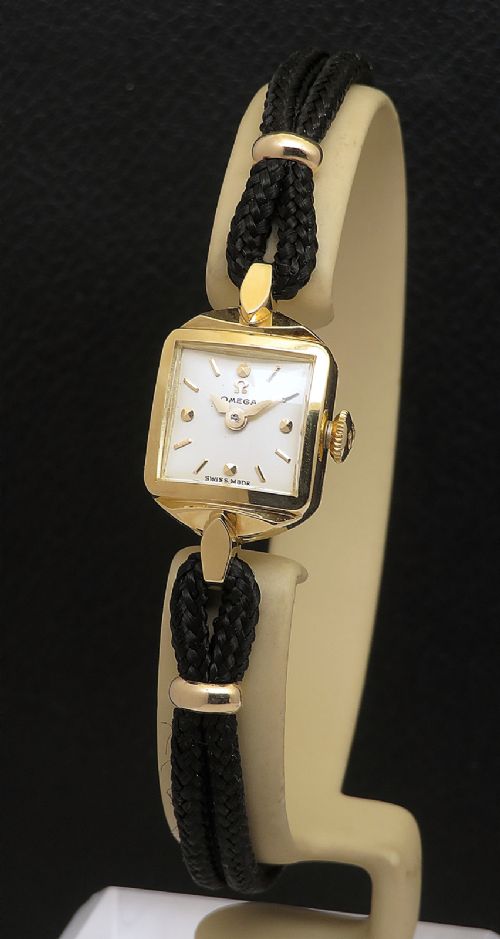
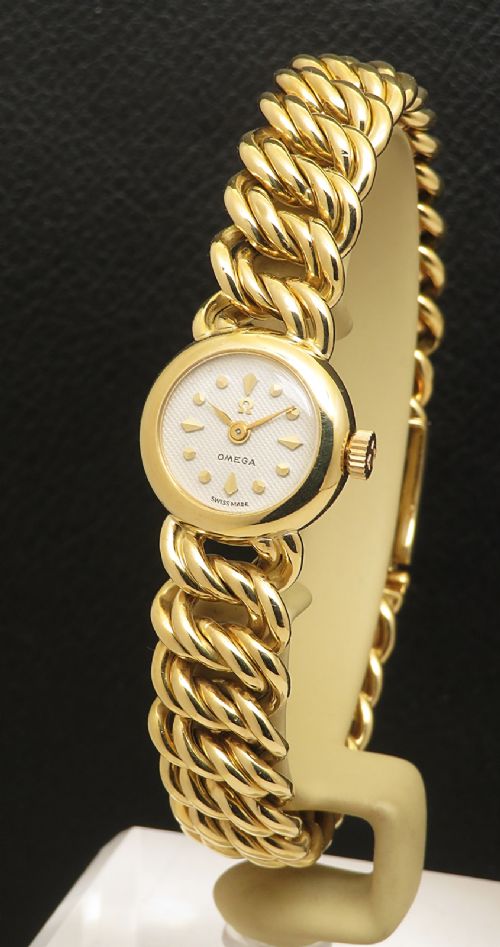
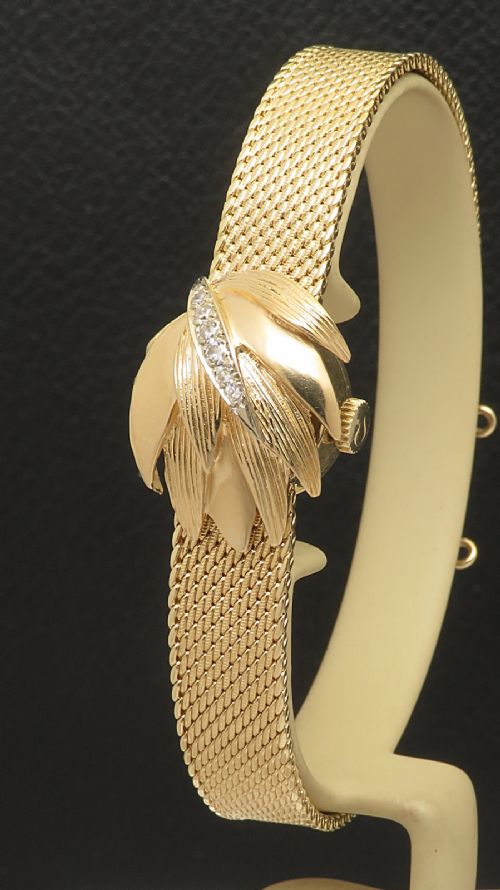
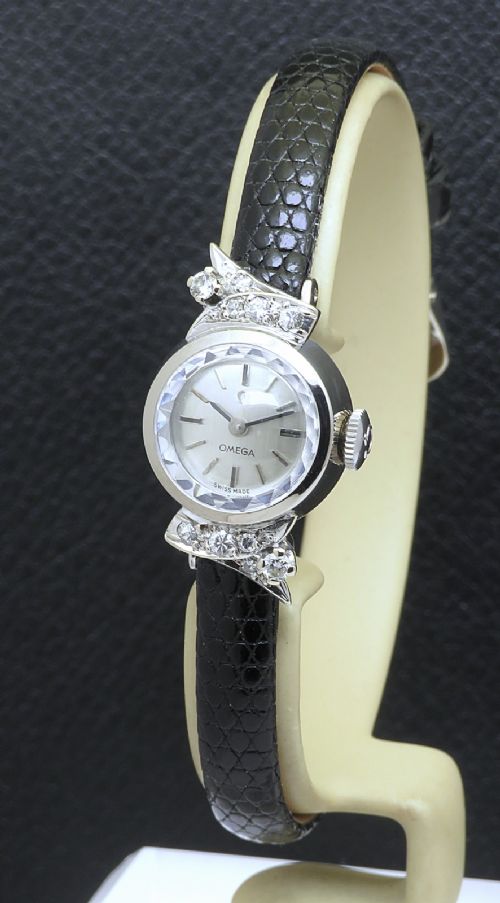
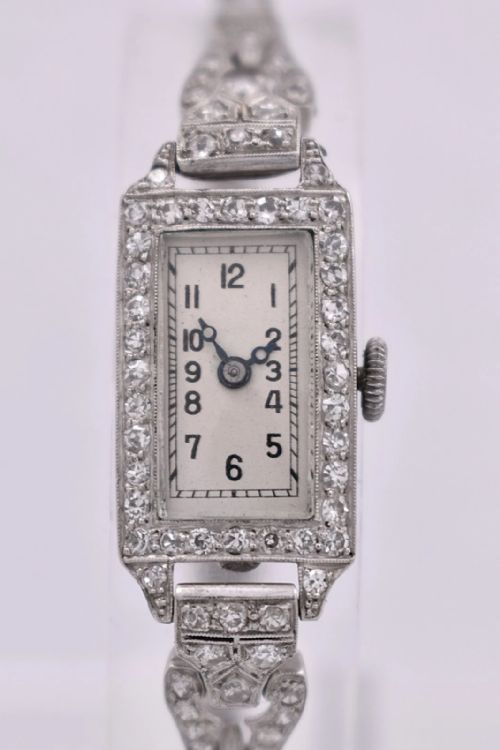
A vintage cocktail watch is a small, ornate timepiece designed for evening wear by women during the twentieth century. These pieces bridge the gap between horology and fine jewellery, often featuring hidden dials beneath gemstone covers or integrated delicate bracelets. The selection spans from the geometric lines of the nineteen-twenties through to the mid-century modern designs of the nineteen-sixties.
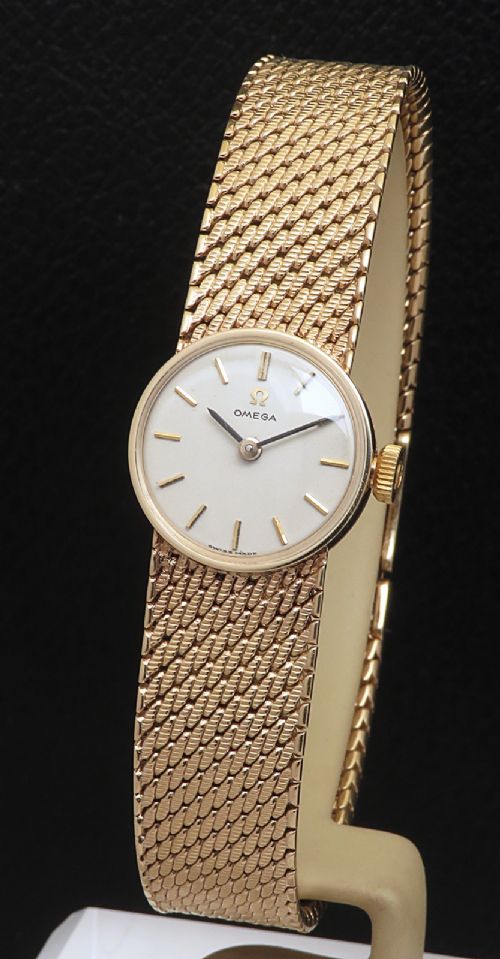
Examples on this page appear predominantly in yellow or white precious metals, frequently accompanied by pavé or bezel-set diamonds. Common forms include wristwatches, fob watches, and bracelet watches from established Swiss and international makers. The overarching style embraces Art Deco symmetry alongside softer mid-century contours.
Materials and construction
Master jewellers and watchmakers utilised platinum and various carats of gold, particularly eighteen-carat white gold and nine-carat yellow gold, to build rigid housings and flexible mesh bracelets. These metallic structures were then laboriously hand-set with diamonds, and occasionally rubies or sapphires, to obscure the mechanics of the watch.
Movements inside these cases rely on manual wind Swiss calibres designed on a miniature scale to fit slender wrist profiles. Glass crystals protect the tiny dials, while leather or fabric straps appear alongside solid metal link and mesh constructions.
Listings incorporate platinum and gold pieces spanning the decades from nineteen-twenty to nineteen-sixty.
Separating the ordinary from the exceptional
Quality in a vintage cocktail watch rests upon the integration between the jewellery and the movement, and whether the maker signed both the dial and the mechanical calibre. Pieces originating from renowned houses command attention through superior stone clarity, heavier precious metal weight, and intricate hand-pierced platinum work.
The degree of preservation also alters the standing of a piece, with surviving original boxes, papers, and unpolished gold cases distinguishing the finest examples from those that have undergone frequent repairs or dial replacements.
Omega·Rolex·Asprey·Longines·Movado·Vertex·Tissot·Bulova·Benrus·Tiffany and Co·Girard Perregaux·Baume and Mercier·Bucherer·Elgin
The Vintage Cocktail Watch Glossary
- Art Deco
- A design style prevalent in the nineteen-twenties and nineteen-thirties characterised by geometric symmetry, stylised motifs, and sharp lines. It heavily influences the architecture of many early diamond-set timepieces.
- Manual wind
- A mechanical watch movement that requires the wearer to manually turn the crown to tension the mainspring. Most period evening watches rely on this system to maintain a slim profile.
- Calibre
- The specific internal movement of a watch, designed and numbered by the manufacturer. Collectors study these to identify the exact mechanical lineage of a piece.
- Pavé
- A jewellery setting technique where small gemstones are placed closely together with minimal visible metal. This creates a continuous surface resembling a pavement of diamonds.
- Fob watch
- A pocket or pendant watch attached to a chain or ribbon. In this category, they are often adapted for wear pinned to clothing or held in the hand during social gatherings.
Vintage Cocktail Watch: Frequently Asked Questions
How do I wind a vintage cocktail watch?
Gently turn the small crown at the side of the case clockwise between your thumb and forefinger until you feel slight resistance. Stop immediately at that point to avoid overwinding and damaging the delicate internal mainspring.
Allow the watch to rest on a soft surface when not being worn, and avoid exposing the vintage mechanical movement to moisture or sudden temperature shifts.
Can I wear a cocktail watch every day?
These delicate timepieces were originally engineered for evening social events rather than heavy daily labour. Their small manual movements and fine precious metal mesh bands require gentle handling during wear.
Reserve them for special occasions to protect the tiny glass crystals and intricate diamond settings from accidental knocks and daily wear.
How do I tell an Art Deco watch apart from a mid-century piece?
Art Deco watches from the nineteen-twenties and thirties feature strict geometric shapes, rectangular or square bezels, and sharp platinum-and-diamond ornamentation. Mid-century examples from the fifties and sixties tend toward softer curved lines, hooded lugs, and textured gold finishes.
Examining the case geometry and the style of the numerals on the dial will generally reveal the decade of manufacture.
What is a manual wind movement?
A manual wind movement relies on a coiled mainspring that the user tightens by hand via the winding crown. Unlike automatic watches, it contains no oscillating rotor to wind itself through wrist movement.
This traditional mechanism allows the watch case to remain exceptionally slim and discreet, which is essential for the aesthetic of an evening timepiece.