

Antique Doulton Lambeth
When you explore antique doulton lambeth pieces, you discover sturdy stoneware vessels and decorative items that bring Victorian texture into a room.
Antique Doulton Lambeth
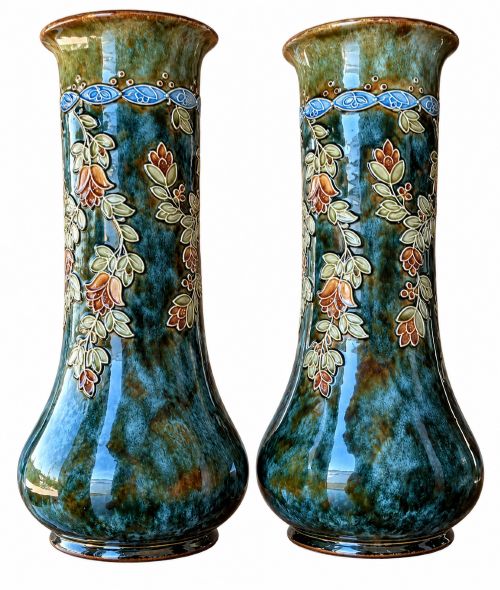
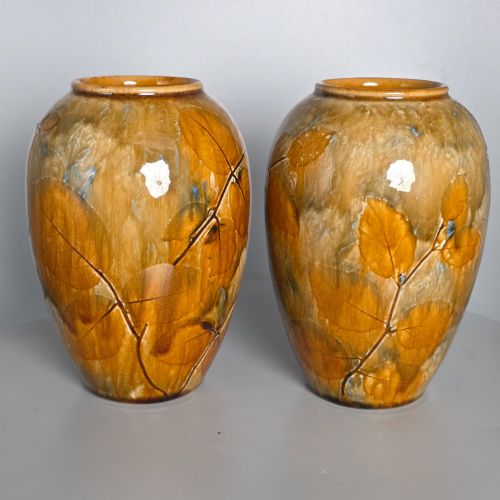
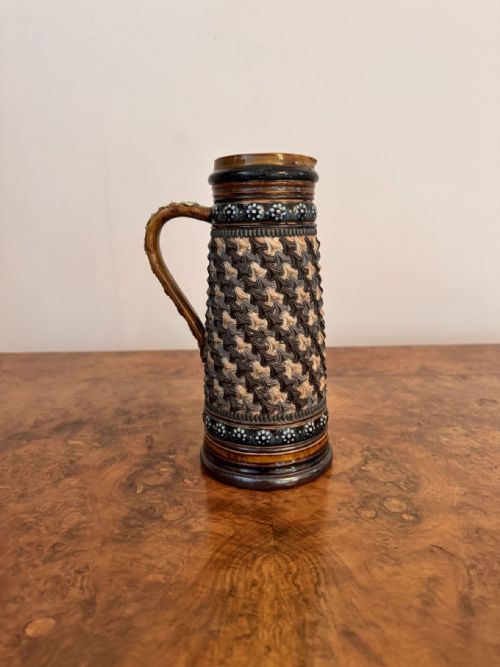
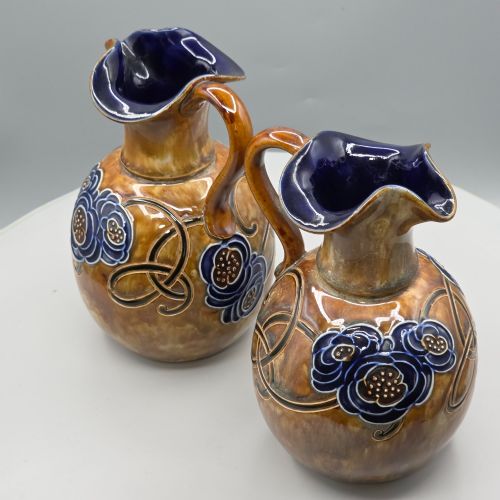
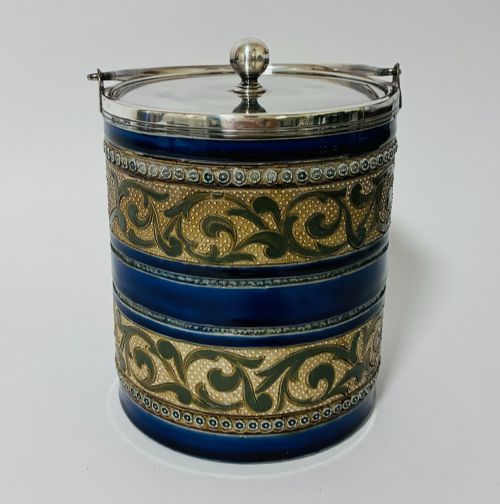
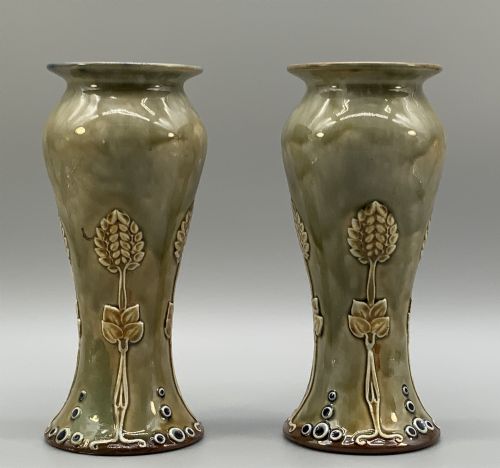
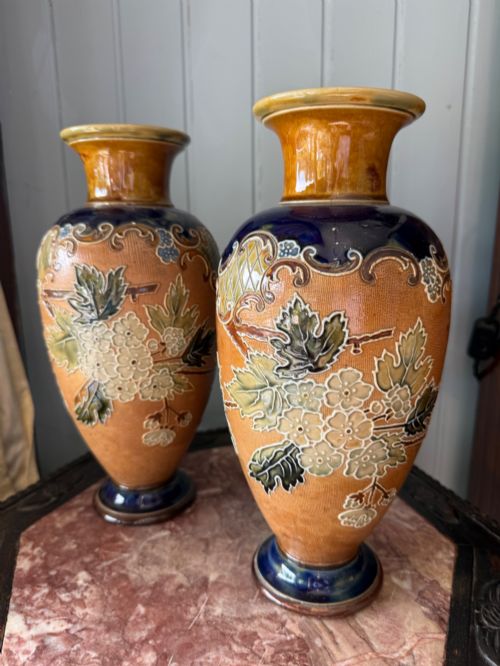
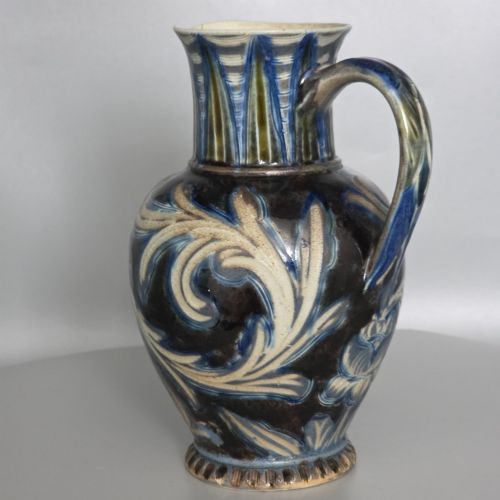
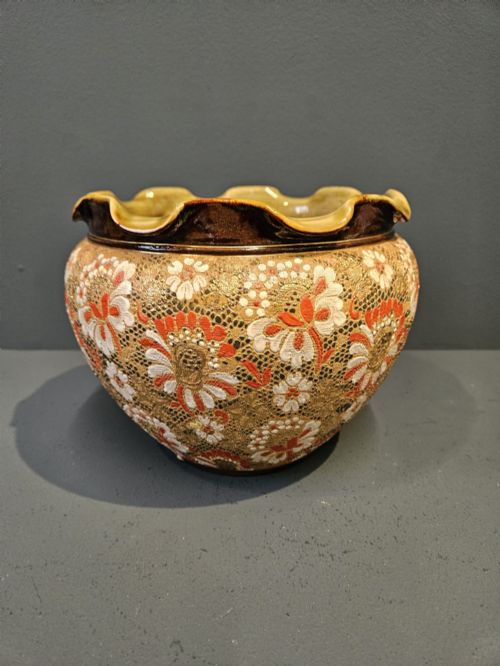
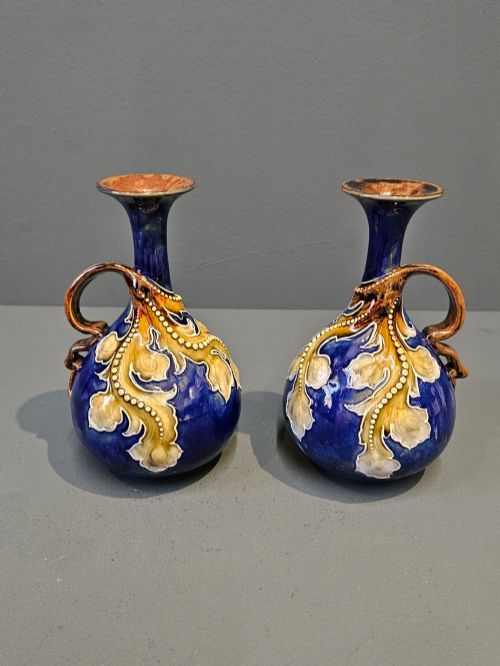
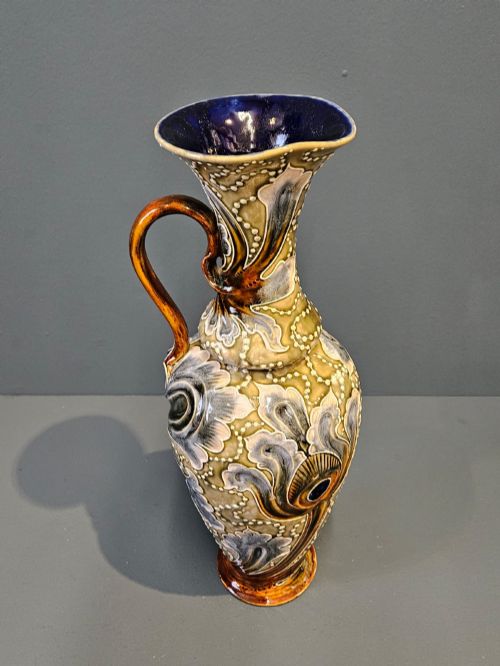
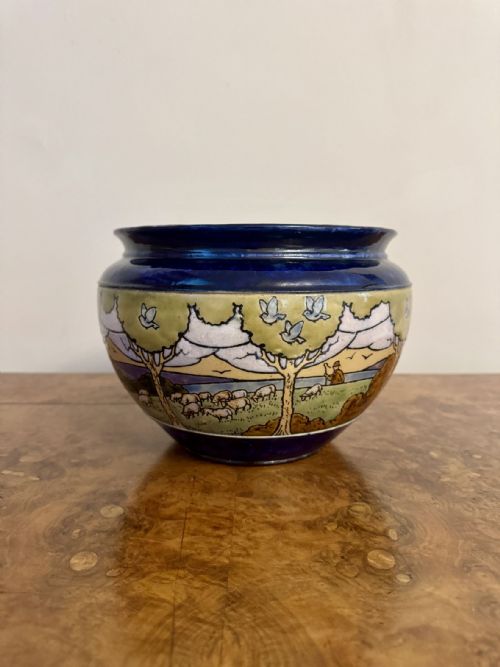
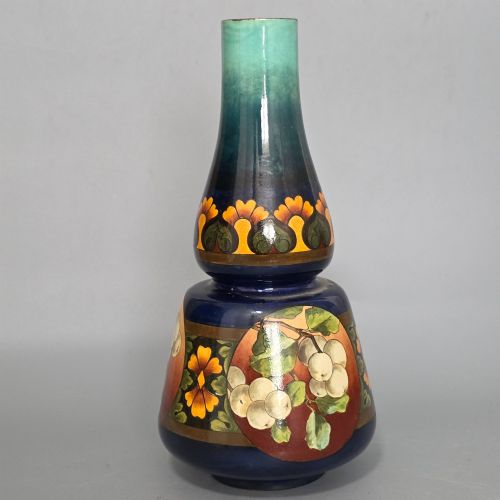
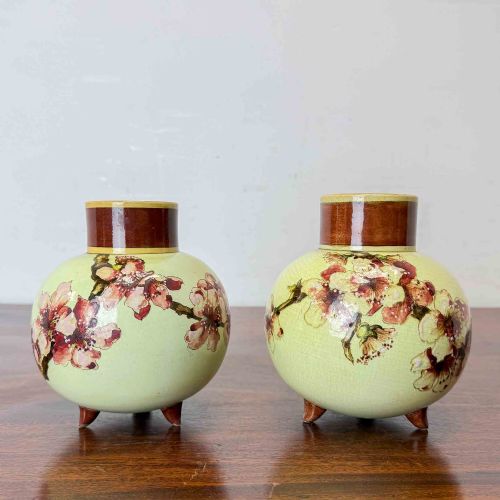
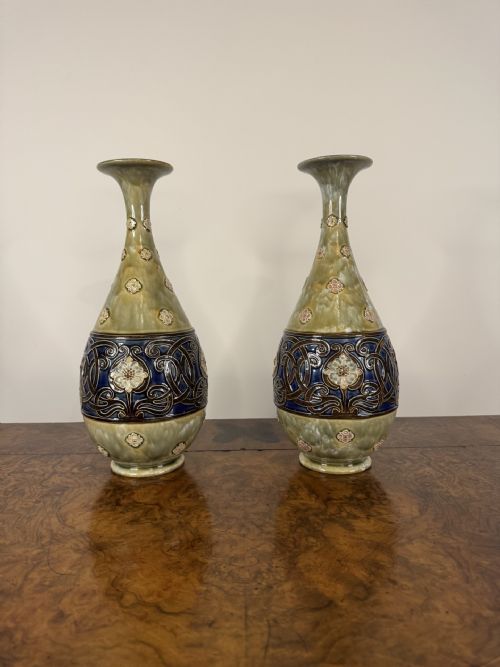
When searching for antique doulton lambeth, buyers encounter a diverse range of utilitarian and decorative objects shaped from heavy clay. The selection spans sturdy jugs, generous jars, large ewers, and impressive jardinieres designed for domestic display and daily use. Vases form a significant part of the available range, often appearing in balanced pairs created for mantelpieces and side tables.
Most items stem from the nineteenth and early twentieth centuries, capturing shifts in design from traditional harvest vessels to refined studio pottery. Pieces originate from the renowned London workshops, showcasing the distinct output of talented artists working in stoneware, faience, and glazed ceramic. Collectors frequently find specialised forms such as biscuit barrels, tygs, and water filters alongside standard decorative vases.
The aesthetic vocabulary bridges robust Victorian utility and fluid natural motifs associated with later decorative movements. Many items reflect the Arts and Crafts ethos of handmade texture, while others embrace symmetrical patterns and silver-plated mounts. This blend of sturdy body and intricate surface detail defines the typical pieces encountered by modern buyers.
How they were made
Makers utilised dense stoneware and ceramic bodies, firing the clay at high temperatures to achieve durability and waterproof qualities. Salt glaze techniques produced characteristic textured surfaces, often enriched with cobalt blue pigment, enamel details, and incised geometric patterns. Many vessels incorporated slaters patent techniques, pressing lace and fabrics into damp clay to create textile-like impressions before firing.
Surface decoration frequently relied on hand-painted or slip-trailed floral and animal motifs executed by skilled studio artists. Workshops combined raw clay bodies with applied pate-sur-pate elements, moulded sprigs, and coloured glazes to add depth and relief. Silver rims, mounts, and hinged lids were frequently added to finished ceramic bodies by silversmiths to complete the presentation.
Early decorators occasionally captured the curious expressions of domestic farm animals and household pets directly onto clay.
What varies in quality
The distinction between standard commercial output and top-tier work rests largely on the involvement of named studio artists and modellers. Pieces bearing distinct signatures or monograms from accomplished decorators command greater attention due to their individual artistic expression. The crispness of incised detailing and the complexity of multi-coloured slip decoration further separate masterworks from routine factory pieces.
Proportion and scale play vital roles in assessing the success of a form, particularly in large jardinieres and balanced pairs of vases. The evenness of the glaze application and the clarity of salt-glaze texturing indicate the technical control achieved during firing. Additional elements, such as hallmarked silver mounts or complex applied handles, elevate the finish of the vessel.
Alice Euphemia Thatcher·Florence E Barlow·Louisa Wakely·Eliza Simmance·Emma Shute·Frank Butler·Ethel Beard·Hannah Barlow
The Antique Doulton Lambeth Glossary
- Stoneware
- A heavy, vitrified ceramic body fired at high temperatures until non-porous and durable. It forms the robust foundation for most traditional English studio pottery.
- Faience
- Earthenware decorated with colourful opaque glazes before a final kiln firing. This technique allowed artists to paint detailed pictorial scenes directly onto the vessel.
- Tyg
- A large drinking vessel featuring multiple handles designed for communal passing around a table. These medieval-inspired forms were frequently revived during the Victorian era.
- Slaterware
- Pottery decorated by pressing lace, sacking, or foliage into damp clay surfaces to create textured patterns. This textural innovation was patented and widely used across various vessel types.
- Jardiniere
- An ornamental ceramic pot or stand designed to hold live plants or floral arrangements. They often feature generous proportions and decorative relief panels.
Antique Doulton Lambeth: Frequently Asked Questions
What is doulton lambeth?
Doulton lambeth refers to pottery produced at the London works of Doulton and Company, famous for salt-glazed stoneware and artistic studio pieces.
The factory employed numerous talented female artists who hand-decorated vases, jugs, and jardinieres with incised patterns and painted wildlife scenes.
How are periods identified?
Periods are identified through factory stamps, registration marks, and stylistic shifts from heavy Victorian harvest jugs to flowing Art Nouveau forms.
Changes in glaze chemistry and the presence of specific artist monograms help narrow down the decade of production.
How were jugs used?
Jugs served practical roles as pitchers for water, ale, or whiskey in domestic and commercial settings throughout the Victorian period.
Many larger examples, such as harvest jugs and commemorative pieces, also functioned as display items marking jubilees or sporting events.
How do I clean stoneware?
Stoneware vessels benefit from gentle cleaning using warm water and a soft cloth to protect the historic glaze and surface texture.
Harsh chemical cleaners and abrasive scrubbers should be avoided to prevent damage to delicate painted details and silver mounts.