

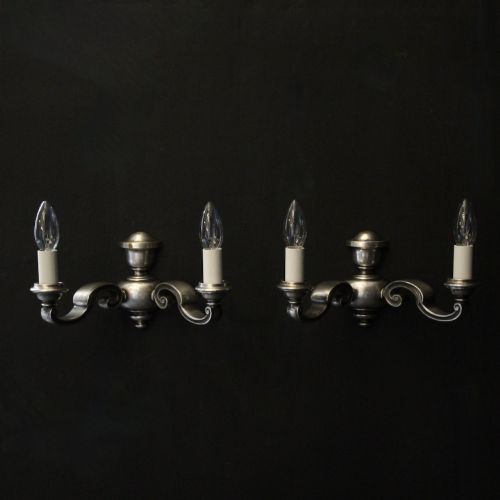
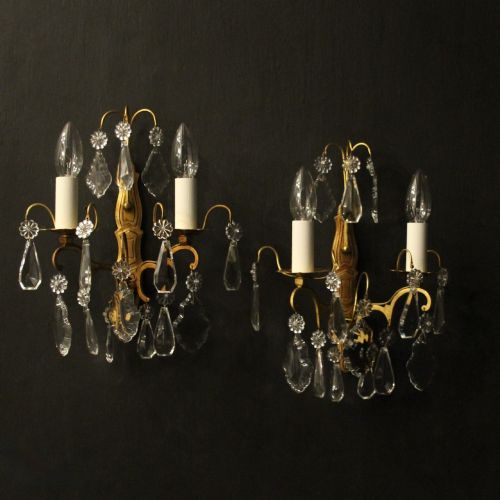
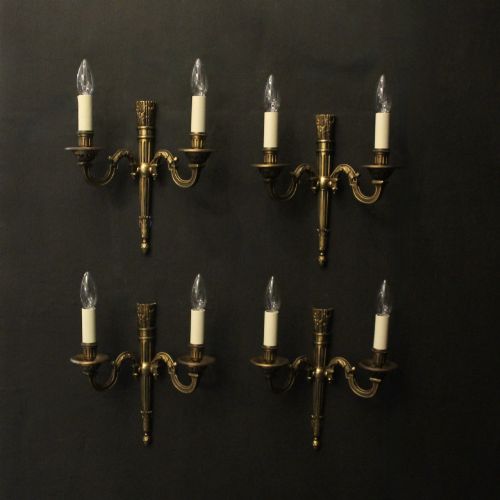
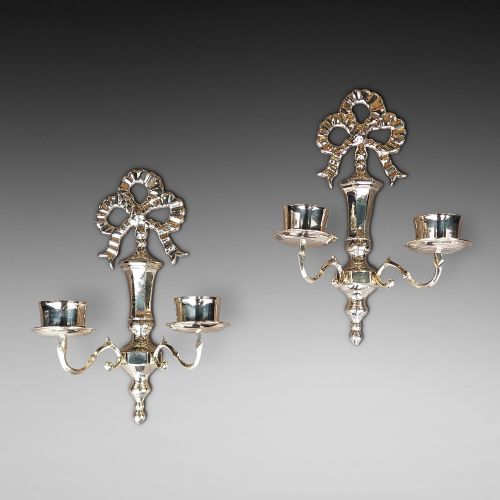
Antique Double Wall Sconces
Antique double wall sconces bring layered illumination to a room, carrying twin arms forged in brass, bronze, and gilt.

Antique Double Wall Sconces
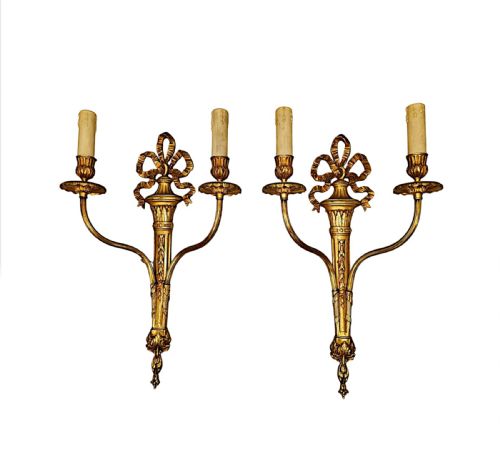
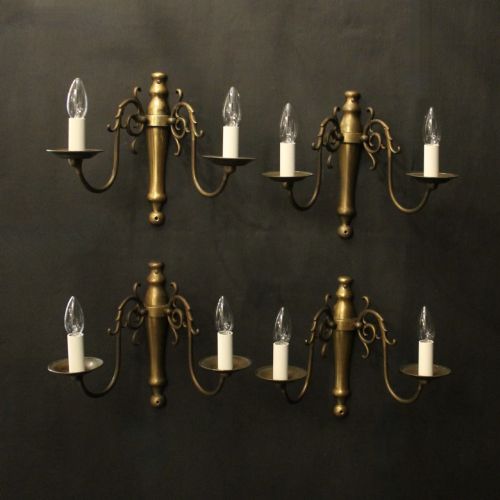
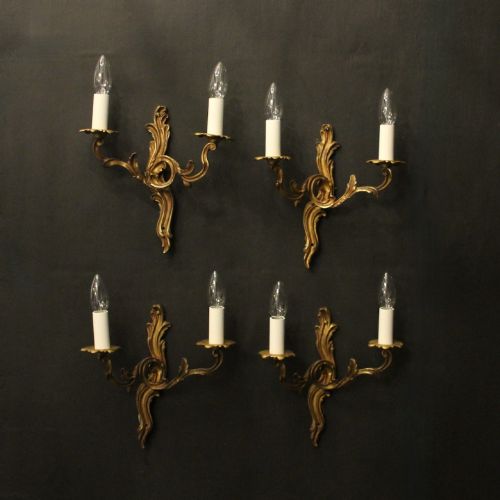
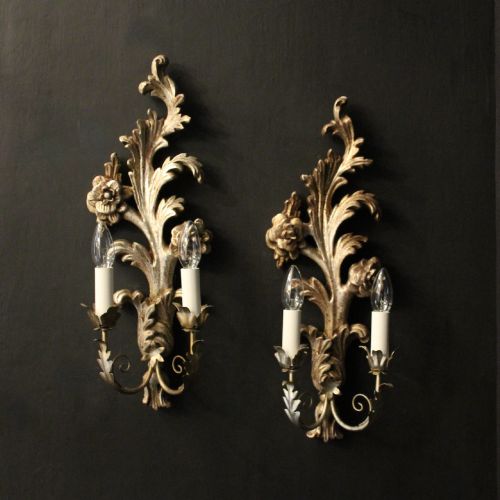
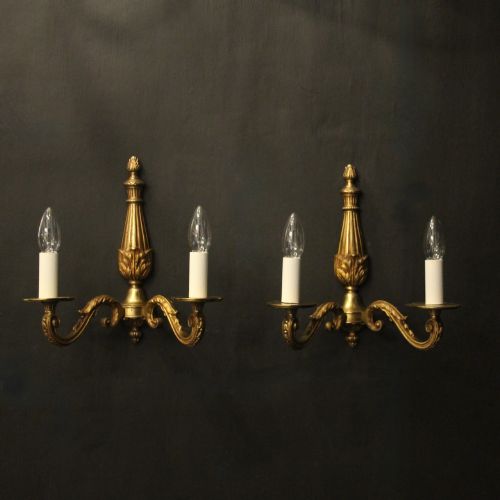
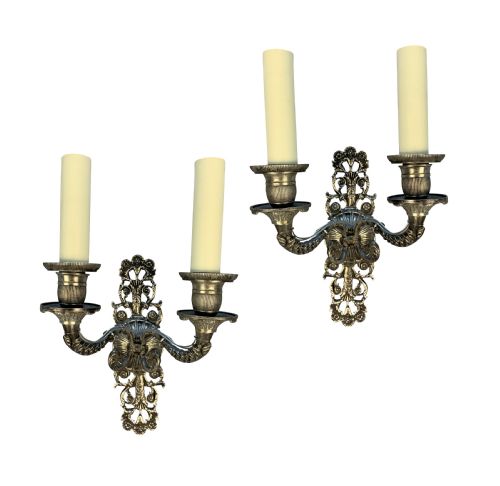
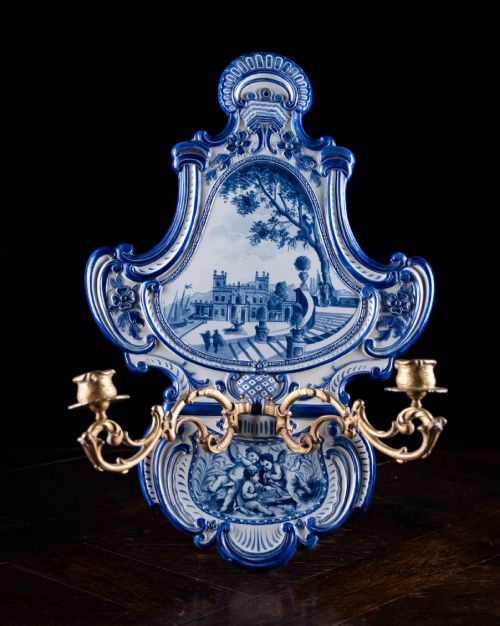
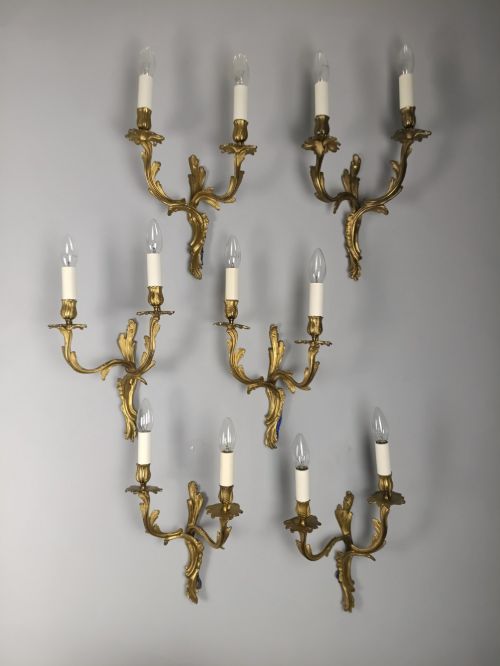
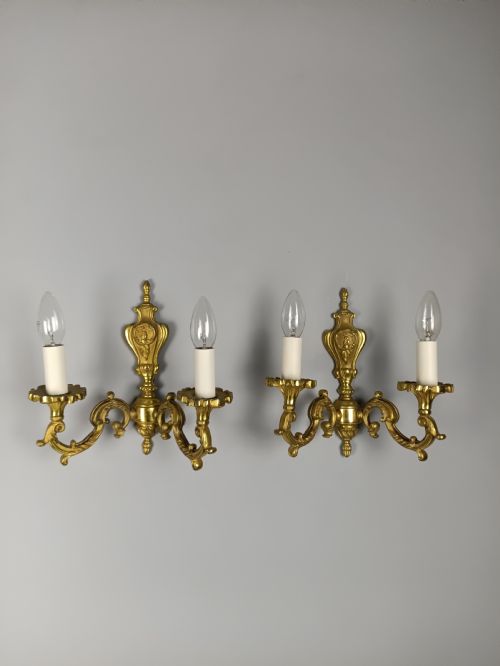
French designs dominate the selection, heavily influenced by Rococo, Empire, and Neoclassical vocabularies. These continental examples frequently incorporate gilt bronze, ormolu, and detailed ribbon motifs alongside twin candle or bulb branches. English interpretations lean towards understated brass, silver plate, and classical revival styles.
The periods represented span from the late nineteenth century through the 1930s, capturing shifts in domestic lighting from candle power to electricity. Wall lights and wall sconces appear across diverse room settings, matching period interior schemes from chateaux to townhouses.
Materials and construction methods
The physical structure of these fixtures relies heavily on cast and chased metals, predominantly brass, bronze, and copper-based alloys. Molten metal was poured into moulds, then hand-finished by artisans using chisels and files to sharpen decorative foliage and scrolls.
Gilding techniques applied thin layers of gold leaf or applied gold amalgams to bronze and brass surfaces, creating enduring metallic lustre. Silver plating provided a bright, reflective alternative for English and continental interiors requiring cooler tones.
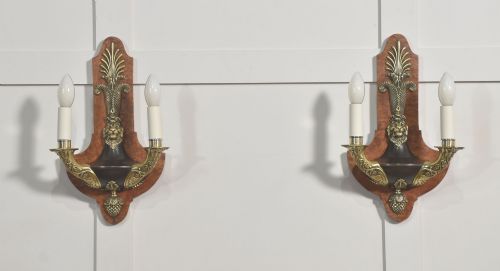
Decorative elements incorporate applied crystal drops, carved giltwood, and contrasting burr walnut panels fixed securely to structural backplates. Wiring channels and candle drips were integrated into the twin arms to accommodate the transition of fuel types.
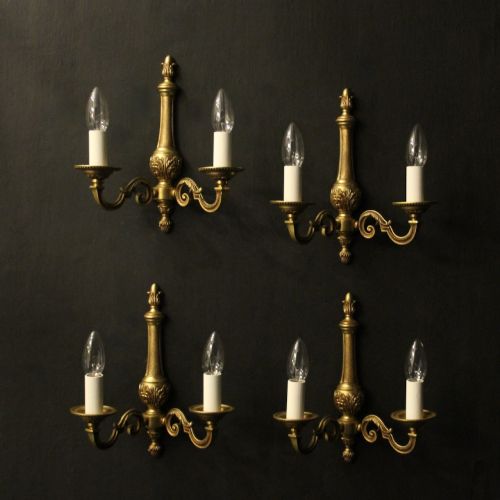
The listings show materials spanning brass, gilt bronze, ormolu, silver plate, and crystal across Victorian, Edwardian, and 1930s periods.
Distinguishing quality tiers
Quality separates along the crispness of the metal casting and the depth of the subsequent hand-chasing. Superior examples display sharply rendered acanthus leaves and scrolling arms where the artisan's tool marks remain purposeful rather than obscured.
The method and preservation of the surface finish dictate the upper tier of pieces. Heavy fire-gilding or deep ormolu retains its warmth and integrity across decades, whereas inferior plating wears thin to expose base metals.
Structural heft and the quality of the backplate mounting mechanisms separate standard production from high-workshop output. Well-engineered fixtures support the weight of twin branches without sagging from the wall surface.
Casier·Villeroy & Boch·F. & C. Osler
The Antique Double Wall Sconces Glossary
- Ormolu
- A technique of applying finely ground high-carat gold to a bronze object using a mercury amalgam. This process yielded a rich, durable golden finish prized in French decorative arts.
- Gilt Bronze
- Bronze metal that has been coated with a thin layer of gold leaf or gold paint. The application enhances the decorative impact of cast figural details.
- Girandole
- An ornamental branched wall light or sconce, frequently incorporating a mirror to multiply the reflected illumination. These fixtures often feature elaborate frames matching period revival styles.
- Rococo
- An eighteenth-century artistic style characterised by asymmetry, scrollwork, and organic plant motifs. Revival pieces from the nineteenth and twentieth centuries reinterpreted these fluid, theatrical designs.
- Empire Style
- A neoclassical design movement originating in France during the reign of Napoleon, favouring military motifs, laurel wreaths, and classical symmetry. This aesthetic influenced heavy cast metal wall fixtures across Europe.
Antique Double Wall Sconces: Frequently Asked Questions
How do I install antique wall sconces?
Professional installation by a qualified electrician ensures that vintage wiring meets safety standards. Many period fixtures require custom mounting brackets to secure the backplate safely to wall studs.
Because original backplates vary in depth and screw placement, matching the internal wiring channels to modern household circuits requires careful adaptation without altering visible metalwork.
Were these fixtures made for candles or electricity?
The pieces span a transitional era when domestic lighting shifted from candles and oil to electricity. Many surviving examples retain original conversion fittings or drip pans designed for wax candles.
Later twentieth-century iterations were manufactured specifically for electrical wiring, though older frames frequently underwent electrification during subsequent decades.
How do I clean gilded bronze safely?
Dusting gently with a soft, dry artist's brush prevents particulate buildup in the recessed chased details. Avoid chemical polishes, abrasive cloths, and water, which strip fragile surface gilding.
Professional conservation cleaning remains necessary only if accumulated grime obscures the underlying bronze or ormolu finish.
How do I identify French versus English styles?
French pieces frequently display exuberant Rococo scrolls, heavy ormolu casting, and gilt bronze materials. English designs tend toward restrained brass proportions, silver plating, and geometric Adam revival symmetry.
Examining the casting weight and the specific decorative vocabulary usually reveals the regional origin of the workshop.