


Antique Dog Irons
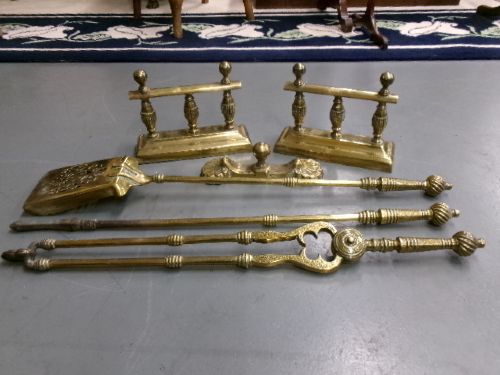
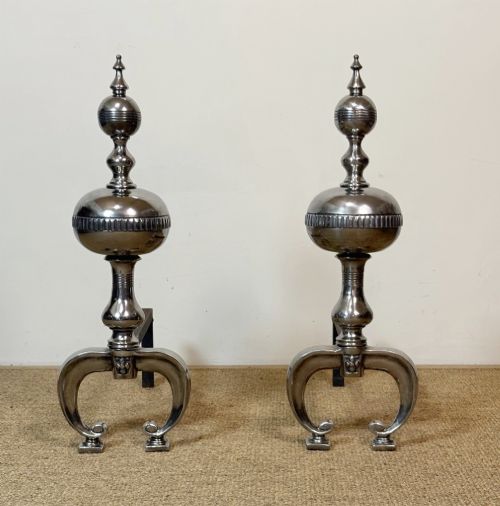
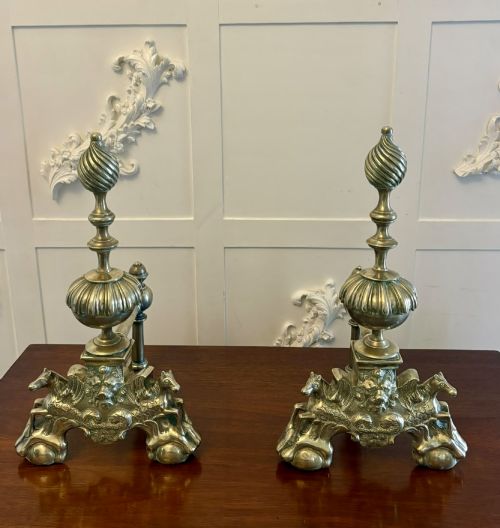
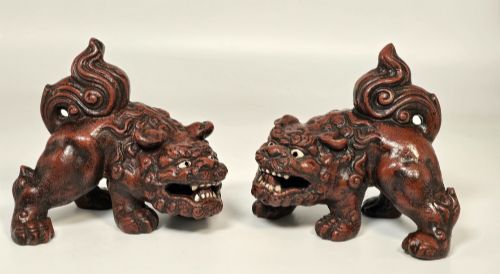
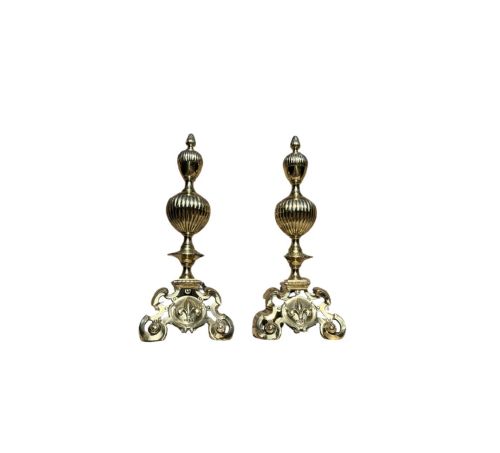
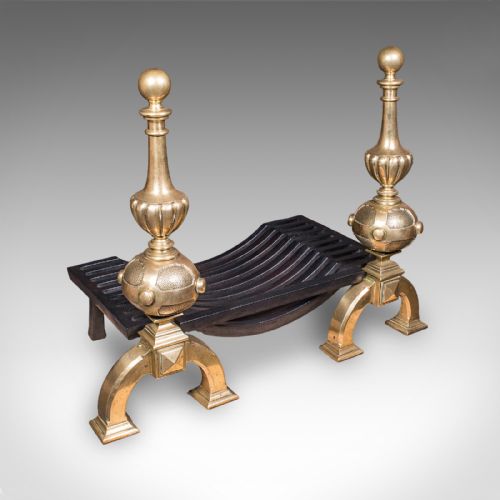
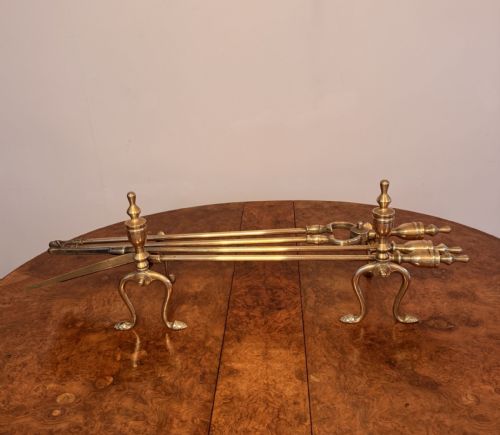
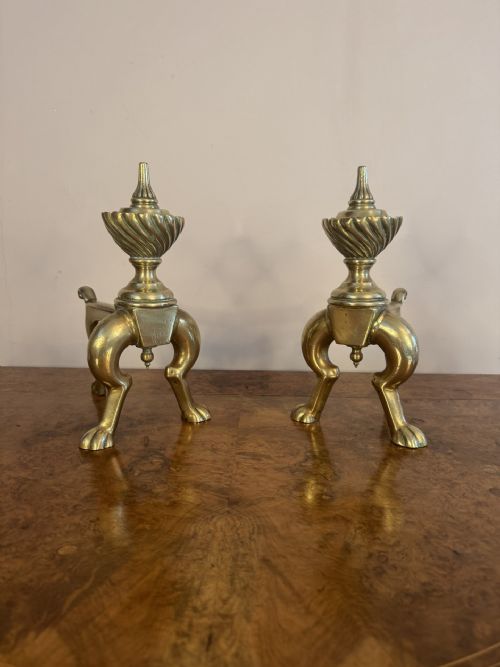
These antique dog irons support logs in an open hearth while bringing substantial period metalwork into a room.
Antique Dog Irons
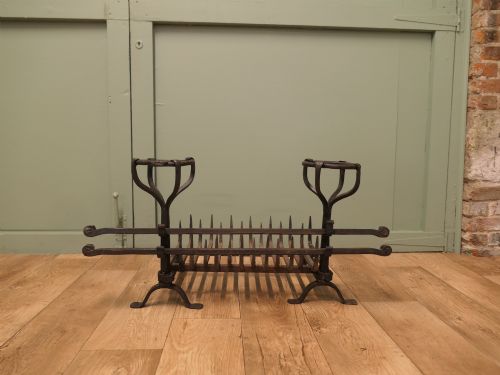
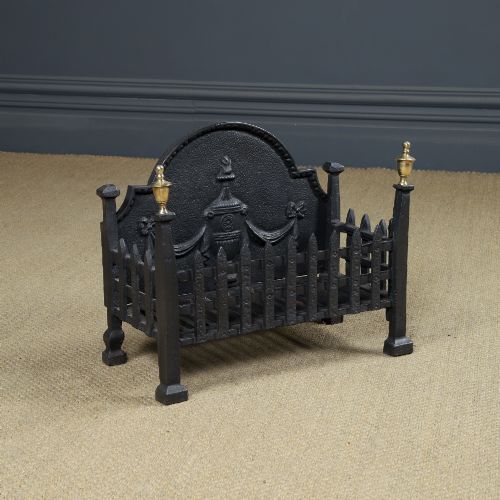
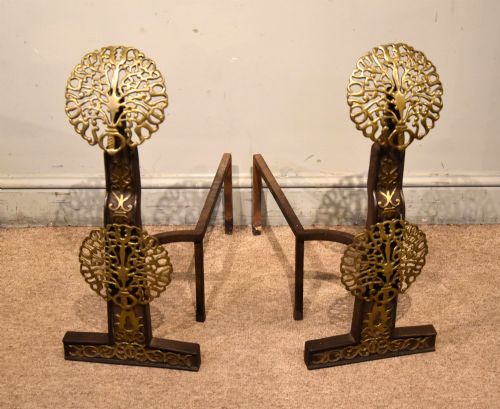
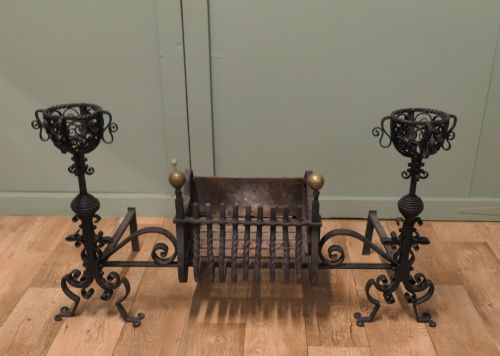
When searching for antique dog irons, buyers encounter heavy fireplace supports, frequently termed andirons, designed to elevate fuel for better airflow. These items anchor the hearth, functioning as structural supports that often incorporate decorative finials.
The selections available here span numerous periods, with Victorian and nineteenth-century examples appearing alongside earlier styles. Pairs of matching supports dominate the offerings, built to stand on either side of the hearth basket.
Origins vary across English, French, and American workshops, showing regional preferences in metal shaping and decorative motifs. Styles range from restrained Georgian lines to ornate French rococo castings and hand-hammered Arts and Crafts iterations.
Materials and construction
Makers utilised cast iron, wrought iron, and brass as primary structural components, frequently combining metals within a single pair. Cast iron allowed for intricate moulded details on fronts, while wrought iron provided the strength needed for heavy horizontal billets.
Finishes such as ormolu, gilt bronze, and applied paint appear on select examples to highlight sculptural elements. Artisans forged, cast, and assembled these pieces by hand, leaving tool marks and surface textures characteristic of period metalworking.
Antique Dog Irons Retail Price Guide 2026
Typical asking prices for dog irons among the pieces listed under this phrase on Sellingantiques today, from the lower quarter to the upper quarter. They describe what is for sale here now, not the wider market.
Listings feature periods from the sixteenth century through the Edwardian era, with nineteenth-century examples being the most numerous.
Factors of quality
The standard of a pair rests on the crispness of the casting and the weight of the metal utilised. Superior examples display clean joints, balanced proportions, and substantial mass that indicate solid construction rather than hollow fabrication.
Detailing on the front standards distinguishes utilitarian pieces from finer decorative works. Hand-wrought scrolling or finely chased brass elements reflect greater labour and skill in the original workshop.
The Antique Dog Irons Glossary
- Andirons
- Supports used in a fireplace to hold burning logs above the hearth floor. They consist of a vertical front standard and a horizontal bar extending backward.
- Cast iron
- An iron-carbon alloy poured into moulds to create rigid components with detailed surface patterns. It resists high temperatures well but can fracture under sharp impacts.
- Wrought iron
- Iron heated and shaped by hand with hammers and anvils. This material possesses fibrous qualities that yield visible grain and high tensile strength.
- Ormolu
- Ground gold applied in a mercury amalgam to a bronze base, producing a rich golden finish. It appears on decorative mounts of finer period pieces.
- Rococo
- A decorative style characterised by asymmetrical scrollwork, C-curves, and naturalistic plant motifs. It heavily influenced French fireplace ornaments during the eighteenth and nineteenth centuries.
Antique Dog Irons: Frequently Asked Questions
How do I use antique dog irons?
These pieces stand inside an open fireplace to hold logs above the hearth floor. Their elevated position allows air to circulate underneath the fuel for a steadier burn.
They also serve as architectural ornaments when the fireplace is not in active use during warmer months. Many pairs are matched with matching fire baskets or grates to complete the hearth setup.
Are these suitable for burning wood?
Solid iron and brass examples handle regular fireplace heat safely when used with appropriate seasoned logs. Wrought and cast varieties withstand high temperatures over extended periods.
Painted or gilt surfaces require care to prevent finish degradation from direct flame exposure. Buyers often assess the metal thickness to determine whether a pair is fit for daily fires or primarily decorative display.
How do I identify Victorian andirons?
Victorian pieces often incorporate heavier proportions and eclectic revival styles, referencing Gothic, Renaissance, or rococo motifs. Cast iron and polished brass dominate this era's output.
Many bear the distinct manufacturing marks or registration numbers common to nineteenth-century British production. Their construction frequently relies on bolted assemblies rather than purely forged joints.
What is the difference between dog irons and fire grates?
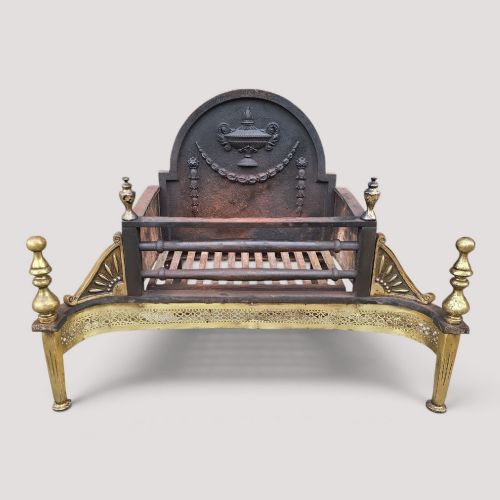
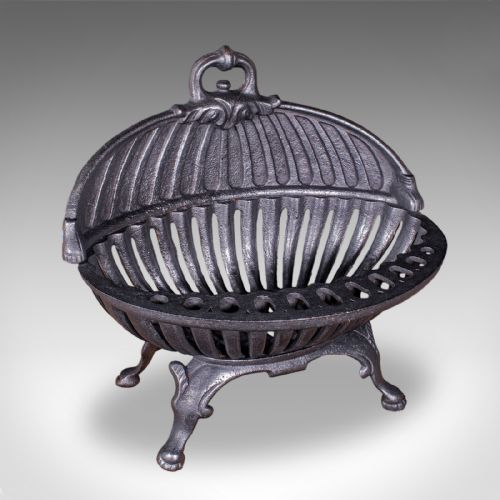
Dog irons are individual upright supports placed in pairs to hold logs directly on the hearth floor. A fire grate incorporates an integrated basket or rack to contain the fuel.
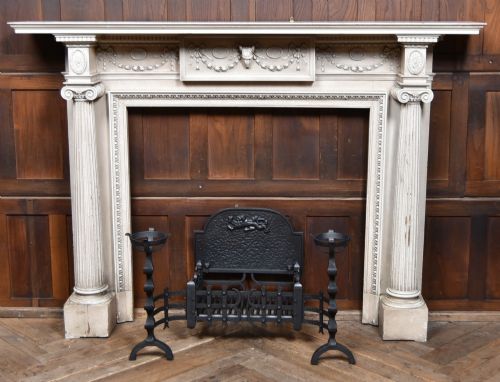
Some configurations combine both elements, featuring dog irons flanking a matching basket or fire dogs supporting a separate grate insert.