




Antique Document Stand
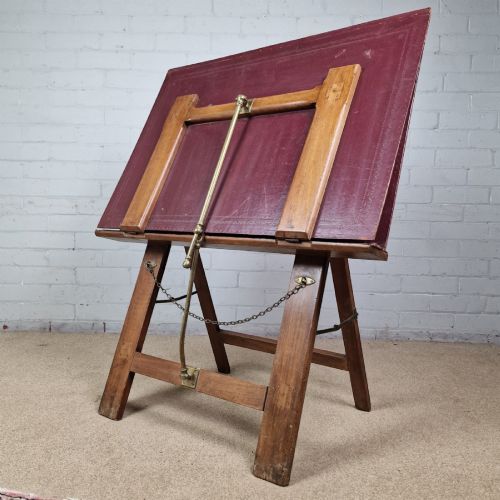
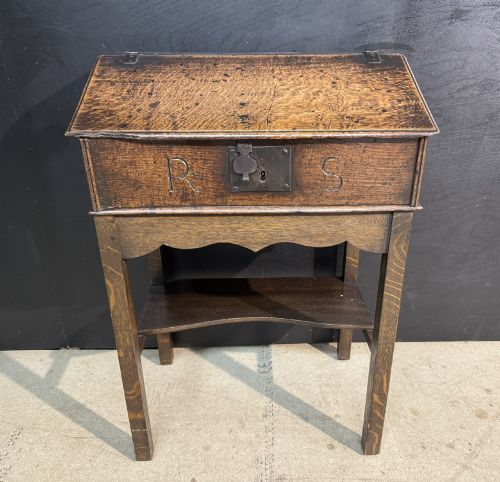
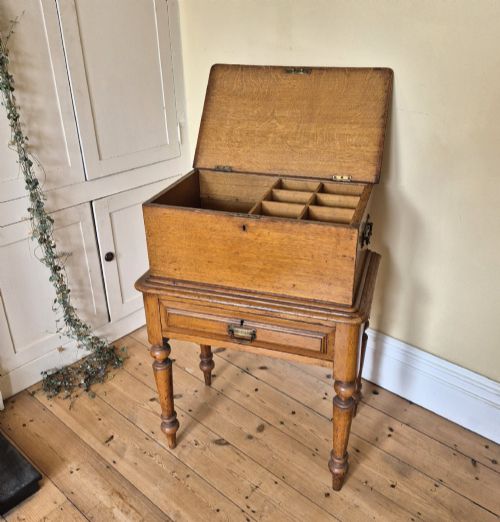
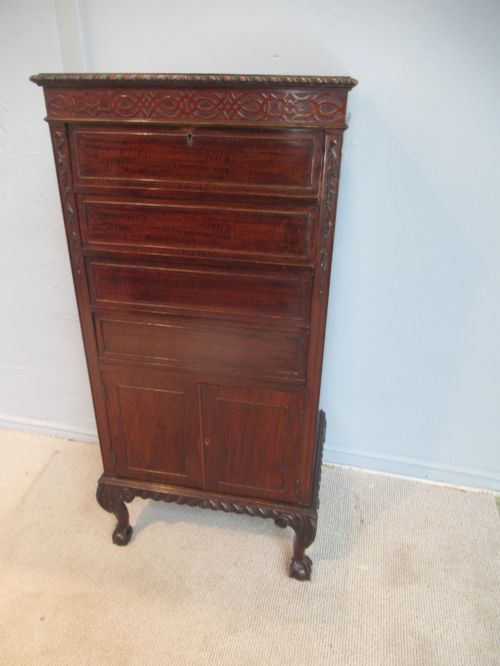
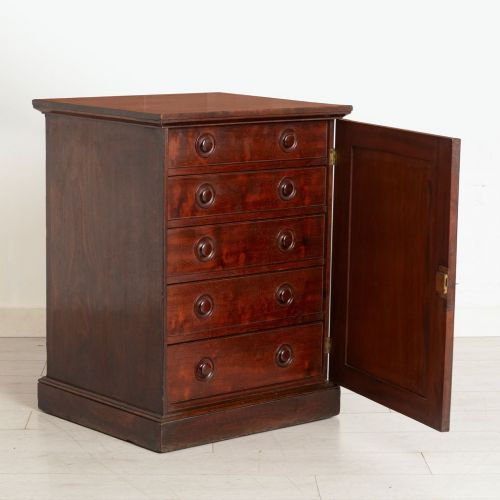
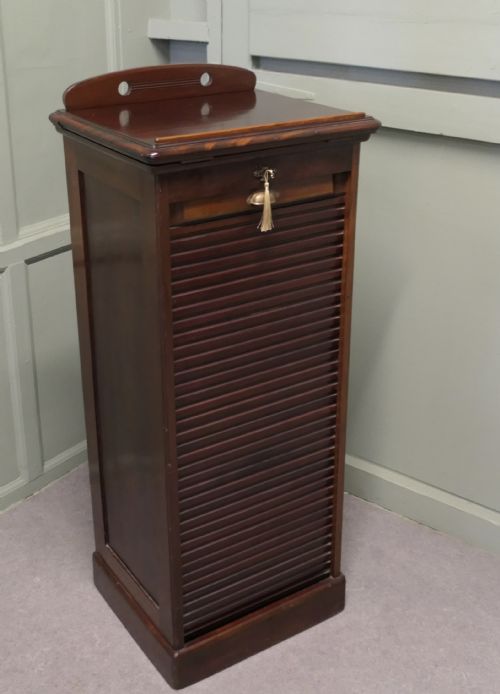
An antique document stand is a practical piece designed to organise papers, folios and writing materials, ranging from floor-standing mahogany cabinets to oak bible boxes.
Antique Document Stand
An antique document stand encompasses a variety of functional storage forms designed for papers, folios, and books. The pieces encountered here span several centuries, reaching from the seventeenth century through to the early twentieth century.
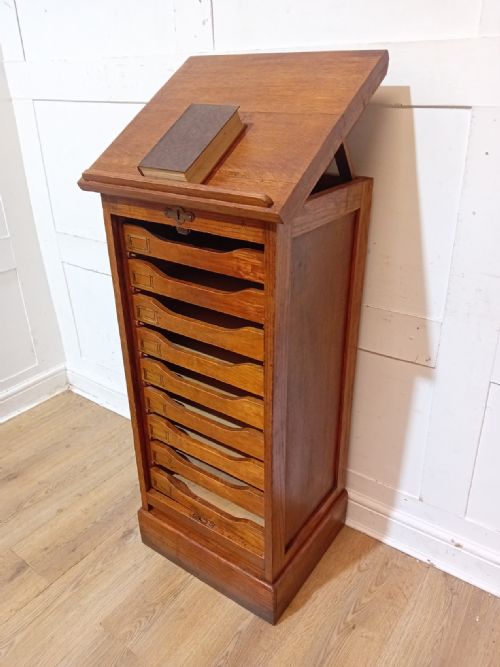
Buyers will find items ranging from floor-standing mahogany folio cabinets and oak lecturn top filing cabinets to satinwood specimen chests and music cabinets. Period examples include Victorian, Edwardian, and George III designs alongside earlier seventeenth-century writing slope boxes.
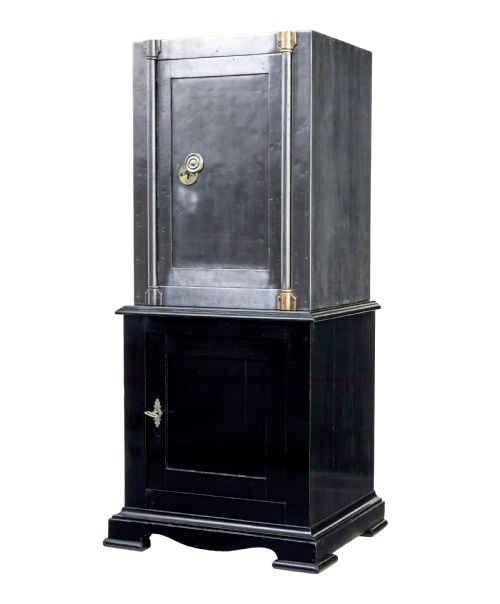
Materials vary across these functional forms, incorporating timbers such as mahogany, oak, and satinwood alongside brass fittings and iron safes. Each piece reflects the administrative and domestic storage needs of its respective period.
How they were made
Cabinet makers utilised dense hardwoods such as mahogany and oak to construct the main bodies of these cabinets, chests, and stands. These timbers provided the structural durability required for heavy folios and archival storage.
Decorative elements involve detailed inlays of satinwood, bird's-eye maple, and brass hardware such as newspaper stands and hinges. Metal components also appear in polished steel safes and iron-mounted ticket dispensing boxes.
One exceptional piece on offer is a North Eastern Railway ticket dispensing box on a stand.
What varies in quality
Quality reveals itself in the selection of timber figure, such as the grain of the mahogany or the choice of satinwood inlay. Finer examples display meticulous attention to proportion and joinery, distinguishing utilitarian items from high-status library furnishings.
The integrity of the original hardware, including brass handles, hinges, and locking mechanisms, defines the superior tier of these pieces. Original surfaces and polished finishes maintain the historical character appreciated by discerning collectors.
The Antique Document Stand Glossary
- Folio cabinet
- A tall piece of furniture designed specifically to store large sheets of paper, prints, or maps flat. These stands often feature multiple sliding shelves or tiers.
- Writing slope
- A portable box with an angled lid designed to provide a comfortable surface for handwriting. When opened, the interior typically reveals compartments for inkwells and stationery.
- Specimen chest
- A set of small drawers intended for housing natural history collections or valuable documents. Satinwood and mahogany are frequently used timbers for these refined boxes.
- Bible box
- A box used to store sacred texts, often elevated on a stand or table. Seventeenth-century examples display robust oak construction and carved decorative motifs.
- Music cabinet
- A specialised piece of furniture featuring shallow drawers or vertical compartments for sheet music. Edwardian and later nineteenth-century versions often incorporate inlaid woodwork.
Antique Document Stand: Frequently Asked Questions
What is an antique document stand used for?
These stands serve to organise, store, and display large papers, folios, books, and writing materials. Historically, they kept important administrative records or sheet music close at hand in libraries and studies.
Today, they function well in modern homes for sorting contemporary paperwork, displaying art folios, or serving as distinctive side tables with built-in storage.
How do I date an antique document stand?
Dating relies on observing the primary timber used, construction methods, and stylistic details such as brass hardware or inlay patterns. Seventeenth-century pieces typically feature heavy oak and hand-carved panels, while George III and Regency examples display refined mahogany and classical proportions.
Later Victorian and Edwardian pieces often incorporate machine-cut dovetails, satinwood banding, or specialised filing mechanisms suited to nineteenth-century commerce.
What timber is most common?
Mahogany and oak are the most frequently encountered woods across these listings, spanning multiple centuries of cabinet making. Mahogany appears prominently in eighteenth- and nineteenth-century folio cabinets and writing boxes.
Oak is characteristic of earlier seventeenth-century bible boxes and later Victorian filing furniture, valued for its strength and enduring stability.
Are music cabinets and document stands similar?
Music cabinets share a similar vertical format with document stands and folio cabinets, often containing shallow interior drawers or compartments. While originally intended for organising sheet music, their dimensions suit the storage of flat papers and letters.
Buyers often utilise music cabinets interchangeably with document stands for practical home administration and archival storage.