
Antique Dish Stand
When you search for an antique dish stand, you encounter raised holders for ceramics, glass and silver made to elevate dining and display.
Antique Dish Stand
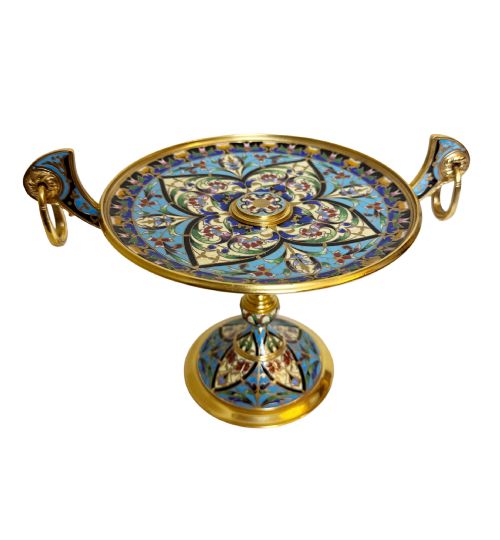
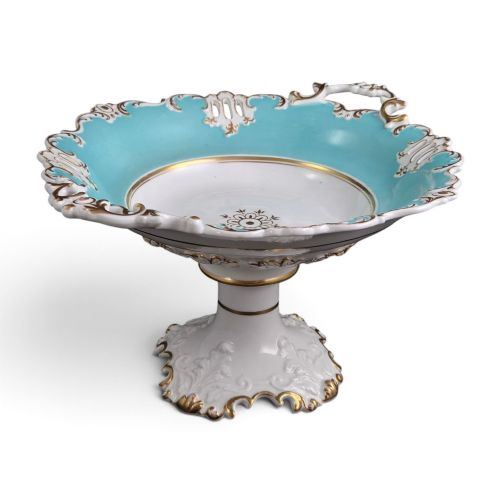
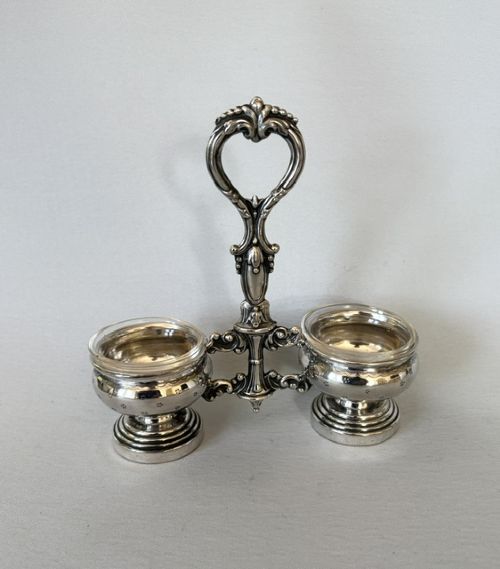
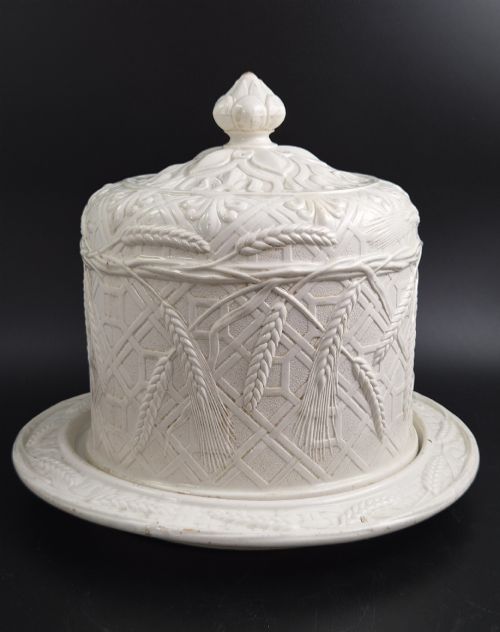
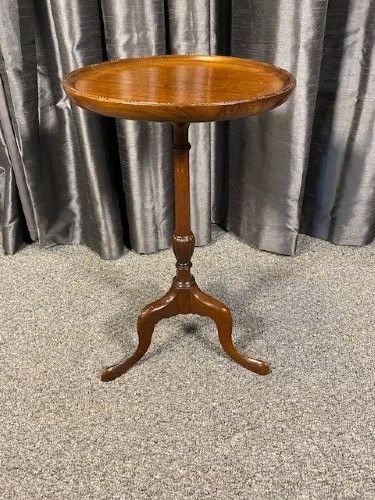
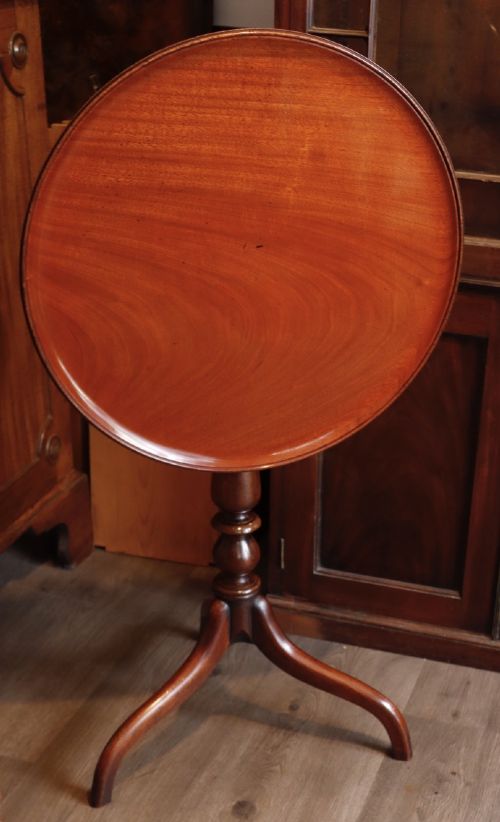
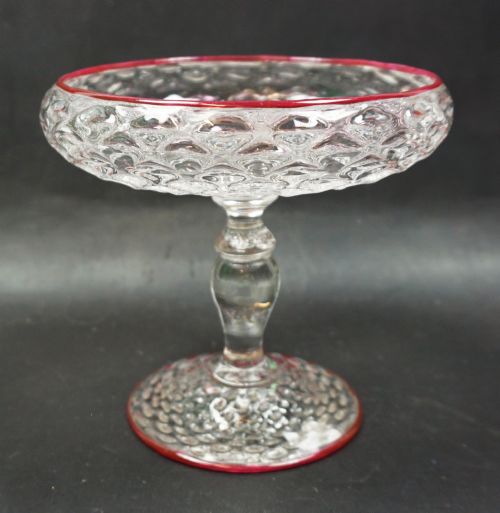
An antique dish stand encompasses a varied group of serving pieces, tazzas, comports and raised vessels designed to hold food, fruit, cheese or tableware above the surface of a table. The selection spans utilitarian serving frames and decorative centerpieces intended for formal dining.
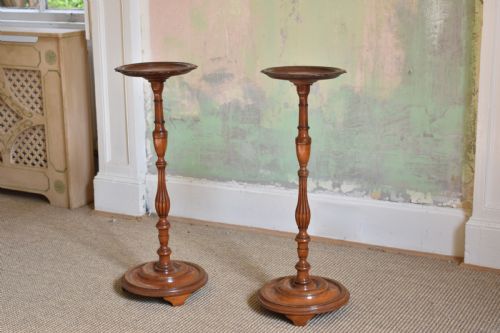
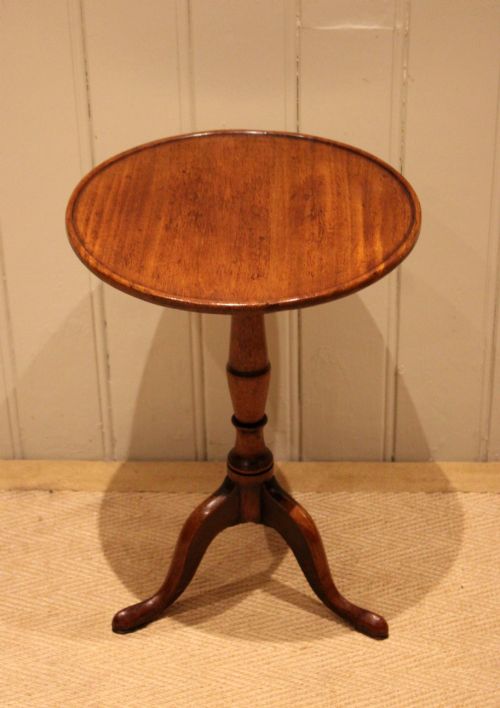
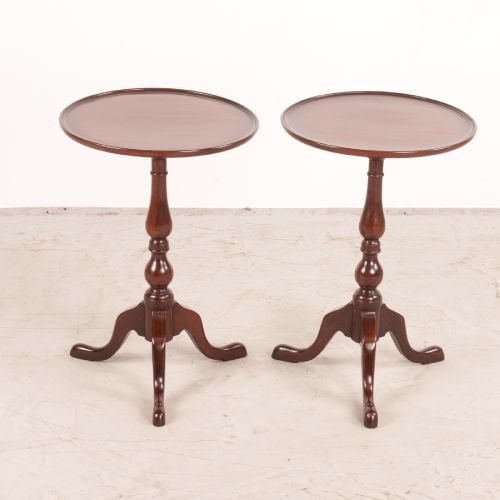
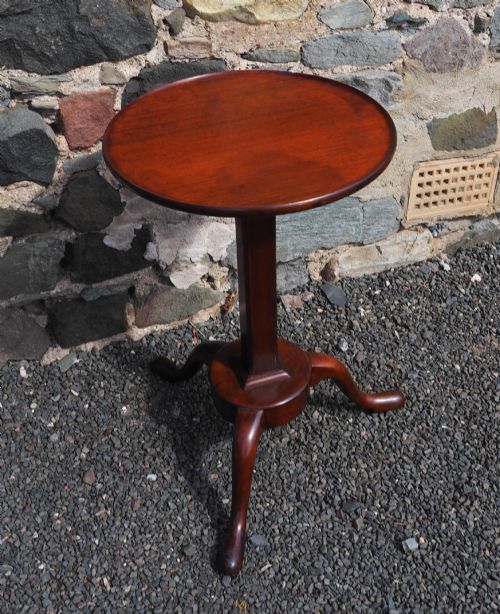
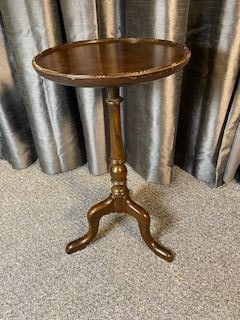
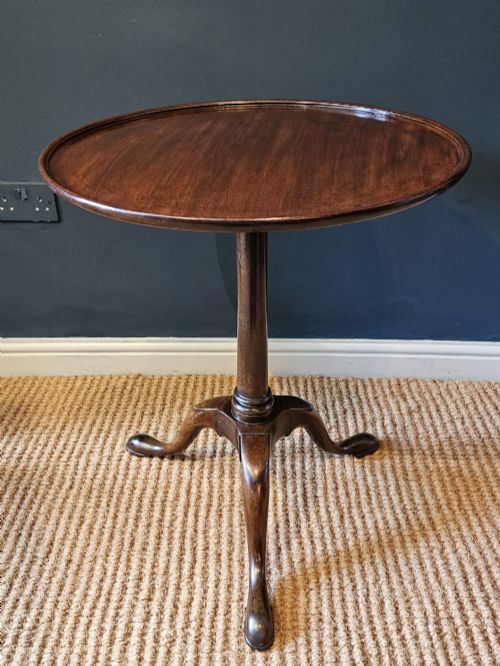
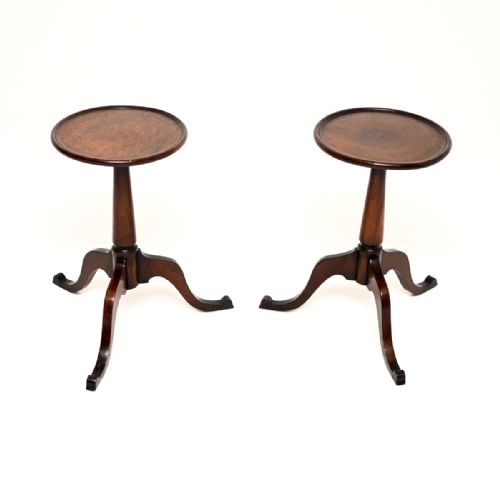
The objects take many forms across the centuries, appearing as mahogany wine tables, tripod stands, porcelain tazzas, earthenware cheese domes, and silver plated condiment holders. Pieces range from early Georgian walnut candlestands and oak dumbwaiters to Victorian majolica cheese bells and Edwardian silver plated frames.
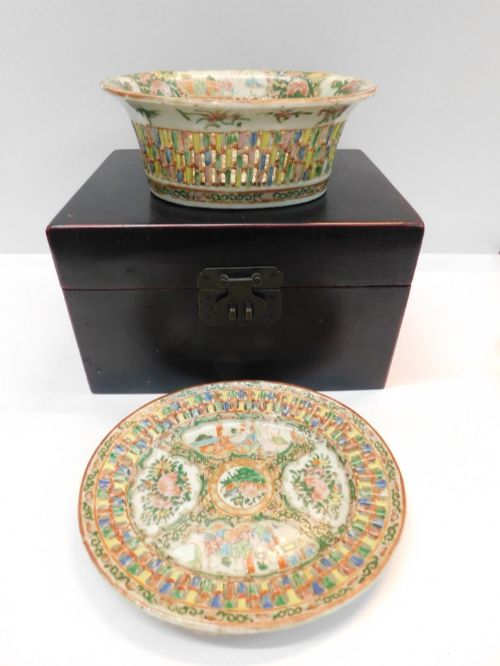
Originating largely from British, French and Asian workshops, these pieces reflect the dining customs of the eighteenth, nineteenth and early twentieth centuries. Buyers find functional serving equipment alongside decorative display stands intended for sideboards and drawing rooms.
How They Were Made
Makers utilised dense timbers such as mahogany, walnut and oak for wooden tables and stands, shaping tripod bases, tilt-tops and tiers through traditional joinery and turning techniques. Metal components incorporate silver plate, sterling silver, bronze, ormolu and pewter, shaped via casting, chasing and plating.
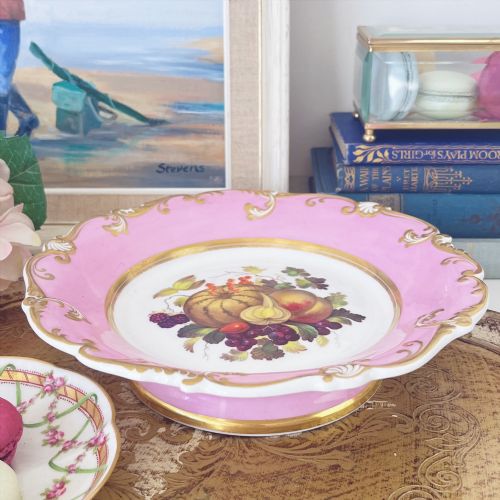
Ceramic and glass stands rely on specialised kiln and moulding processes, producing bone china, ironstone, majolica, jasperware, lead glass and enamel items. Hand-painted decoration, gilding, transfer printing and moulded patterns frequently finish the porcelain and earthenware bodies.
Form categories include occasional tables, tazzas, condiment stands, and cheese domes.
What Varies in Quality
Quality rests in the crispness of execution, from the hand-painted detail on porcelain and the depth of moulding in glass to the precision of joinery in wooden tripod tables. Superior pieces display harmonious proportions and refined finishing touches by recognised makers rather than routine factory production.
Coalport·H & R Daniel·Christofle·Sèvres·Davenport·Hicks & Meigh·George Jones·Wedgwood·Doulton Burslem·James Dixon & Sons·Hukin & Heath
The Antique Dish Stand Glossary
- Tazza
- A shallow bowl or plate mounted on a stem and foot, used for serving fruit or sweetmeats.
- Comport
- A large pedestal dish or bowl used for dessert service on formal dining tables.
- Standish
- A tray or stand incorporating inkwells, pen holders and sanders for a desk or writing table.
- Jasperware
- A type of fine stoneware developed by Wedgwood, characterised by a matte coloured body with applied white relief ornamentation.
- Majolica
- earthenware glazed with colourful opaque lead glazes, popular during the Victorian era for decorative serving pieces.
Antique Dish Stand: Frequently Asked Questions
What is a dish stand used for?
These stands elevated specific items of food or tableware during formal meals, keeping dishes accessible and creating tiered displays on the dining table or sideboard.
They held items ranging from cheeses and fruit to condiments, sweetmeats and serving dishes depending on the specific form.
How do I style an antique dish stand at home?
Use ceramic tazzas and glass comports on sideboards or dining tables to display seasonal fruit, small decorative objects or collections.
Ensure wooden wine tables and plant stands occupy spaces where their tripod bases and tilt-top mechanisms remain safe from heavy daily traffic.
How do I tell Georgian stands from Victorian ones?
Georgian pieces generally exhibit restrained classical proportions, simple mahogany turnings or early walnut construction without heavy ornamentation.
Victorian items frequently display more elaborate decoration, incorporating majolica glazes, silver plate, transfer-printing and eclectic revival styles.
Are glass stands fragile?
Lead glass and moulded crystal stands require careful handling and stable placement to prevent chipping on the rims and stems.
Wash them by hand in lukewarm water without harsh detergents to protect the surface polish and any delicate enamel decoration.