

Antique Dining Table Decor
These antique dining table decor pieces bring silver, brass and silk into formal settings through napkin rings, candlesticks and menu holders.
Antique Dining Table Decor
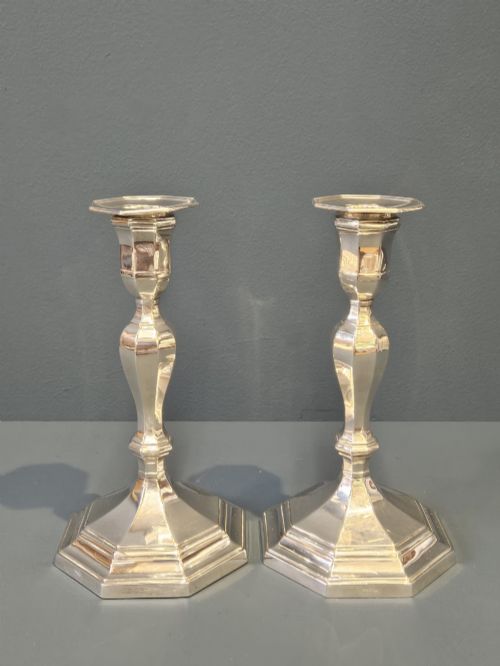
When you search for antique dining table decor, you meet the small ornaments and utilitarian accessories that dressed formal dining rooms from the Georgian period through the 1930s. The selection relies heavily on sterling silver and silver plate table appointments produced to mark individual places or light the board.
Napkin rings, candlesticks, and menu holders dominate the forms, alongside knife rests, place card holders, and occasional dinner gongs. Edwardian and Victorian examples appear frequently, reflecting an era when elaborate table settings required dedicated silver and brass accessories.
How they were made
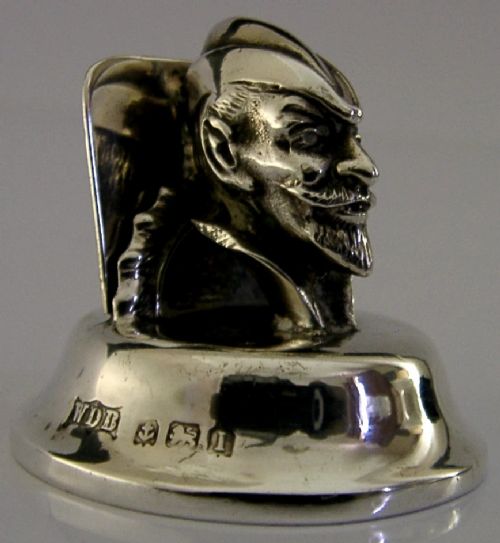
Silversmiths shaped solid sterling silver and silver plate through casting, hammering, and detailed chasing, often incorporating hallmarks from London, Birmingham, and Sheffield to record the assay office and date. Brass and copper pieces utilised heavier casting and turning methods to build durable candlesticks and table ornaments.
Specialist items combined precious metals with silk, velvet, mother-of-pearl, and enamel to create decorative details like flag motifs and animal figures. Makers also employed Old Sheffield Plate techniques, fusing a thin layer of silver onto a copper base before shaping.
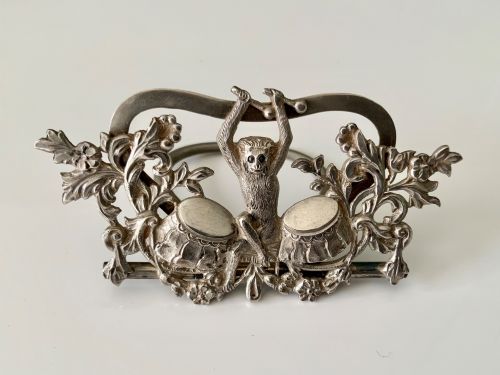
Dinners gained extra spirit when guests consulted menus held up by miniature silver monkeys playing drums.
What varies in quality
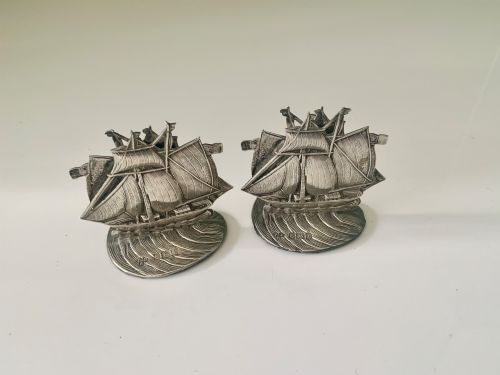
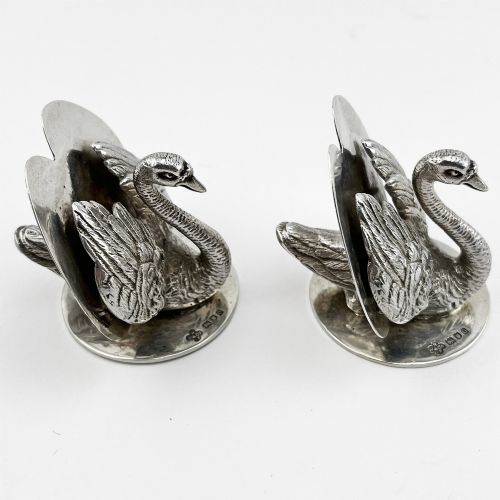
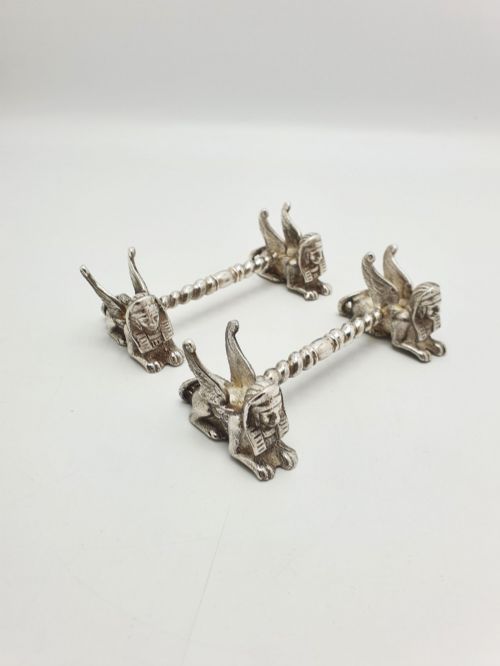
The distinction between standard table accessories and superior examples rests on the crispness of the cast or chased detail, particularly in novelty forms such as animals, sphinxes, or galleons. Sharply rendered figures maintain their definition through years of polishing, whereas softer castings lose their textural nuance.
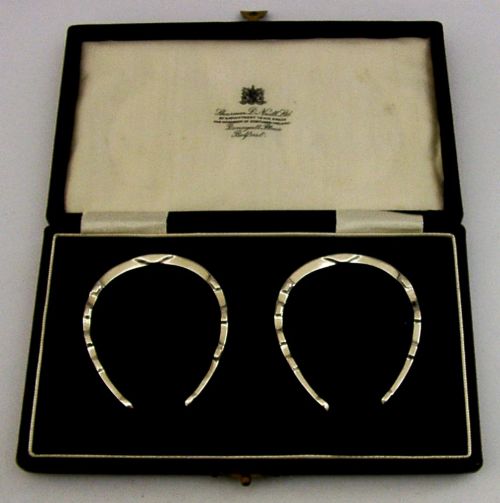
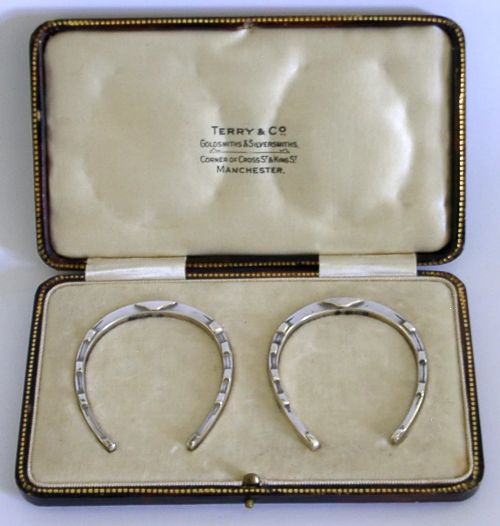
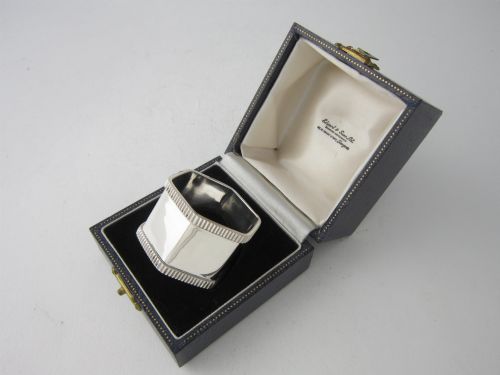
Maker attribution and original cased sets elevate certain pieces above utilitarian service items. Complete matched sets, original fitted presentation boxes, and recognised workshop marks indicate a higher standard of manufacture from the outset.
Mappin and Webb·Thomas Bradbury and Sons Ltd·Guild of Handicraft·Liberty
The Antique Dining Table Decor Glossary
- Sterling silver
- A silver alloy containing 92.5 percent pure silver by mass, standard for quality British tableware. Items bearing this composition carry town marks and date letters.
- Silver plate
- A base metal coated with a thin layer of silver, encompassing techniques like Old Sheffield Plate and electroplate. It offered the appearance of solid silver at a lower cost.
- Menu holder
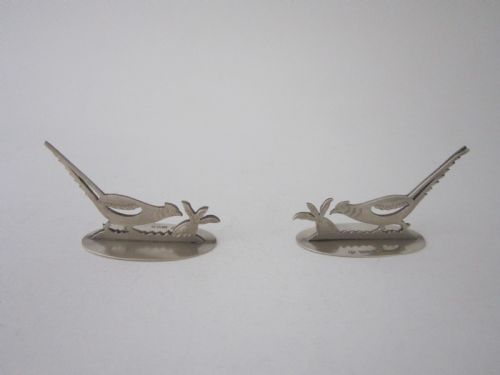
- A small desk-like stand used to display meal choices on the dining table. They frequently took figural forms such as animals, birds, or figures.
- Knife rest
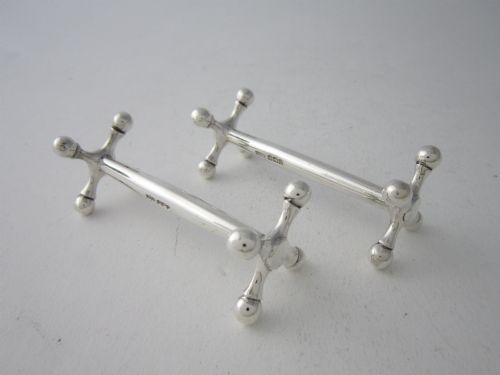
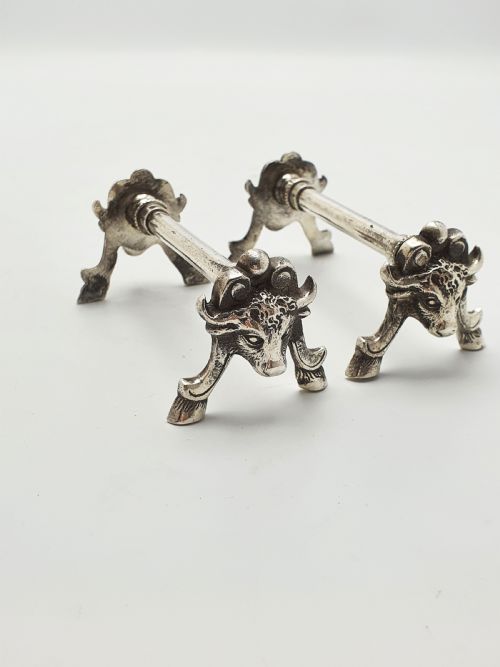
- A horizontal support placed beside a plate to keep used cutlery off the tablecloth. They appear in matched pairs or sets of four.
- Hallmark
- An official stamp applied by an assay office to guarantee the fineness of precious metal. These marks identify the maker, town, and year of manufacture.
Antique Dining Table Decor: Frequently Asked Questions
What are antique napkin rings used for?
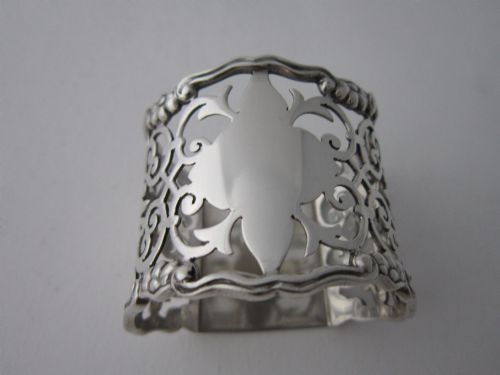
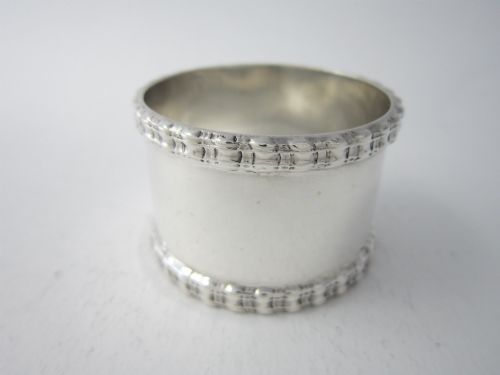
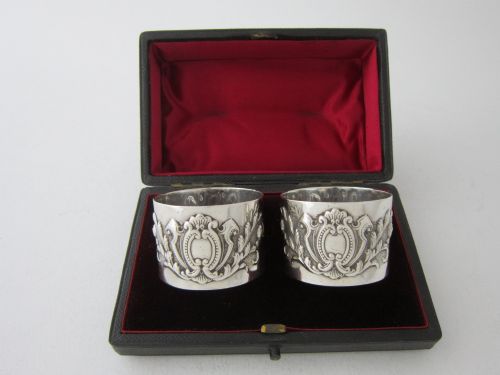
Napkin rings identify individual places at the dining table and keep cloth napkins organised between meals. They were often given as christening or wedding gifts.
Collectors find them in matched pairs, sets of four, or larger boxed collections spanning the Victorian and Edwardian eras.
How do I date silver candlesticks?
Assay office hallmarks stamped onto the metal provide the exact year of manufacture through designated date letters. Style shifts, from Georgian proportions to Edwardian neoclassical forms, also help determine age.
Matching the base weight and construction details to known regional silversmiths confirms the period further.
What is a menu holder?
A menu holder props up cards detailing the courses served during formal Victorian and Edwardian dinners. They sit beside place settings as decorative table ornaments.
Designs range from simple silver shields to elaborate figural castings representing animals, ships, and historical figures.
Are knife rests still practical?
Knife rests keep carved or used blades elevated above the tablecloth during multi-course meals. They remain functional for formal dining as well as decorative table displays.
Pairs or sets made from sterling silver, silver plate, or mother-of-pearl suit modern tables just as well as historical ones.