


Antique Dining Room Set
An antique dining room set brings together matching tables, sideboards and seating built to anchor formal gatherings.
Antique Dining Room Set
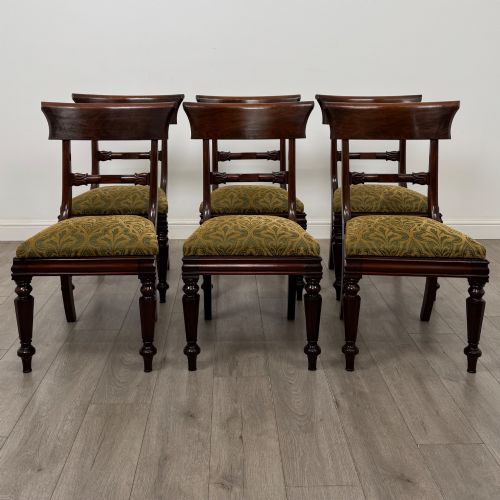
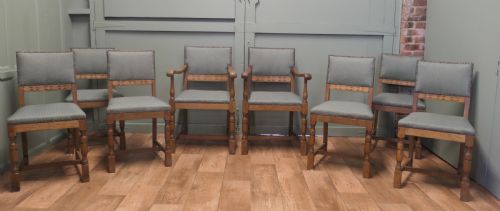
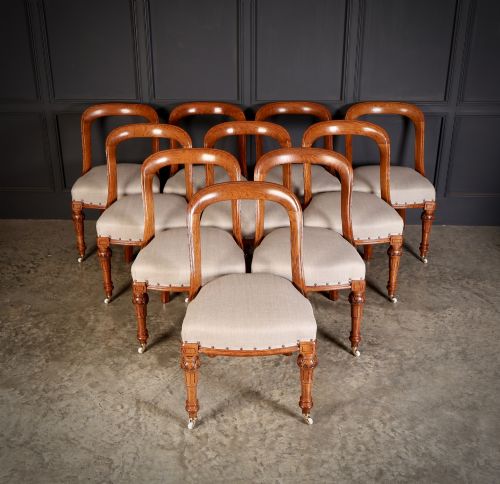
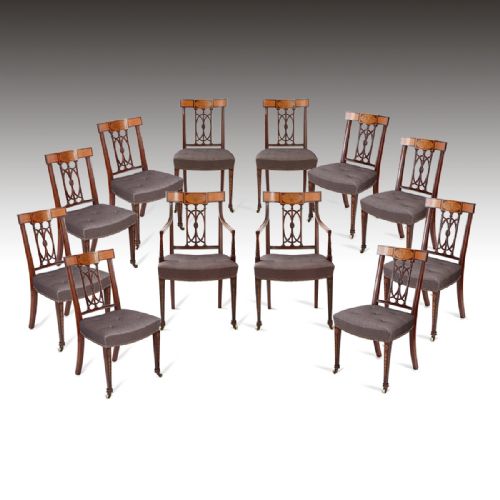
When searching for an antique dining room set, collectors encounter matched seating arrangements alongside extending tables and sideboards. These ensembles span multiple eras, encompassing larger Georgian groupings, expansive Victorian suites, and Edwardian oak furniture.
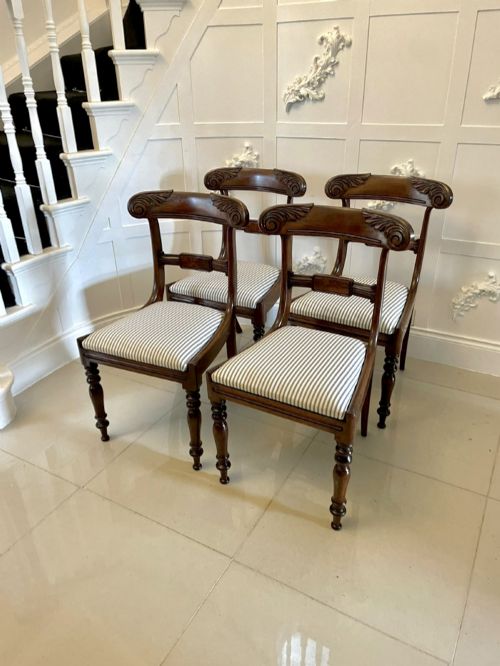
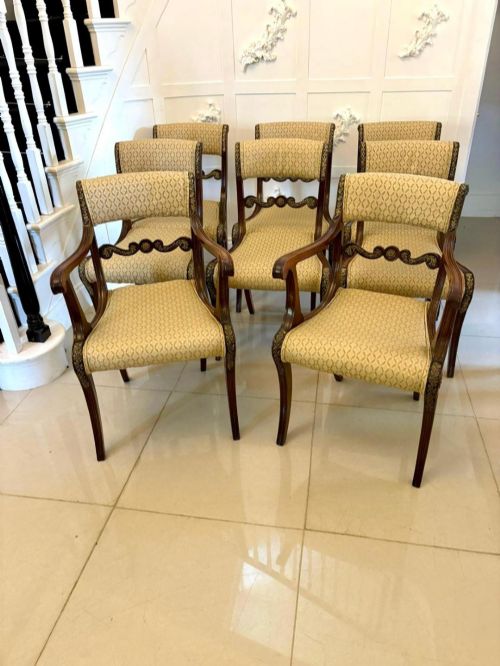
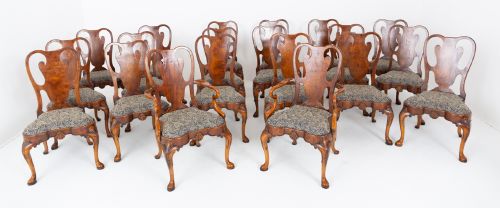
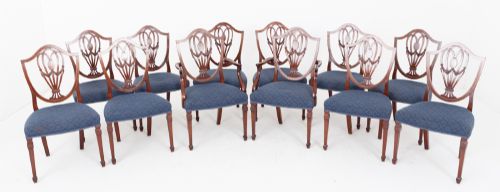
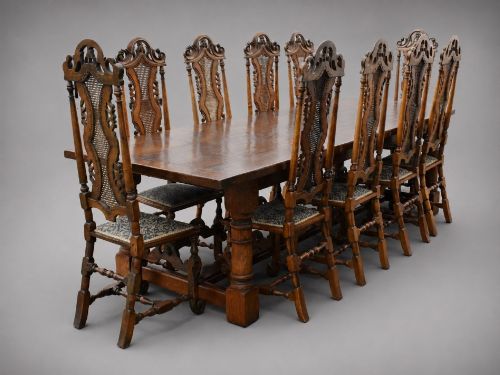
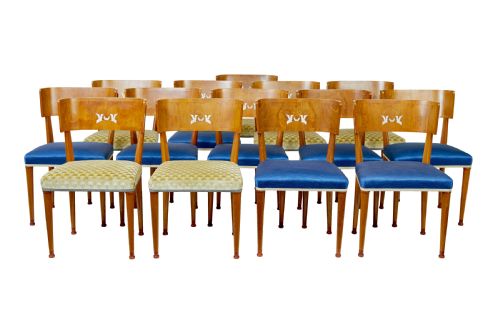
The most common configurations on this page are sets of dining chairs numbering from four up to twelve pieces, frequently paired with mahogany or oak tables. Individual pieces display historical revivals including Queen Anne, Chippendale, and Hepplewhite styles.
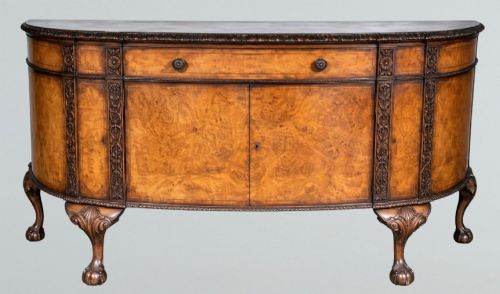
Buyers also discover substantial sideboards and buffets built to hold tableware, completing the coordinated interior look of a formal nineteenth or twentieth-century dining space.
Materials and construction methods
Cabinetmakers constructed these dining sets predominantly from dense hardwoods such as mahogany and oak, supplemented by walnut, satinwood, and maple for decorative surfaces. Joinery relied on traditional techniques to ensure durability under daily domestic use.
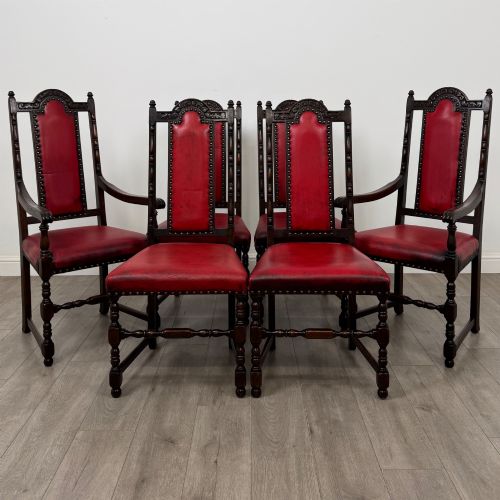
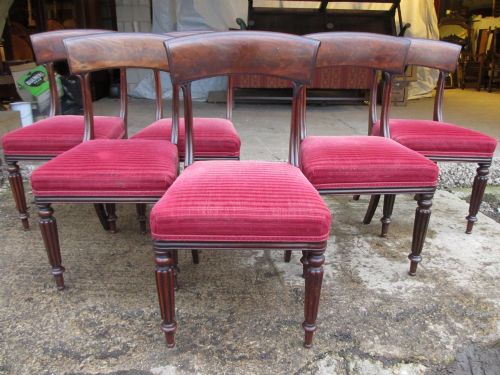
Seating components frequently incorporated upholstered pads covered in leather, velvet, fabric, or specialised upholstery material, secured with brass detailing. Tables utilised sturdy timber frames, sometimes incorporating draw-leaf mechanisms or extension systems to accommodate larger gatherings.
Several sets include unusual configurations such as eighteen single chairs paired with two carvers for truly grand feasts.
Distinctions in craftsmanship and finish
Quality in an antique dining room set rests upon the depth of the timber's grain, the precision of carved details on chair backs and table edges, and the integrity of the original construction. Superior examples maintain matched grain patterns across every chair in the suite, indicating careful selection of the wood by the maker.
The degree of original finish preservation and the complexity of stylistic execution separate standard functional furniture from exhibition pieces. Sets featuring intricate architectural carvings, specialised wood choices like burr walnut, and untouched surfaces command greater appreciation among collectors.
Maple and Co·Gillows
The Antique Dining Room Set Glossary
- Carver
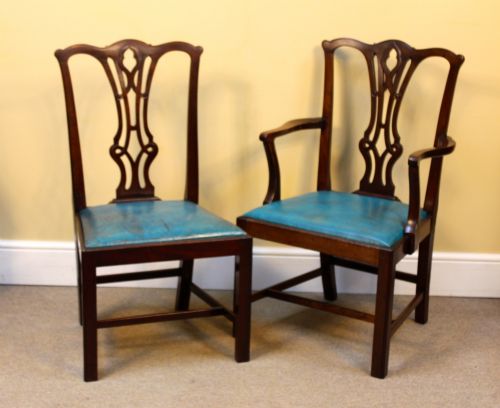
- An armchair designed with armrests, traditionally placed at the head of the dining table for the host.
- Draw leaf
- An extension table mechanism featuring sliding leaves hidden beneath the main surface that pull out to lengthen the table.
- Shield back
- A chair back design shaped like a heraldic shield, popular in Hepplewhite and late eighteenth-century furniture.
- Barley twist
- A turned wooden furniture leg or stretcher carved in a spiral rope-like pattern.
- Harlequin set
- A collection of chairs that share a general period or style but vary slightly in individual detail rather than being identically matched from new.
Antique Dining Room Set: Frequently Asked Questions
What defines a complete antique dining room set?
A complete antique dining room set generally comprises a primary dining table paired with a matching quantity of chairs, often accompanied by a complementary sideboard or buffet for storage.
These suites reflect the design standards of their specific period, ensuring visual harmony across all the heavy wooden furniture in the room.
How do I accommodate more guests with antique tables?
Many antique dining tables include draw-leaf mechanisms or removable centre leaves designed to expand the surface area when hosting larger dinners.
When purchasing a set, check the chair count to ensure you have enough matching seating to match the extended capacity of the table.
What is the difference between single chairs and carvers?
Single chairs are armless dining chairs designed to fit neatly along the sides of the table, allowing more guests to be seated in a given space.
Carvers feature supportive armrests on either side and are traditionally positioned at the head and foot of the dining table.
How do I identify the period of a dining set?
Dating relies on examining the timber species, construction joinery, hardware details, and stylistic revival cues such as Regency curves or Jacobean carving.
Comparing the specific chair back designs, such as shield backs or balloon backs, against known historical periods helps confirm the era of manufacture.