
Antique Dining Room Pedestals
Antique dining room pedestals anchor grand dining spaces, bringing classic timber forms and sturdy support to period rooms.
Antique Dining Room Pedestals
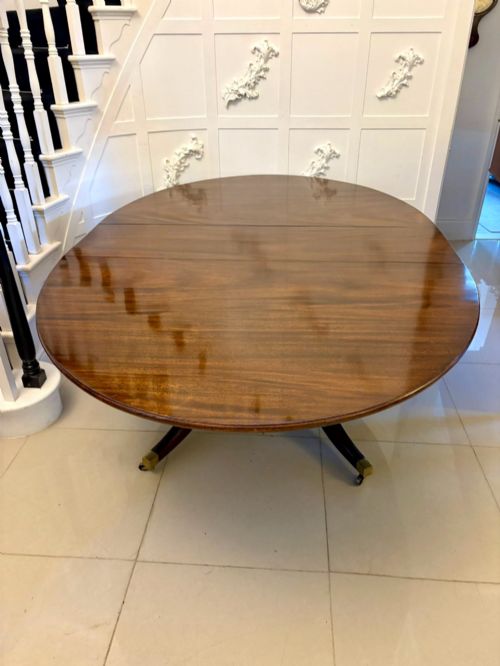
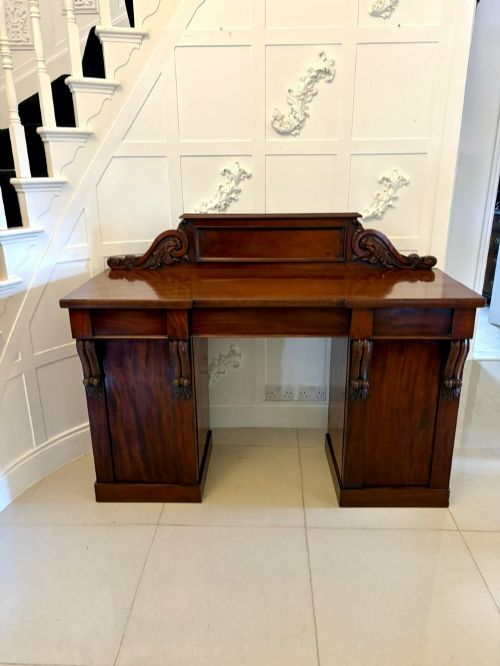
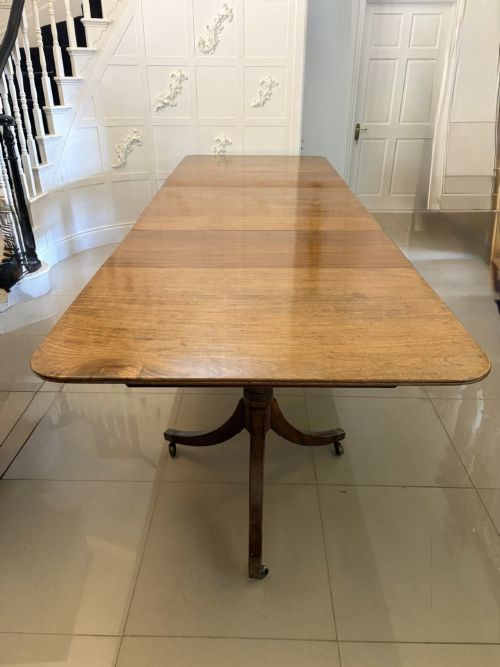
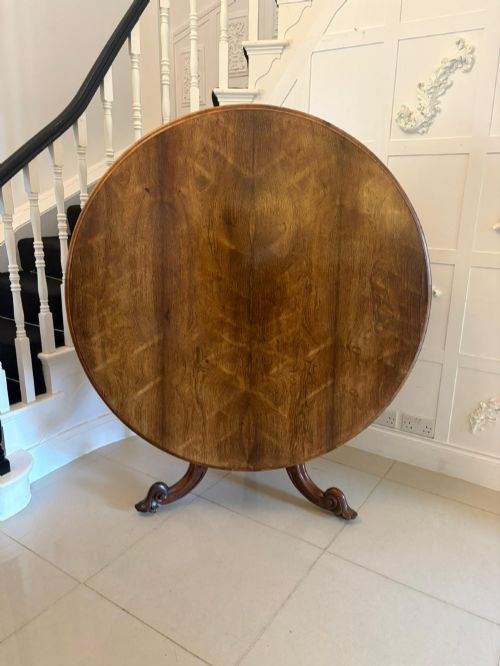
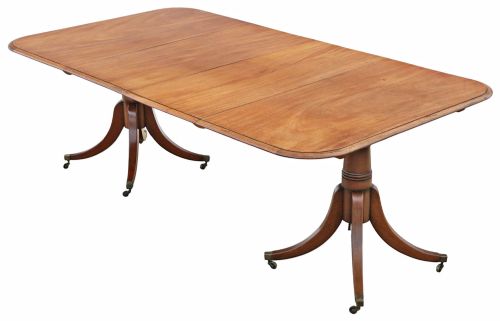
When searching for antique dining room pedestals, buyers encounter robust wooden supports primarily associated with large extending dining tables and heavy sideboard bases. These structural elements stem predominantly from the Georgian, Regency, and Victorian eras, carrying significant presence in any formal dining interior.
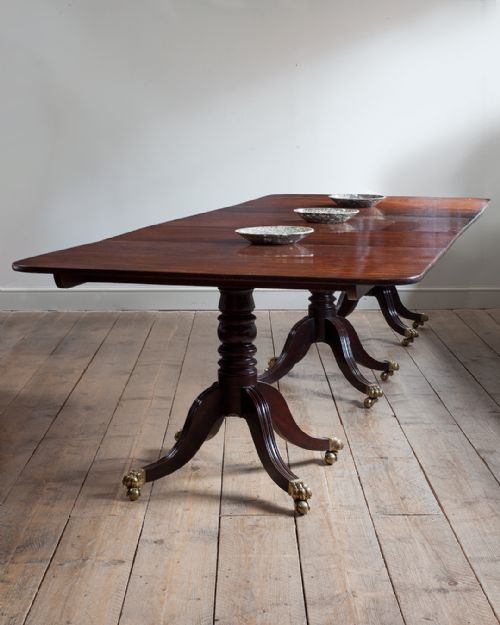
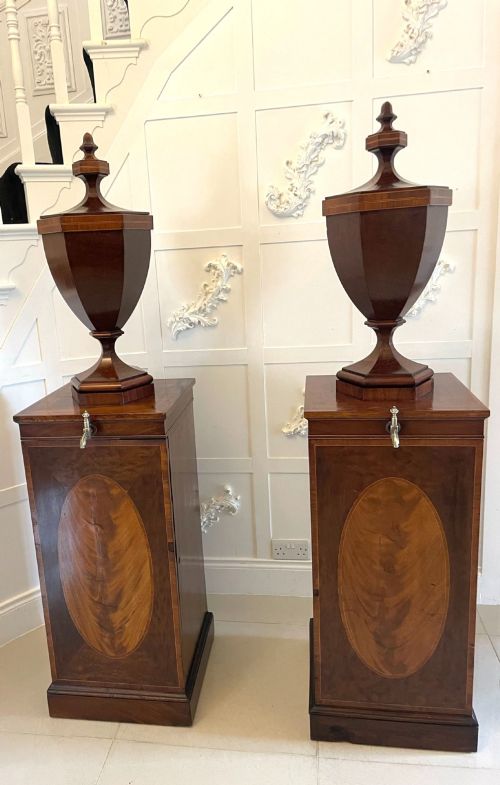
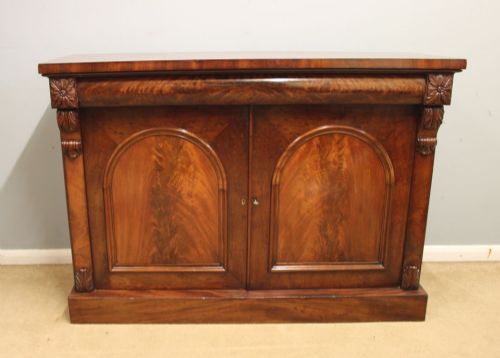
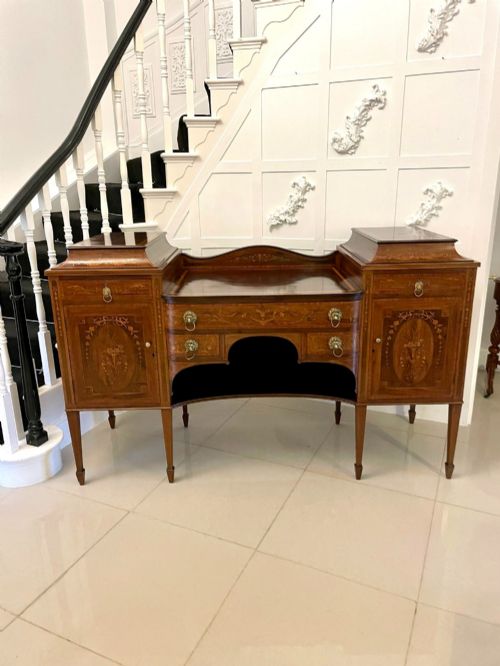
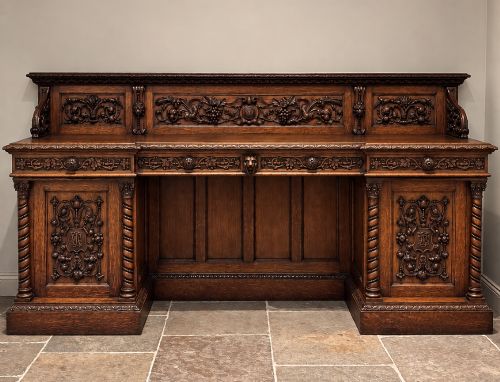
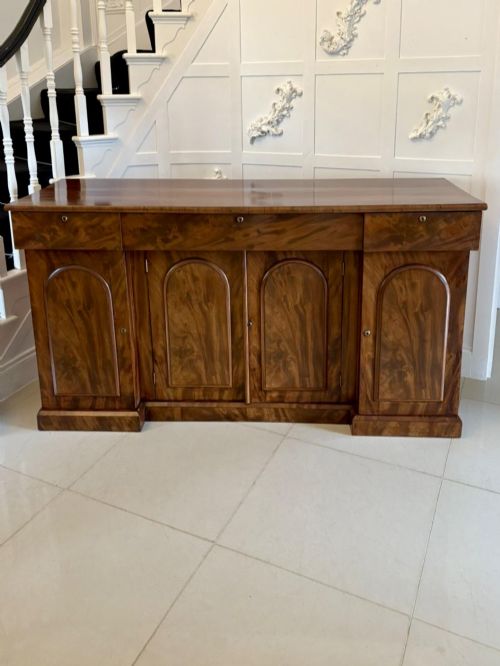
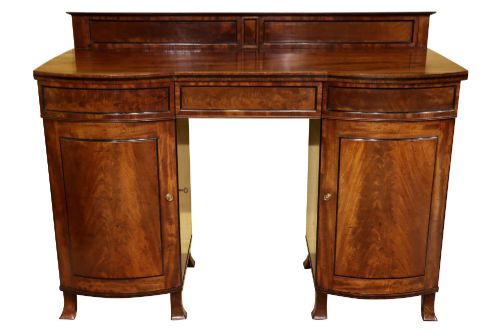
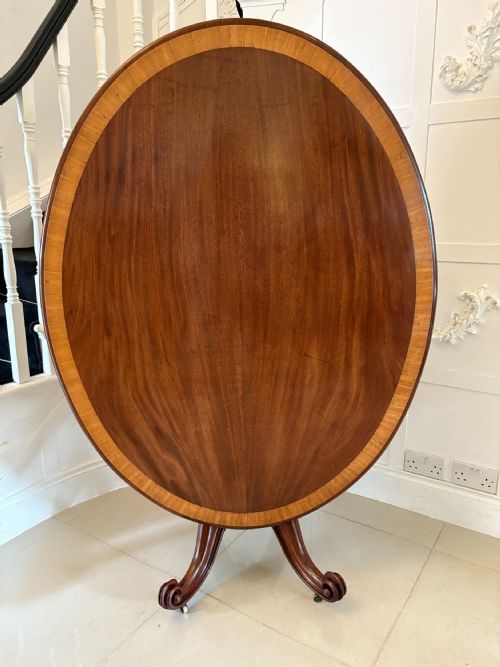
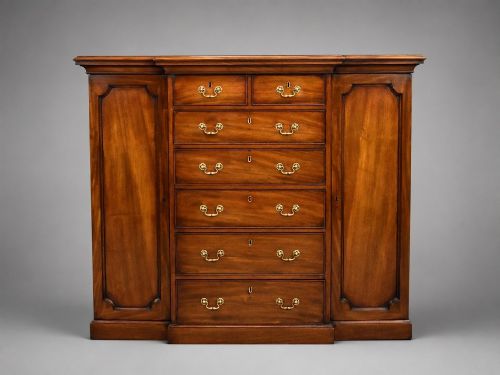
The versions most commonly met on this page range from twin and triple pillar dining tables to pedestal sideboards and wine urns on cupboards. Mahogany forms the backbone of these pieces, frequently paired with extension mechanisms or substantial storage compartments below.
How they were made
Cabinet makers utilised dense hardwoods like solid mahogany, flame mahogany veneer, and figured mahogany, often enhancing surfaces with contrasting satinwood or boxwood inlay. Structural integrity relied on heavy timber frames shaped into sturdy central pillars and robust sideboard carcases.
Finishing touches incorporated cast brass details, glass elements, and brass galleries on serving pieces. Joinery techniques ensured these supports could bear the considerable weight of extended dining leaves and heavy serving dishes.
Materials listed across these pieces include solid mahogany, flame mahogany veneer, satinwood, boxwood, oak, brass, and glass.
What varies in quality
The standard of timber selection marks the primary difference between average examples and superior pieces. Fiddleback and figured mahogany veneers demonstrate a higher grade of craftsmanship than plain timber boards.
Carved detailing and inlay complexity further separate workshops. Crisp, hand-carved acanthus leaves or precise boxwood and satinwood stringing indicate skilled execution by master cabinet makers.
Hewetsons London·Harry and Lou Epstein·Whytock and Reid·Gillows
The Antique Dining Room Pedestals Glossary
- Pedestal
- A structural pillar supporting a table top or serving unit. These columns often rest on splayed tripod feet fitted with brass castors.
- Inlay
- Contrasting woods or metals inserted into carved recesses to create decorative patterns. Boxwood and satinwood lines frequently accent darker mahogany surfaces.
- Dumb waiter
- A tiered revolving stand placed beside the dining table. These serving pieces held dishes without requiring extra domestic staff in the room.
- Sideboard
- A large dining room cabinet used for serving food and storing linen. Pedestal versions feature distinct cupboards flanking a central serving surface.
Antique Dining Room Pedestals: Frequently Asked Questions
What are pedestal dining tables?
Pedestal dining tables use central wooden pillars rather than traditional corner legs to support the top. This design provides extra legroom for diners seated around the perimeter.
Many examples feature multiple pillars to accommodate extension leaves for larger gatherings.
How do I care for mahogany pedestals?
Mahogany surfaces require dusting with a soft dry cloth and occasional application of appropriate furniture wax. Direct sunlight and sudden temperature changes should be avoided to prevent timber splitting.
Keeping the wood nourished preserves the rich grain and deep colour built up over centuries.
What periods do these pieces span?
The available pieces primarily date from the Georgian, Regency, and Victorian periods, with some later revival items included. Each era brought distinct carving styles and proportion standards to the timberwork.
Earlier examples from around 1800 often display restrained neoclassical lines, while Victorian items favour heavier carved details.
Where were pedestal sideboards placed?
Pedestal sideboards traditionally stood against the wall opposite the dining table or near the dining room entrance. They served as staging areas for carving meats and holding silverware during long meals.
The cupboards within the pedestals stored wine bottles, glassware, and heavy serving platters.