




Neoclassical Wine Pedestals
Neoclassical wine pedestals combine classical form with fine timber and metalwork, offering an elegant focal point for formal rooms.
Neoclassical Wine Pedestals
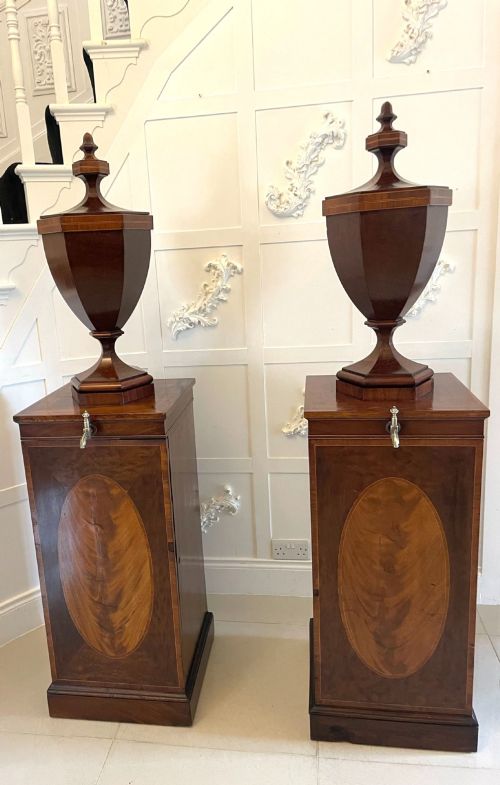
Neoclassical wine pedestals encompass a range of side tables, occasional tables, stands, and coolers linked by classical design principles. Pieces in this category draw on George III, Regency, and French Empire traditions.
Buyers frequently encounter nineteenth-century interpretations alongside Georgian originals. Forms vary from urn stands and wine coolers to tripod tables and gueridons.
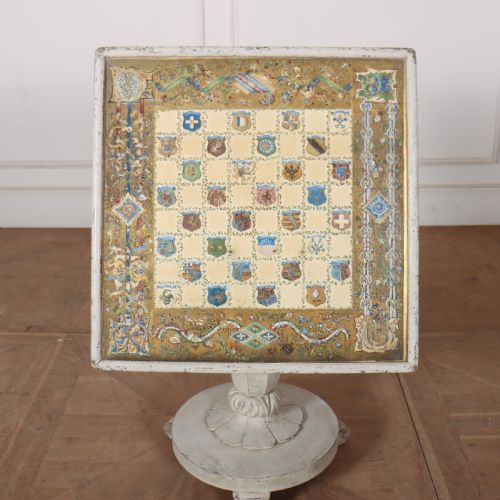
The selection ranges from mahogany and satinwood pieces to gilt wood, painted surfaces, and mounted bronze or ormolu works.
Assessing quality
Quality rests upon the crispness of the carving, the precision of the timber inlay, and the weight and finish of the bronze or ormolu mounts. Superior examples demonstrate refined proportions that mirror authentic classical architecture.
The choice of materials, from solid mahogany to finely grained satinwood and polished marble, dictates the standing of a piece. Original mounts and uncompromised structural integrity elevate the work above later revivals.
Some nineteenth-century wine coolers take the exact shape of ancient bronze vessels, ready to hold ice rather than ashes.
John Scofield·Clodion·Thomas Hope·Weisweller
The Neoclassical Wine Pedestals Glossary
- Ormolu
- Gilded bronze used for decorative mounts on furniture. It provides a bright golden finish that contrasts with dark woods.
- Gueridon
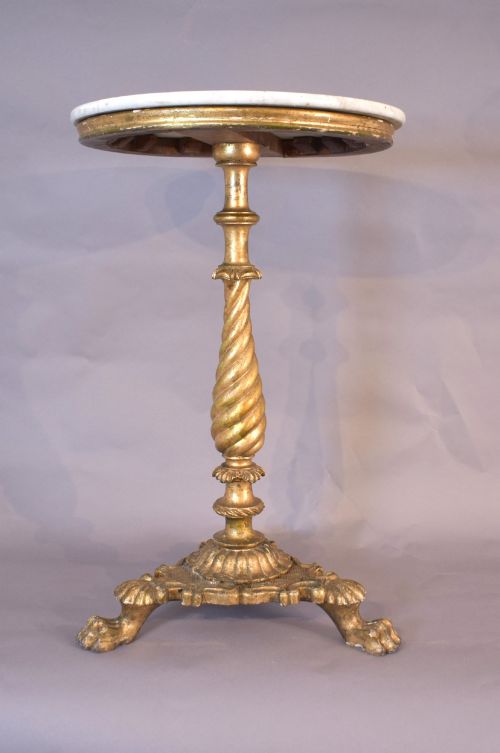
- A small circular table supported by a central column or tripod base. French examples frequently feature marble tops.
- Campana
- A bell-shaped vessel form derived from classical antiquity. Often seen on bronze wine coolers and vases.
- Inlay
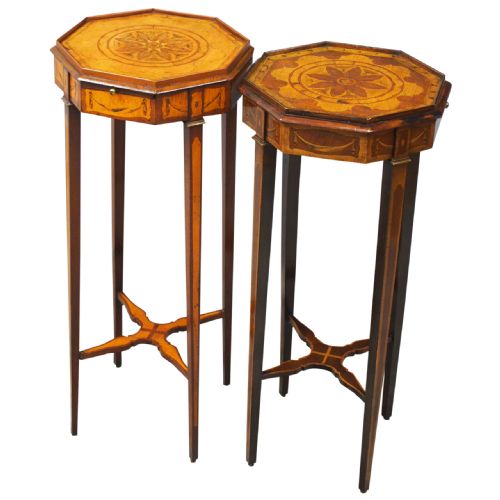
- A technique where pieces of contrasting timber or shell are inserted into a recessed surface. It creates geometric or floral patterns.
- Tripod
- A three-legged support base common on small occasional tables. It ensures stability on uneven floors.
Neoclassical Wine Pedestals: Frequently Asked Questions
How were these tables used originally?
In grand dining rooms, they supported wine coolers, urns, or decanters close to the dining table for easy access during meals. Occasional versions also served lamps and decorative objects.
Their sturdy pedestals and tripod bases kept heavy vessels secure during bustling social gatherings.
How do I style a pedestal at home?
Place a single pedestal in a hallway as an accent table or pair matching stands beside seating in a drawing-room. Their compact footprints suit corners and smaller spaces.
Top them with a bronze bowl, a lamp, or allow the timber and inlay work to stand alone.
How do I distinguish Georgian pieces from later revivals?
Examine the timber construction, joinery methods, and the natural ageing of the wood beneath the finish. Georgian pieces display period-specific hand tools and construction.
Nineteenth-century revival pieces often incorporate heavier ormolu mounts and softer secondary woods typical of later workshops.