
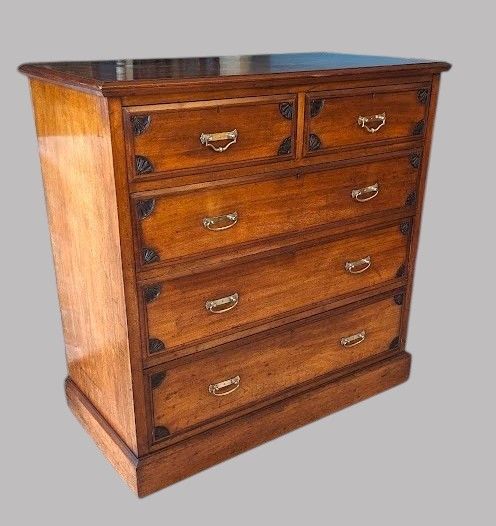
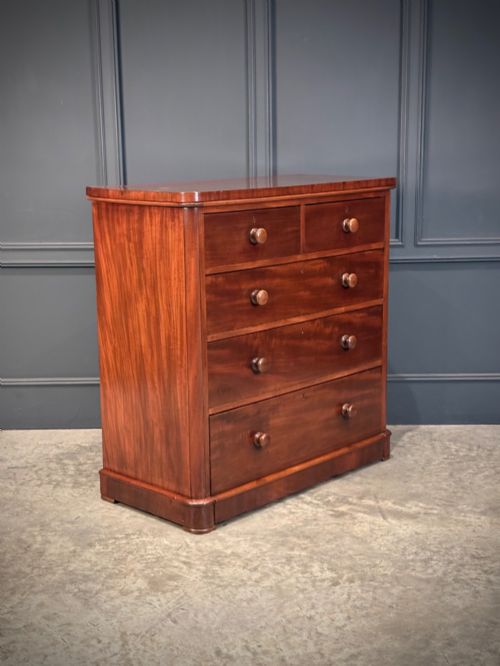
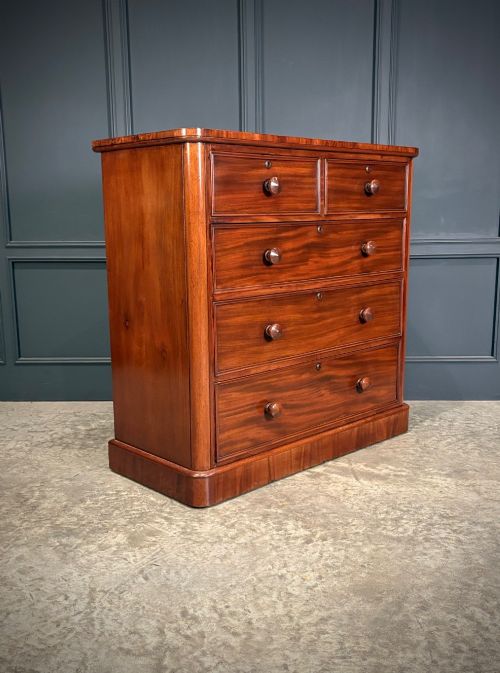
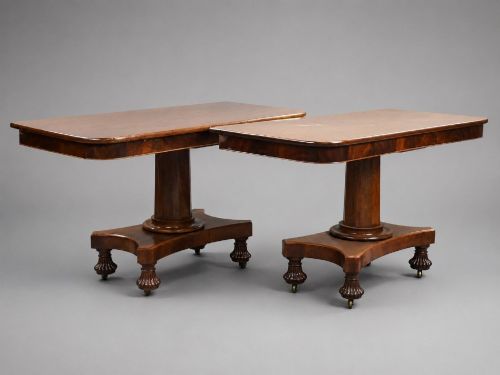
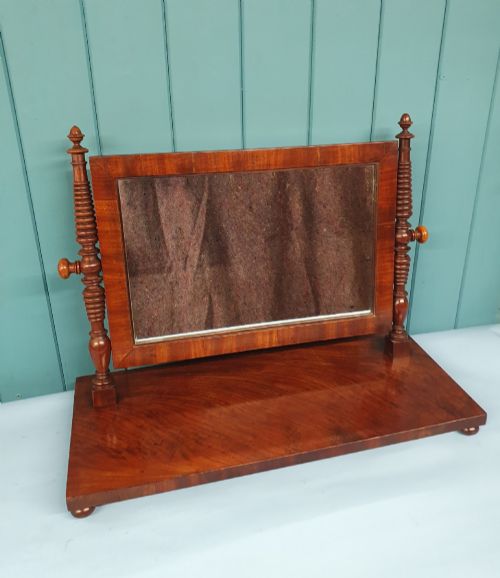
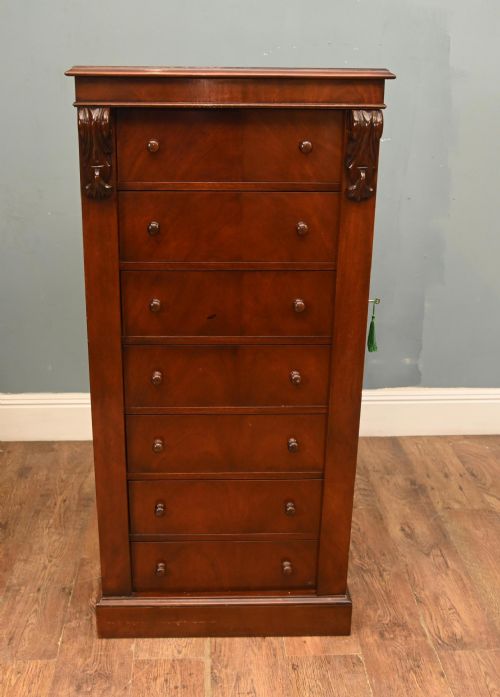
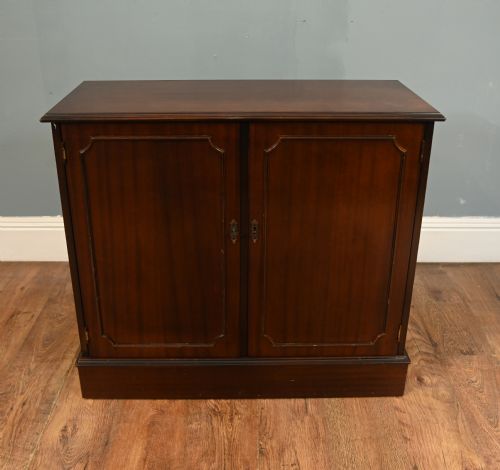
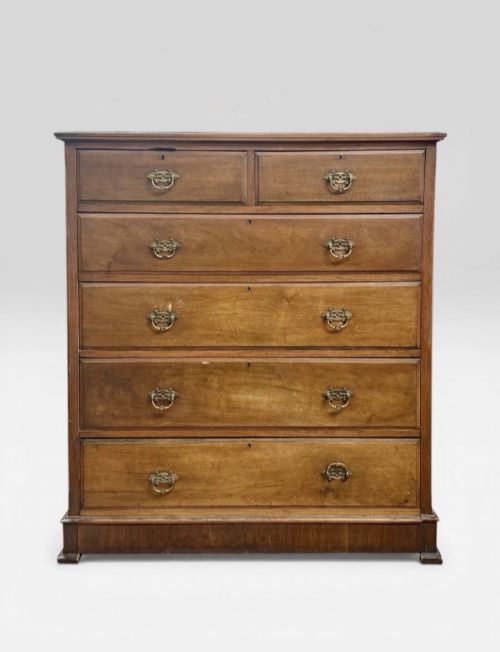

19th Century Mahogany Plinths
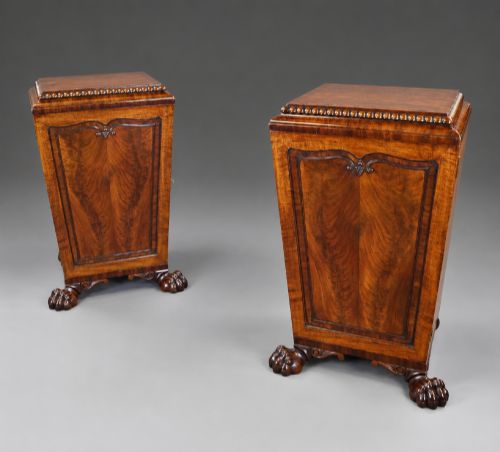
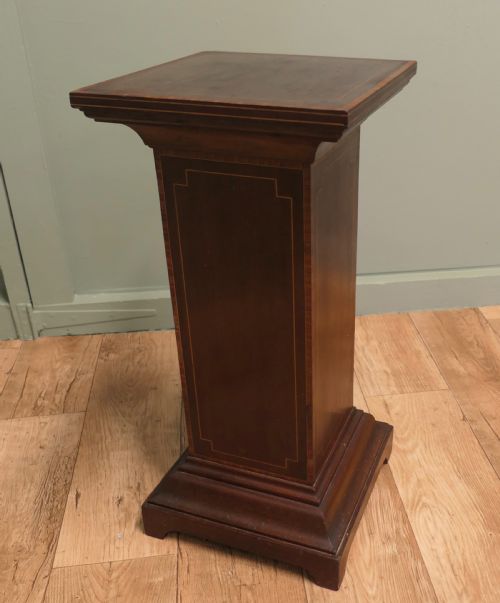
These 19th century mahogany plinths provide a sturdy and classical foundation for displaying sculptures, urns, and decorative objects in a traditional interior.
19th Century Mahogany Plinths
When you search for 19th century mahogany plinths, you encounter architectural supports designed to elevate display pieces within a room. These supports appear in solid timber and hexagonal forms dating across the Victorian era. The selection draws upon styles spanning the Georgian period through to the late nineteenth century.
The objects stem from a time when displaying sculpture and decorative art required dedicated furniture to lift pieces to eye level. Pedestals and plinths function as architectural elements that anchor a corner or serve as focal points in a hallway. Solid mahogany construction gives these supports the necessary weight to bear heavy marble or bronze items safely.
How they were made
Cabinet makers utilised dense mahogany timber, sometimes selecting flame mahogany veneer for decorative effect on structural surfaces. Workshops constructed these pedestals with internal framing of secondary woods like pine to provide stability beneath the primary timber exterior.
Joinery techniques relied on sturdy internal bracing and precise panel assembly to ensure the tall forms remained plumb and capable of supporting substantial weight on the top surface. Surfaces received hand-applied finishes that brought out the rich grain and deep colour inherent in nineteenth-century mahogany.
Hexagonal pedestals from the 1830s secretly double as conversation starters when guests try to count all six mahogany sides without touching them.
What varies in quality
Quality rests upon the selection of timber and the precision of the geometric proportions. Pieces built from solid mahogany command attention through their substantial heft and consistent grain patterns across the faces.
The refinement of the mouldings and the integrity of the internal structure distinguish standard utility stands from finer cabinet work. Superior examples maintain structural rigidity without warping, allowing the timber to age gracefully through decades of use.
Mawer & Stephenson·Holland & Sons·Freeman
The 19th Century Mahogany Plinths Glossary
- Plinth
- A heavy rectangular or hexagonal base supporting a column, statue, or urn. It acts as the architectural ground for elevated display.
- Mahogany
- A durable tropical hardwood prized for its deep reddish-brown colour and stability. Cabinet makers favoured it for high-status nineteenth-century furniture.
- Flame mahogany veneer
- A thin slice of timber cut from the point where branches join the trunk, creating a fiery, undulating grain pattern. It adorns prominent surfaces to catch the light.
- Pedestal
- An upright support for a bust, statue, or vase. Nineteenth-century examples often feature panelled sides or hexagonal column bodies.
- Victorian
- The period of British history spanning the reign of Queen Victoria, marked by diverse revival styles in furniture design.
19th Century Mahogany Plinths: Frequently Asked Questions
What were 19th century mahogany plinths used for?
These pieces served primarily as architectural display stands for heavy decorative items, bronze sculptures, and large urns within grand Victorian interiors.
By elevating objects above floor level, they drew the eye and protected precious collections from household traffic while enhancing the symmetry of a room.
How do I style a mahogany plinth at home?
Position a plinth in an empty corner, a hallway, or beside a fireplace to create a vertical focal point in your living space.
Place a single sculptural object, a ceramic bowl, or a small bust on top to let the architectural lines of the mahogany stand out against neutral walls.
How do I identify the age of a pedestal?
Examine the timber species, construction methods, and surface patina to determine the manufacturing period.
Nineteenth-century examples frequently employ solid mahogany or flame veneer over secondary pine framing, showing hand-finished surfaces consistent with Victorian workshop practices.
Are these pedestals strong enough for heavy items?
Solid timber versions possess substantial weight and robust internal framing designed to bear considerable downward pressure.
Their heavy construction ensures they remain stable and secure when supporting bronze figures, marble carvings, or large decorative urns.